


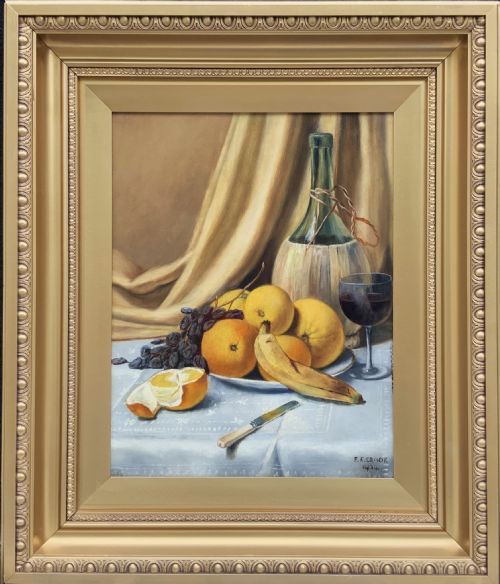
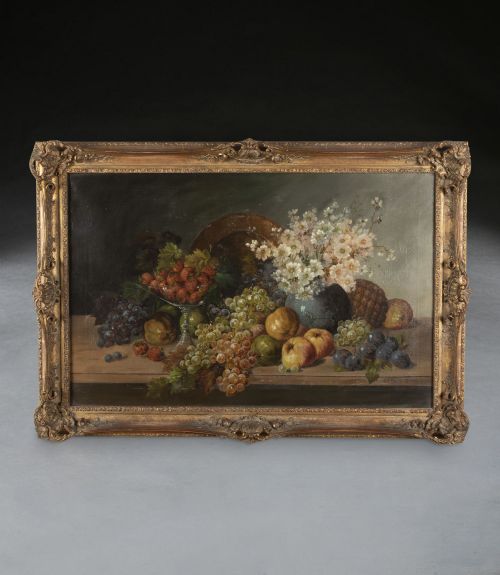
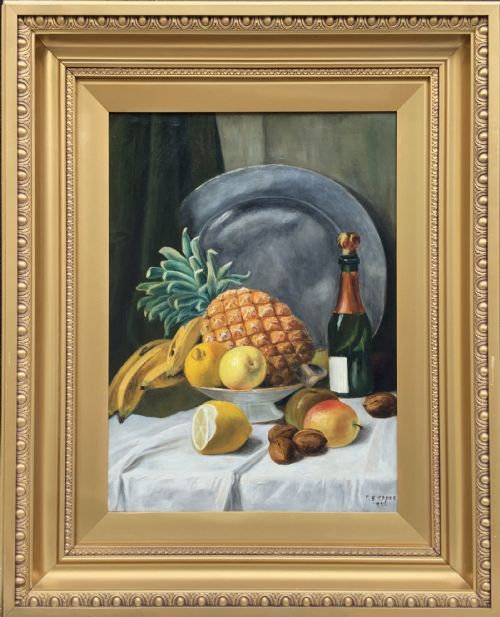


Edwardian Fruit Painting
Edwardian fruit painting brings botanical realism into the drawing room through detailed porcelain and oils.
Edwardian Fruit Painting
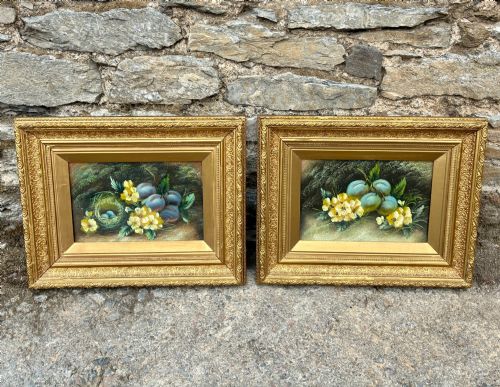
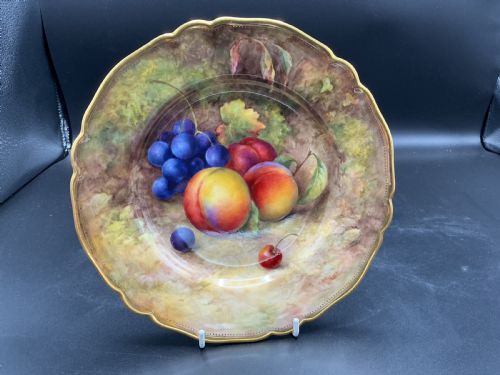
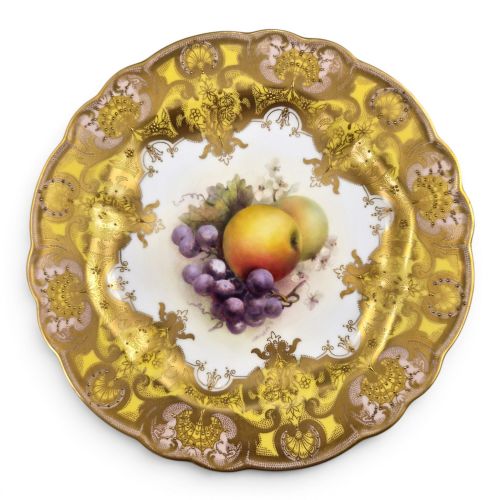
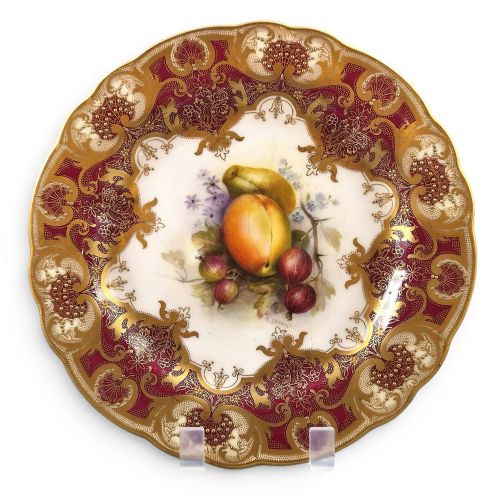
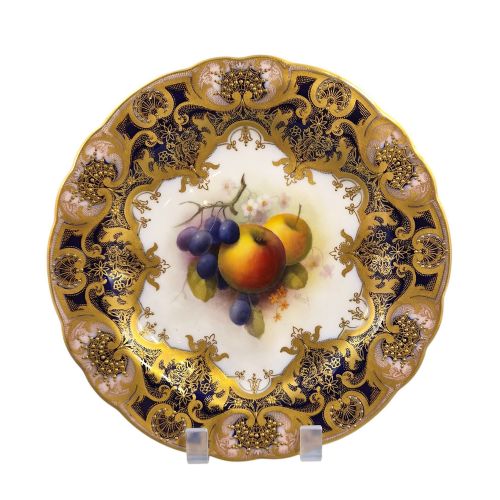
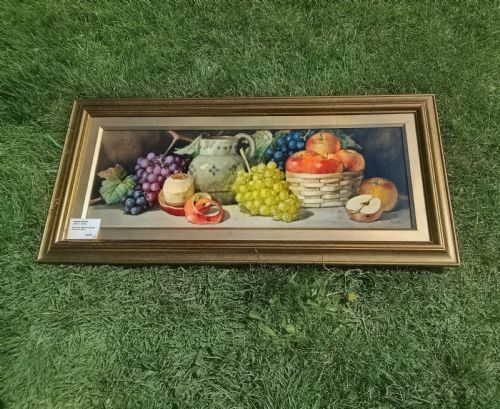
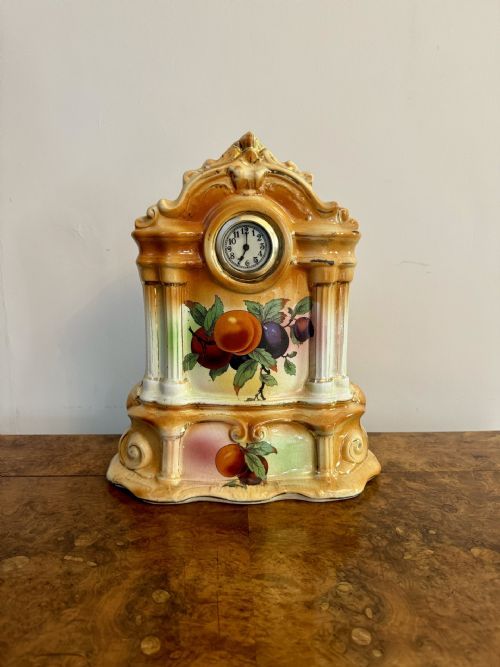
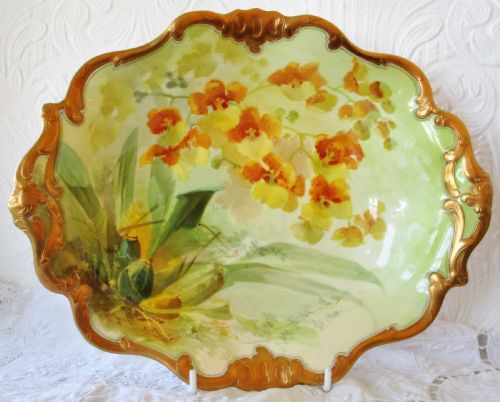
Edwardian fruit painting encompasses both delicate ceramic art on porcelain and canvas oil studies from the late nineteenth and early twentieth centuries. When searching for this phrase, buyers encounter hand-painted cabinet plates, bowls, vases, and framed still life paintings.
The objects stem predominantly from major British factories like Royal Worcester, alongside oil paintings on canvas and board. These pieces capture richly coloured pears, peaches, and berries arranged in natural settings.
How they were made
Artists painted directly onto porcelain blanks using specialist enamels that required multiple firings in kiln heat to fix the pigments. Guilders added gold leaf and gilding accents to edges and handles.
Canvas and board oil paintings utilise layered brushwork set within gilt frames, sometimes protected under glass.
Edwardian Fruit Painting Retail Price Guide 2026
Typical asking prices for edwardian fruit painting among the pieces listed under this phrase on Sellingantiques today, from the lower quarter to the upper quarter. They describe what is for sale here now, not the wider market.
Listings feature porcelain, oil on canvas, enamel, and gold leaf spanning the Victorian and Edwardian periods up to the 1940s.
What varies in quality
Quality rests upon the skill of the named artist in rendering natural textures, light, and shadow on the fruit surface. Master painters achieved depth through subtle colour blending rather than flat washes.
The complexity of the ceramic blank, such as scalloped edges, rope borders, or applied gilt handles, distinguishes standard production from exhibition pieces.
Royal Worcester·Royal Doulton·Arthur Dudley·Evelyn Chester·John Robertson Reid
The Edwardian Fruit Painting Glossary
- Cabinet plate
- A decorative ceramic plate intended for display in a cabinet rather than for dining. These often feature elaborate painted fruit scenes.
- Gilding
- The application of gold leaf or gold powder to ceramic surfaces or wooden frames. This finish highlights rims and handles.
- Comport
- A raised dish or bowl used for serving fruit or sweets. They sit on a pedestal base.
- Spill vase
- A tall, narrow vessel designed to hold taper matches for lighting fires. Potters decorated these with botanical motifs.
Edwardian Fruit Painting: Frequently Asked Questions
How do I clean painted porcelain?
Dust gently with a soft dry cloth to protect the enamel and gold leaf. Avoid immersion in water or chemical cleaners.
Harsh scrubbing can remove delicate overglaze hand-painting.
Are these plates meant for food?
These decorative items serve primarily for display in cabinets or on walls. Using them for serving food risks scratching the hand-painted surface.
Historic glazes may also not meet modern culinary safety standards.
Who painted these porcelain pieces?
Specialist artists trained at factory studios applied these motifs by hand. Many signed their work with initials or full names on the front or base.
Signatures from notable painters often enhance the piece's provenance.
How should I hang oil paintings?
Use picture hooks rated for the weight of the gilt frame and canvas. Hang them away from direct sunlight to prevent fading.
Stable room temperatures protect the canvas and wooden stretcher bars from warping.