


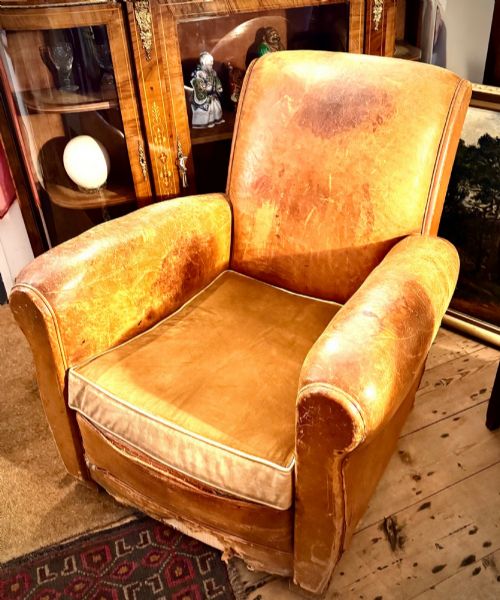


Edwardian French Armchair
An edwardian french armchair brings continental style and carved woodwork into a room, offering comfortable seating shaped by classic revival designs.
Edwardian French Armchair
When searching for an edwardian french armchair, buyers encounter seating that bridges traditional continental forms and early twentieth century craftsmanship. The pieces listed span periods from the nineteenth century to the nineteen twenties, incorporating styles such as Louis XV Revival, Louis XVI design, and Régence.
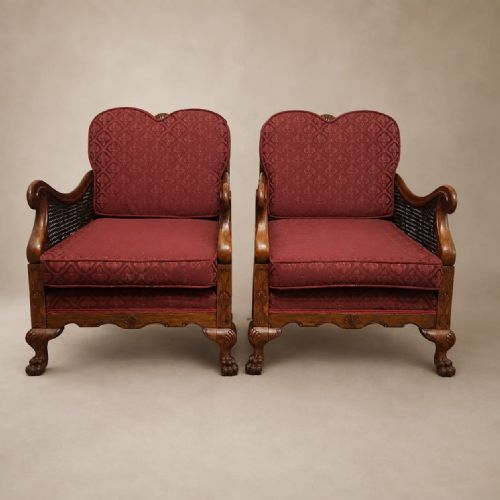
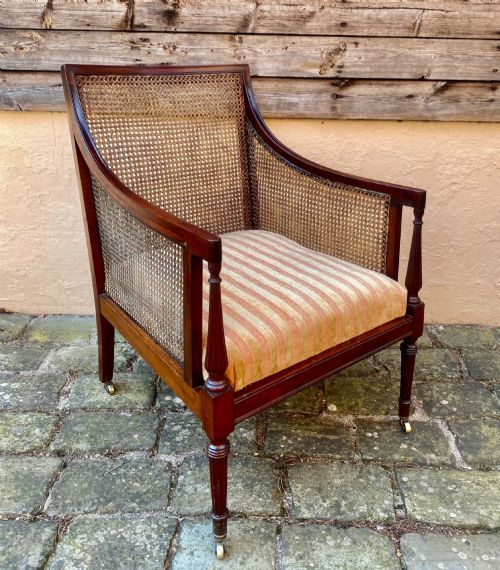
Forms on this page include open armchairs, bergère chairs with cane panels, library armchairs, and matching salon suites. Walnut, mahogany, and painted wood provide the structural framing for these seats.
The most common versions met here reflect French revival aesthetics from around nineteen hundred to nineteen ten, often featuring carved woodwork and upholstered seats. Buyers frequently select these chairs to add distinct period character to a modern or traditional interior.
What varies in quality
The standard of carving on the wooden frames marks the distinction between ordinary production and finer seating. Crisp execution in walnut or giltwood shows the hand of a capable artisan, whereas softer definition indicates simpler workshop output.
The integrity of structural joints and the preservation of original materials such as split cane panels influence the standing of each piece. Chairs retaining their period upholstery or properly executed traditional reupholstery hold greater authenticity.
Edwardian French Armchair Retail Price Guide 2026
Typical asking prices for edwardian french armchair among the pieces listed under this phrase on Sellingantiques today, from the lower quarter to the upper quarter. They describe what is for sale here now, not the wider market.
Some chairs enjoy travelling in pairs across the decades, arriving on the market together just as they left the workshop over a century ago.
The Edwardian French Armchair Glossary
- Bergère
- An enclosed upholstered armchair with wooden framing, often featuring cane panels on the back and sides. This French form became popular in various revival styles throughout the nineteenth and early twentieth centuries.
- Fauteuil
- An open-armed upholstered armchair with exposed wooden armrests and legs. The style originates from seventeenth and eighteenth century France but appears frequently in later revival pieces.
- Giltwood
- Wood that has been coated with a thin layer of gold leaf or gilt finish. It creates a decorative surface often seen on formal salon armchairs.
- Régence
- A decorative style bridging the Louis XIV and Louis XV periods, characterised by early rococo curves and symmetrical carved ornamentation. Later revival pieces adopted these motifs.
- Louis Quinze
- The French style of the reign of Louis XV, defined by asymmetric curves, cabriole legs, and naturalistic floral carvings. Revival pieces from the early twentieth century frequently emulate these lines.
Edwardian French Armchair: Frequently Asked Questions
How do I identify a bergere chair?
A bergère chair is distinguished by its enclosed upholstered sides and back, often incorporating woven cane panels within a wooden frame. These chairs provide a solid, comfortable seat while maintaining a lighter visual profile than fully upholstered armchairs.
Evidence on this page shows these chairs appearing in walnut and other hardwoods, frequently dated around nineteen hundred to nineteen twenty.
What is the difference between Louis XV and Louis XVI styles?
Louis XV style furniture relies on sweeping curves, cabriole legs, and asymmetric floral carvings. In contrast, Louis XVI design introduces straight fluted legs, geometric symmetry, and neoclassical motifs.
Both styles appear among the French revival pieces listed here from the early twentieth century.
Are these chairs comfortable for daily use?
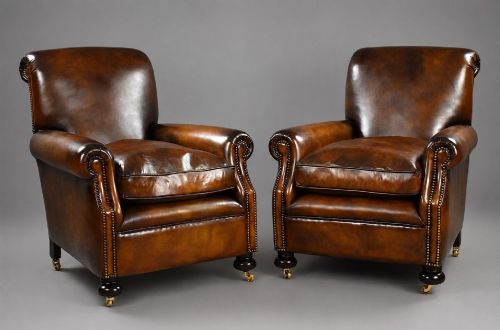
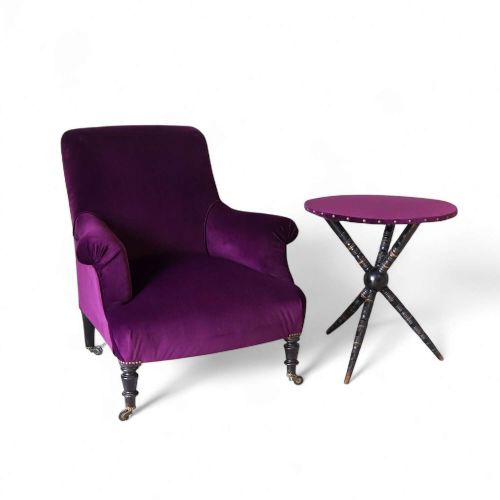
Most of these armchairs are built with upholstered seats and supportive backs designed for sitting rooms and studies. Many have been reupholstered in leather, velvet, or linen to suit modern use while retaining their historic frames.
Salon and bedroom chairs offer lighter proportions, whereas club and library armchairs provide deeper cushioning.
How do I care for antique wood and cane?
Antique wood frames benefit from occasional gentle polishing with appropriate wax to nourish the surface. Cane panels require careful dusting and should be kept away from excessive dryness to prevent snapping.
Maintaining stable room humidity preserves both the wooden structure and the woven elements.