
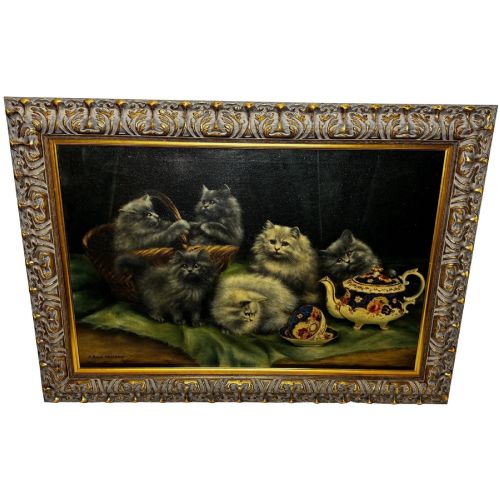
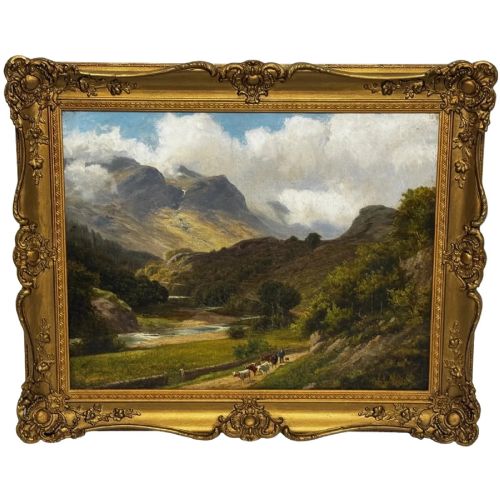
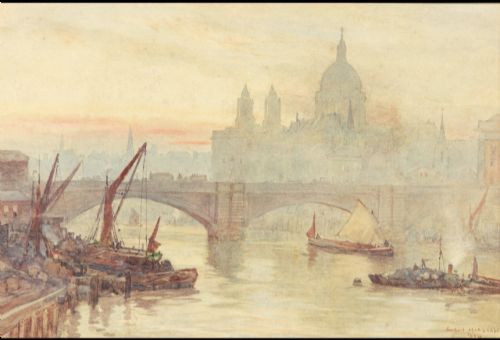
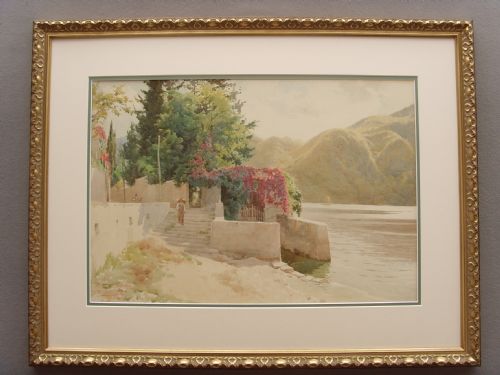


Edwardian Framed Fine Art
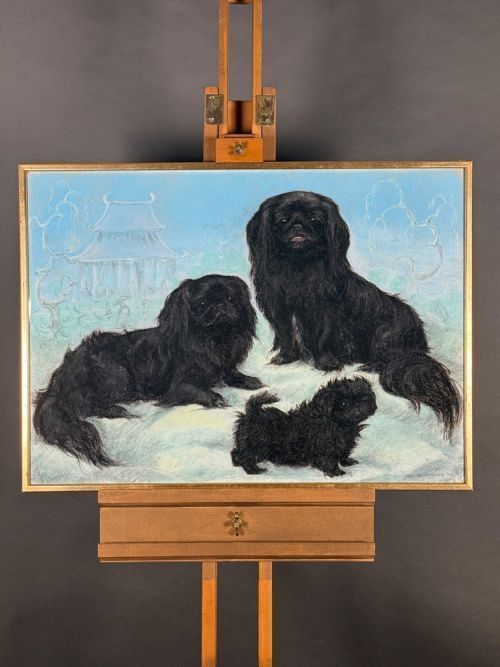
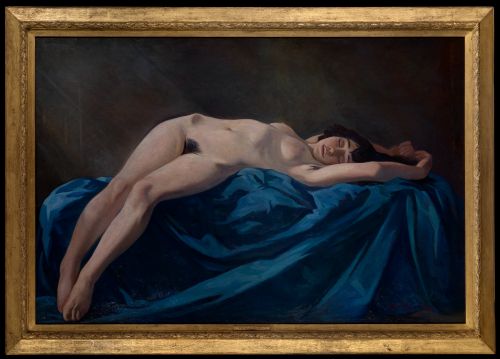
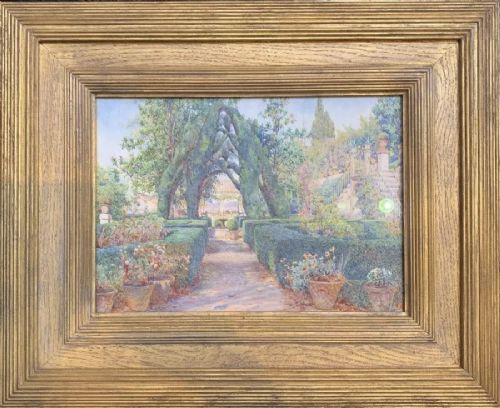
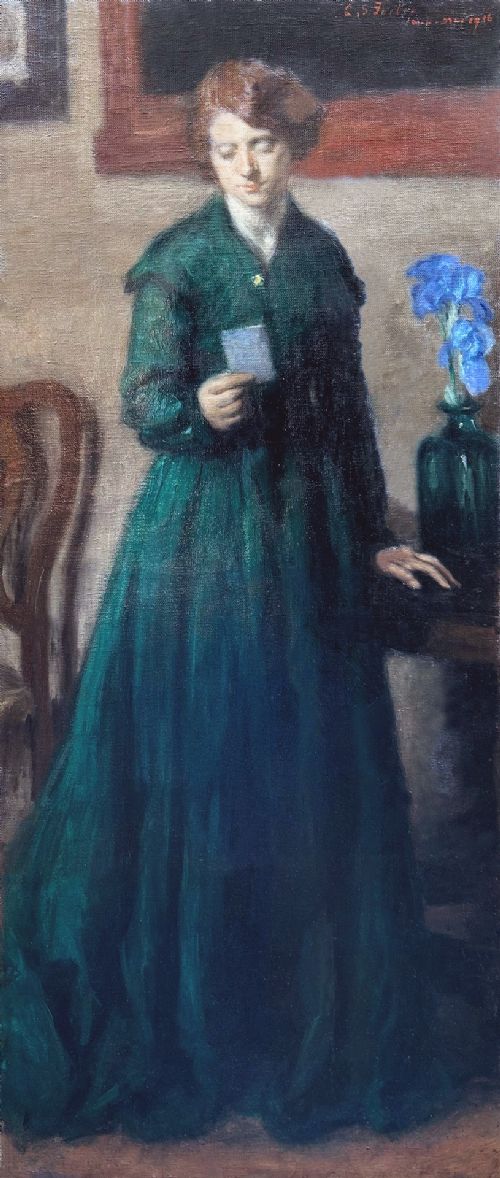
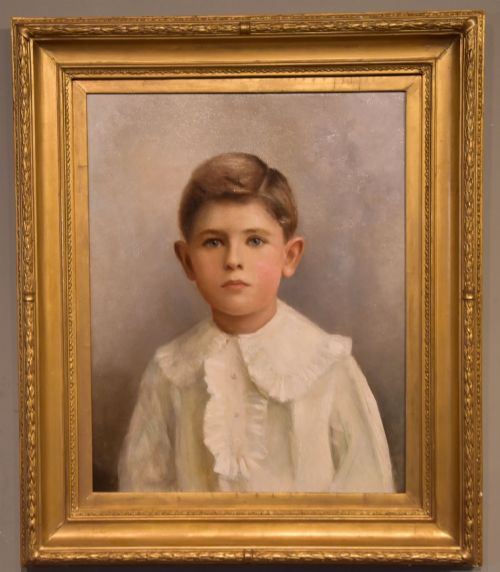
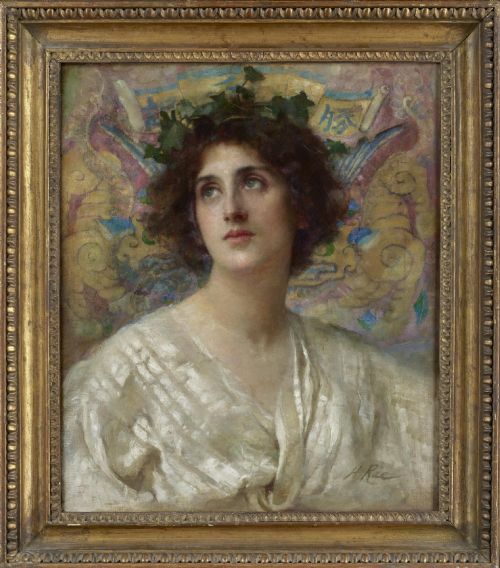
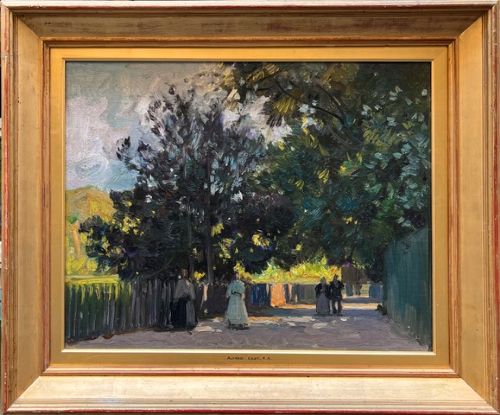
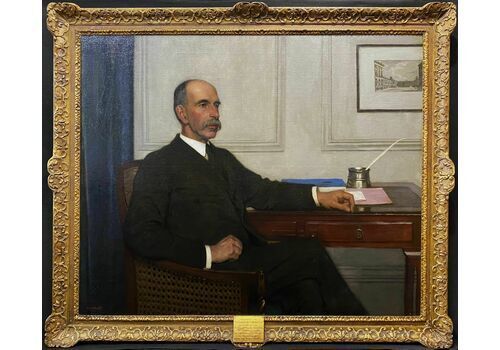
Edwardian framed fine art spans delicate watercolours and substantial oil paintings held within period surrounds.
Edwardian Framed Fine Art
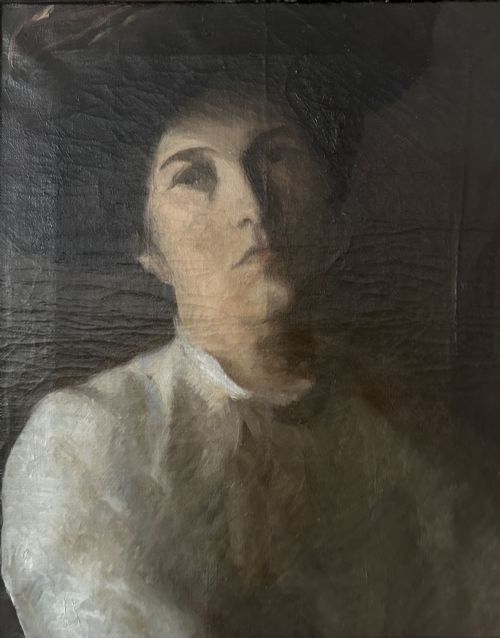
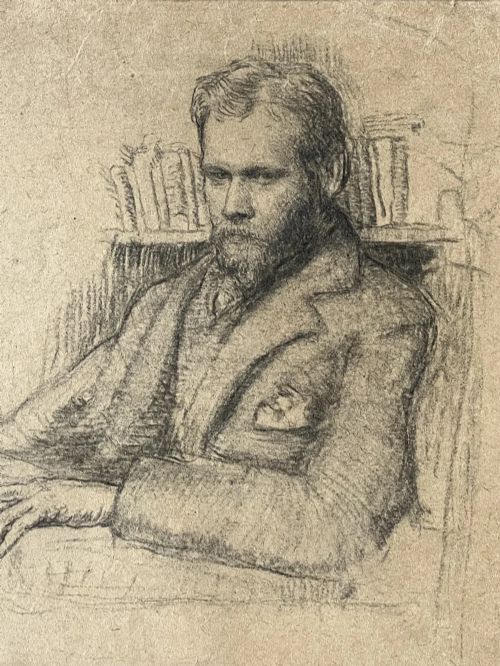
Edwardian framed fine art encompasses oil paintings, watercolours, and pastel drawings produced around the turn of the twentieth century. Buyers searching this phrase encounter portraits, landscapes, and still life compositions housed in their original surrounds.
The selection on this page leans heavily toward oil on canvas, oil on board, and watercolour paintings from the nineteenth and early twentieth centuries. Works span regional British scenes, intimate character studies, and formal portraiture.
Framed presentation is central to these pieces, with many retaining period giltwood frames that complement the artwork. The intersection of painting and original framing defines the category for collectors seeking historical visual pieces.
How they were made
Artists of this period utilised oil paint on stretched canvas or wooden board, and transparent watercolour pigments on paper. These materials yielded both richly textured impasto surfaces and fluid, luminous washes.
Surrounds were predominantly constructed from wood and finished with applied gesso and gilding to create traditional giltwood frames. Glass was utilised to protect delicate watercolours and pastel drawings on paper from environmental degradation.
Listings feature works across the 19th Century, Edwardian, and 1920 periods, utilising canvas, paper, and giltwood materials.
What varies in quality
The standard of execution in the brushwork and the anatomical accuracy of portrait subjects distinguish finer works from standard decorative pieces. Masterly handling of light and atmospheric perspective elevates a composition significantly.
The integrity and originality of the frame also influence the overall standard of a piece. Period giltwood frames that retain their original surfaces and joinery complement the historical weight of the artwork they enclose.
Felix Stone Moscheles·John Maler Collier·Eric Robertson·Augustus John·Ernest Arthur Rowe·Henrietta Rae·Sir Alfred East·Harold Knight·Florence Small·William Matthison·Thomas Hodgson Liddell·Emily Eyres·Percy Lancaster·William Watt Milne·Robert George Talbot Kelly·Byam Shaw·Archibald Kay·Edgar Woollatt·Edgard Maxence·Allan Douglas Davidson·Evelyn Chester·Pieter Cornelis Dommersen·Charles Burton Barber·Arthur Tucker·Herbert Royle
The Edwardian Framed Fine Art Glossary
- Giltwood
- Wood carved and coated with gold leaf or metallic powder. This finish was standard for luxury frames throughout the nineteenth and early twentieth centuries.
- Impasto
- Paint applied thickly to a canvas or board, standing out from the surface. This technique allows the physical marks of the brush or palette knife to catch the light.
- Watercolour
- Pigments suspended in a water-soluble binder, applied to paper. It relies on the white of the paper showing through transparent washes to create luminosity.
- Pastel
- A dry drawing medium composed of powdered pigment and a binder. Works created in this medium require glass protection to prevent smudging.
- Provenance
- The documented history of ownership of an artwork. A clear record adds historical context to the piece.
Edwardian Framed Fine Art: Frequently Asked Questions
How do I identify an authentic Edwardian painting?
Examine the materials and stretcher frames behind the canvas, as older pieces often utilise wedge keys in wooden corners. Signatures, dates, and stylistic markers consistent with the early twentieth century also help confirm the period.
Paper supports and watercolours from this era frequently exhibit age toning and framing methods typical of the period. Consulting artist registries aids in verifying signatures against known exhibition records.
Should I display these works in direct sunlight?
Direct sunlight causes pigments in watercolours and oil paintings to fade over time. Natural light reveals detail, but ultraviolet rays degrade both paper and canvas.
Positioning pieces away from south-facing windows preserves the stability of the medium. UV-filtering glass provides an additional safeguard for works on paper.
How should I clean a giltwood frame?
Dust giltwood frames gently with a soft, dry brush to remove surface particles. Avoid liquid cleaners, as moisture strips historical gilding from the gesso base.
Professional conservators should handle repairs to chipped or flaking gold leaf. Regular gentle dusting prevents accumulation without risking the delicate finish.
Can I reframe an antique oil painting?
Original period frames are historically linked to the artwork and contribute to its character. Removing a painting from its period surround can alter its contextual integrity.
When reframing is necessary due to damage, select a surround appropriate to the era of the painting. Retaining the original frame separately preserves the complete history of the piece.