


Edwardian Floor Mirror
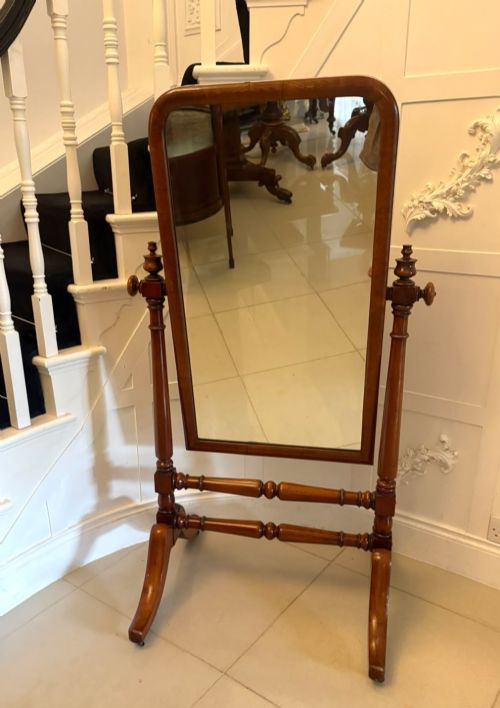
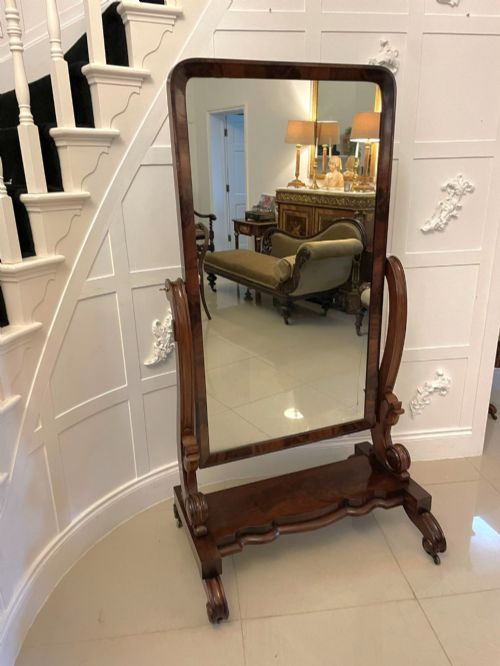
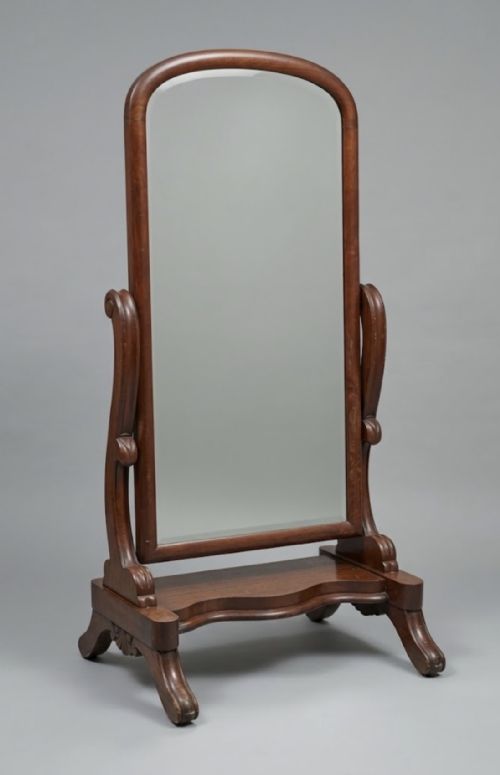
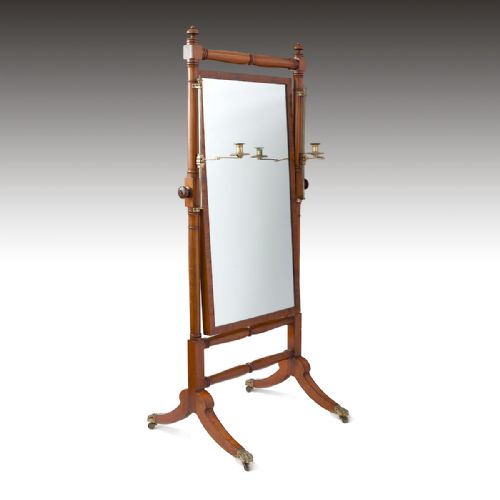
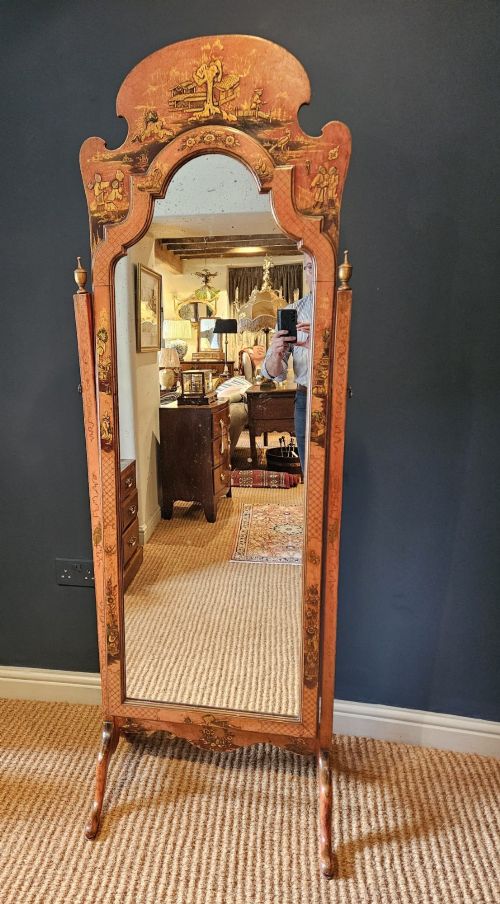
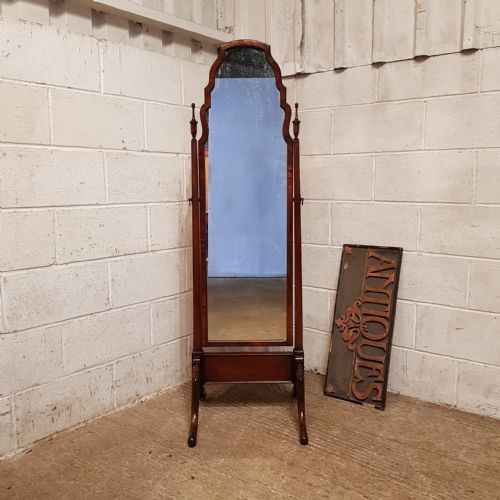
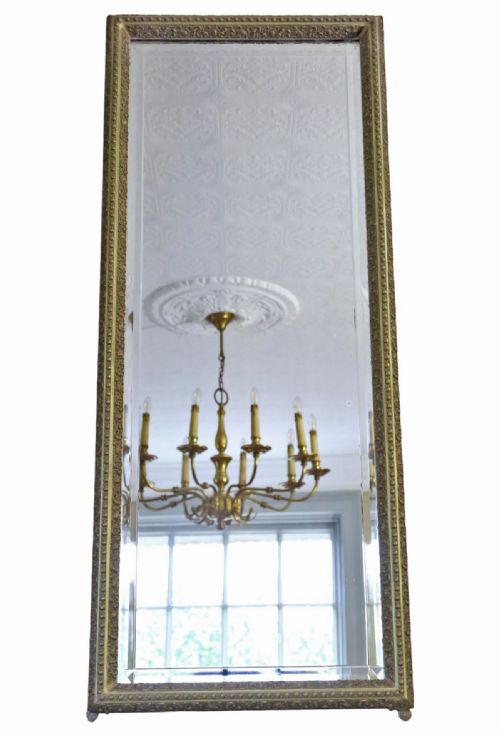
An edwardian floor mirror brings height and reflected light to a room, functioning primarily as a freestanding cheval glass for dressing.
Edwardian Floor Mirror
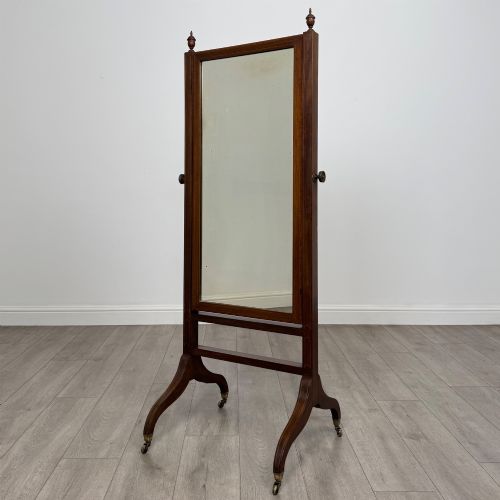
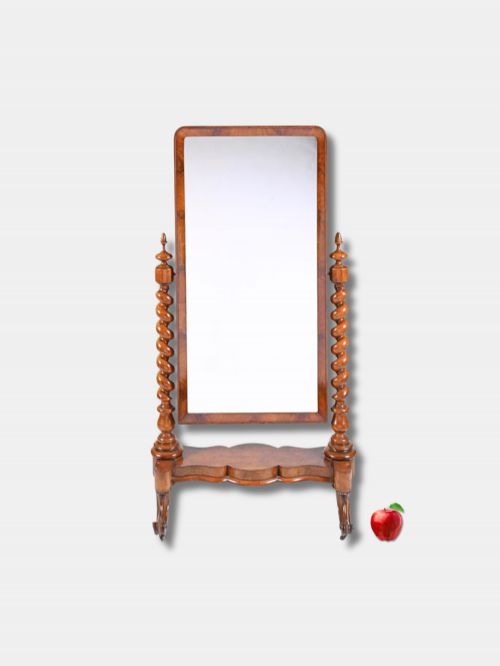
An edwardian floor mirror typically takes the form of a cheval glass, held within a pivoting frame supported by uprights and steady feet. While the selection spans multiple eras including the Victorian period and the nineteen-twenties, Edwardian examples demonstrate the lighter proportions favoured at the start of the twentieth century.
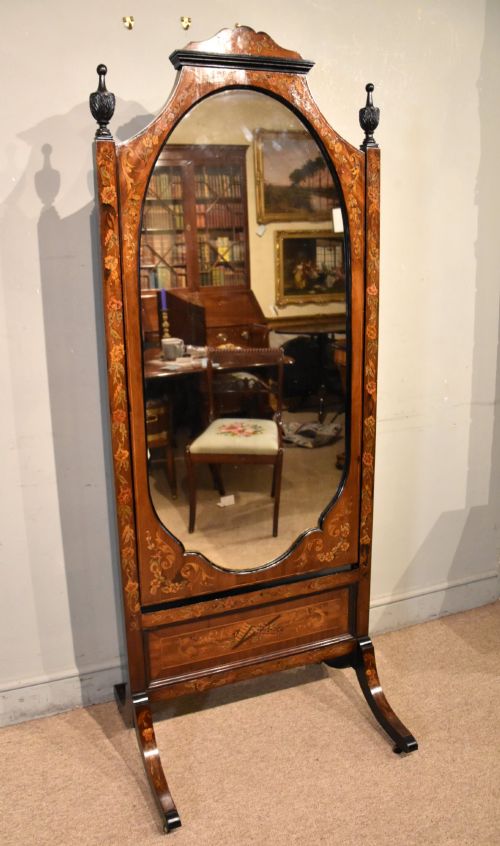
Makers of the period utilised various timber forms, most notably mahogany, alongside oak and satinwood, occasionally incorporating delicate inlay work. These mirrors stand independently on the floor, allowing the user to tilt the glass plate to various angles for full-length viewing.
How they were made
The construction relies on sturdy cabinet-making techniques to support the heavy glass plate within a wooden frame, utilising mortise and tenon joints for stability. Timber sections such as mahogany, oak, and walnut are turned, carved, or flat-veneered to create the uprights and floor bases.
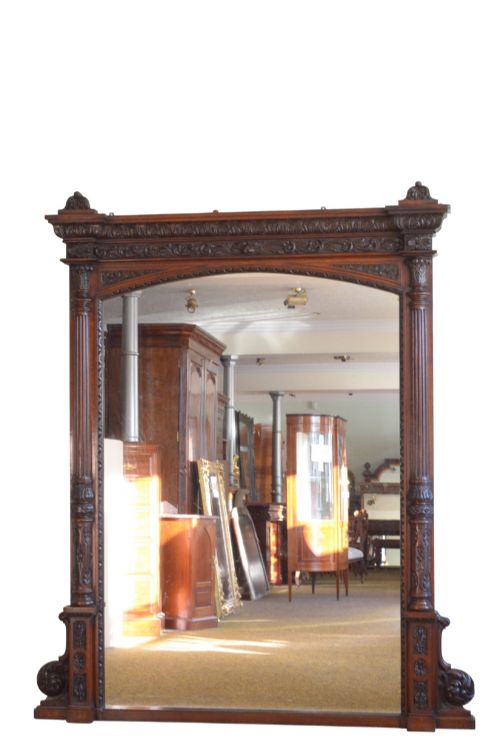
Giltwood and gesso finishes appear on ornate frames, applied over carved wooden foundations to yield a reflective metallic sheen. The mirror glass itself is secured into the pivoting frame with wooden beads or backing boards.
Materials recorded across the available pieces include brass, gesso, giltwood, mahogany, oak, satinwood, and pitch pine.
What varies in quality
The degree of craftsmanship shows in the crispness of the timber carving, the choice of figured veneers such as burr walnut or satinwood, and the weight of the supporting brass pivots. Finer examples maintain smooth movement in the swing mechanism without sagging or slipping from the chosen angle.
The clarity and depth of the glass plate itself differentiate standard utility mirrors from higher-end commission pieces. Solid framing timbers and substantial base construction provide the necessary counterweight to prevent tipping during adjustment.
Gillow·Waring and Gillow
The Edwardian Floor Mirror Glossary
- Cheval mirror
- A freestanding full-length mirror suspended on pivots within a vertical frame. This allows the glass plate to swing back and forth.
- Gesso
- A plaster-like mixture applied to wood surfaces as a base for gilding or painting. It is often modelled into high-relief decorative scrolls and motifs.
- Inlay
- Contrasting strips of wood or shell inserted into the primary timber surface to create linear patterns. Edwardian makers frequently used satinwood for this decorative detailing.
- Barley twist
- A structural support turned in a spiral fashion resembling a twisted rope. This technique appears frequently on Victorian and Edwardian uprights.
Edwardian Floor Mirror: Frequently Asked Questions
What is an edwardian floor mirror?
An edwardian floor mirror is a tall, freestanding glass panel mounted in a pivoting wooden frame that lets the user adjust the viewing angle.
Most examples from this period use mahogany frames, sometimes featuring subtle inlay work and supported on sturdy floor feet or trestle bases.
How do you use a cheval mirror?
A cheval mirror stands directly on the floor without needing wall fixings, making it straightforward to position in a bedroom or dressing room.
You simply tilt the central glass plate on its side pivots to find the correct angle for a full-length reflection.
Are these mirrors heavy?
These pieces possess substantial weight due to the combination of thick timber frames, supporting stands, and large glass plates.
Floor-standing models require a stable base to ensure the pivoting frame remains secure during daily adjustment.
What woods were used?
Cabinet makers utilised a range of durable timbers, with mahogany being particularly common for Edwardian and Victorian floor mirrors.
Other examples incorporate oak, walnut, pitch pine, and satinwood, often selected for their distinct grain patterns or suitability for carving.