
Edwardian Flame Mahogany
Edwardian flame mahogany brings striking, figured timber and refined cabinet-making into domestic spaces.
Edwardian Flame Mahogany
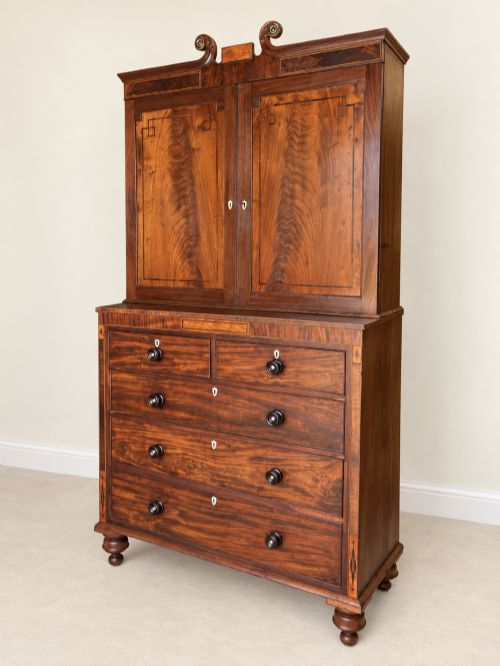
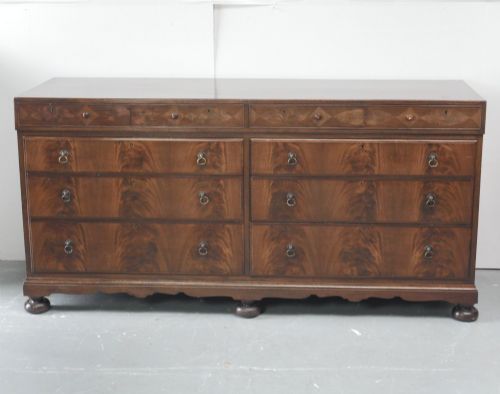
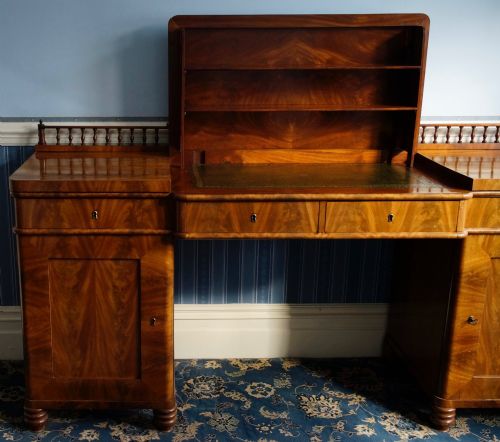
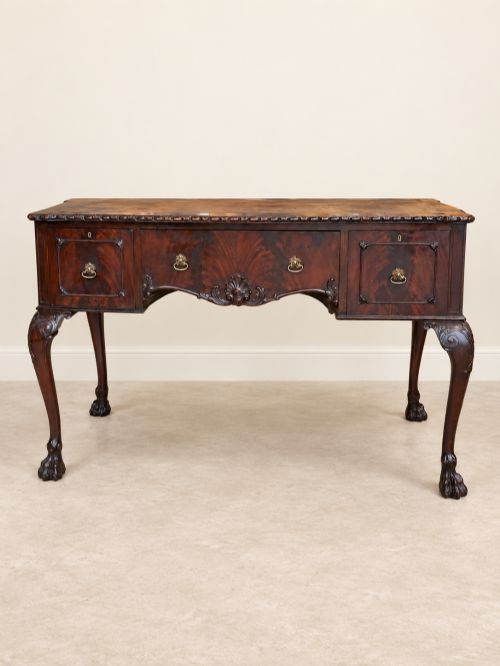
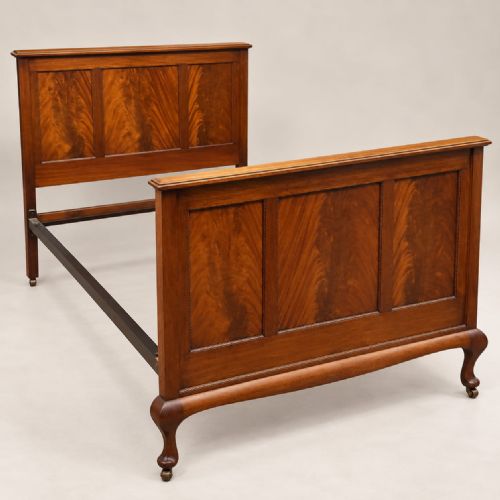
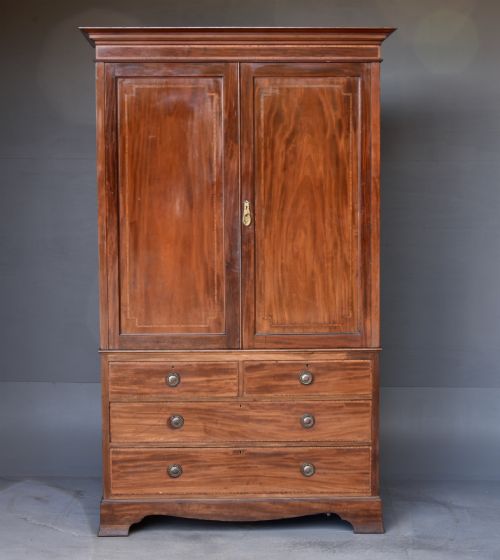
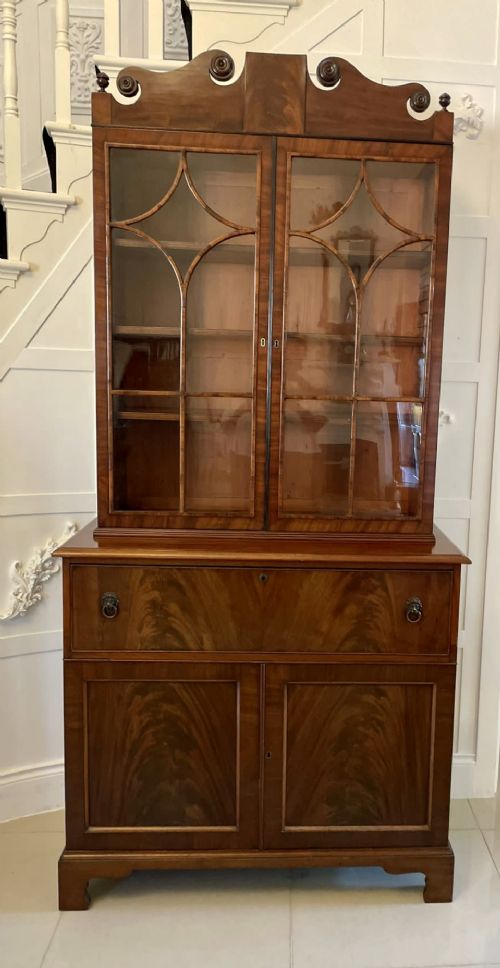
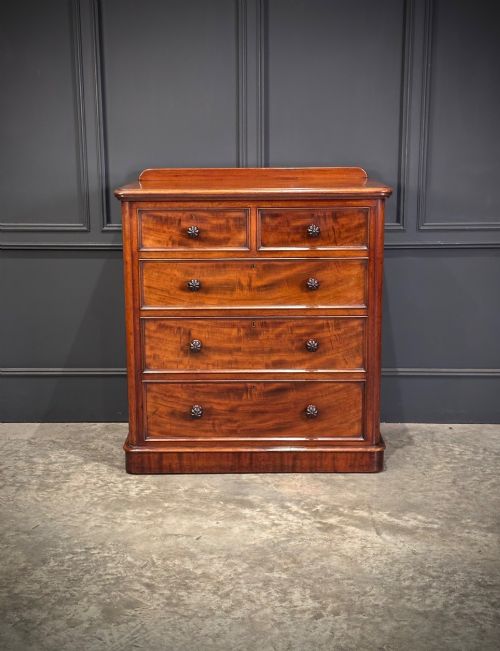
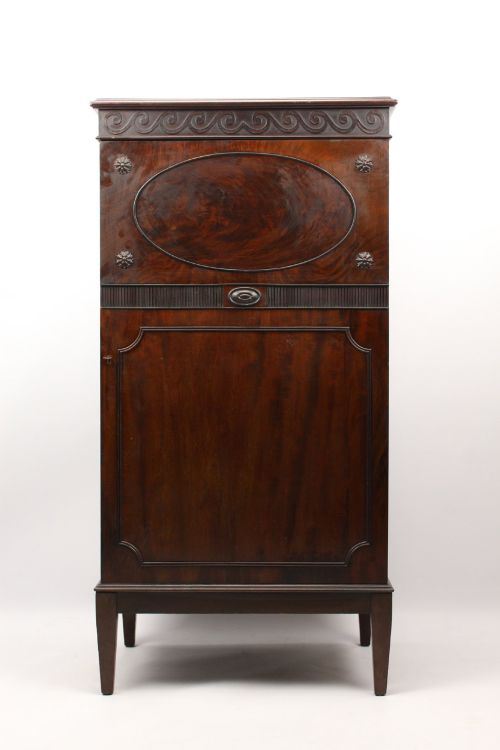
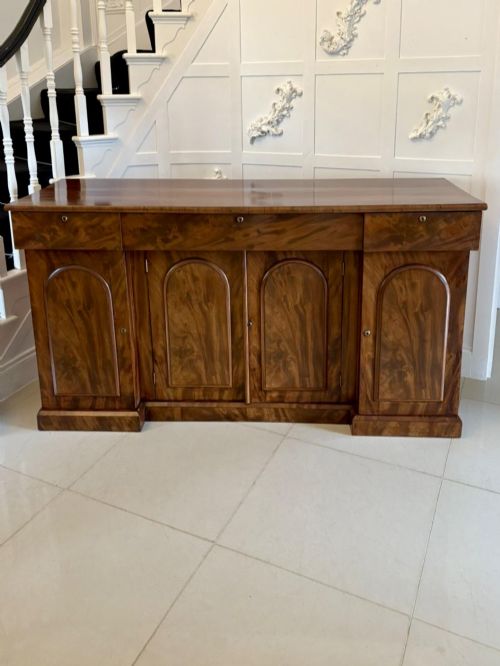
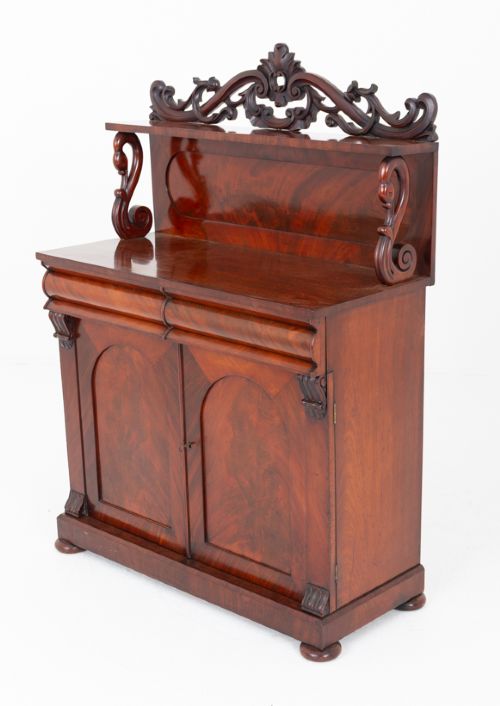
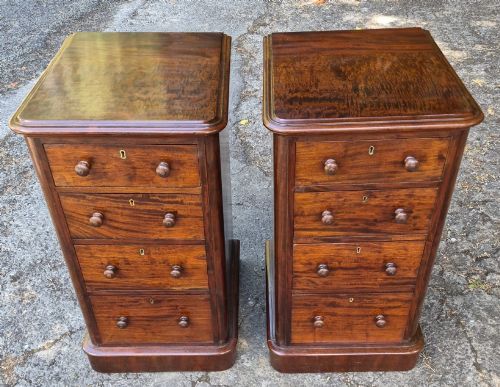
Pieces searched under edwardian flame mahogany span functional household furniture produced around the start of the twentieth century, utilising timber sliced to reveal deep, swirling grain patterns. Buyers encounter large wardrobes, chests of drawers, sideboards, and revolving bookcases originating from this period.
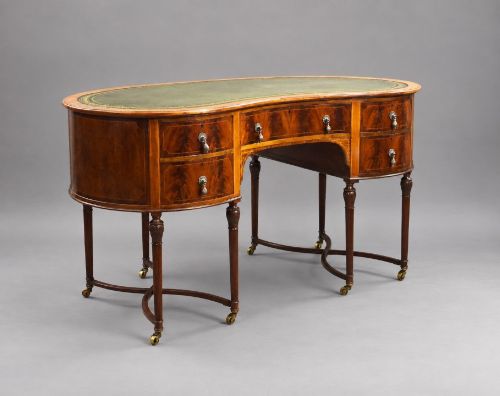
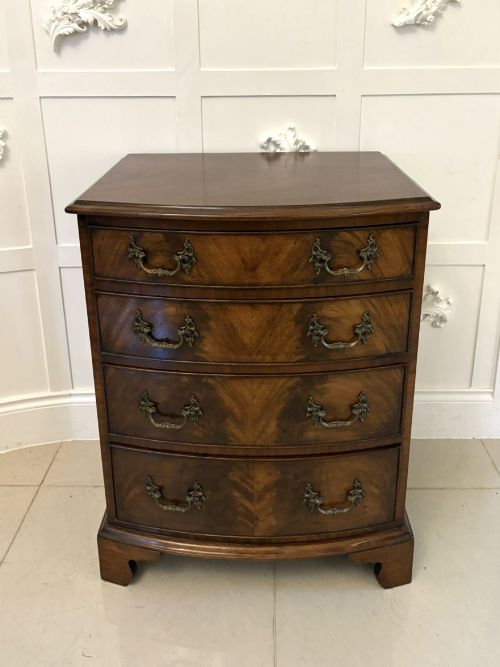
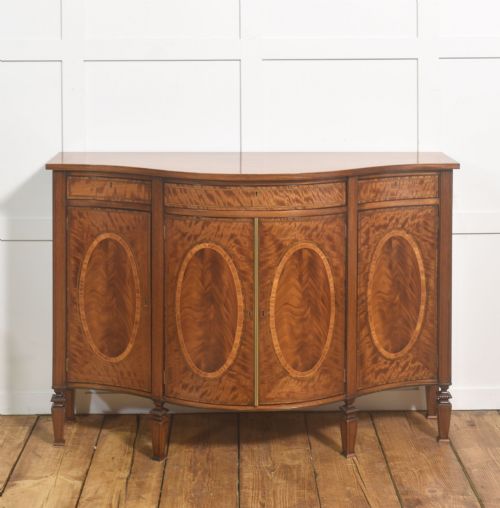
The version most frequently met on this page is the bow-front chest of drawers or wardrobe, alongside writing desks and occasional tables. Makers of the era often applied these veneers over solid secondary woods to create dramatic visual movement on curved and flat surfaces alike.
Cabinet makers also deployed satinwood stringing and brass hardware to complement the dark, reddish-brown tones of the veneer. These items reflect a revival of Georgian and Regency tastes adapted for Edwardian drawing rooms and bedrooms.
How they were made
Craftsmen created flame mahogany by cutting veneers from the fork of the mahogany tree where branches met the trunk, producing a characteristic rippled, fire-like pattern. These thin sheets of wood were carefully laid onto stable base timbers such as oak or pine.
Workers secured the veneer using animal glues and hand-pressed the surfaces to prevent bubbling, often framing the panels with contrasting satinwood or boxwood stringing. French polishing was then applied in multiple layers to seal the timber and deepen the contrast of the grain.
Revolving bookcases let bookish Edwardians spin a mini library with one finger while sitting fireside.
What varies in quality
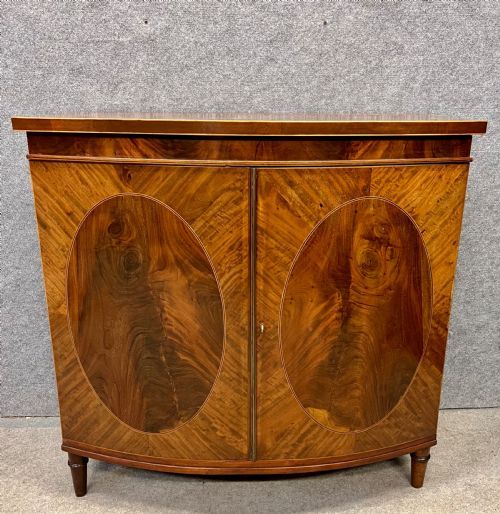
The calibre of edwardian flame mahogany furniture depends heavily on the symmetry and placement of the veneer figures across the piece. Superior examples display book-matched grain that mirrors itself across drawer fronts or cabinet doors, creating a deliberate, harmonious composition.
Construction methods also dictate worth, distinguishing workshop-produced items from mass-manufactured goods through hand-cut dovetails in the drawer construction and substantial secondary woods. Original brass fittings, working locks with keys, and minimal patching to the delicate veneer elevate the standard of surviving pieces.
Whytock and Reid·maples and co·Denby and Spinks·Wylie and Lochhead·T. Inglesant and Sons·Marsh Jones and Cribb·Waring and Gillows
The Edwardian Flame Mahogany Glossary
- Flame mahogany
- A veneer cut from the branch junction of a mahogany tree that creates a rippled, flickering grain pattern resembling fire. Cabinet makers prized this figure for prominent surfaces on high-end Edwardian furniture.
- Stringing
- Narrow inlaid lines of contrasting light wood, such as satinwood, embedded into the surface of a dark timber panel. It provides a crisp border around drawers and tabletops.
- Bow front
- A convexly curved front surface common on chests of drawers and sideboards. This shape highlights the sweeping movement of flame mahogany grain.
- Book-matching
- A method of arranging two adjacent veneer sheets sliced from the same log so that they mirror each other. The technique produces a symmetrical pattern resembling an open book.
Edwardian Flame Mahogany: Frequently Asked Questions
How do I identify flame mahogany?
Look for distinctive, swirling grain patterns that resemble flickering flames across the polished wooden surface. This appearance comes from specific cuts taken near the branch forks of the tree.
Makers arranged these distinctive wood slices symmetrically on drawer fronts and cabinet doors to catch the light from different angles.
Where were these pieces used?
Edwardian households placed these items in bedrooms, drawing rooms, and hallways as functional storage and display furniture. Wardrobes and chests organised clothing, while revolving bookcases sat conveniently beside armchairs.
Public reception rooms often featured sideboards and serving trolleys designed to assist with hosting guests and dining.
How do I care for the veneer?
Keep the timber away from direct sunlight and strong heat sources to prevent the glue beneath the veneer from drying out and lifting. Dust the surface regularly with a soft, dry cloth.
Apply occasional coats of traditional beeswax to nourish the French polished finish and maintain the depth of the mahogany colour.
Are these items Edwardian or Georgian?
Most pieces matching this description date from the Edwardian era around nineteen hundred, though they frequently imitate earlier Georgian and Regency designs. Makers of the early twentieth century revived classical proportions and curved fronts.
Examining the secondary woods, drawer constructional details, and interior linings helps distinguish original eighteenth-century furniture from Edwardian revivals.