


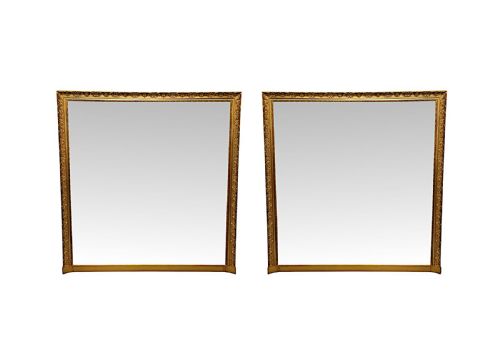


Edwardian Fireplace Mantel
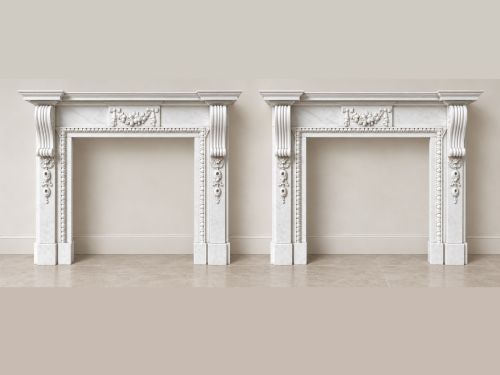
An Edwardian fireplace mantel anchors a room with architectural presence, whether formed in carved white marble or warm oak.
Edwardian Fireplace Mantel
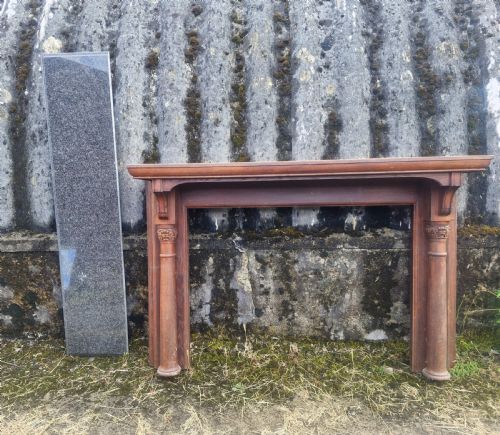
When searching for an Edwardian fireplace mantel, you encounter structural fire surrounds alongside related overmantel mirrors and mantel clocks from the period. The selection includes solid oak surrounds, some incorporating granite tops, alongside carved white marble designs.
While the inventory spans Victorian and Edwardian periods with pieces dated from eighteen sixty to nineteen twenty, the specific Edwardian examples focus on oak and marble architectural surrounds. These items originate from a period spanning the late nineteenth and early twentieth centuries, capturing both neoclassical restraint and regional crafting traditions.
Materials and construction methods
Makers utilised timber such as oak and walnut, often shaping them into substantial fire surrounds and overmantel frames. Stone also played a primary role, seen in carved white marble fireplaces and granite components.
Decorative surfaces frequently combined wood and gesso, finished with gold leaf or paint. Metal mounts in bronze and brass appear on associated mantel pieces, while mirror glass forms the central plates of overmantels.
Edwardian Fireplace Mantel Retail Price Guide 2026
Typical asking prices for edwardian fireplace mantel among the pieces listed under this phrase on Sellingantiques today, from the lower quarter to the upper quarter. They describe what is for sale here now, not the wider market.
Listings feature oak, walnut, rosewood, and white marble, demonstrating the diverse palette of domestic interiors from the period.
Assessing craftsmanship and finish
Quality reveals itself in the depth and precision of the carving across wood and marble surfaces. Crisp architectural mouldings and balanced proportions distinguish finer examples from simpler utilitarian pieces.
The integrity of the surface finish dictates overall merit, particularly the preservation of original gilding, gesso work, and polished stone. Heavier timber construction and integrated granite tops signal robust domestic manufacture.
The Edwardian Fireplace Mantel Glossary
- Overmantel mirror
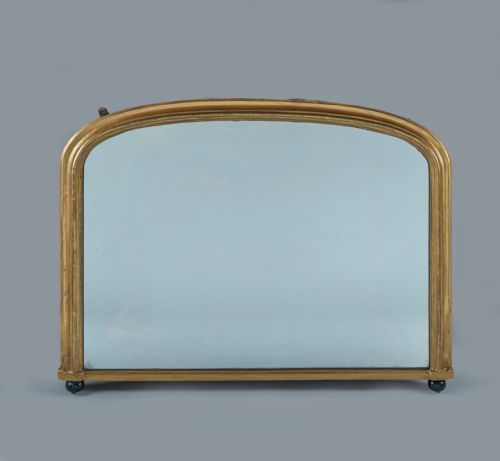
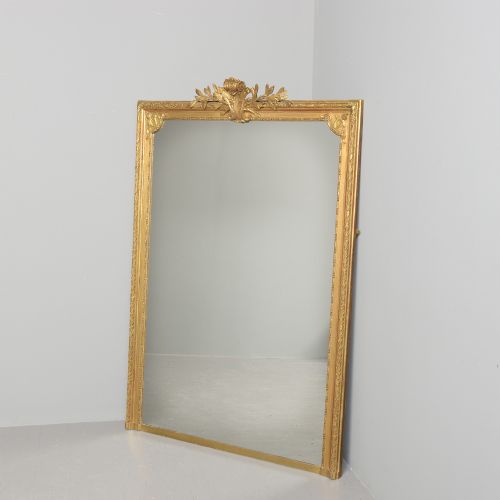
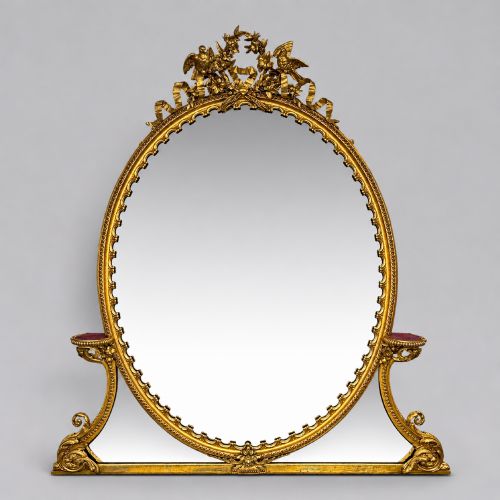
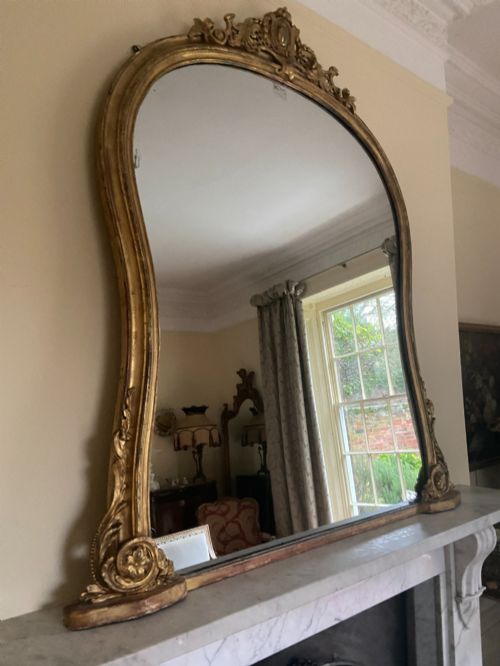
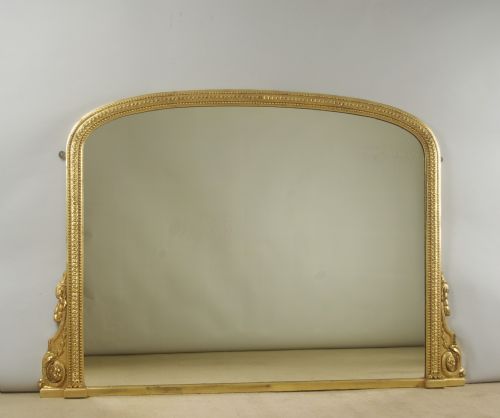
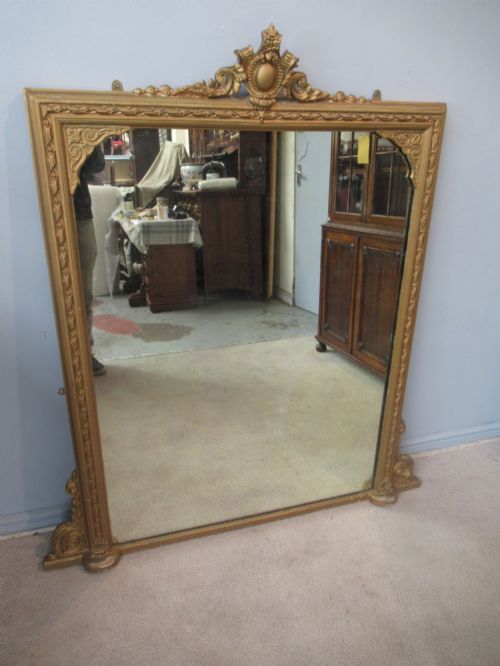
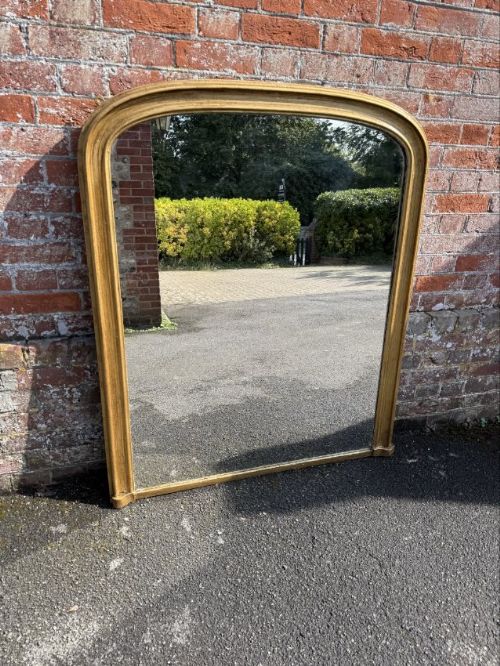
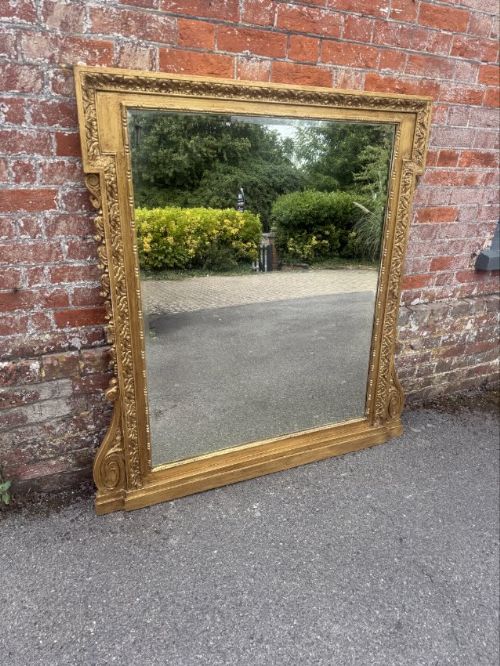
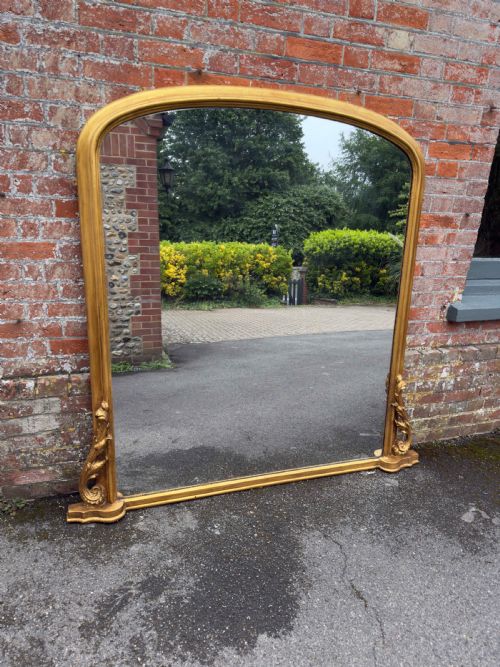
- A large mirror designed to hang or stand directly upon a fireplace mantelpiece. These pieces often feature arched tops and elaborate giltwood frames.
- Gesso
- A plaster-based material applied to wood before gilding or painting to create smooth surfaces for relief decoration. It allows for intricate moulding details on ornate frames.
- Fire surround
- The decorative architectural framework enclosing the opening of a fireplace. Materials range from carved oak and walnut to white marble and granite.
- Giltwood
- Timber that has been coated with a thin layer of gold leaf. This finish provides a luminous, reflective quality to mirror frames and decorative woodwork.
Edwardian Fireplace Mantel: Frequently Asked Questions
What defines an Edwardian fireplace mantel?
An Edwardian fireplace mantel typically displays the architectural proportions and materials characteristic of the early twentieth century. These architectural elements focus on solid timber construction or carved white marble.
Surrounds from this era often incorporate functional stone components like granite tops alongside straightforward woodwork. Their design reflects a shift towards simpler domestic interiors compared to heavily ornamented Victorian predecessors.
How do I choose between wood and marble?
Choosing between wood and marble depends on the desired weight and visual texture within a room. Oak and walnut offer warmth and pronounced grain, suiting panelled or traditional spaces.
White marble provides a cooler, more classical focal point with distinct veining. Both materials require consideration of their surrounding hearth and overall room scale.
Were overmantel mirrors part of the mantel?
Overmantel mirrors were designed specifically to complement the fireplace mantel directly beneath them. They shared stylistic traits such as giltwood frames, arched tops, and carved wooden detailing.
While physically separate items, they functioned together as a unified visual composition on the chimney breast. Their scale matched the width of the mantel shelf below.
How do I care for antique wood surrounds?
Antique wood surrounds require minimal intervention to preserve their original finish and patina. Regular dusting with a soft cloth prevents particle buildup on carved details.
Avoid commercial liquid polishes that can degrade historic wax or shellac coatings. Maintaining stable indoor humidity protects the timber from splitting or warping over time.