



Edwardian Extendable Dining Table
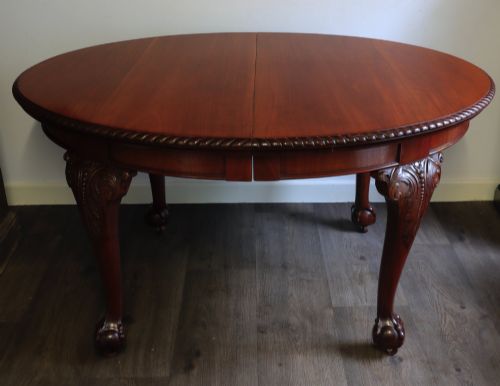
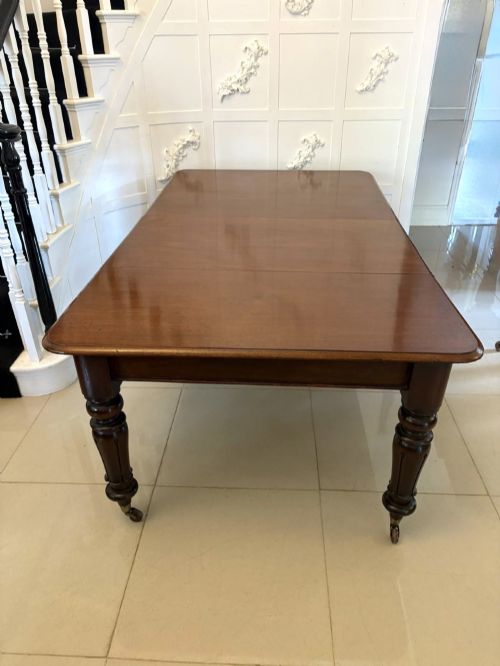
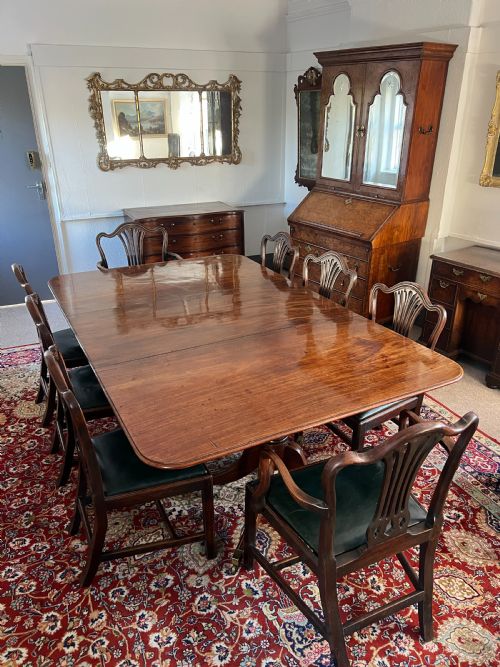
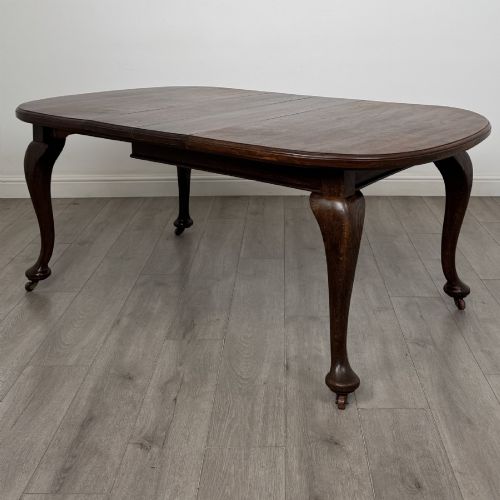
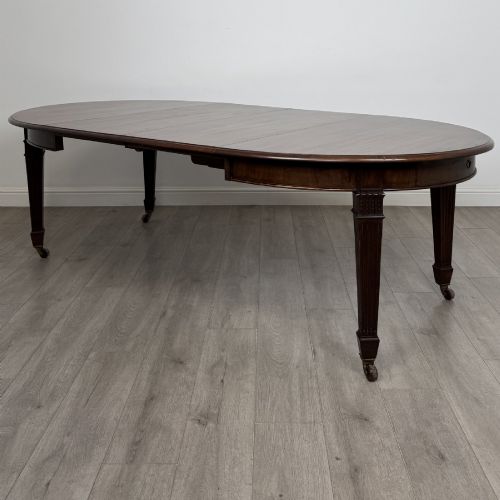
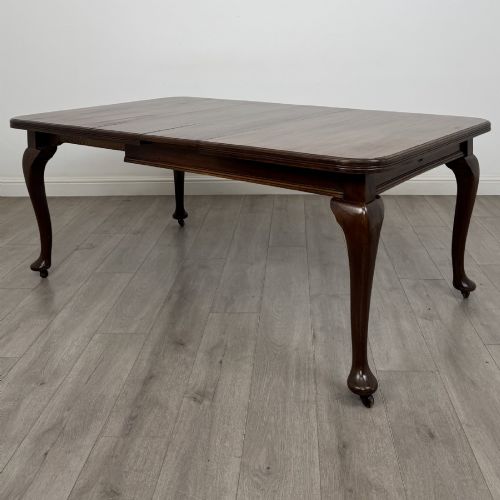
An edwardian extendable dining table brings adaptability and rich timber grain to the room, ready to seat a crowd at a moment's notice.
Edwardian Extendable Dining Table
When searching for an edwardian extendable dining table, buyers encounter pieces designed to expand for hosting guests while retaining domestic proportions for daily use. The selections on this page span the Edwardian era alongside surrounding periods like the nineteenth century, Georgian, and 1920s.
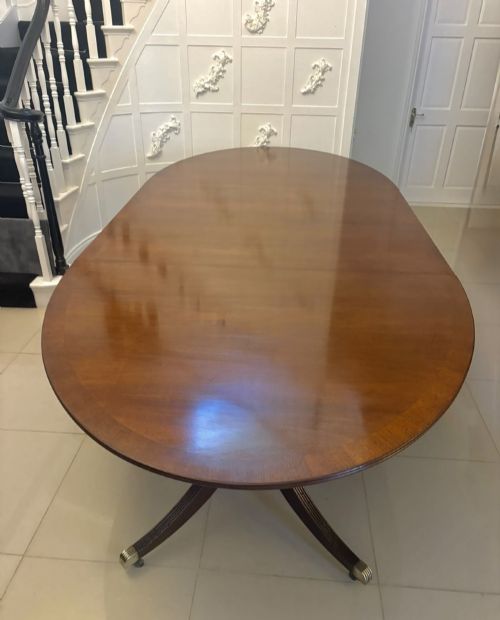
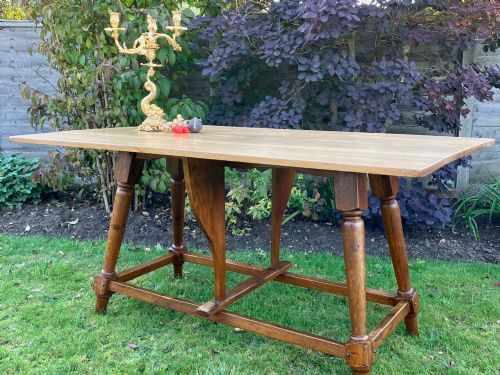
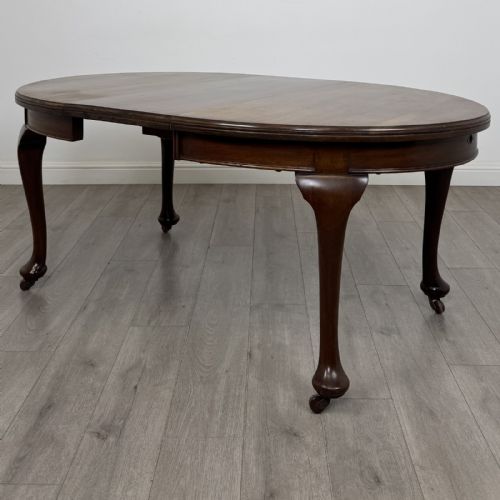
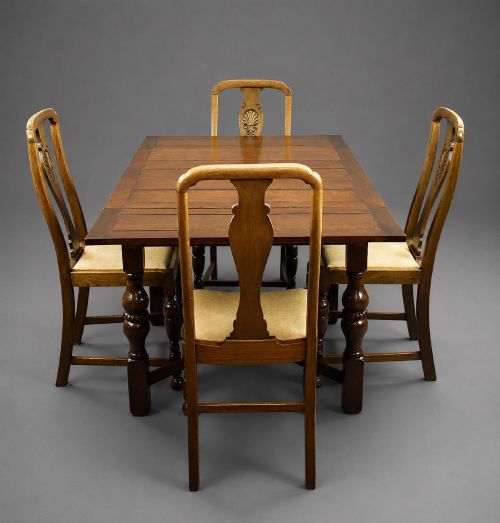
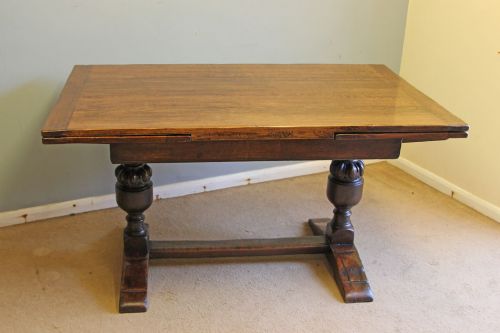
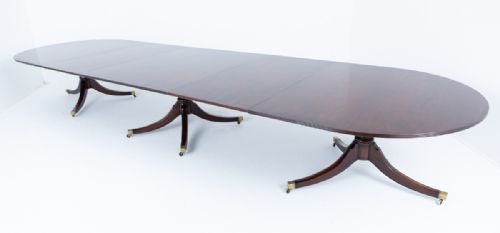
Forms vary significantly across the inventory, ranging from classic mahogany twin pedestal and triple pedestal designs to oak refectory tables, gateleg tables, and drop-leaf formats. Many incorporate winding mechanisms and extra leaves to alter the length according to the occasion.
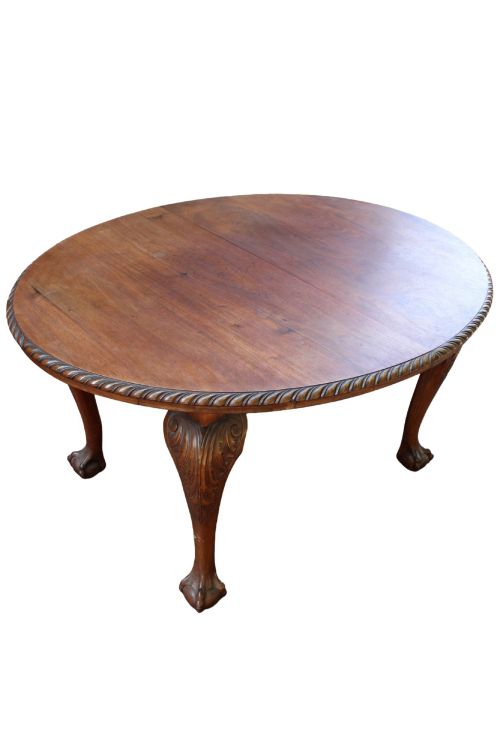
Stylistic influences stretch from plain utilitarian formats to revival aesthetics such as Jacobean, Chippendale, and Sheraton Revival, often utilising inlaid satinwood or brass details alongside solid timbers.
What varies in quality
The sophistication of the extending mechanism dictates much of the utility, with smooth wind-out systems and well-fitted extra leaves representing finer craftsmanship. Timber selection also separates standard pieces from superior examples, particularly where figured mahogany or detailed satinwood inlay is employed.
Structural integrity depends heavily on the execution of the base, whether a solid split base, twin pedestals, or robust gateleg supports that must bear the weight of extended leaves without sagging.
Edwardian Extendable Dining Table Retail Price Guide 2026
Typical asking prices for edwardian extendable dining table among the pieces listed under this phrase on Sellingantiques today, from the lower quarter to the upper quarter. They describe what is for sale here now, not the wider market.
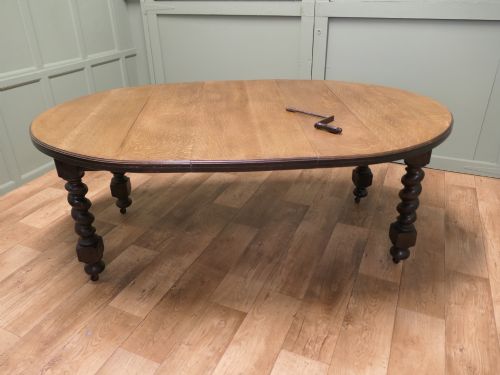
Several tables conceal their expanding intentions entirely until a brass handle appears to wind the timber apart.
Whytock and Reid of Edinburgh·Maple and Co·Waring and Gillow
The Edwardian Extendable Dining Table Glossary
- Wind out
- A mechanical system operated by a handle that separates the table halves to insert additional leaves. This mechanism relies on internal metal threaded rods and wooden runners.
- Pedestal
- A central column support resting on legs, often double or triple in larger dining tables to distribute weight evenly.
- Drop leaf
- A table featuring a fixed centre section and hinged flaps that fold down when not in use. These are supported by swing legs or gates.
- Gateleg
- A table construction where hinged legs swing outward like a gate to support folding leaves. This design allows for compact storage.
- Inlay
- A decorative technique where contrasting timbers or materials such as satinwood and brass are inserted into recesses in the wood surface. It defines revival styles.
Edwardian Extendable Dining Table: Frequently Asked Questions
How do wind out dining tables operate?
These tables use an internal metal screw mechanism operated by a detachable handle. Turning the handle drives the wooden runners apart to create a gap for the leaves.
Once the gap matches the width of the leaves, they drop into place and lock securely. The mechanism requires occasional lubrication to maintain smooth daily operation.
How should I care for a mahogany dining table?
Polished timber surfaces respond best to regular dusting with a soft, dry cloth and occasional applications of traditional beeswax. Avoid placing hot dishes or damp items directly onto the polish.
Keep the table away from direct heat sources and strong sunlight to prevent the timber from drying out or fading unevenly over time.
What is the difference between pedestal and refectory tables?
Pedestal tables feature one or more central columns supporting the top, which leaves ample legroom around the perimeter. They are typical of formal mahogany dining designs.
Refectory tables rely on trestles or fixed corner legs connected by stretchers, offering a sturdier, vernacular appearance often associated with oak farmhouse styles.
How do I seat more guests using extra leaves?
To expand the table, release any under-table latches and wind the top open using the designated socket. Insert the matching leaves into the centre opening and wind the table back together.
Ensure the brass clips or alignment pins engage properly before placing heavy table settings across the joins. Store unused leaves flat in a dry environment to prevent warping.