


Edwardian Engraved Pendant
An edwardian engraved pendant brings together delicate chased metalwork and personal symbolism, offering a wearable piece of history.
Edwardian Engraved Pendant
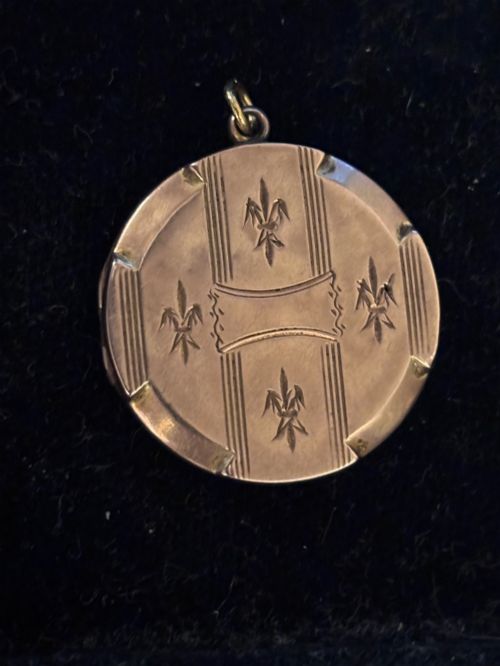
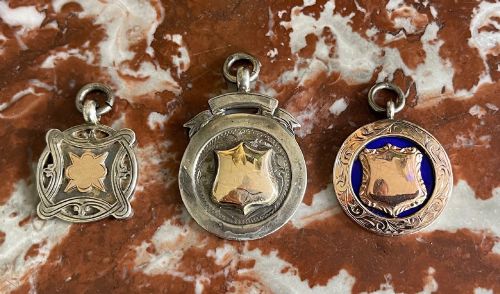
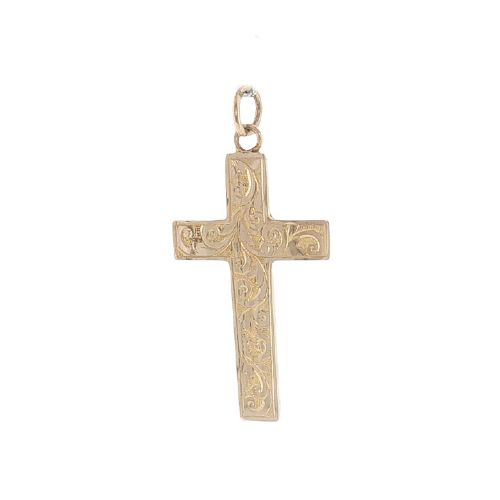
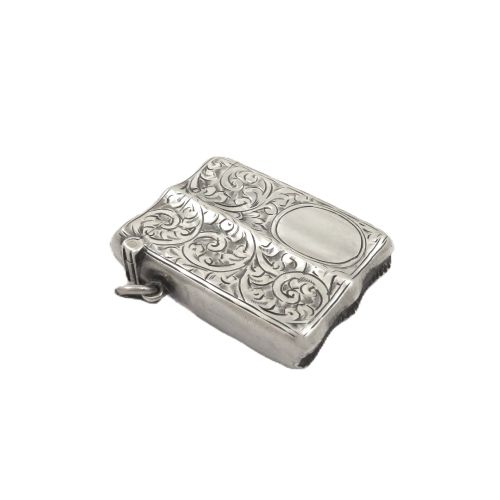
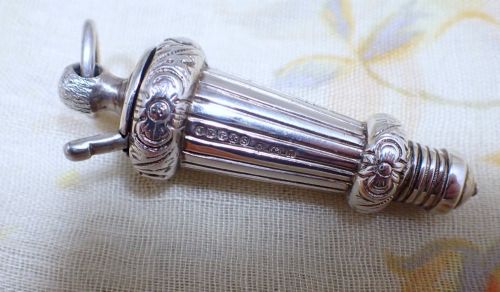
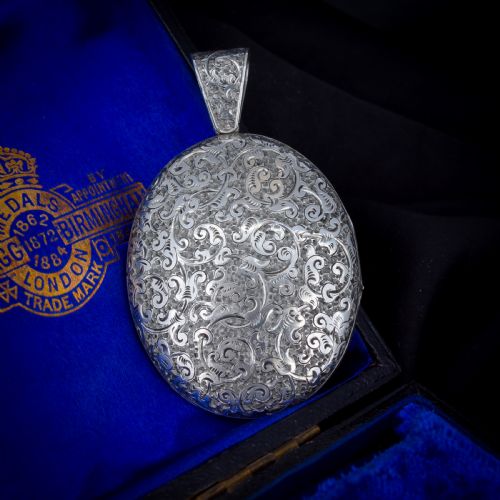
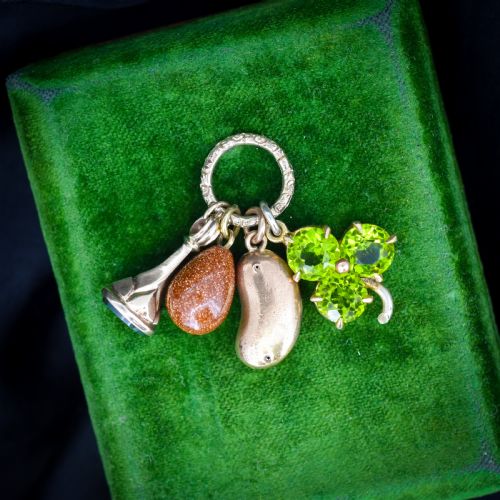
An edwardian engraved pendant encompasses a variety of hinged lockets, crosses, and medals produced in the early twentieth century. These small ornaments often feature detailed surface decoration including scrolls, birds, and floral motifs.
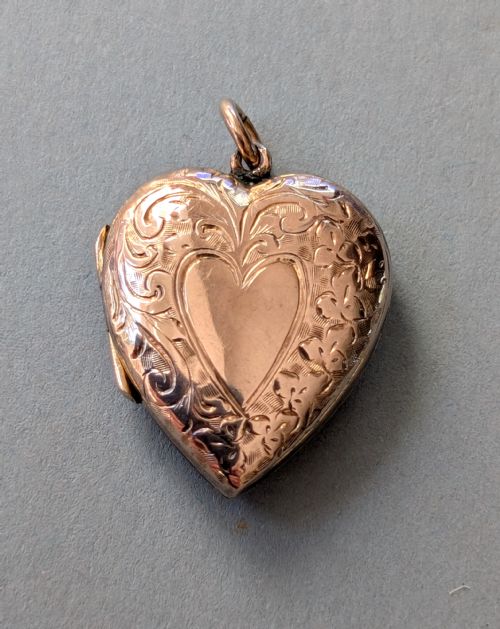
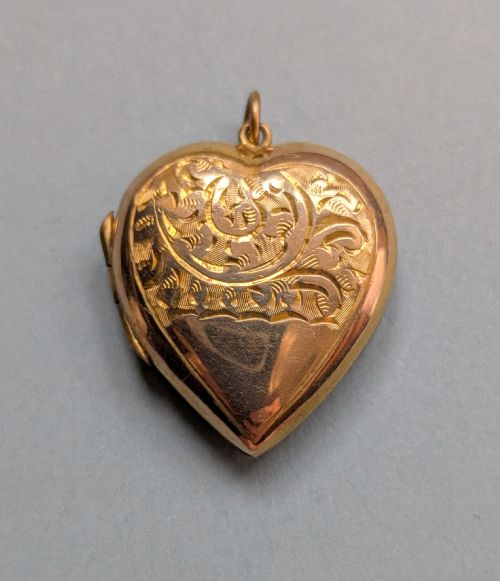
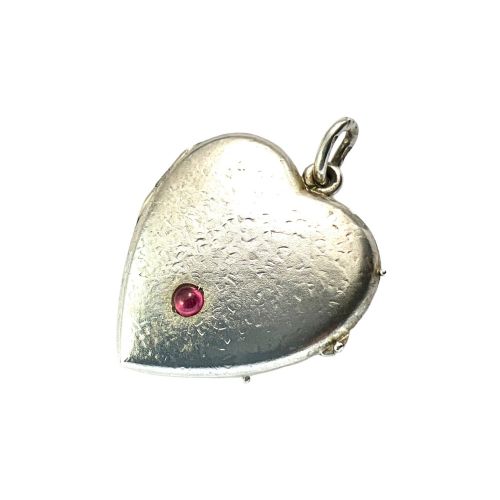
The pieces most frequently met on this page include heart-shaped lockets and circular gold or silver pendants bearing crisp floral engraving. Many items from this period served practical or sentimental functions, such as holding photographs or small keepsakes.
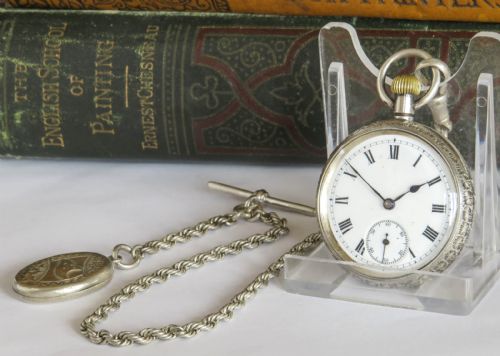
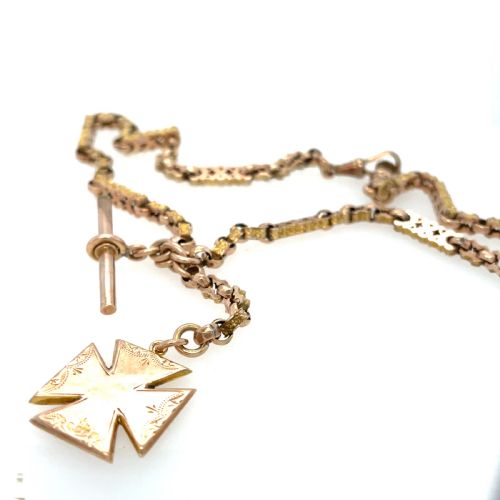
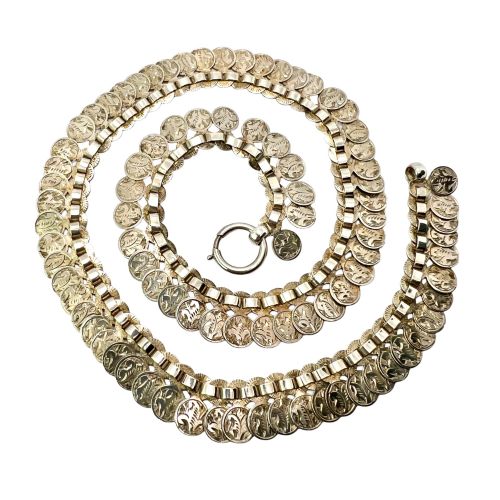
Makers utilised different gold carats alongside sterling silver to form these objects, frequently pairing them with matching chains or chatelaine attachments.
Materials and construction
Metals such as sterling silver, 9ct rose gold, and high carat yellow gold form the structural body of these items. Jewellers shaped these materials into hollow lockets, solid crosses, and hinged cases.
Surface patterns were achieved through hand engraving, where sharp tools cut scrolling foliage, birds, and monograms directly into the metal. Enamel accents and small gemstones like turquoise, rubies, and old cut diamonds were occasionally flush set into the gold or silver.
Some lockets hide miniature photograph frames designed to flip open like tiny velvet-lined books.
Judging the work
The depth and clarity of the hand engraving distinguish finer examples from mass produced items. Crisp, deep cuts that define floral wreaths and swallows remain sharp even after decades of wear.
Construction quality shows in the strength of the hinges, the snug closure of the locket halves, and the integrity of the original jump rings. Well made pieces retain their structural balance and precise alignment when shut.
Crisford and Norris·Albert Ernest Jenkins·Henry Charles Freeman
The Edwardian Engraved Pendant Glossary
- Locket
- A hinged pendant designed to open and enclose small photographs or hair mementoes. These often feature engraved front panels.
- Vesta case
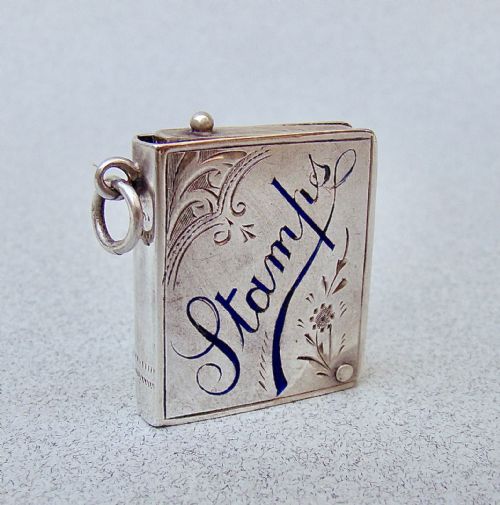
- A small pocket container originally used for holding matches, frequently decorated with engraved scrollwork. Many double as unusual pendants.
- Back and front
- A construction method where the exterior sheets are precious gold over a base metal core for added rigidity. This technique kept the piece lightweight for daily wear.
- Albert chain
- A short watch chain designed to pass through a waistcoat buttonhole, often suspending decorative fobs and pendants. These are found in silver and various gold carats.
- Sovereign case
- A round metal container engineered to hold British gold sovereign coins securely. They often feature spring-loaded mechanisms and engraved exterior designs.
Edwardian Engraved Pendant: Frequently Asked Questions
What fits inside an edwardian engraved pendant?
Lockets from this era typically contained small paper photographs, dried flowers, or woven locks of hair behind thin glass frames or metal retaining rims.
The interior space is shallow, meaning mementoes must be trimmed precisely to fit within the perimeter of the case.
How do I clean an engraved silver pendant?
Silver items benefit from gentle washing in warm soapy water using a soft brush to lift dirt from the engraved recesses. Avoid harsh chemical dips that strip the natural dark patina from the fine lines of the hand engraving.
Gold pieces require only a soft cloth to maintain their polished finish.
Can I wear an edwardian pendant every day?
These historical items withstand regular wear when handled with care, particularly solid gold and heavy gauge silver examples. Hinges and catch mechanisms should be checked periodically by a jeweller to prevent accidental loss.
Lighter back and front items require more caution against heavy knocks.
How do I identify edwardian hallmarks?
British pieces often bear town marks, date letters, and purity stamps struck directly onto the metal surface or interior rims. These small symbols indicate the assay office, such as Birmingham or Chester, and the year of manufacture.
Unmarked items rely on stylistic cues and metal testing for period attribution.