








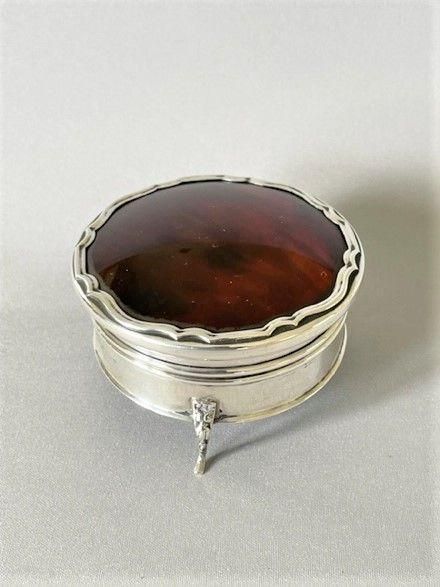
Edwardian Dressing Box
An edwardian dressing box sits on the table to hold small valuables, trinkets, and cosmetics with period style.
Edwardian Dressing Box
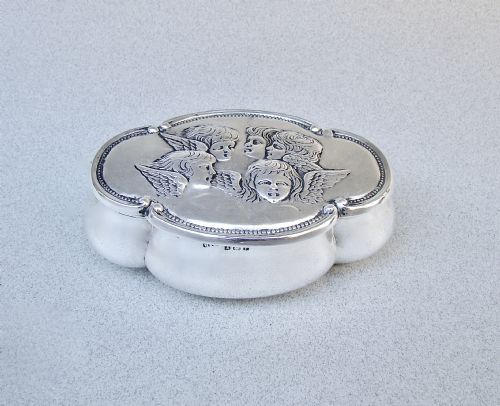
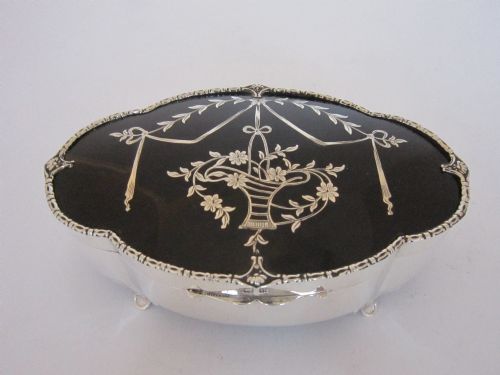
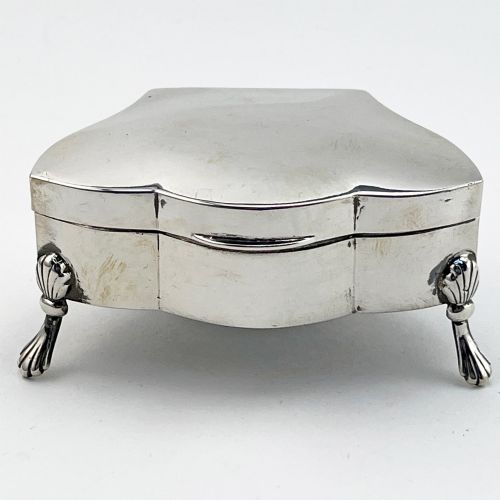
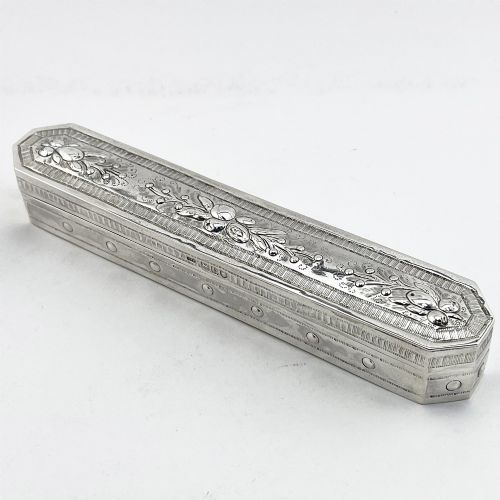
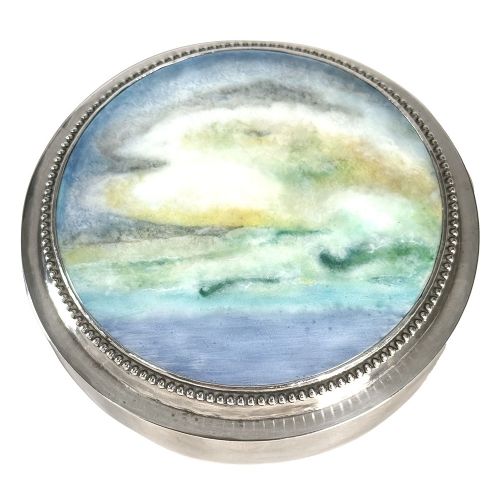
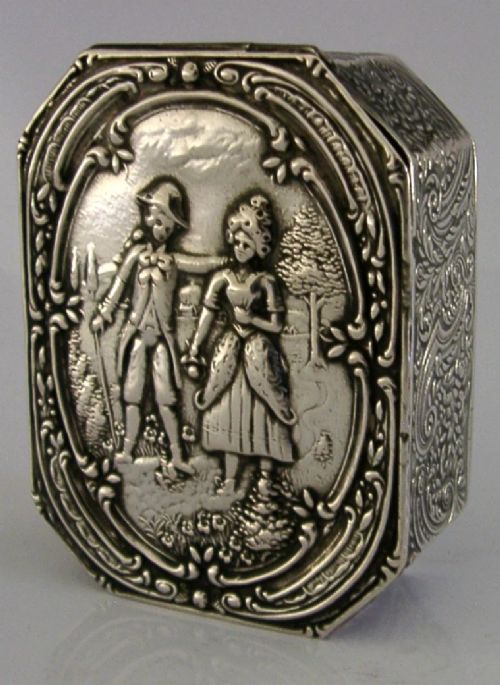
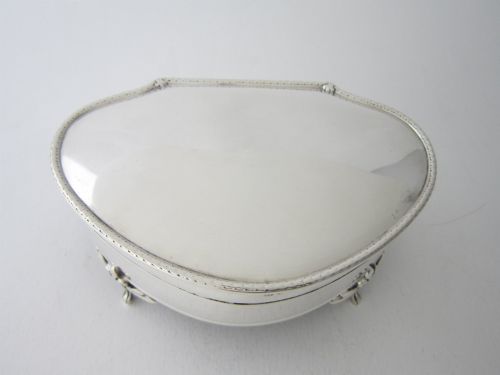
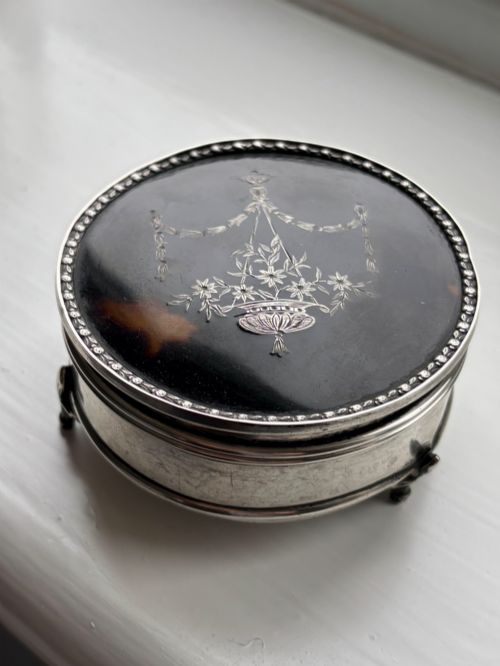
An edwardian dressing box encompasses a variety of small caskets, vanity jars, and trinket containers designed for the dressing table. Most examples on this page date from the early twentieth century, taking the form of silver-mounted glass jars, hinged boxes with tortoiseshell panels, and velvet-lined jewellery caskets.
Forms range from heart-shaped trinket pots and cut glass vanity jars to large fitted boxes with internal compartments. Makers constructed these pieces to organise rings, cufflinks, and cosmetics, frequently mounting them with sterling silver lids or incorporating hand-painted porcelain plaques.
How They Were Made
Silversmiths shaped sterling silver for mounts, lids, and frames, often applying guilloche enamel or hand-hammered Arts & Crafts finishes. Workshops combined these metal elements with cut glass, satin glass, and solid mahogany or oak carcasses.
Craftsmen utilised organic materials like tortoiseshell and mother-of-pearl for pique work inlay and decorative panels. Fitted interiors typically employed velvet, silk, or leather linings to protect delicate jewellery and trinkets.
Edwardian Dressing Box Retail Price Guide 2026
Typical asking prices for edwardian dressing box among the pieces listed under this phrase on Sellingantiques today, from the lower quarter to the upper quarter. They describe what is for sale here now, not the wider market.
Listings feature sterling silver, tortoiseshell, cut glass, and mahogany, spanning the Victorian, Edwardian, and George V periods.
What Varies in Quality
The weight and gauge of the sterling silver mounts dictate much of the substance in these boxes. Thicker metal resists denting and provides a more substantial feel in the hand.
Artistic execution creates a distinct division between standard production pieces and finer works. Hand-painted enamel plaques, intricate pique work, and signed maker mounts elevate an ordinary container into a notable piece of craftsmanship.
Guild of Handicrafts·Ollivant & Botsford·Henry Clifford Davis·J C Vickery·A Bromet & Co·William Comyns·Mappin & Webb·William Hutton·Elkington & Co
The Edwardian Dressing Box Glossary
- Guilloche enamel
- A decorative technique where an engine-turned metal surface is covered with translucent enamel, allowing the geometric pattern beneath to show through. This method appears frequently on Edwardian and George V silver vanity jar lids.
- Pique work
- The art of inlaying tiny gold or silver pins into tortoiseshell or ivory to form delicate motifs. It is often seen on the lids of luxury trinket boxes from this period.
- Cut glass
- Glassware shaped and patterned by abrasive wheels to create deep facets that catch the light. Vanity jars of this type utilise heavy-cut crystal bases beneath silver collars.
- Sterling silver
- An alloy consisting of ninety-two point five percent silver and seven point five percent other metals, typically copper. British pieces feature hallmarks indicating the assay office and date letter.
Edwardian Dressing Box: Frequently Asked Questions
How do I date an edwardian dressing box?
Examine the hallmarks stamped on the sterling silver mounts, which indicate the assay office, standard mark, and date letter corresponding to specific years.
Style clues such as Art Nouveau curves or geometric George V lines also help narrow down the period of manufacture.
What were these boxes used for originally?
These containers held small personal items like rings, hairpins, cufflinks, and cosmetics on the dressing table.
Larger fitted boxes organised entire sets of vanity jars and jewellery for daily grooming routines.
How should I clean the silver mounts?
Use a soft cloth and a gentle silver polish specifically formulated for antiques to remove tarnish from the metal surfaces.
Take care to avoid getting polish on enamel, glass, or tortoiseshell panels, as these require separate, milder cleaning methods.
Are tortoiseshell lids fragile?
Tortoiseshell requires careful handling because it can dry out, warp, or crack if exposed to direct sunlight or extreme humidity changes.
Keep these pieces in stable indoor environments away from heat sources to preserve the organic material.