



Edwardian Drawers and Cabinet
Edwardian drawers and cabinet pieces combine functional storage with refined period timber work, offering practical organisation and traditional British craftsmanship.
Edwardian Drawers and Cabinet
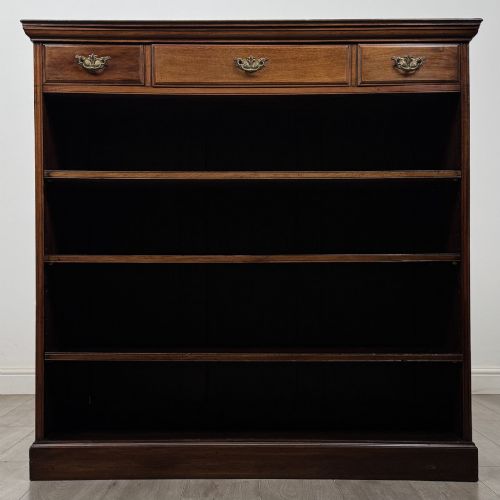
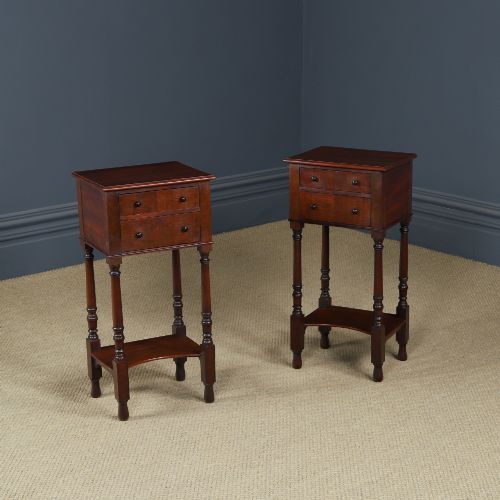
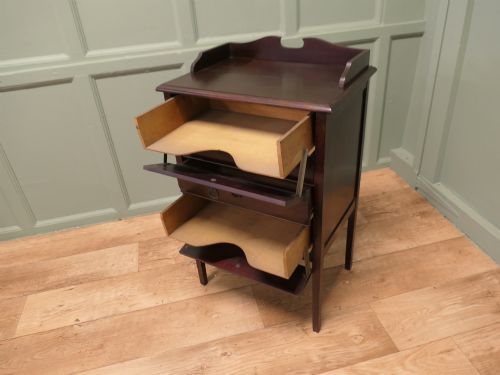
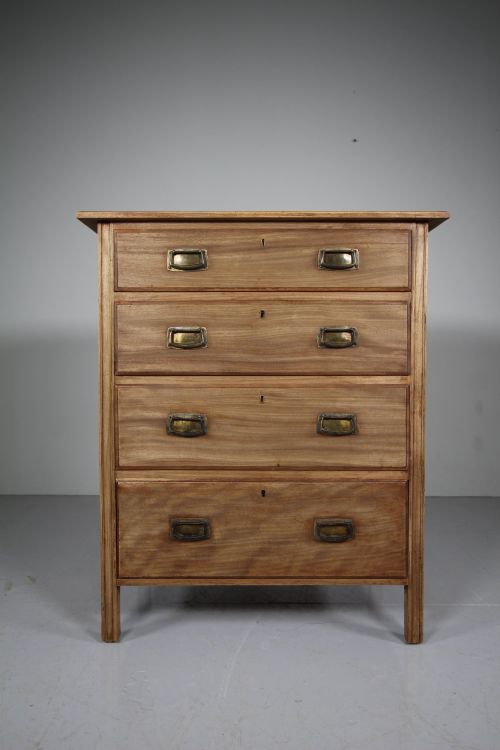
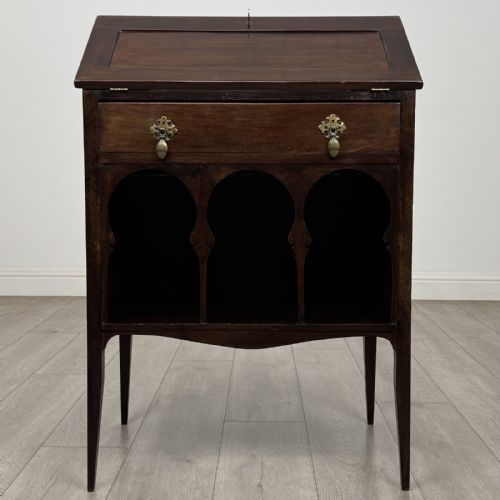
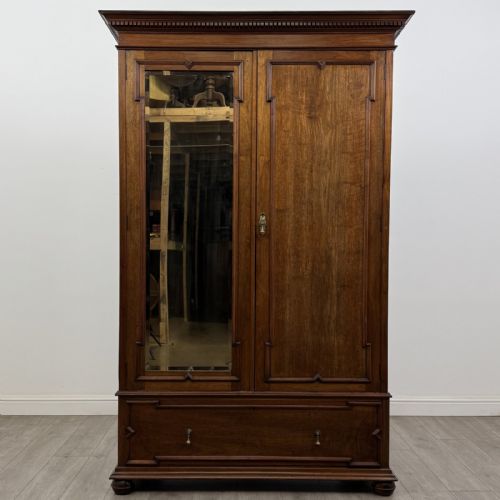
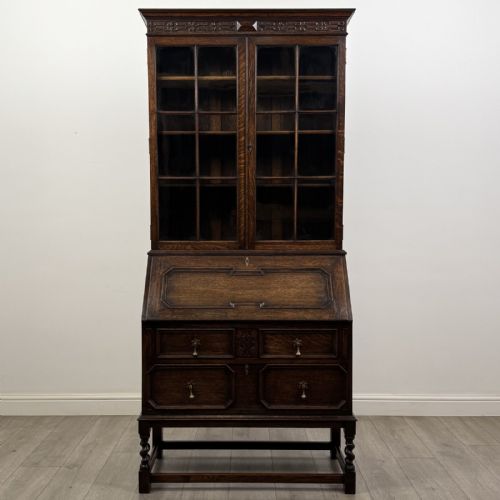
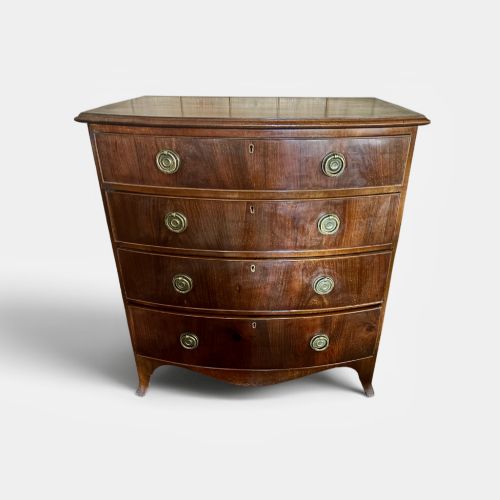
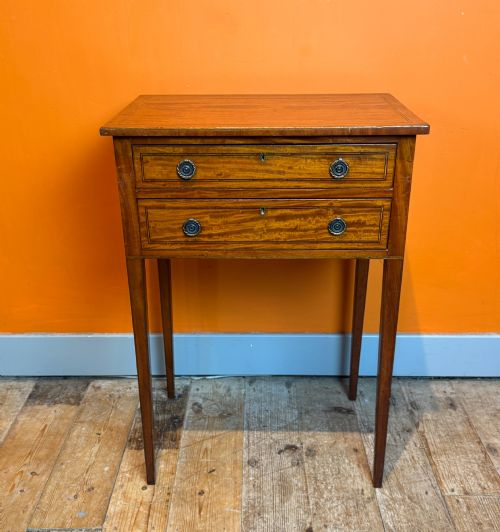
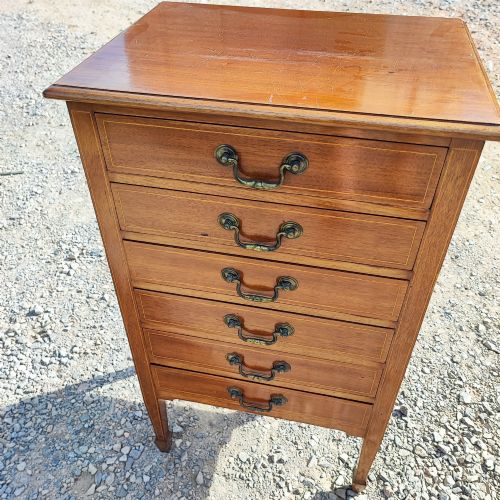
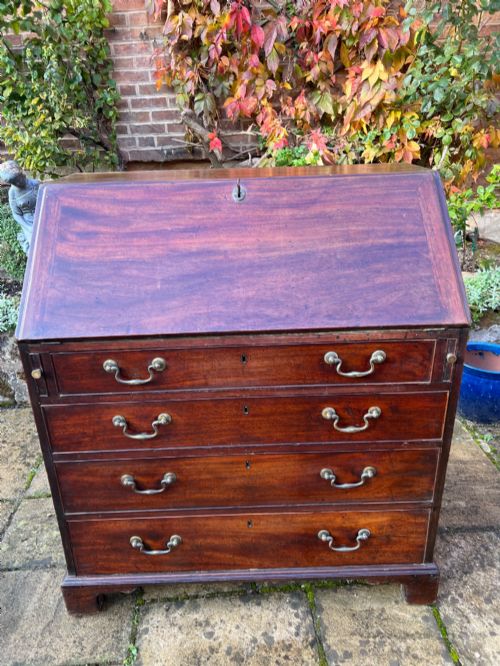
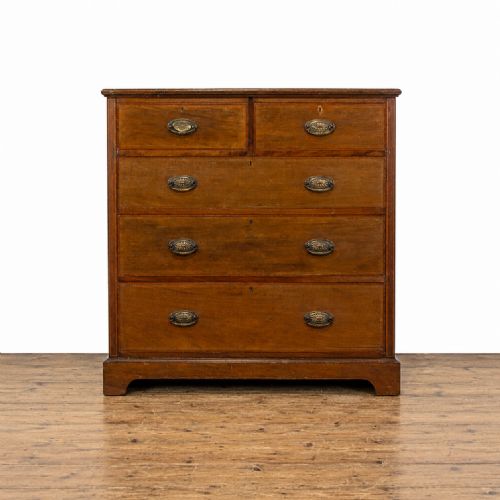
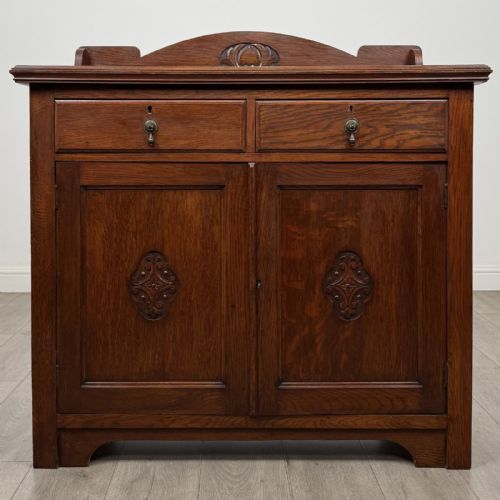
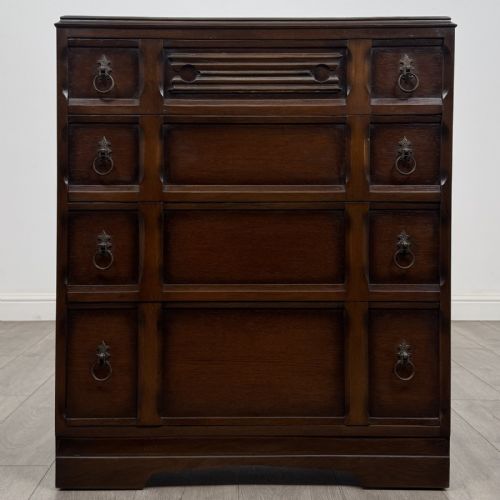
When you search for edwardian drawers and cabinet designs, you encounter practical storage furniture that spans the Edwardian era, surrounding early twentieth century decades, and late Victorian periods. The selections range from compact bedside chests and music cabinets to tall oak filing furniture, sideboards, and glazed bookcases.
Mahogany and oak dominate the forms, frequently incorporating raised galleries, brass handles, and inlaid satinwood or rosewood details. Buyers frequently find smaller scale items such as lamp tables with drawers, alongside larger storage cupboards and bureau desks built for domestic utility.
Materials and Construction
Cabinet makers utilised solid oak and mahogany as primary structural woods, often accentuating surfaces with burr walnut, satinwood veneers, and delicate string inlay. Brass hardware provides functional pulls and key escutcheons across drawers and cabinet doors.
Construction techniques include traditional joinery paired with carved surface details, linenfold panels, and structural bracket feet. Glazed sections in bookcases and cabinets utilise timber framing to house glass panels securely.
Edwardian Drawers and Cabinet Retail Price Guide 2026
Typical asking prices for edwardian drawers and cabinet among the pieces listed under this phrase on Sellingantiques today, from the lower quarter to the upper quarter. They describe what is for sale here now, not the wider market.
Listings feature items spanning the Victorian, Edwardian, and early twentieth century periods, constructed in oak, mahogany, walnut, and satinwood.
Grading Quality
Quality rests upon the selection of timber figures, such as burr walnut or figured mahogany, and the precision of inlaid decorative motifs. Finer pieces demonstrate careful attention to internal drawer construction and matching grain patterns.
The integration of original brass handles, well-fitted locking mechanisms, and carved elements like linenfold panels or raised galleries elevates the standard of a piece beyond plain utility.
Waring & Gillow
The Edwardian Drawers and Cabinet Glossary
- Raised gallery
- A low decorative railing or raised timber edge fitted to the top surface of a cabinet or chest of drawers to prevent items from sliding off.
- Linenfold
- A style of carved wooden panelling that resembles folded fabric, frequently seen on oak cupboards and bureau fronts from the period.
- Wellington chest
- A tall, narrow chest of drawers secured by a locking vertical side flap that fastens over the drawer edges.
- Music cabinet
- A specialised low cabinet featuring multiple shallow drop-front drawers designed to hold sheet music.
Edwardian Drawers and Cabinet: Frequently Asked Questions
How do I use an edwardian drawers and cabinet piece today?
These items integrate smoothly into modern rooms as bedside tables, hallway storage, or living room display units. Their compartments organise smaller household belongings while adding period character to domestic interiors.
Smaller drawer chests and music cabinets suit compact spaces, whereas larger sideboards and bookcases provide substantial storage for books and tableware.
What woods were used in these cabinets?
Carpenters primarily constructed these storage pieces from solid oak and mahogany, supplemented by decorative veneers like burr walnut and satinwood. Rosewood and brass details also appear frequently across handles and inlay work.
Selection of timber often defines the visual weight of the furniture, ranging from golden oak finishes to deep polished mahogany tones.
How do I distinguish Edwardian pieces from Victorian ones?
Edwardian furniture generally exhibits lighter proportions, simpler lines, and brighter satinwood or mahogany finishes compared to heavier, darker Victorian styles. Raised galleries and delicate string inlay are typical hallmarks of the Edwardian aesthetic.
Victorian pieces often display more robust construction, heavier mouldings, and darker polished surfaces, though stylistic overlap occurs around the turn of the century.
Are filing cabinets from this era practical?
Early twentieth century vertical filing chests and storage units offer durable wooden construction with multiple drawers suited for modern paperwork organisation. They bring traditional craftsmanship into home studies and offices.
These functional pieces combine mechanical utility with domestic furniture aesthetics, featuring panelled oak or polished mahogany exteriors.