
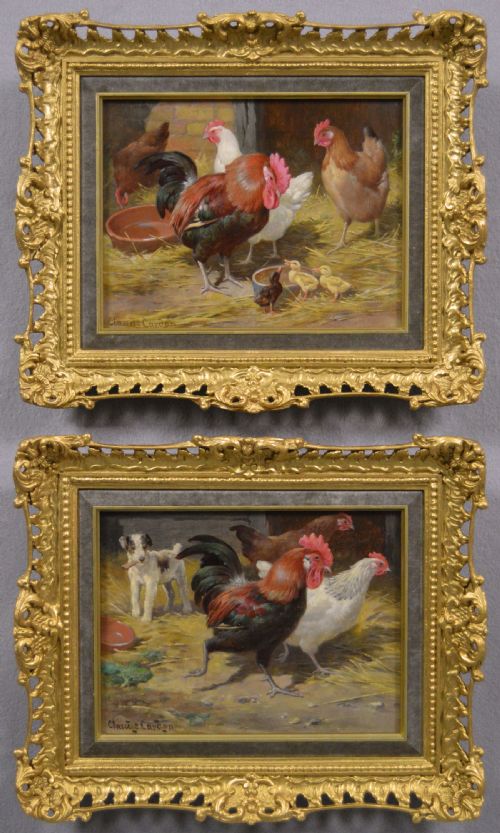


Edwardian Dog Picture
An edwardian dog picture captures canine character with period charm, offering buyers a delightful window into historical animal companionship through fine painting and printmaking.
Edwardian Dog Picture
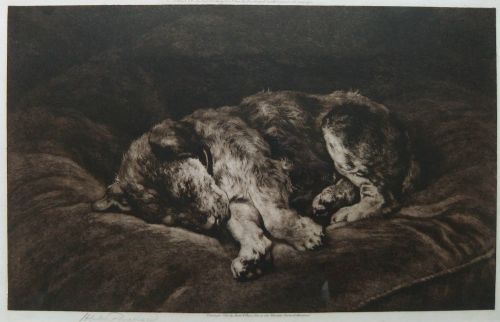
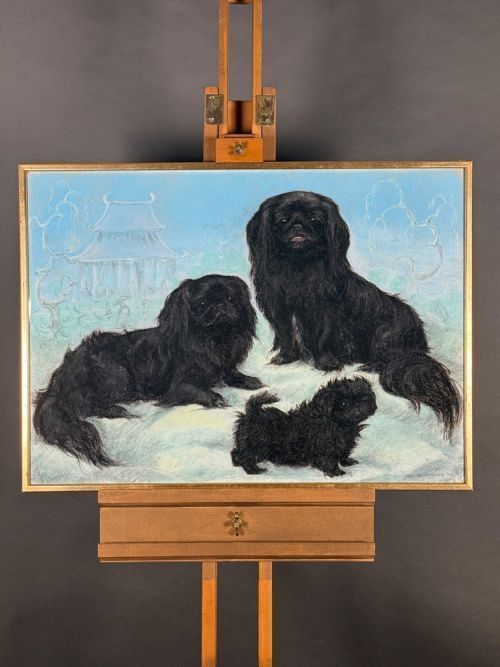
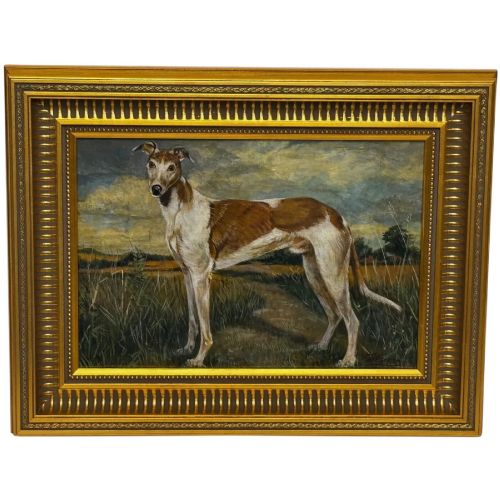
When you search for an edwardian dog picture, you encounter a focused selection of canine artworks originating primarily from the early twentieth century alongside adjacent Victorian pieces. The offerings span oil on canvas, delicate pastels, original etchings, and framed needlework textiles.
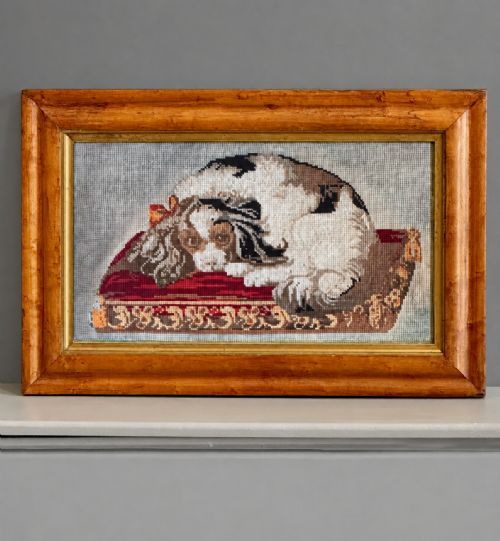
Most examples present straightforward animal portraits or sporting scenes executed within British artistic traditions. These works frequently depict individual breeds such as King Charles spaniels, Pekingese, lurchers, collies, retrievers, bulldogs, pugs, and West Highland terriers.
Beyond standalone portraits, dogs appear within broader pastoral, landscape, and hunting contexts created by period artists. The selection balances intimate domestic studies with vigorous sporting art reflecting contemporary tastes.
Materials and techniques
Makers utilised traditional artist materials including oil paint applied to canvas, watercolour and pastel on paper, and inked plates for original etchings. Framed pieces often incorporate period timber surrounds such as burr maple and giltwood moulding.
Needlework examples employ Berlin work techniques using wool and thread on canvas to render detailed canine subjects. Etchings rely on skilled printmaking methods on paper, frequently preserved beneath glass within custom frames.
Listings feature paper, glass, oil on canvas, wood, gold leaf, ink, canvas, and giltwood across the Victorian and Edwardian periods.
What separates the best from the rest
Quality rests in the anatomical accuracy of the animal rendering and the confidence of the artist's hand. Superior works capture distinct canine personality and texture rather than relying on formulaic repetition.
The integrity of the original framing, whether burr maple or giltwood, contributes significantly to the overall presence of the piece. Preservation of the paper, canvas, or textile surface without excessive restoration defines the better examples.
Herbert Dicksee·Claude Cardon·John Emms·Alfred Duke·Thomas Blinks·Samuel Fulton
The Edwardian Dog Picture Glossary
- Berlin work
- A type of nineteenth-century needlework using coloured wools on canvas guided by printed squared patterns. It allowed makers to create highly detailed pictorial scenes of animals.
- Etching
- A printmaking process where acid bites lines into a metal plate to hold ink for transfer onto paper. Original impressions display crisp plate marks and tonal depth.
- Pastel
- A dry medium consisting of powdered pigment and a binder rolled into sticks. It creates soft, velvety surfaces on paper requiring careful preservation under glass.
- Sporting art
- Depictions of animals, hunting, and rural pursuits associated with country life. These works emphasise movement, breed characteristics, and outdoor environments.
Edwardian Dog Picture: Frequently Asked Questions
What periods do these dog pictures cover?
The pieces span the late nineteenth century through to the early twentieth century, encompassing Victorian and Edwardian aesthetics.
While the core era focuses on the Edwardian decades, related works stretch from the 1880s into the 1920s.
How were these canine artworks displayed originally?
Period pictures were framed for domestic parlours and country houses, often using timber mouldings like burr maple or giltwood.
Watercolours and etchings were protected beneath glass to shield delicate paper from environmental damage.
Are these works hand-painted or printed?
The selection includes both unique hand-created pieces and original hand-pulled prints.
Artists utilised oils, watercolours, and pastels alongside original artist etchings created from inked metal plates.
Which dog breeds appear most frequently?
Portraits feature a variety of working, sporting, and companion breeds popular during the period.
Common subjects include spaniels, collies, terriers, retrievers, pugs, and sporting lurchers.