




Edwardian Dog Artwork
Edwardian dog artwork captures the distinctive bond between humans and hounds through oil paintings, pastels, watercolours and etchings.
Edwardian Dog Artwork
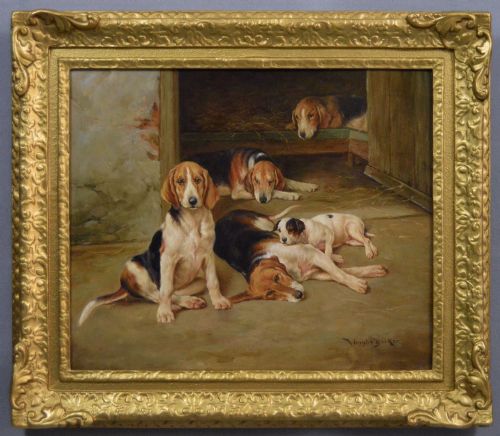
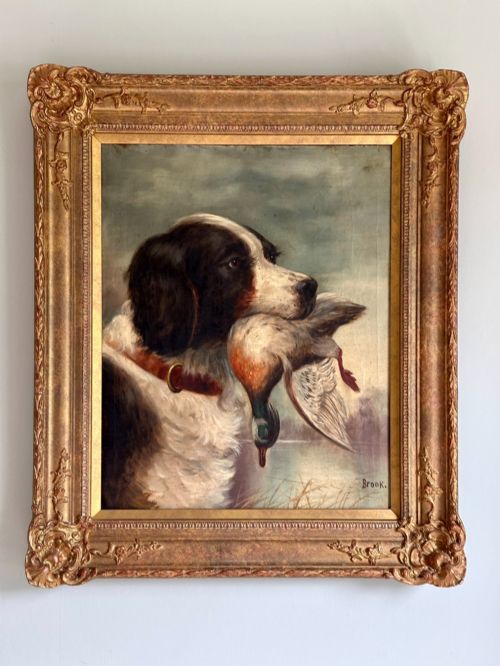
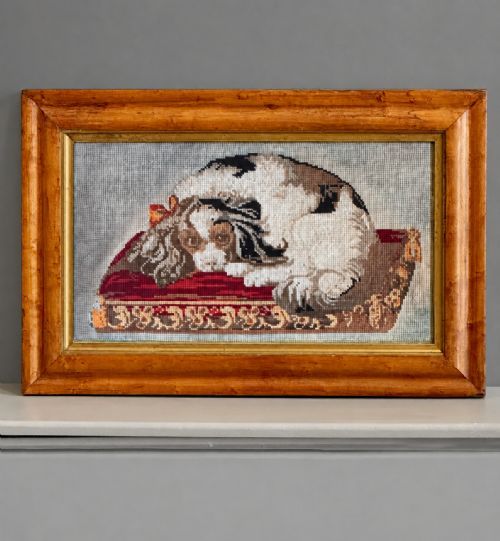
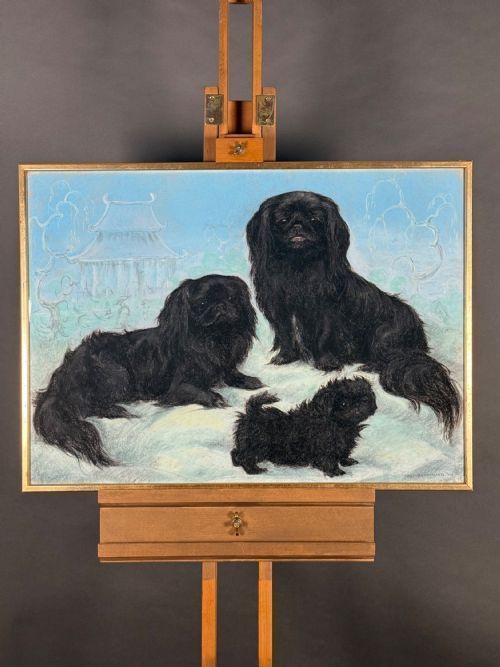
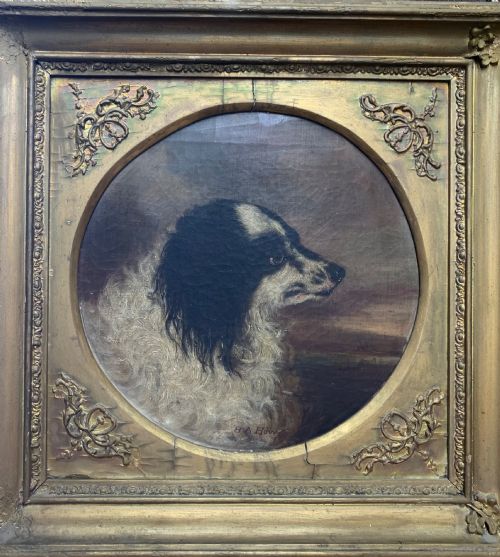
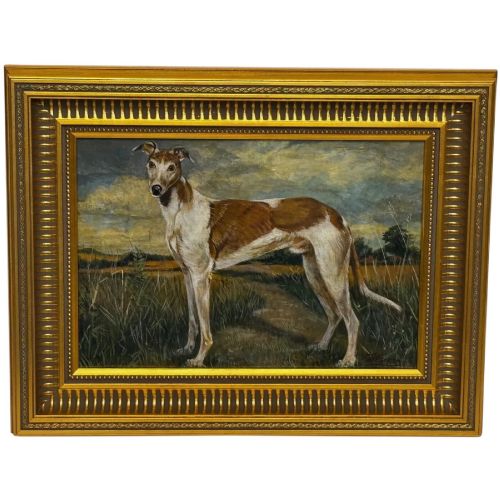
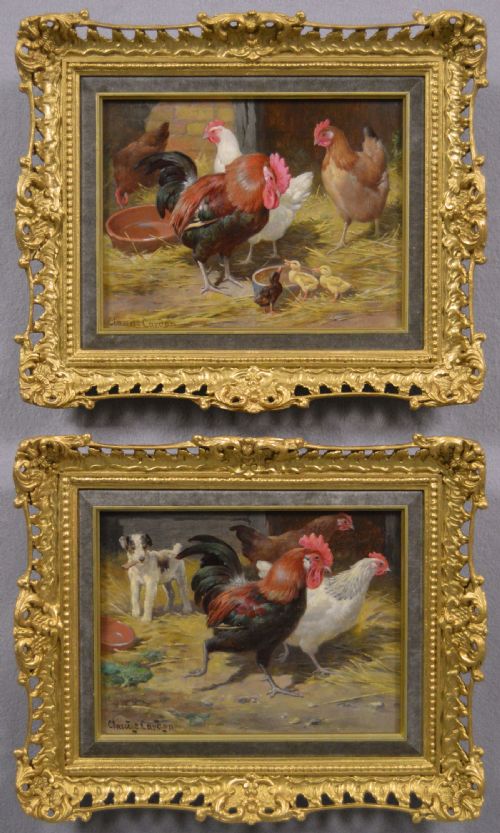
Edwardian dog artwork encompasses oil paintings, pastels, watercolours and original etchings created around the turn of the twentieth century. These pieces record beloved pets, working gundogs and champion sporting animals in varied domestic and rural landscapes.
The most common examples on this page are oil paintings on canvas and board alongside finely detailed etchings. Subjects range from solitary terriers and spaniels to complex sporting scenes involving hounds in the field.
How they were made
Artists utilised oil paint on canvas and board to build rich textures in coats and foliage, often applying gold leaf or housing works in giltwood and burr maple frames. Watercolours and pastels on paper offer softer tonal gradations for intimate domestic studies.
Printmakers employed etching techniques on paper to produce sharp, linear details that capture the distinct expressions of individual breeds such as bull terriers and Scottish terriers.
Edwardian Dog Artwork Retail Price Guide 2026
Typical asking prices for edwardian dog artwork among the pieces listed under this phrase on Sellingantiques today, from the lower quarter to the upper quarter. They describe what is for sale here now, not the wider market.
Canine subjects range from working gundogs in rugged moorland to pampered Pekingese posing indoors.
What varies in quality
Quality rests upon the artist's ability to render canine anatomy and individual character rather than mere technical neatness. Stronger examples display accurate bone structure, realistic fur textures and a convincing sense of movement.
The choice of medium and framing also influences the work, as original frames such as burr maple or giltwood complement the period integrity of the piece.
B A Howe·Claude Cardon·John Emms·Herbert Dicksee·Valentine Thomas Garland·John Trivett Nettleship·J Cecil Bradshaw·John Charles Tunnard·Alfred Duke·Sydney Kendrick·Thomas Blinks·Philip Eustace Stretton·Arthur Claude Strachan·Frank Owen Salisbury·Benedict Angell Hyland·William Albert Clark·Frank Dadd·Samuel Fulton
The Edwardian Dog Artwork Glossary
- Etching
- A printmaking method where lines are bitten into a metal plate with acid before ink is applied to paper. This technique allows for fine, intricate detail in animal fur.
- Pastel
- A medium consisting of powdered pigment bound into sticks for drawing on paper. It creates soft, velvety textures suited to intimate animal portraits.
- Giltwood
- Wood carved and coated with gold leaf or a gold-coloured finish. This material is frequently used for period picture frames.
- Sporting Art
- Depictions of rural pastimes, hunting and working animals. These works record hounds, gundogs and horses in action.
Edwardian Dog Artwork: Frequently Asked Questions
What subjects appear in Edwardian dog artwork?
The artworks depict gundogs, terriers, spaniels and working hounds in various settings. Many pieces focus on individual pet portraits while others show sporting dogs in moorland and farm landscapes.
Breed representation includes collies, bull terriers, pugs and retrievers, reflecting the popularity of specific companion animals during the period.
How do I care for antique dog etchings?
Etchings on paper require protection from direct sunlight to prevent fading of the ink and discoloration of the paper support. Keep them away from damp environments to avoid foxing spots.
Display the works behind conservation-grade glass and maintain stable indoor humidity levels to preserve the paper and framing materials.
Are these pieces original works?
The selection includes unique hand-painted oils, watercolours and pastels alongside original period etchings and drypoints. Each medium offers a distinct tactile quality produced by the artist or printmaker.
Descriptions specify whether a piece is an oil on canvas, an oil on board, or an original printed etching.
How do I identify Edwardian framing?
Period framing often incorporates materials like burr maple veneer or giltwood mouldings that complement the aesthetic of the artwork. Original frames frequently show minor signs of age that match the date of the enclosed piece.
Examine the back of the frame for period construction methods, old fixings and historical labels.