





Edwardian Desk Trinket
Edwardian desk trinket pieces combine utility with period craftsmanship, offering small storage boxes and accessories for the writing desk.
Edwardian Desk Trinket
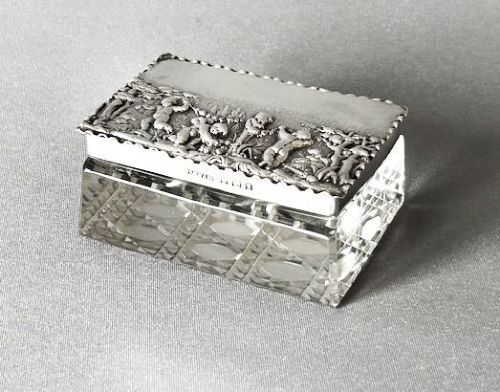
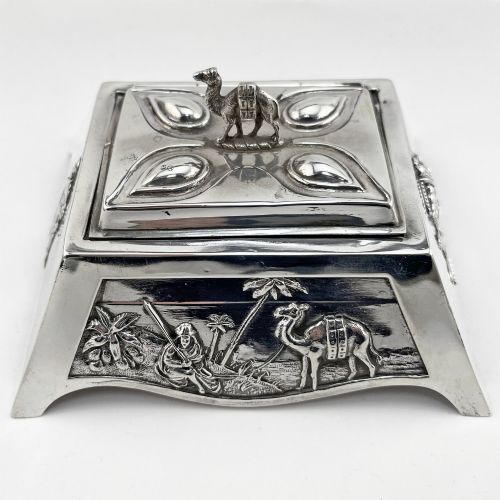
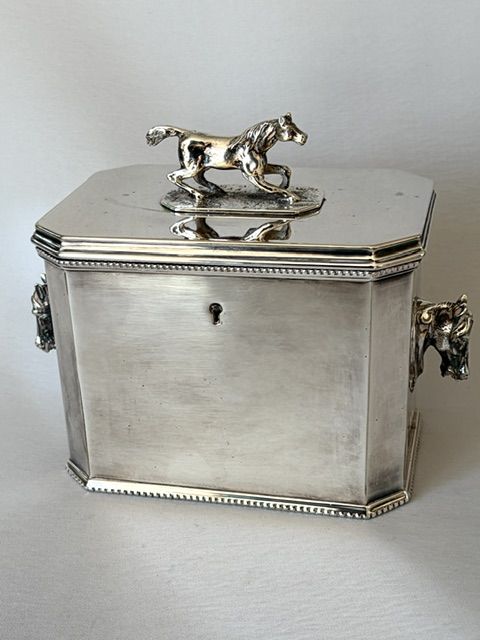
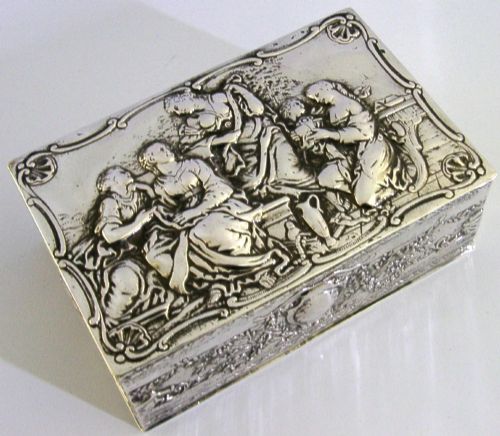
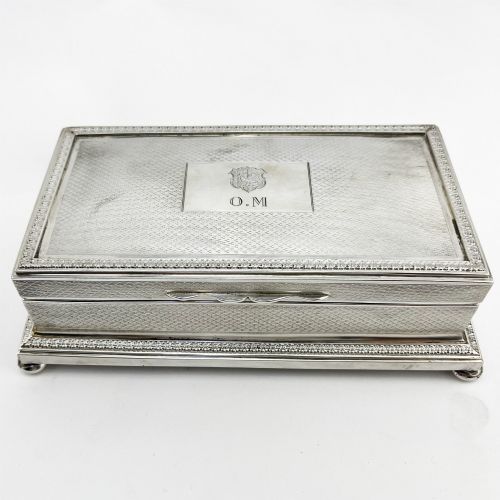
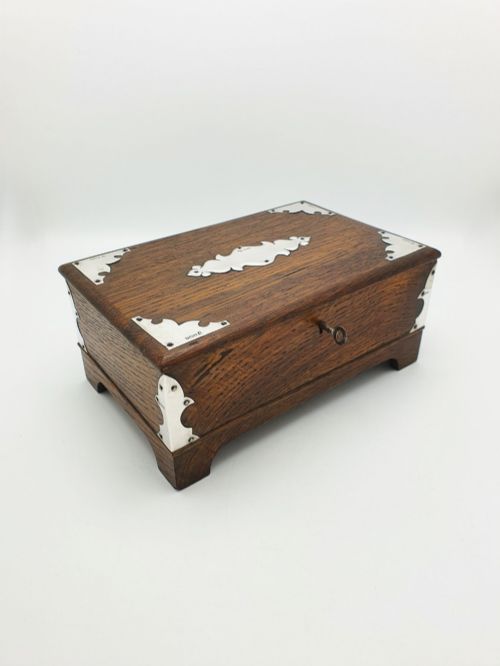
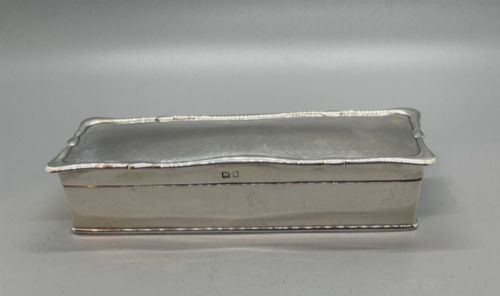
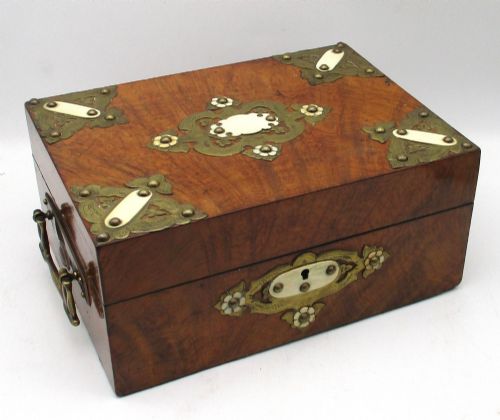
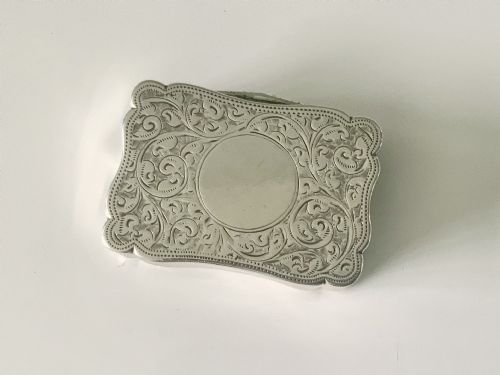
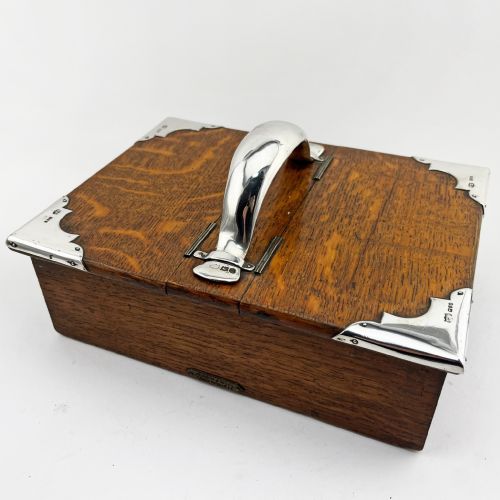
An edwardian desk trinket selection brings together small receptacles and accessories designed to organise writing tables and dressing surfaces. The most common examples on this page take the form of wooden or metal boxes intended for stamps, cigarettes, cigars, or small personal items.
The objects span from the late nineteenth century into the nineteen-twenties, incorporating Victorian and Edwardian periods alongside Arts and Crafts and Art Deco examples. Forms range from simple hinged timber caskets to silver-mounted containers and novelty brass items.
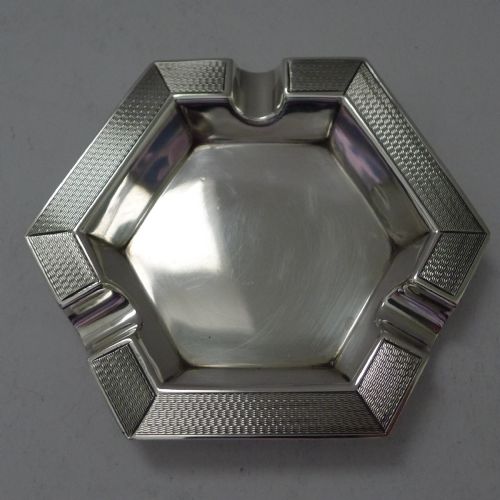
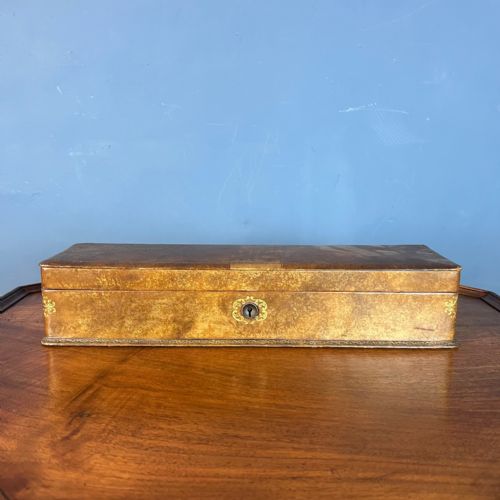
Buyers encounter boxes built for specific desk functions, such as stationery storage and pen containment, alongside decorative trinket boxes and ashtrays. Materials vary from sterling silver and brass to oak, walnut, and tooled leather.
How they were made
Maker construction relies heavily on solid timbers and veneers such as oak, mahogany, walnut, and burr walnut, frequently reinforced with brass hinges, locks, and corner mounts. Woodworking techniques include dovetailed joints and applied decorative banding.
Metal components utilise sterling silver, brass, copper, and silver plating, with decorative elements applied through hand engraving, repousse work, and cast figural finials. Silver items carry hallmarks indicating assay offices in cities such as Birmingham and Chester.
Edwardian Desk Trinket Retail Price Guide 2026
Typical asking prices for edwardian desk trinket among the pieces listed under this phrase on Sellingantiques today, from the lower quarter to the upper quarter. They describe what is for sale here now, not the wider market.
Listings feature items spanning from eighteen-sixty to nineteen-twenty, incorporating sterling silver, brass, oak, and burr walnut.
What varies in quality
Quality differences emerge in the selection of primary materials and secondary details, such as the choice of figured burr walnut veneer over plain timber. Substantial gauge silver mounts and crisp hand-engraved floral scrolls distinguish finer boxes from standard production.
Internal fittings, functional locks with original keys, and tightly joined corners separate superior examples. Maker marks from established silversmiths also influence the standing of metal-mounted pieces.
William Neale·Mappin & Webb·A & J Zimmerman Ltd
The Edwardian Desk Trinket Glossary
- Trinket Box
- A small container designed for holding jewellery, keepsakes, or small desk accessories. These pieces typically feature hinged lids and lined interiors.
- Sterling Silver
- An alloy consisting of ninety-two point five percent silver and seven point five percent other metals, mostly copper. This standard is marked by specific hallmarks on British items.
- Repousse
- A metalworking technique where the artisan hammers the metal from the reverse side to form a raised design in relief. This method appears on copper and silver desk boxes.
- Burr Walnut
- A wood harvested from the wart-like growths on walnut trees, yielding highly figured patterns with swirling grain. It was prized for decorative veneer on Victorian and Edwardian boxes.
- Stationery Box
- A desk accessory built to hold writing paper and envelopes in upright compartments. Examples often incorporate sloping lids or fall fronts.
Edwardian Desk Trinket: Frequently Asked Questions
What is an edwardian desk trinket?
An edwardian desk trinket is a small decorative or functional container used on a writing table to hold stamps, pins, or cigarettes.
These pieces reflect the period preference for orderly and ornamental desk accessories.
How were these boxes used?
They served practical purposes on desks and dressing tables by containing loose items like stamps, nibs, and matches out of sight.
Many doubled as decorative objects that complemented the interior style of the room.
How do I date these pieces?
Dating relies on stylistic clues, construction methods, and official silver hallmarks when metal mounts are present.
Assay office marks and date letters on silver provide precise years of manufacture.
What woods are commonly found?
Common timbers include oak, walnut, burr walnut, mahogany, and pine, often finished with brass or silver mounts.
Selection depends on the period and the intended formality of the desk accessory.