


Edwardian Desk Tray
An edwardian desk tray organises correspondence and writing instruments, bringing functional elegance to a study table.
Edwardian Desk Tray
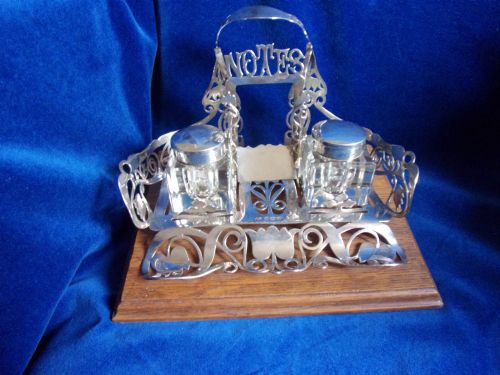
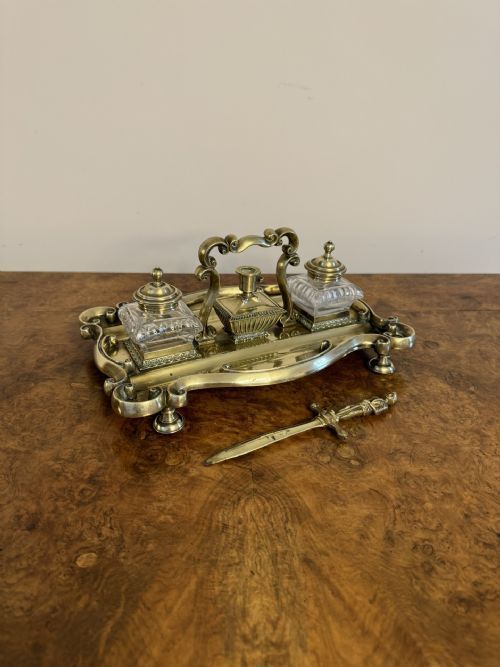
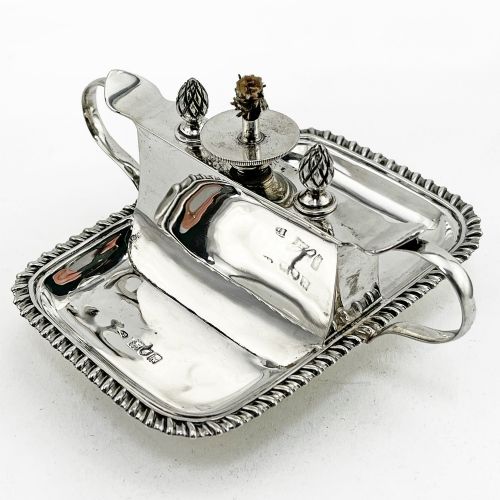
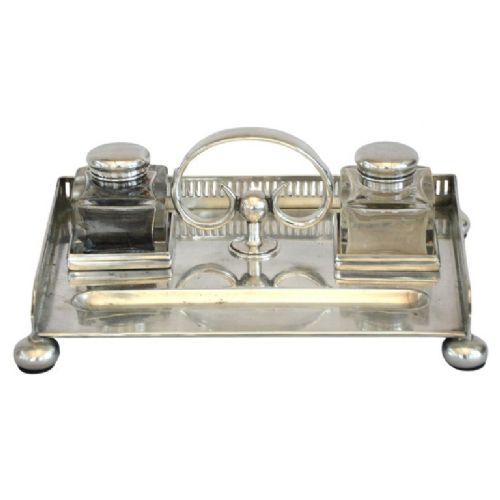
When you search for an edwardian desk tray, you encounter tabletop accessories designed to keep pens, inkwells, and letters in order. These pieces reflect the stationery habits of the early twentieth century, combining utility with refined desk organisation.
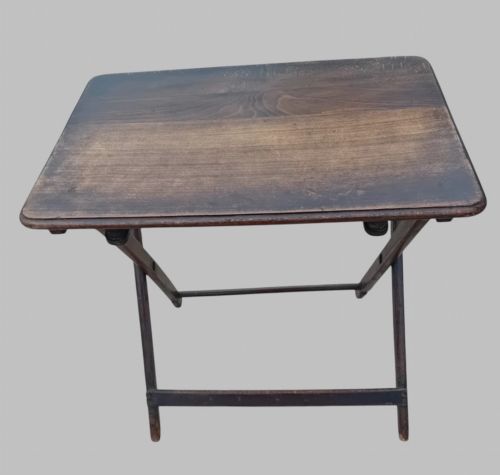
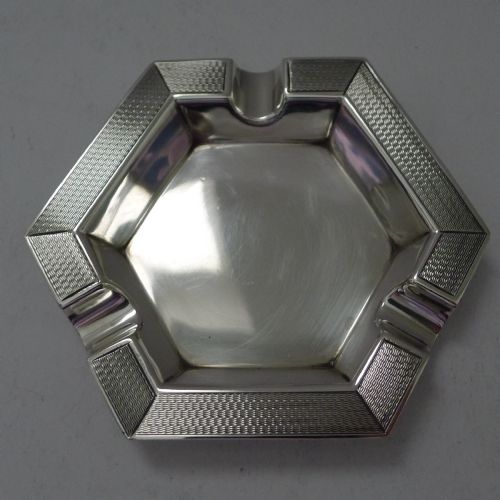
The selections on this page span brass, sterling silver, oak, mahogany, and pewter, often incorporating cut glass bottles or ceramic inkwells. Alongside dedicated pen trays and ink stands, you find related desk tidies and novelty items from the period.
While true Edwardian examples feature heavily, the offerings also draw upon Victorian production and early twentieth-century interpretations, showing how writing desks evolved across these decades.
How they were made
Metal items utilise casting and stamping techniques, particularly in brass, copper, and pewter, often enhanced by hand-chased detailing or cold-painted finishes. Silver pieces involve smithing and are finished with British hallmarks to denote metal purity and origin.
Wooden trays and stands employ cabinet-making methods in mahogany and oak, incorporating dovetailed joints, turned feet, and fitted compartments. Glass components rely on heavy cut glass production to provide weight and stability for ink bottles.
Object forms include ink stands, pen trays, cigar lighters, table lamps, and novelty animal inkwells with glass eyes.
What varies in quality
The distinction between standard production and superior execution lies in the weight of the materials and the crispness of the manufacture. Heavier gauge metals, deeply cast ornamentation, and substantial timber sections elevate a piece above simpler utilitarian wares.
Makers' marks and full hallmarks provide a clear indication of provenance, separating anonymous workshop pieces from documented output by established silversmiths and metalworkers.
William Neale·Walker And Hall·Asprey Of London·Zimmermann·Elkington
The Edwardian Desk Tray Glossary
- Hallmark
- Official stamps applied to precious metals indicating purity, assay office, and date letter. These marks confirm the silver standard of the tray or ink stand.
- Pen tray
- A shallow elongated dish specifically shaped to hold dipping pens and nibs safely on a desktop. They appear in brass, silver, pewter, and mahogany.
- Ink stand
- A desk accessory comprising one or more inkwells alongside pen channels and sometimes a sander or taper stick. These units anchored the writing surface.
- Cut glass
- Glass decorated by abrasive cutting wheels to create faceted patterns that catch the light. Inkwell inserts frequently utilise heavy cut glass to resist tipping.
- Cold painted
- A method where bronze or metal figures are painted with oil-based colours without kiln firing. This technique is typical of Austrian animal bronzes.
Edwardian Desk Tray: Frequently Asked Questions
What is the difference between a desk tray and an ink stand?
A desk tray primarily provides a shallow channel or surface for loose writing instruments and small stationery items. It focuses on organisation rather than housing liquid ink.
An ink stand integrates one or more inkwells directly into the base, often alongside pen rests or candle holders. It functions as a complete writing station for the desktop.
How do I care for silver and brass desk accessories?
Silver accessories require gentle cleaning with a specialised non-abrasive polish to maintain their shine without wearing down fine hallmarked details. Regular dusting keeps the metal protected.
Brass items benefit from occasional wiping with a soft cloth. Avoid harsh chemical cleaners that strip patination and age from the metal surface.
Can I still use antique glass inkwells for writing?
Many glass inkwells remain entirely functional and watertight, featuring fitted glass or metal-capped lids to prevent ink from drying out. They work well for modern fountain pen users.
Inspect the collar and lid mechanism carefully to ensure the seal remains intact before filling. Glass inserts should be washed gently in warm water.
How do I distinguish Edwardian pieces from Victorian ones?
Edwardian items typically display lighter proportions, simpler lines, and influences from Art Nouveau design alongside revived classical styles. The period spans the reign of Edward VII from nineteen hundred to nineteen ten.
Victorian pieces often exhibit heavier construction, denser ornamentation, and darker timbers. Hallmarks and registry marks help confirm the exact manufacturing era.