




Edwardian Desk Stamp Holder
These small desk accessories keep correspondence tidy, offering a practical touch of historical craftsmanship for any writing table.
Edwardian Desk Stamp Holder
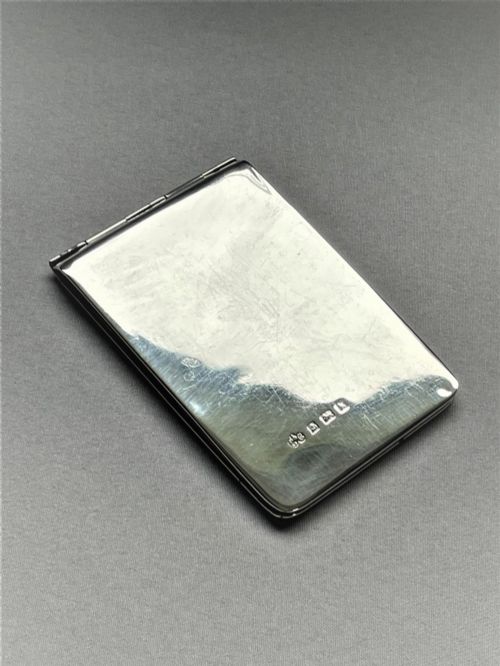
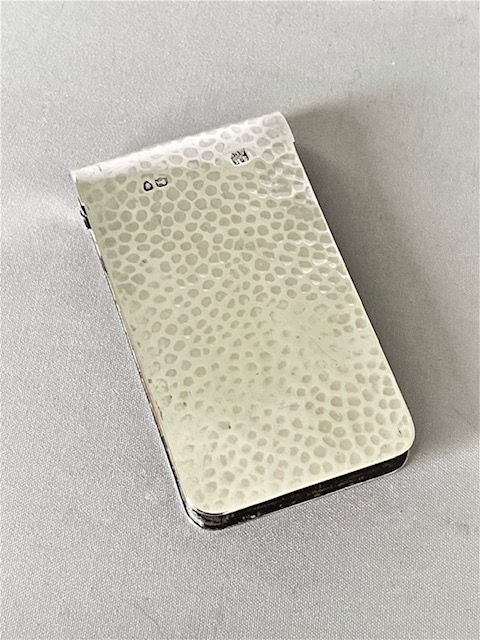
An Edwardian desk stamp holder is a specialised container designed to organise postage stamps on a writing surface, appearing frequently in sterling silver alongside glass, leather, and wood.
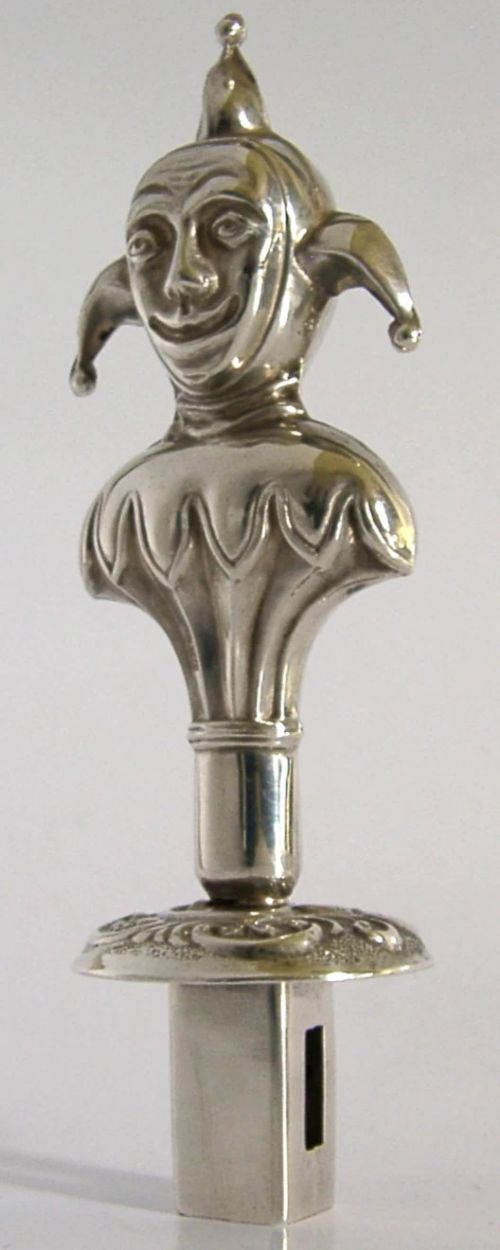
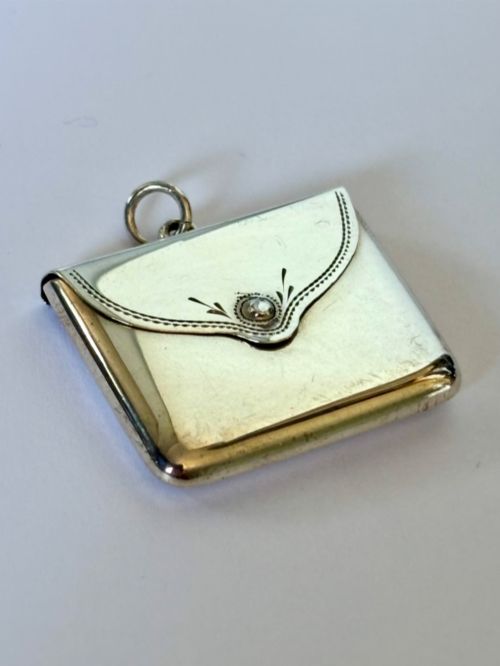
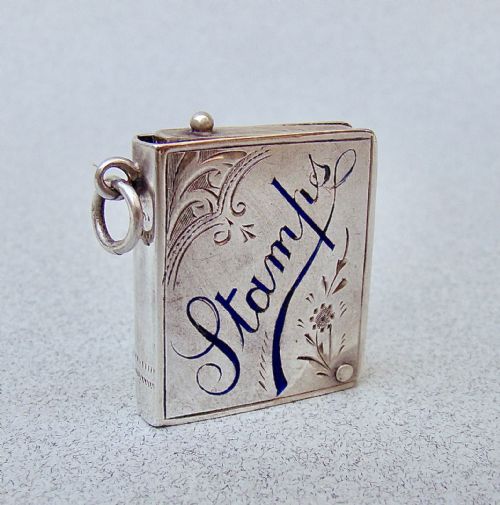
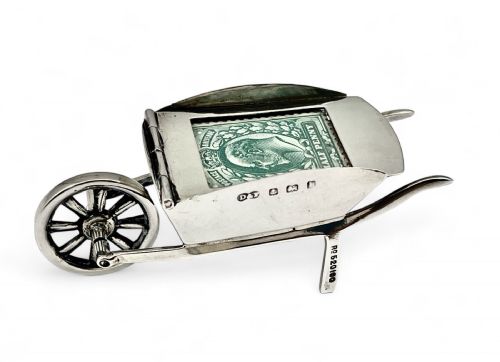
The pieces listed here span the Edwardian and George V periods, encompassing wallet forms, envelope designs, and novelty shapes such as wheelbarrows and jesters.
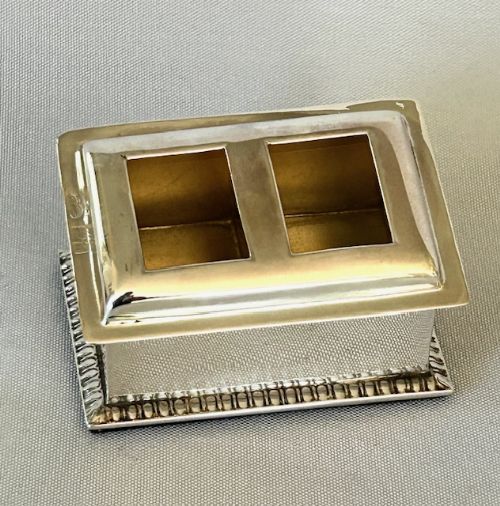
Collectors encounter both single and double trough-shaped boxes, as well as combination pieces that pair a stamp case with a blotter, card case, or wax sealing holder.
What varies in quality
Quality rests in the crispness of the hallmark stamps, the clarity of hand-engraving, and the complexity of the form, where novelty shapes demand greater skill than plain boxes.
The integration of multiple materials, such as combining sterling silver with enamel or cut glass, distinguishes standard desk items from more ambitious workshop productions.
Listings feature sterling silver, glass, leather, enamel, stone, cut glass, and wood across the Edwardian and George V periods.
Crisford & Norris·Sampson Morden·W & G Neal·Levi & Salaman·Albert Ernest Jenkins
The Edwardian Desk Stamp Holder Glossary
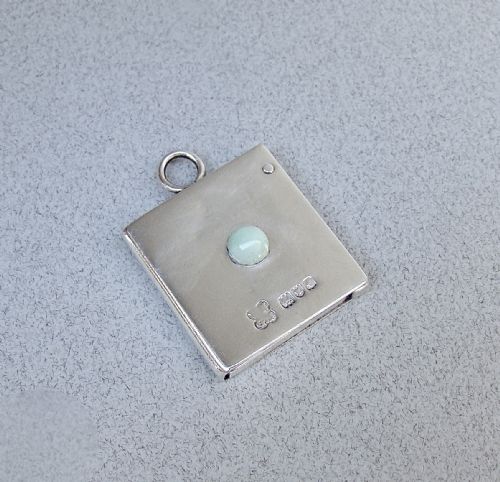
- Hallmark
- Official marks stamped on precious metals to indicate the assay office, standard of purity, and year of manufacture. These small symbols allow researchers to date silver items accurately.
- Novelty stamp case
- A container shaped to resemble an everyday object, animal, or human figure rather than a standard box. Makers produced these whimsical designs to appeal to Victorian and Edwardian collectors.
- Trough-shaped
- A curved, open-topped form designed to hold rolled or folded strips of postage stamps. This shape allows for easy retrieval of stamps during busy correspondence.
- Wax sealing holder
- A desk accessory dedicated to storing the sticks of sealing wax used to secure letters before envelopes became universally gummed. They frequently accompanied stamp cases in matching metalwork.
- Sterling silver
- An alloy consisting of ninety-two point five percent silver and seven point five percent other metals, usually copper. This standard composition provided the necessary durability for functional desk items.
Edwardian Desk Stamp Holder: Frequently Asked Questions
How do I clean antique silver stamp boxes?
Silver stamp boxes benefit from gentle dusting with a soft cloth to preserve their original surface finish and engraved details. Avoid harsh chemical dips that strip away the aged patina accumulated over decades.
For hinged lids and tight corners, a soft-bristled brush removes accumulated dust without scratching the metal. Storing the piece away from direct sunlight keeps fitted leather or enamel elements stable.
What is the difference between a stamp case and a stamp box?
Stamp cases are typically flat, pocket-sized containers made of leather or silver wallet styles designed to hold stamps on the move. Stamp boxes are heavier, stationary desk accessories meant to sit permanently upon a writing table.
Desk boxes often feature troughs or hinged compartments suited to holding multiple sheets of stamps within easy reach. Both forms reflect the heavy reliance on postal correspondence during the early twentieth century.
How can I tell if a piece is Edwardian?
Edwardian silver bears hallmarks that include date letters specific to assay offices in London, Birmingham, or Chester between nineteen hundred and nineteen ten. Stylistic clues include delicate floral engraving, Arts and Crafts influences, and lighter proportions than heavy Victorian goods.
Later pieces spanning into the George V era display similar manufacturing techniques but correspond to reigns starting in nineteen ten. Examining the maker's mark alongside the assay office symbol provides the most reliable guide to age.
Did these pieces hold modern stamps?
These holders were sized for the smaller, gummed paper postage stamps issued during the late nineteenth and early twentieth centuries. They predate modern self-adhesive stamp booklets by decades.
Because stamp dimensions changed very little during the reign of Edward VII, historic boxes accommodate standard vintage stamps comfortably. Collectors today continue to use them for storing commemorative or definitive stamps of the period.