





Edwardian Desk Organizer
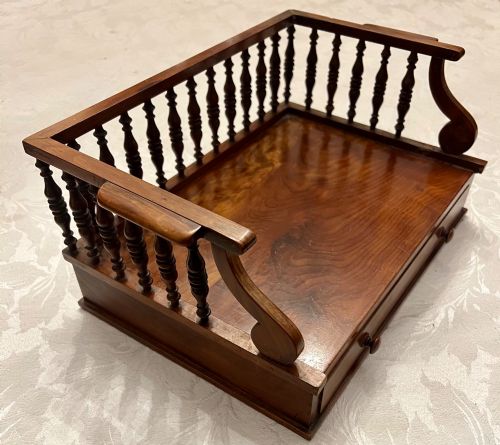
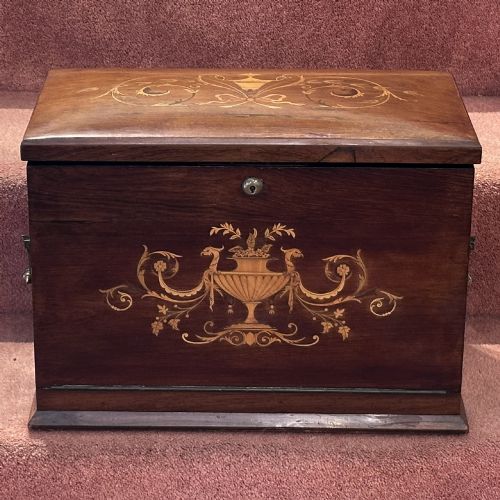
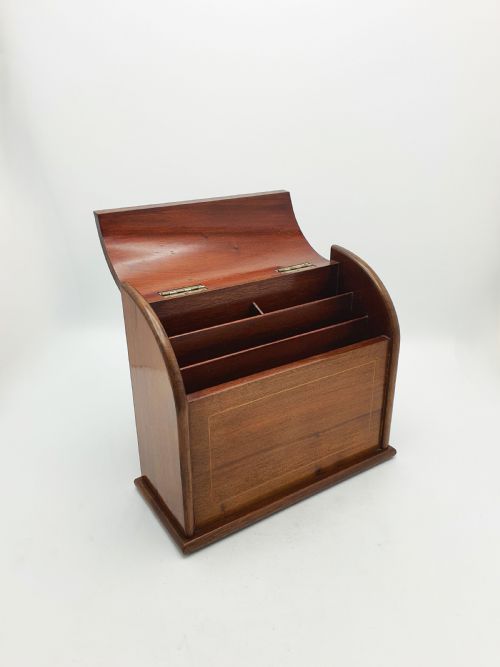
These pieces gather the clutter of correspondence, turning an edwardian desk organizer into a small architecture of walnut, oak, and brass for the working surface.
Edwardian Desk Organizer
An edwardian desk organizer spans stationery cabinets, letter boxes, inkstands, and expanding book slides designed to keep letters and pens in order.
The pieces appearing here lean heavily towards oak and mahogany cabinetry, often fitted with brass hinges, mounts, and glass inkwells.
While many date strictly to the Edwardian decade and the surrounding 1900s years, the selection also draws in related nineteenth-century desk tidies and early twentieth-century accessories.
Materials and construction
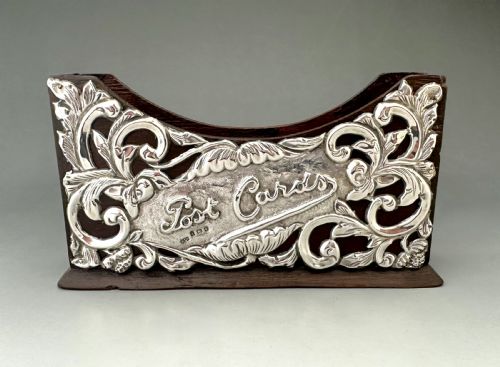
Cabinetry relies on solid timbers like oak, mahogany, and walnut, frequently accented with marquetry inlay, brass mounts, and silver-plated or sterling fronts.
Smaller desk items incorporate cast brass, cold-painted bronze, copper, and leather, joining glass inkwells and paper components through traditional joinery and metalworking.
Edwardian Desk Organizer Retail Price Guide 2026
Typical asking prices for edwardian desk organizer among the pieces listed under this phrase on Sellingantiques today, from the lower quarter to the upper quarter. They describe what is for sale here now, not the wider market.
A cold-painted bronze horse stands ready to keep your paperwork from galloping away.
Judging the range
Quality rests on the integrity of the timber, the crispness of any applied brass or inlaid detail, and the mechanical precision of folding lids or extending book slides.
Signed pieces by makers such as Asprey or patented mechanisms like Betjemanns lift a standard oak tidy into a different tier of craftsmanship and value.
Betjemanns·Asprey Of London·Amberg
The Edwardian Desk Organizer Glossary
- Stationery cabinet
- A tabletop cabinet featuring internal slots and compartments specifically sized for writing paper and envelopes. These often include fall fronts or hinged doors.
- Inkstand
- A tray or stand holding one or more inkwells, frequently accompanied by pen troughs and sometimes a small drawer for nibs. Also known as a standish.
- Desk tidy
- A multipurpose accessory designed to corral miscellaneous desk items such as stamps, paper clips, and small notes. They appear in brass, bronze, and timber.
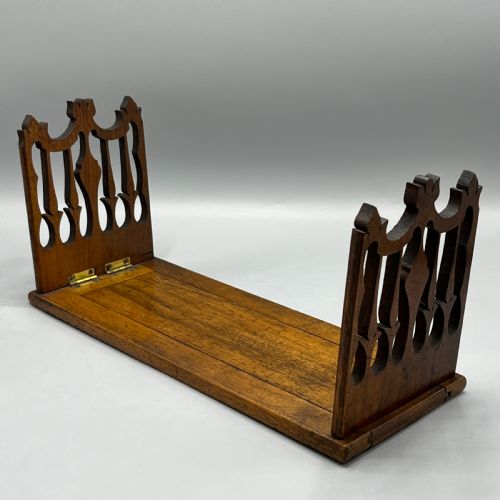
- Extending book slide
- A hinged or sliding wooden rack that expands to hold a variable row of volumes upright on a desk surface. Many feature decorative metal bookends.
- Cold-painted bronze
- A manufacturing technique where bronze figures receive a layer of non-fired oil or tempera paint. This finish requires careful preservation to prevent flaking.
Edwardian Desk Organizer: Frequently Asked Questions
What fits inside an edwardian desk organizer?
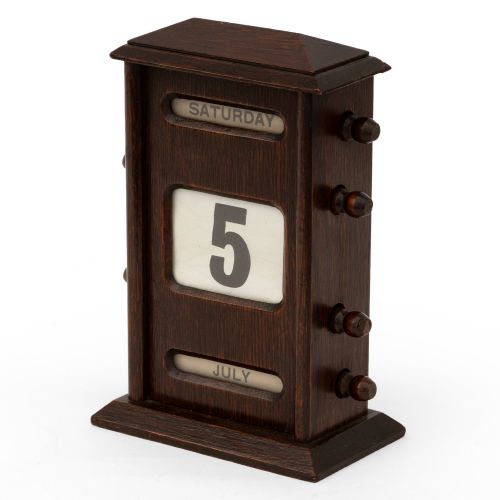
These pieces accommodate letter sheets, envelopes, inkwells, pens, stamps, and small daily calendars.
Larger stationery cabinets house fitted vertical dividers for correspondence, while smaller trays and tidy boxes hold loose desk accessories.
How do I care for wood and brass on a desk piece?
Maintain timber surfaces with a light application of appropriate wax polish to preserve the grain and finish.
Keep brass and bronze components free of heavy moisture and clean them gently without abrasive metal polishes that strip original patination.
Are inkwells usually original to these sets?
Many retain their matching cut-glass inkwells with hinged brass or silver lids, though replacements do occur due to accidental breakage over time.
Inspect the collar and interior fit of the well to see if it matches the age and wear patterns of the surrounding stand.
How do I distinguish an Edwardian piece from a Victorian one?
Edwardian items tend to show lighter timbers, simpler lines, or lighter marquetry in response to changing interior tastes around nineteen hundred.
Victorian pieces often employ denser, darker woods, heavier gothic or revival motifs, and more robust brass hardware.