


Edwardian Decorative Silver Frame
These edwardian decorative silver frame pieces offer timeless elegance for displaying cherished photographs, bringing period charm to any room.
Edwardian Decorative Silver Frame
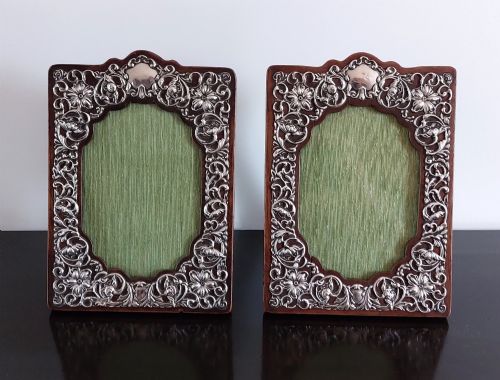
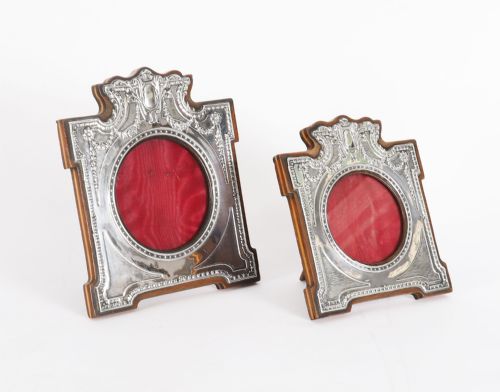
An edwardian decorative silver frame is a piece designed to house and display cherished photographs or pictures, frequently appearing in forms like single or double photo frames and wall mirrors. These items bridge the late Victorian era and the early twentieth century, showing influences from design movements such as Arts and Crafts and Art Nouveau.
Materials and construction
These items were constructed using sterling silver and silver plate, often mounted over supportive wooden structures. Backings commonly utilise materials such as blue velvet, silk, or wood to support the display function.
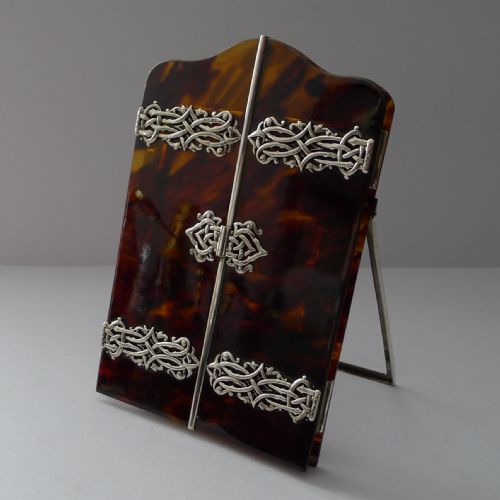
Makers integrated glass and cut glass components into the designs, while select pieces incorporate specialist materials like tortoiseshell. Metalwork techniques of the period allowed for intricate decorative borders and unusual shapes.
Listings feature items spanning from the Victorian era through the Edwardian period into the 1920s.
Judging quality and design
Quality in these pieces is dictated by the crispness of the decorative metalwork and the integration of secondary materials like tortoiseshell or bevelled glass. Finer examples display meticulous craftsmanship in their borders and structural integrity.
The choice of backing material and the presence of original components such as glass and wooden struts also differentiate standard production from superior examples. The stylistic influence of movements like Art Nouveau further elevates the character of individual items.
Mappin Bros·Hardy Brothers
The Edwardian Decorative Silver Frame Glossary
- Sterling Silver
- A standard alloy of silver containing 92.5 percent pure silver and 7.5 percent other metals, usually copper. This material provides the primary metallic sheen for many period frames.
- Silver Plate
- A layer of silver applied to a base metal core such as brass or copper. This technique offered an accessible alternative to solid sterling items during the period.
- Tortoiseshell
- The shell of certain turtle species used historically for decorative veneering. It appears mounted beneath sterling silver on select Victorian and Edwardian items.
- Arts and Crafts
- A design movement emphasising handcraftsmanship and traditional techniques. Items in this style reject mass production in favour of honest construction.
Edwardian Decorative Silver Frame: Frequently Asked Questions
How were these frames used?
These frames served as domestic accessories for displaying photographs of family members and notable figures on mantelpieces, desks, and tables. They functioned both as personal mementos and as decorative interior ornaments.
Larger double frames and specialised mirrors also adorned dressing tables and wall spaces. Their decorative appeal made them popular gifts for significant life events.
How do I care for silver frames?
Silver frames require gentle cleaning with a specialised soft cloth to maintain their lustre without damaging the soft metal or surrounding materials. Avoid harsh chemical polishes that can strip away fine detailing and antique patination.
Protect the backing materials, such as velvet or wood, from excessive moisture and direct sunlight. Storing or displaying them in stable indoor environments preserves both the metal and the structural integrity.
How can I tell the period?
Dating these items involves examining hallmarks, construction styles, and design motifs characteristic of the Victorian, Edwardian, or early twentieth-century eras. Stylistic cues such as flowing Art Nouveau lines or robust Victorian ornamentation provide clear chronological markers.
Makers' marks and silver hallmarks stamped onto the metal offer definitive proof of the assay office and year of manufacture. Comparing the backing materials and hardware also helps confirm the age of the piece.