




Edwardian Decorative Plant Stand
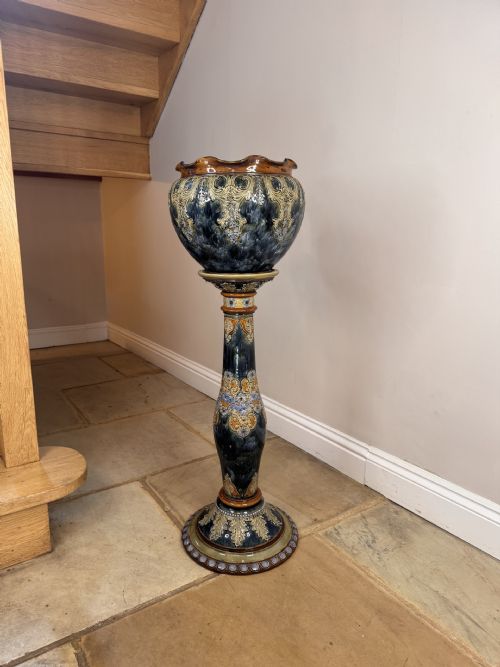
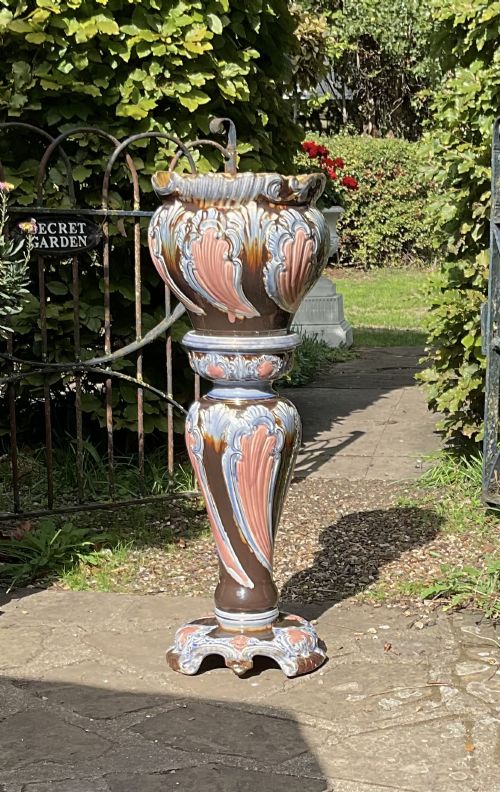
An edwardian decorative plant stand is a functional display piece designed to elevate greenery, bringing architectural interest and botanical charm to any room.
Edwardian Decorative Plant Stand
When searching for an edwardian decorative plant stand, a buyer encounters a diverse selection of furniture designed specifically to hold and display potted plants, jardiniere bowls and floral arrangements. These pieces typically take the form of tall pedestals, multi-tiered tables, or specialised stands equipped with liners and trays.
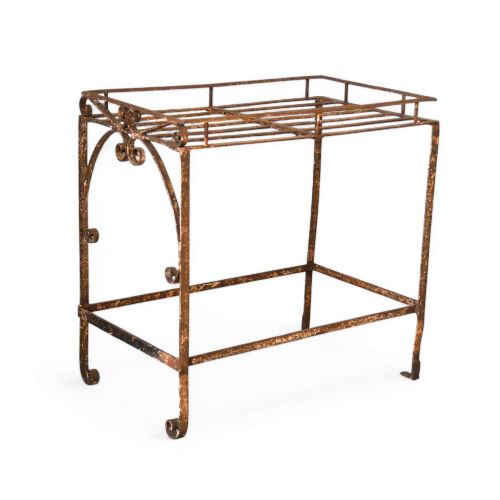
The most common versions met on this page combine traditional timber construction with decorative metal accents, often reflecting the refined tastes of the period. Alongside formal mahogany and satinwood examples, one frequently discovers rustic wirework for conservatories and robust ironwork intended for garden use.
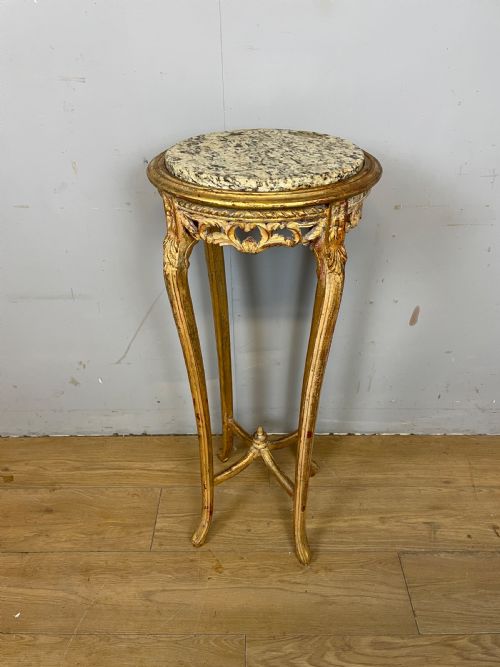
The evidence shows that these items span the late nineteenth century through to the early decades of the twentieth century. Forms range from simple oak planters and coopered jardiniere stands to elaborate giltwood torchere tables and novelty cast iron planters.
How they were made
Makers utilised a variety of durable materials, selecting fine cabinet timbers like mahogany, satinwood, walnut and oak for indoor drawing rooms, while employing resilient metals such as brass, cast iron, wrought iron and wirework for exterior or conservatory environments. Many wooden examples incorporated turned elements like barley twist stems or carved details to add visual texture.
Construction techniques varied according to the intended placement of the stand, with coopered wooden staves used for watertight planter buckets and specialised metal liners fitted to protect fine timber surfaces from moisture. Decorative embellishments included ormolu mounts, marquetry inlay, giltwood finishes and painted surfaces.
Specialist metalworking methods produced intricate wirework frames and cast iron forms shaped into decorative motifs, ensuring the structures could support the weight of heavy ceramic pots and damp soil safely.
Edwardian Decorative Plant Stand Retail Price Guide 2026
Typical asking prices for edwardian decorative plant stand among the pieces listed under this phrase on Sellingantiques today, from the lower quarter to the upper quarter. They describe what is for sale here now, not the wider market.
One standout piece takes the delightful form of a pair of cast iron planters shaped precisely like shrimp.
What varies in quality
The distinction between ordinary utility items and superior examples lies in the selection of materials and the refinement of workmanship. Finely figured flame mahogany, meticulously inlaid satinwood, and sophisticated hand-carved details elevate a piece well above standard production items.
Integrity of original components plays a major role in determining the standard of a piece, particularly the presence of original brass liners, decorative chains, and authentic mounts. Altered or replaced hardware alters the historical consistency.
Design ambition separates basic stands from exceptional creations, with distinctive silhouettes such as novelty forms, sophisticated turning, or integrated ceramic elements demonstrating a higher level of artistic intent.
Liberty and Co·Royal Worcester
The Edwardian Decorative Plant Stand Glossary
- Jardiniere
- A decorative pot or stand for holding plants or flowers. These vessels sit atop pedestals or form the primary body of a plant stand.
- Torchere
- A tall stand or pedestal originally designed to hold a candle or lamp. In plant stands, the flat top serves as an elevated platform for a floral display.
- Coopered
- Made from staves of wood fitted together and bound by metal hoops, similar to barrel construction. This technique creates durable, watertight planters.
- Ormolu
- Gilded bronze mounts applied to furniture for decorative effect. This finish adds bright metallic contrast to dark cabinet timbers.
- Barley Twist
- A form of woodturning resembling a spiralling rope. It appears frequently on the vertical supports and legs of nineteenth-century stands.
Edwardian Decorative Plant Stand: Frequently Asked Questions
Where were plant stands used?
These stands found placement in formal reception rooms, sunlit conservatories, and sheltered garden areas to bring nature indoors.
Their elevated design protected delicate flooring from dampness while ensuring greenery received optimal light.
How do I care for wooden stands?
Protect timber surfaces by using saucers or waterproof liners beneath damp pots to prevent water rings and wood rot.
Apply suitable wax polish periodically to maintain the lustre of mahogany, oak, or satinwood finishes.
Can iron stands stay outside?
Cast iron and wrought iron pieces withstand outdoor conditions well, though monitoring for weathering helps preserve their structural integrity.
Moving delicate wirework indoors during harsh winter months prevents unnecessary deterioration.
How do I date a stand?
Examine the construction methods, timber choice, and decorative style to determine the likely period of manufacture.
Details such as hand-cut joinery, original brass hardware, and distinct revival motifs offer clear chronological clues.