

Edwardian Decorative Arts
Edwardian decorative arts embrace the inventive spirit of the early twentieth century through distinctive ceramics, metalwork and furnishings.
Edwardian Decorative Arts
Edwardian decorative arts encompass a diverse array of domestic objects created around the turn of the twentieth century, reflecting transitional tastes between Victorian ornamentation and modern design. The selection on this page centres upon functional and ornamental pieces, including stoneware vases, repoussé copper mirrors, wooden cabinetry and lighting fixtures.
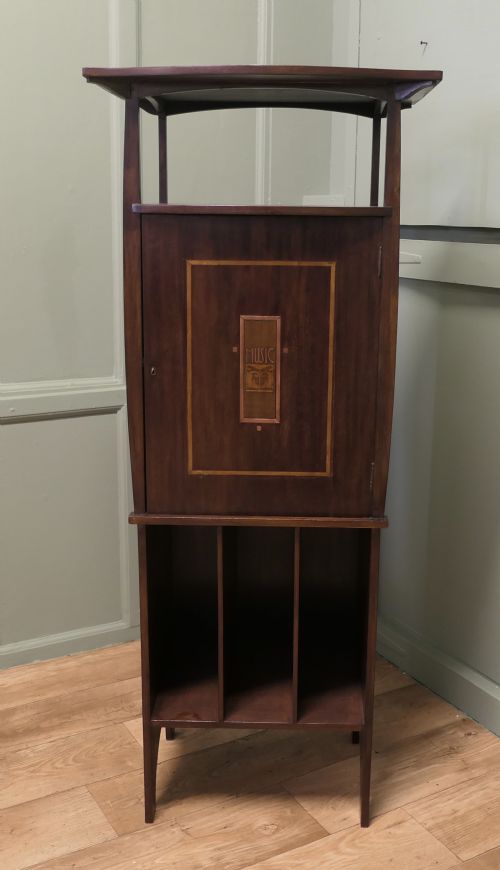
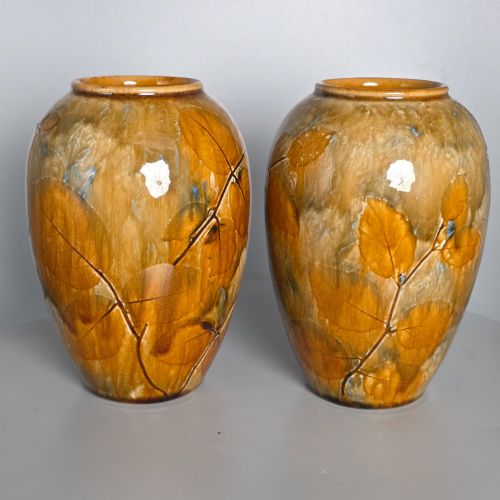
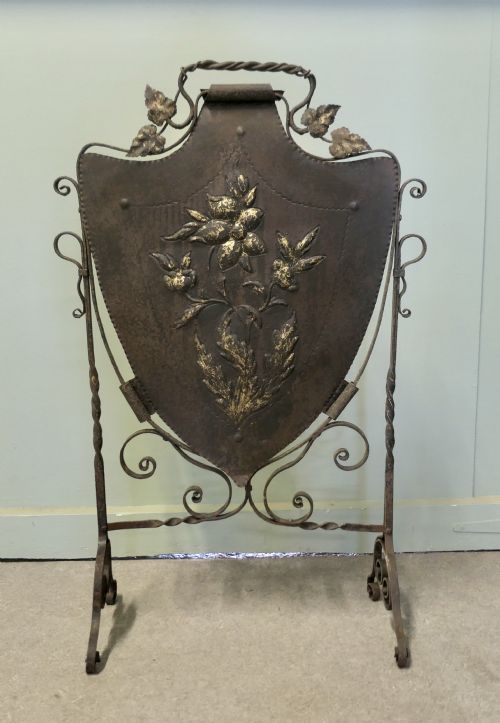
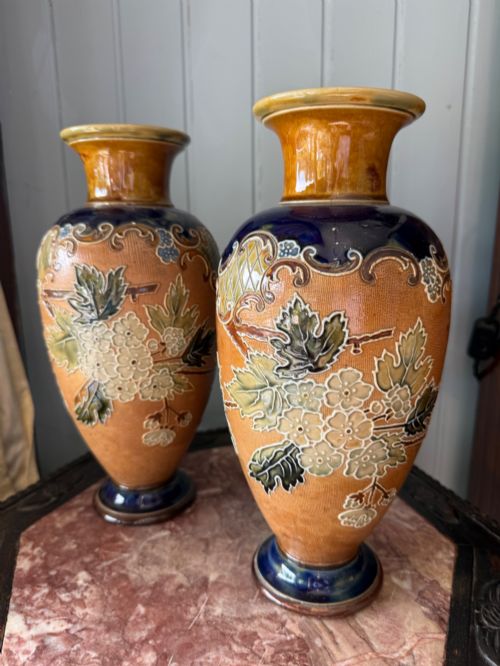
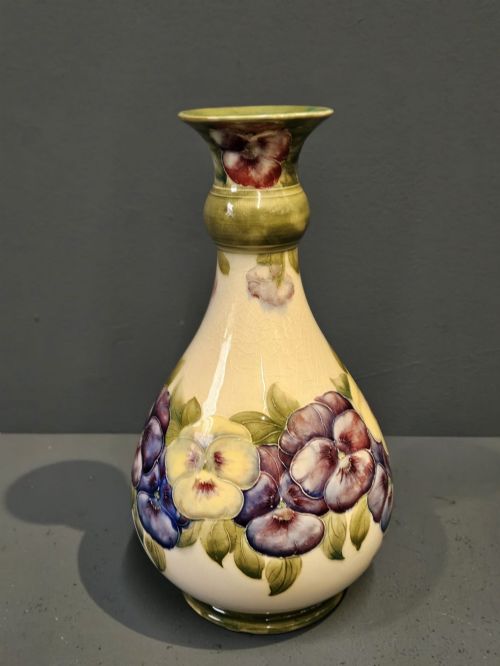
Vases and decorative bowls dominate the ceramic offerings, frequently bearing the distinctive stylistic hallmarks of prominent potteries from the period. Alongside ceramics, buyers encounter practical household items such as music cabinets, jewellery boxes and firescreens constructed from oak, brass and pewter.
The objects stem from overlapping aesthetic movements active during the late nineteenth and early twentieth centuries, notably Art Nouveau and the Arts and Crafts philosophy. These pieces showcase a commitment to skilled craftsmanship applied to everyday interior items.
Materials and methods of manufacture
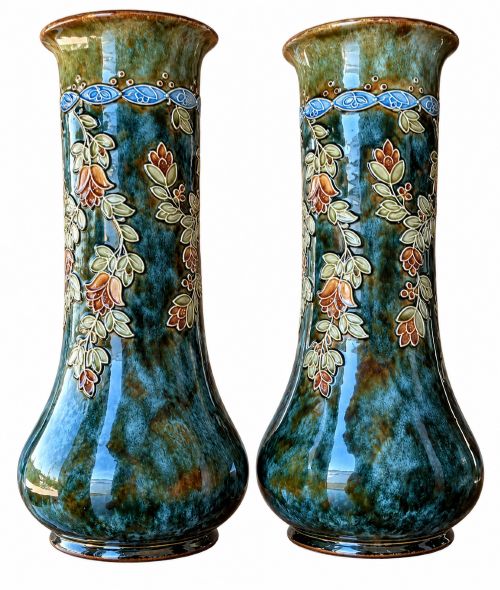
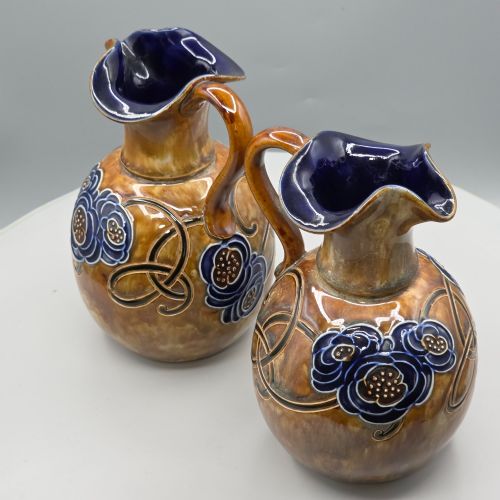
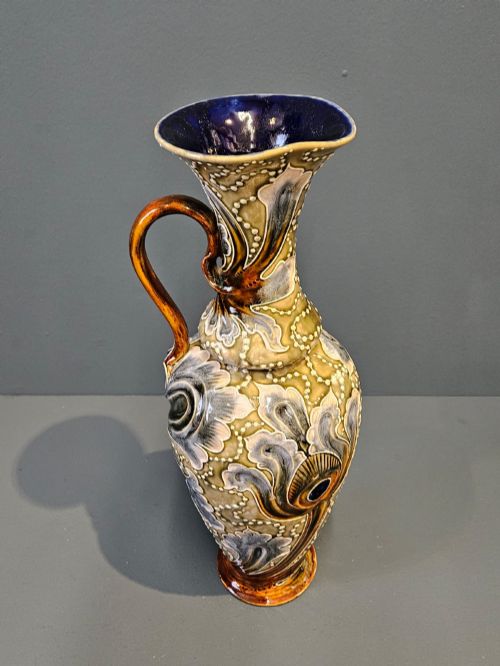
Makers utilised traditional media such as oak, brass, copper, pewter and glazed stoneware to build enduring household items. Stoneware vessels received intricate hand-applied slips, glazes and moulded motifs, while metal objects like copper trays and mirrors often displayed hand-beaten repoussé work.
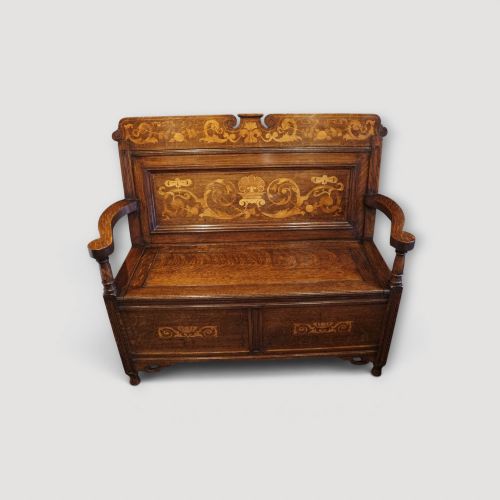
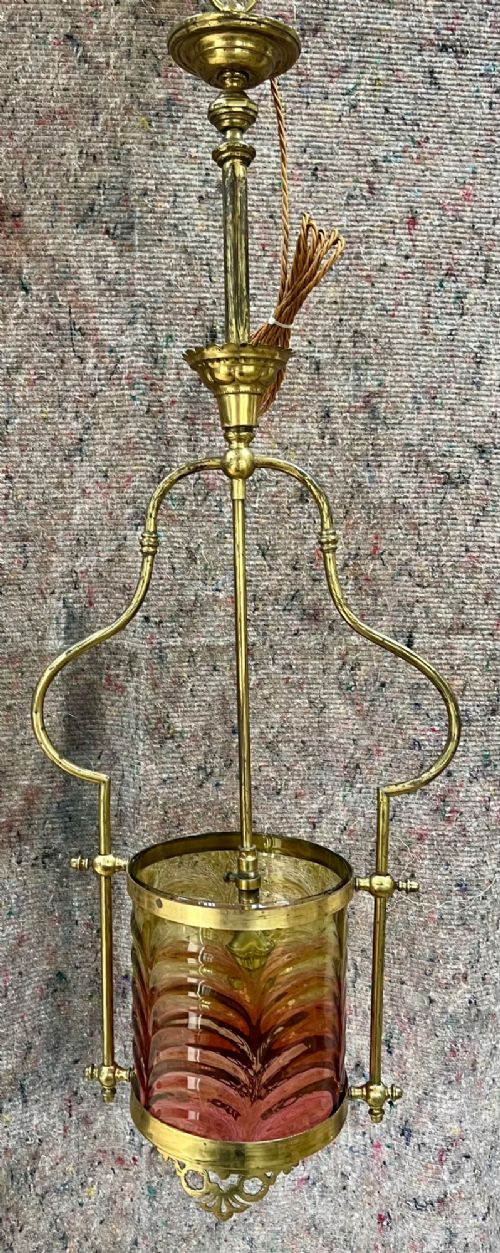
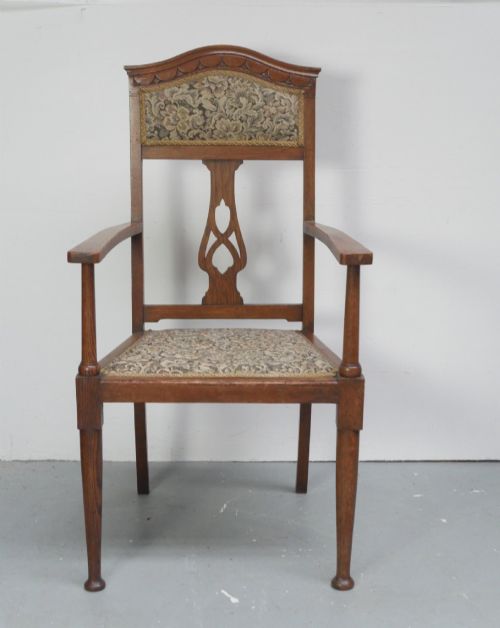
Woodwork relied upon solid construction methods, utilising oak for armchairs, bookcases and music cabinets that occasionally incorporated carved details or open cut-outs. Glass elements combined leaded stained techniques or enamel and gilding to achieve rich decorative surfaces for lanterns and vases.
Listings feature periods spanning the late nineteenth century through the nineteen-thirties, dominated by stoneware, oak, brass and copper.
Distinctions in quality and execution
Quality in these decorative items rests upon the precision of hand-finishing and the integrity of the materials selected by the maker or workshop. Superior examples display crisp relief in metalwork, balanced proportions in cabinetry and carefully controlled firing in art pottery glazes.
Signed pieces and items attributed to known designers or prominent ceramic artists command greater attention due to the higher level of artistic direction involved in their creation. The harmony between material selection and functional design ultimately separates standard production pieces from exceptional works of the era.
Royal Doulton·GM Elwood for JS Henry·Liberty & Co Tudric Pewter·Oliver Baker·Bretby Pottery·Erhard and Sohne·Daisy Makeig-Jones·Charles Boyton
The Edwardian Decorative Arts Glossary
- Repoussé
- A metalworking technique where the artisan hammers the design from the reverse side to create a raised relief on the front. This method was widely utilised on copper and brass mirror frames and trays.
- Stoneware
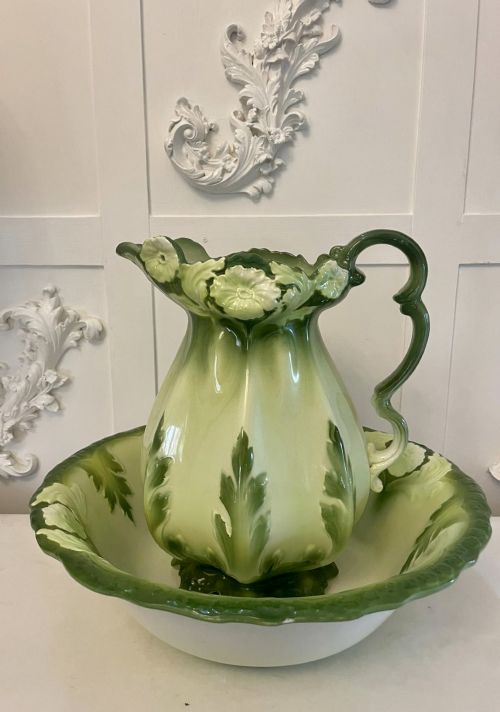
- A heavy, durable ceramic fired at high temperatures until vitrified and impermeable to liquid. Makers used this dense body for robust art pottery vases and ewers.
- Arts and Crafts
- A design movement advocating traditional craftsmanship and simple forms in reaction to machine production. Items from this tradition emphasise visible construction and natural materials.
- Art Nouveau
- An international style characterised by flowing, organic lines inspired by natural forms such as plants and flowers. It manifests clearly in the sinuous decoration of period glass and metalwork.
- Lustre
- A type of ceramic glaze containing metallic salts that produce an iridescent sheen upon firing. This glossy finish appears on decorative bowls and parrot vases from the era.
Edwardian Decorative Arts: Frequently Asked Questions
What defines edwardian decorative arts?
Edwardian decorative arts represent the material culture produced around the early twentieth century, combining late Victorian manufacturing with emerging modernist sensibilities. The field includes domestic furnishings, metalwork and studio ceramics designed for everyday interior display.
Items from this period frequently display stylistic influences from Art Nouveau and the Arts and Crafts movement. They emphasise organic motifs, honest construction and tactile materials like copper, oak and stoneware.
How were copper mirrors used?
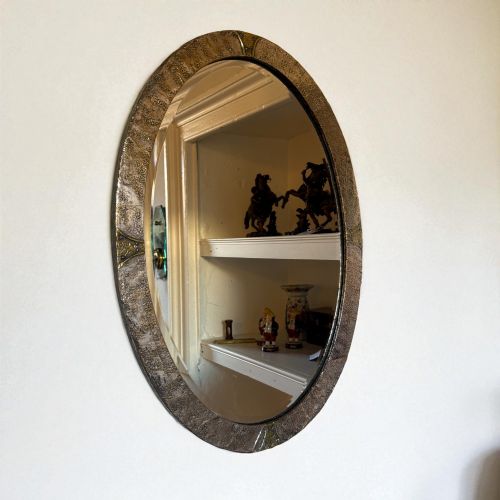
Copper mirrors served both practical and decorative functions within Edwardian interiors, often hung in hallways, over mantels or in reception rooms to reflect light. Their reflective surfaces helped brighten smaller living spaces.
The metal frames, frequently embellished with hand-beaten repoussé decoration or jewelled cabochons, added warmth and artistic interest to domestic walls.
How do I identify art pottery?
Art pottery from this era is typically recognised by its distinctive glazed surfaces, moulded or incised decorations and maker marks stamped on the base. Pieces often feature botanical patterns, rich autumnal tones or iridescent lustre finishes.
Examining the weight, clay body and glazing technique helps distinguish standard commercial wares from studio pottery produced by prominent manufacturers.
Where do these pieces fit at home?
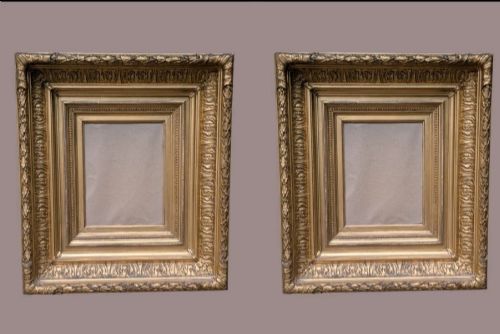
These decorative objects integrate well into both traditional and contemporary interiors by introducing tactile warmth and historical character. Stoneware vases, wooden bookcases and framed prints provide functional utility alongside visual interest.
Placing items on sideboards, open shelving or walls allows their craftsmanship and materials to remain visible focal points in daily life.