




Edwardian Daisy Ring
An edwardian daisy ring brings together a central stone encircled by petal-like gems, offering a delicate floral motif that collectors prize for everyday wear.
Edwardian Daisy Ring
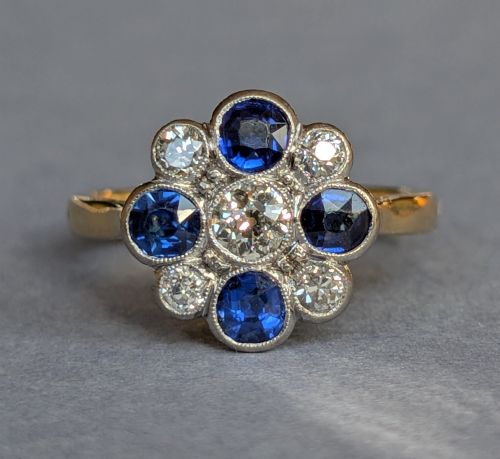
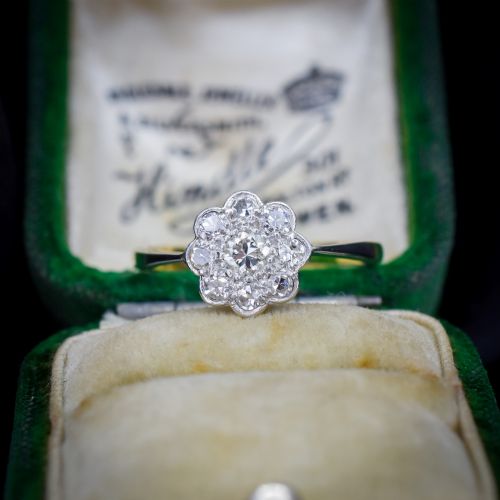
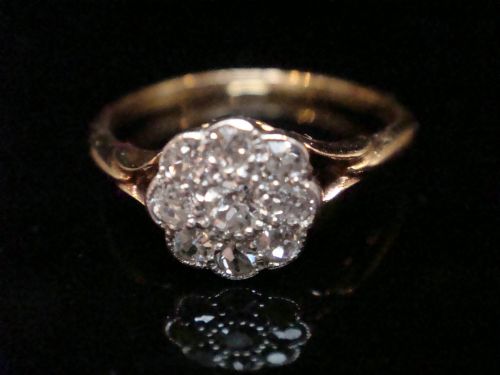
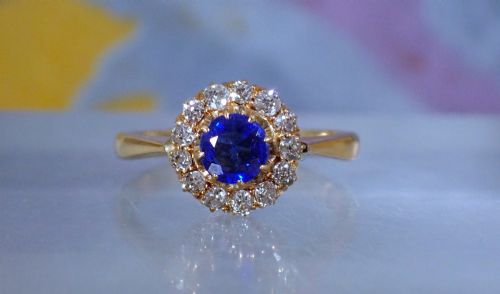
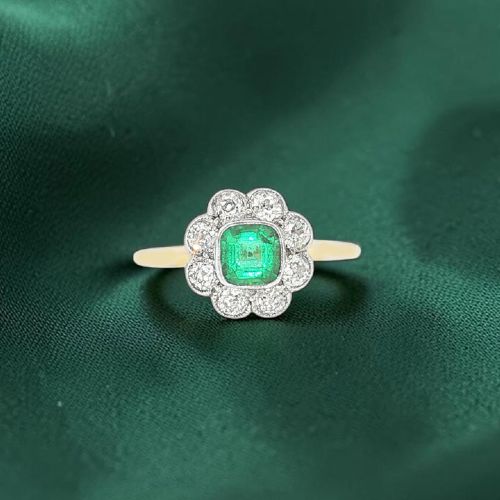
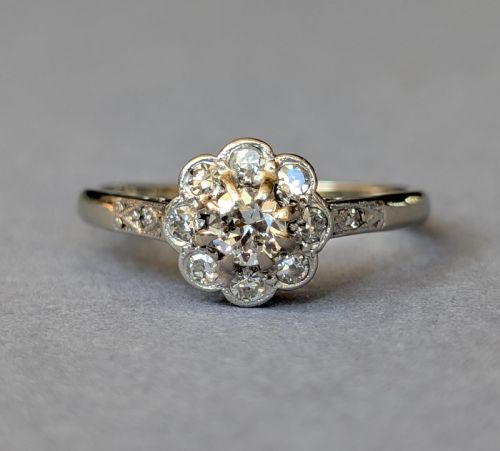
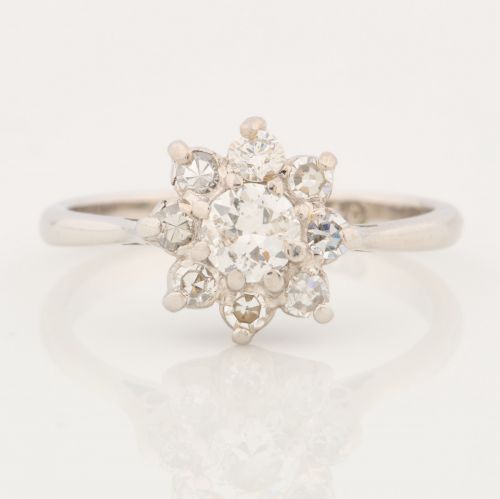
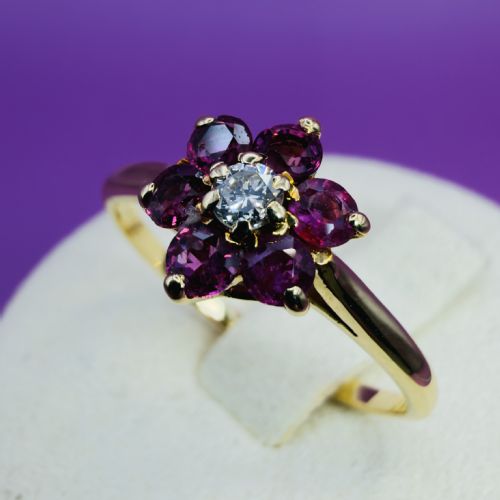
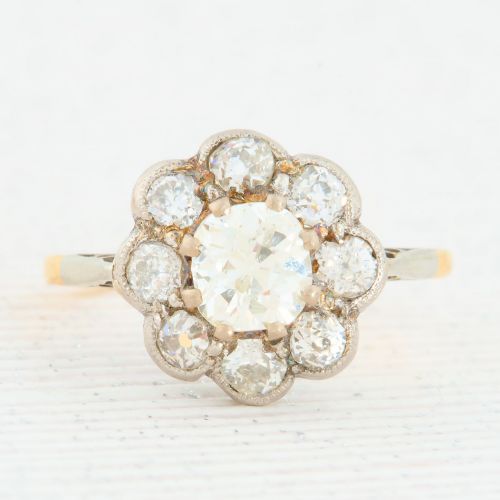
An edwardian daisy ring centres on a cluster arrangement, typically featuring a diamond or coloured gemstone surrounded by a ring of smaller matching stones. This configuration mimics a natural flower, utilising the floral form that dominated jewellery design during the early twentieth century.
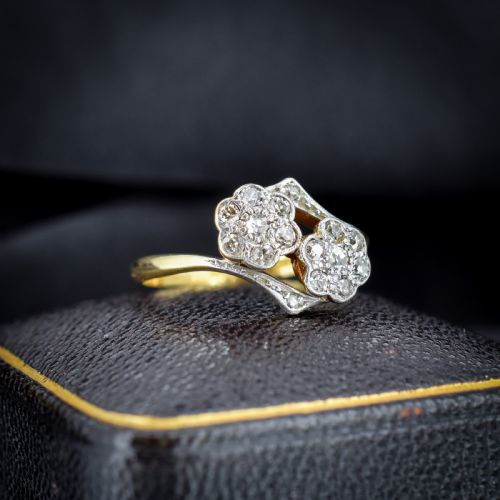
While most examples originate from the Edwardian period and the subsequent Art Deco era, variations span from late Victorian creations through to mid-century revivals. Buyers encounter yellow gold, white gold, and platinum settings configured into single, double, or even triple daisy heads.
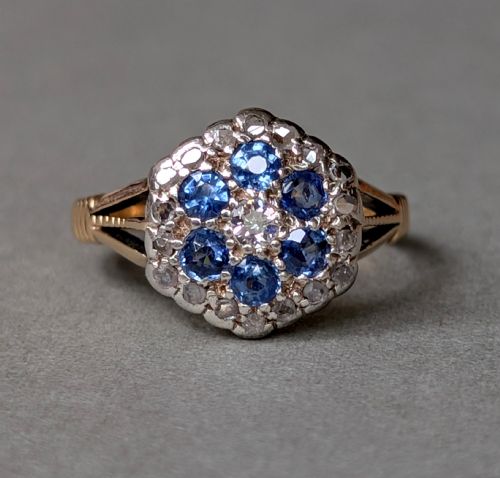
The profile of these rings usually incorporates delicate claw settings or low platforms designed to sit flush against the finger. Gemstones frequently include sapphires, rubies, emeralds, and pearls alongside traditional old-cut diamonds.
How they were made
Goldsmiths constructed these rings primarily using eighteen-carat yellow or white gold for the shank, often pairing it with a platinum top to securely hold the stones while keeping the metalwork visually minimal. Platinum usage increased during this period due to its strength, allowing for finer claws and intricate pierced galleries.
The diamonds set into these clusters are predominantly old-cut stones, such as old European cuts or old mine cuts, which exhibit hand-faceted proportions that catch candlelight differently from modern brilliant cuts. Gemstones were individually bead-set or claw-set by hand into the floral cluster head.
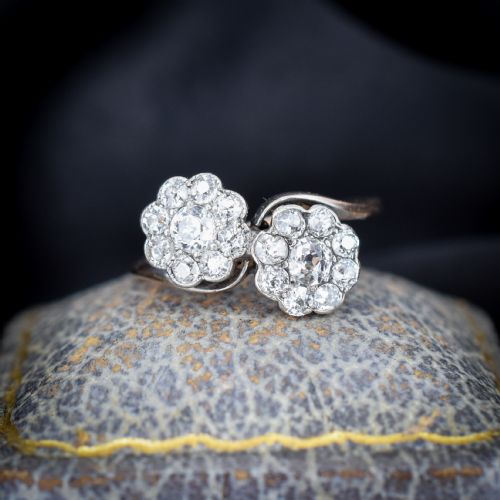
Archival records show recurring double daisy head configurations alongside traditional single cluster engagement rings.
What varies in quality
The overall harmony of the cluster dictates visual success, relying on how well the central stone relates in proportion to the surrounding petal gems. Symmetry in the floral layout and the tightness of the setting work distinguish finer examples from standard production pieces.
Material combination also elevates a piece, particularly the deliberate contrast between yellow gold shanks and platinum-topped diamond clusters that maximise the brilliance of the face-up display. The integrity of the original gallery piercing and the preservation of hand-cut facets contribute significantly to collector interest.
The Edwardian Daisy Ring Glossary
- Old cut
- A diamond facet style hand-polished prior to the standardisation of the modern brilliant cut in the early twentieth century. These stones typically feature smaller tables, higher crowns, and open culets.
- Cluster ring
- A ring design featuring a central gemstone surrounded by a border of smaller stones. This arrangement creates a larger visual footprint on the hand using multiple smaller components.
- Gallery
- The structural metal basket situated beneath the gemstone setting on a ring. Intricate pierced or millegrain-decorated galleries are characteristic of Edwardian workmanship.
- Millegrain
- A decorative jewellery technique involving a line of tiny raised metal beads along the edge of a setting. This finish adds a soft texture that frames the central stones.
- Toi et moi
- French for you and me, describing a ring style featuring two main stones set closely side by side. Some variants incorporate twin daisy cluster heads.
Edwardian Daisy Ring: Frequently Asked Questions
Can I wear an edwardian daisy ring daily?
These rings were built for regular wear during the early twentieth century, utilising durable gold and platinum mountings. Modern owners should nonetheless remove them during heavy manual tasks to protect the delicate claw settings.
Regular checks by a jeweller ensure the tiny stones remain secure within their floral clusters. Proper care preserves both the original metalwork and the antique diamonds for everyday enjoyment.
How do I identify an original edwardian piece?
Authentic pieces display period-specific manufacturing traits, such as platinum-topped gold settings, hand-cut old European diamonds, and fine millegrain detailing. The overall lightness and proportion of the floral head reflect the aesthetic priorities of the era.
Associated hallmarks and the natural wear patterns on the gold shank further support the dating of the ring. Comparing the construction to known period examples clarifies the timeline.
What stones appear besides diamonds?
Sapphires, rubies, and emeralds frequently form the central or peripheral stones in these floral clusters. Pearls also appear as central elements surrounded by diamond petals.
Coloured gemstones provide contrast against the white sparkle of old-cut diamonds, reflecting popular gemstone combinations of the early nineteen hundreds.