
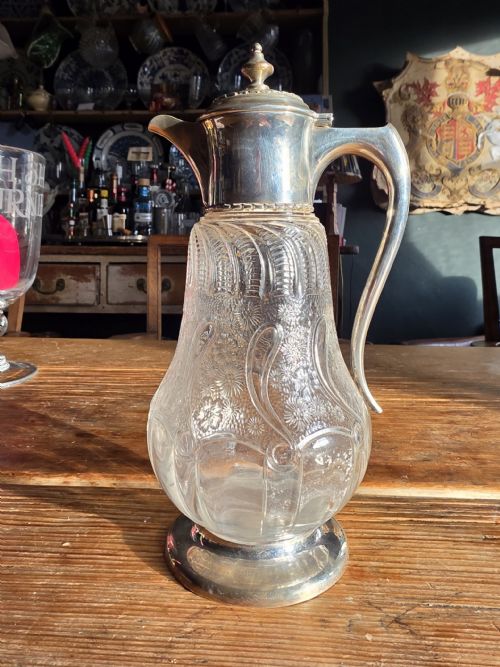
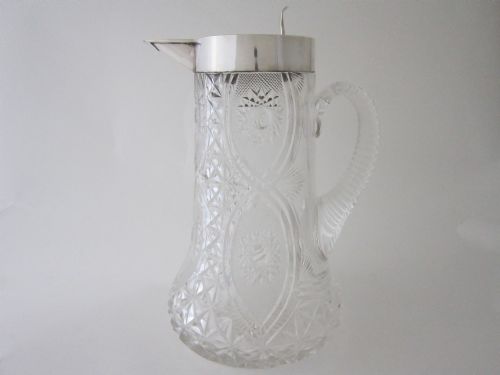
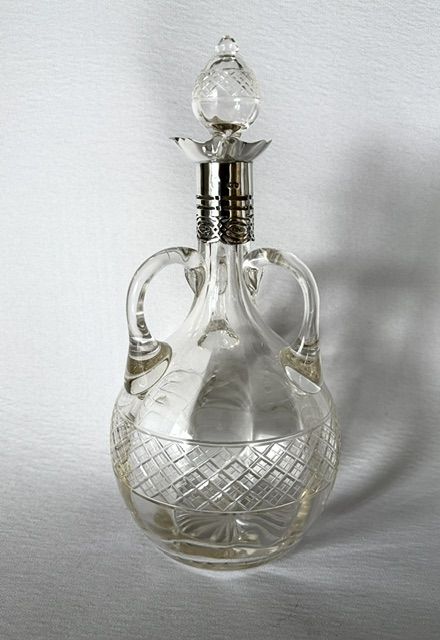
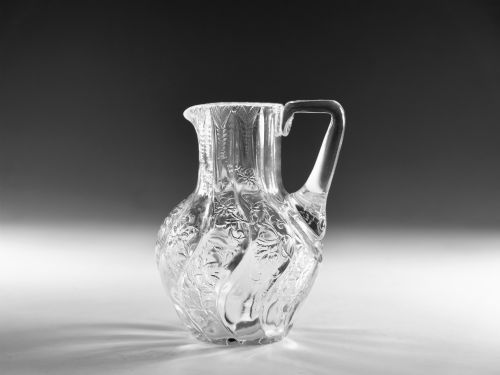


Edwardian Cut Crystal Jug
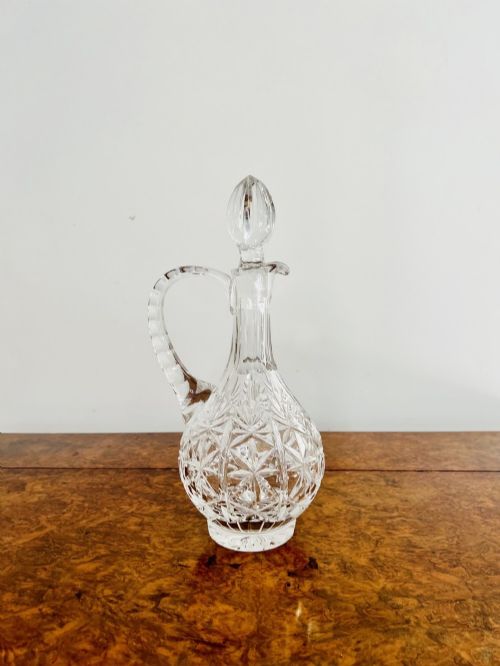
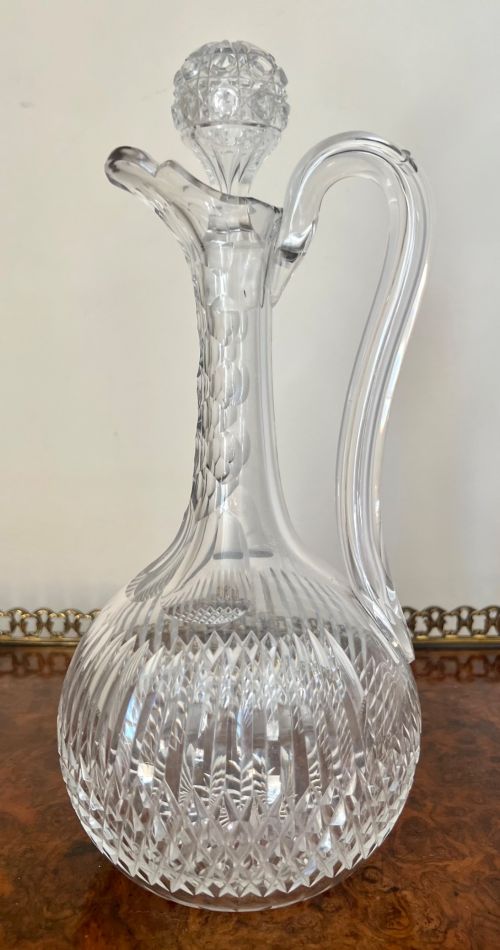
An edwardian cut crystal jug brings bright, heavy sparkle to a table, combining deep wheel-cut glass with polished metal mounts.
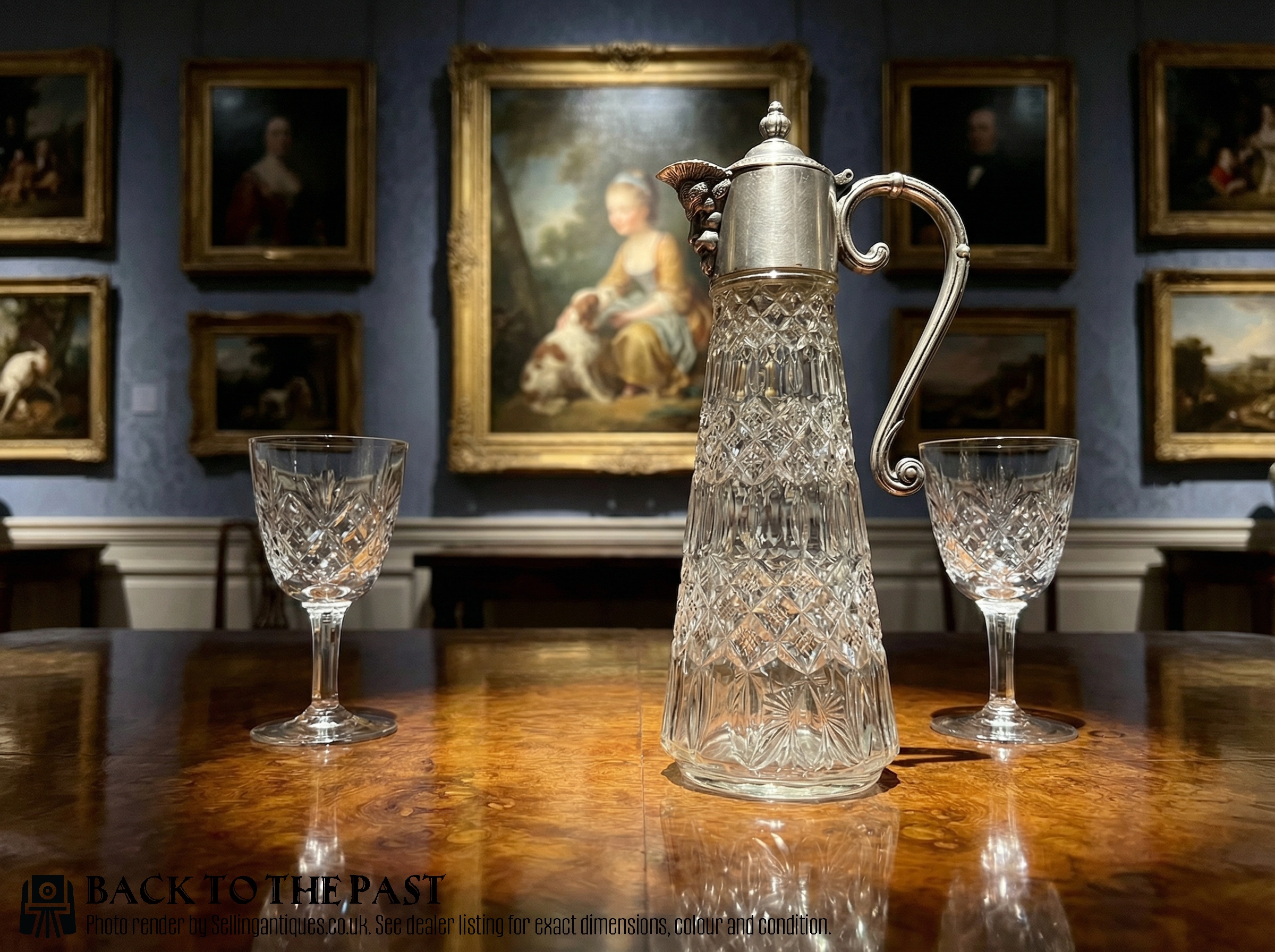
Edwardian Cut Crystal Jug
When you search for an edwardian cut crystal jug, you find heavy serving vessels designed for wine, water, whisky, or cocktails. These pieces combine thick glass bodies with metal mounts, and the Edwardian period forms the core of the selection.
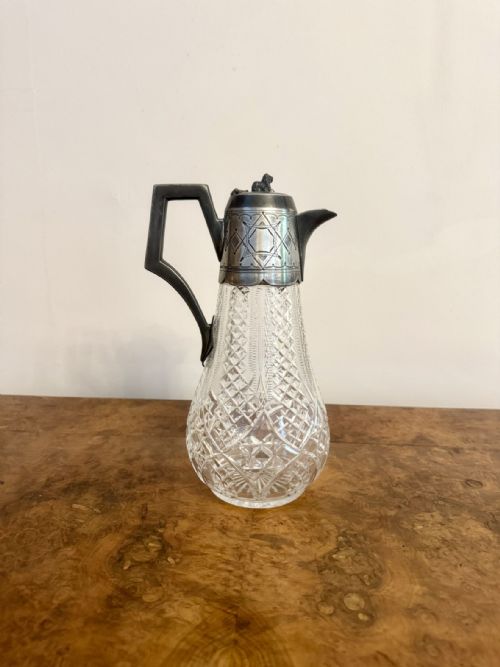
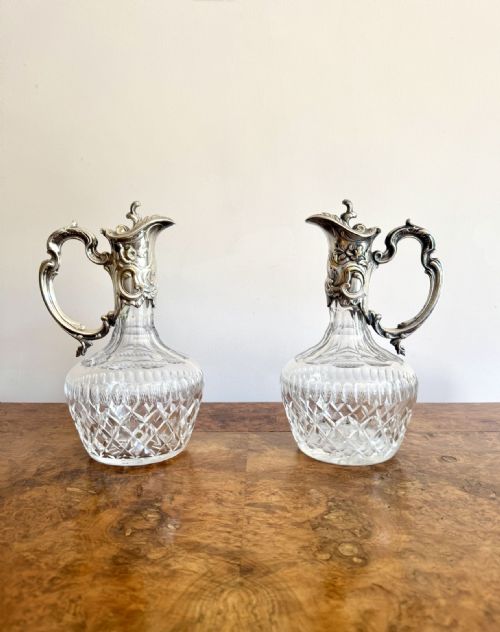
Most examples you meet on this page date from around nineteen hundred to nineteen twenty, alongside Victorian precursors and George V pieces. They appear as claret jugs, water ewers, and cocktail pitchers, often fitted with hinged lids and handles in sterling silver or silver plate.
Materials and Techniques
Makers shaped lead crystal and cut glass by hand, pressing deep geometric and floral patterns into the thick material using rotating wheels. This process created sharp facets that catch light from every angle.
Craftsman fitted silver plate or sterling silver mounts, including collars, hinged lids, and spouts, securing them tightly around the glass necks. Workshops such as Stevens & Williams and Webb Corbett produced notable pieces during this era.
Edwardian Cut Crystal Jug Retail Price Guide 2026
Typical asking prices for edwardian cut crystal jug among the pieces listed under this phrase on Sellingantiques today, from the lower quarter to the upper quarter. They describe what is for sale here now, not the wider market.
Listings feature periods spanning from eighteen sixty through to nineteen twenty, with nineteen hundred forming the most common date.
Quality and Distinction
The weight and clarity of the crystal separate fine examples from standard production, alongside the crispness of the wheel-cut facets. Deeper, sharper cutting requires greater skill and creates more refraction.
The substance and finish of the metal mounts also matter. Heavy sterling silver collars and robust silver plate with detailed casting distinguish the finest vessels from simpler service items.
William Comyns·Stevens & Williams·Webb Corbett·Gorham
The Edwardian Cut Crystal Jug Glossary
- Cut Crystal
- Glass containing lead oxide that is cut and polished with wheels to form decorative facets. This material is heavier and more refractive than standard glass.
- Claret Jug
- A specialised pouring vessel created for serving red wine at the dining table. They frequently feature elaborate silver mounts and hinged covers.
- Ewer
- A large jug with a wide spout and a curved handle, traditionally used for water or wine. Many Victorian and Edwardian examples combine cut glass bodies with metal hardware.
- Silver Plate
- A thin layer of silver bonded to a base metal such as copper or Britannia metal. This technique provided the look of solid silver at a lower cost.
- Intaglio
- A design incised into the surface of the glass rather than left in relief. Webb Corbett utilised this technique for drinking services and pitchers.
Edwardian Cut Crystal Jug: Frequently Asked Questions
How were these jugs used originally?
These vessels served wine, water, or mixed drinks at formal dining tables and drawing rooms during the late nineteenth and early twentieth centuries. Guests poured claret or cocktails from them directly into glasses.
The hinged lids kept contents covered between pours, while sturdy handles provided a secure grip when lifting heavy lead crystal.
Can I use an antique crystal jug for serving today?
Many buyers continue to use these pieces for serving water, wine, or cocktails at modern dinner parties. The thick lead crystal and sturdy silver mounts remain robust enough for practical use.
Hand washing in warm soapy water keeps the glass and silver clean without damaging vintage materials or metal plating.
How do I tell an Edwardian jug from a Victorian one?
Edwardian vessels often feature lighter, airier cutting styles and simpler mounts influenced by the Arts and Crafts movement. Victorian examples tend to be heavier with more elaborate, dense surface decoration.
Looking at the assay marks on the silver mounts helps date the piece accurately, as London and other assay offices stamped year letters on the metal.
What is the difference between crystal and glass?
Lead crystal contains a percentage of lead oxide that increases the weight, density, and refractive index of the material. This composition allows artisans to cut sharper, deeper facets that sparkle brightly.
Standard glass lacks this lead content, making it lighter and less brilliant when cut with geometric patterns.