





Edwardian Correspondence Box
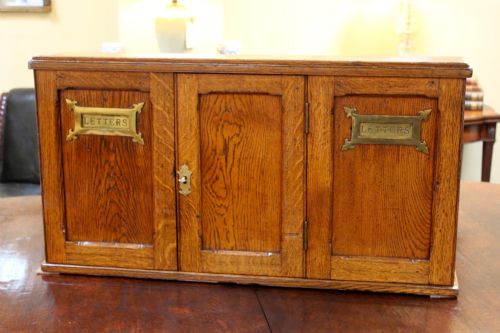
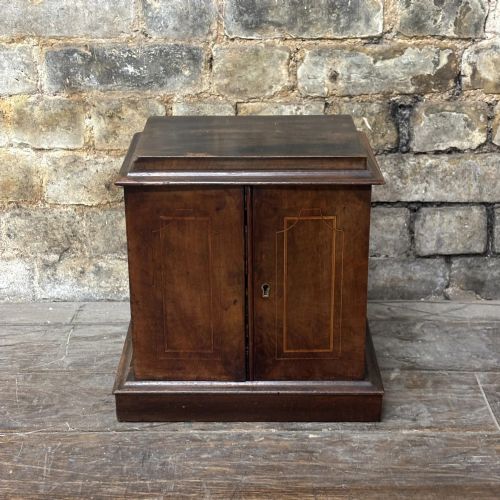
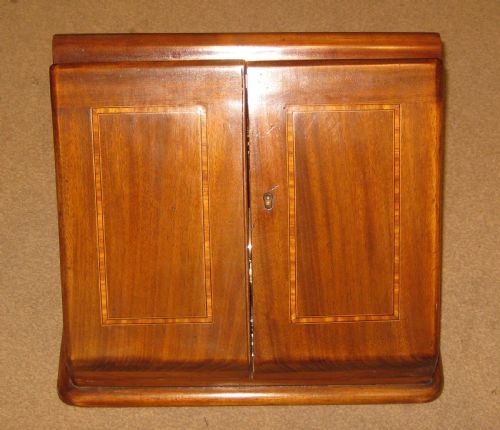
These pieces are Edwardian correspondence boxes, made to organise daily letters and papers with elegance upon a desk.
Edwardian Correspondence Box
An edwardian correspondence box provides a dedicated place for stationery, letters and envelopes in a domestic or professional interior. These items range from fall front desks to post boxes and writing boxes designed for desktop use.
The versions most commonly met on this page include mahogany and oak stationery cabinets alongside brass mounted specimens from the nineteenth and early twentieth centuries. Makers created these desk accessories to suit the formal correspondence habits of the period.
Period examples incorporate variations in style from Arts and Crafts to Anglo Indian influences, reflecting the diverse tastes of the era. Each piece serves to keep writing materials neatly contained while adding architectural character to a study.
Materials and construction
Cabinet makers utilised dense hardwoods such as mahogany, oak and walnut to build the primary structures of these boxes. Selected examples feature decorative veneers like burr satinwood and boxwood inlay to enhance the exterior appearance.
Metal elements including brass mounts and hinges provide both structural reinforcement and decorative contrast against the dark timber surfaces. Joinery techniques from the period ensure robust construction designed for daily handling of correspondence.
Edwardian Correspondence Box Retail Price Guide 2026
Typical asking prices for edwardian correspondence box among the pieces listed under this phrase on Sellingantiques today, from the lower quarter to the upper quarter. They describe what is for sale here now, not the wider market.
A good correspondence box hides your unpaid bills with the same polite dignity it offered a love letter in nineteen hundred.
Assessing quality and craftsmanship
Superior examples display careful selection of timber figure, such as burr walnut or figured mahogany, matched evenly across the visible panels. The integration of contrasting inlay and substantial brass hardware distinguishes finer pieces from plain utilitarian boxes.
The complexity of the interior arrangement, including compartmentalised stationery slots and fall front mechanisms, demonstrates the skill of the original maker. Harmony between exterior timber choice and internal utility marks the difference at the upper end of the range.
The Edwardian Correspondence Box Glossary
- Fall front
- A hinged panel that lowers to provide access to interior compartments or writing surfaces. This mechanism is frequently found on stationery cabinets and desks.
- Stationery cabinet
- A desktop container specifically partitioned for holding envelopes, writing paper and ledgers. These pieces often feature tiered shelving within.
- Brass bound
- Furniture or boxes reinforced at the corners and edges with brass strips and corner pieces. This technique originated to protect campaign chests and was later adopted for domestic boxes.
- Burr satinwood
- A highly figured timber veneer showing swirling knot formations, prized for its decorative grain pattern. Cabinet makers used it on prominent exterior surfaces.
Edwardian Correspondence Box: Frequently Asked Questions
What is an edwardian correspondence box?
An edwardian correspondence box is a small cabinet or container built to hold writing paper, envelopes and incoming letters. They sit upon a desk or table to keep the writing surface tidy.
These pieces reflect the heavy reliance on written communication during the period before telephones became common in every room. They are often fitted with internal dividers and compartments sized for standard stationery.
How were these boxes used daily?
Households and offices used these boxes to sort the daily post, store blank correspondence cards and organise stamps. The drop front or hinged lid kept private letters secure and out of sight.
They served as portable or desktop filing systems for the Victorian and Edwardian writer. Servants or individuals would place incoming mail directly into the designated slots.
Where should I place one at home?
These boxes suit a study, home office or living room where they can rest on a desk, console table or bookshelf. They continue to function as practical containers for modern mail, notebooks or small keepsakes.
Placing them on a flat surface away from direct heat sources helps protect the polished timber and brass hardware. Their compact footprint allows them to fit easily into smaller interior spaces.
How do I tell different periods apart?
Victorian examples often display heavier brass mounts, darker timbers like walnut, and formal decorative carving. Edwardian and later pieces frequently show lighter mahogany tones, simpler lines, or Arts and Crafts influence.
Examining the construction methods, interior lining materials and hardware style helps establish the likely decade of manufacture. Variations in timber choice from oak to exotic veneers provide clear clues to the prevailing style of the era.