

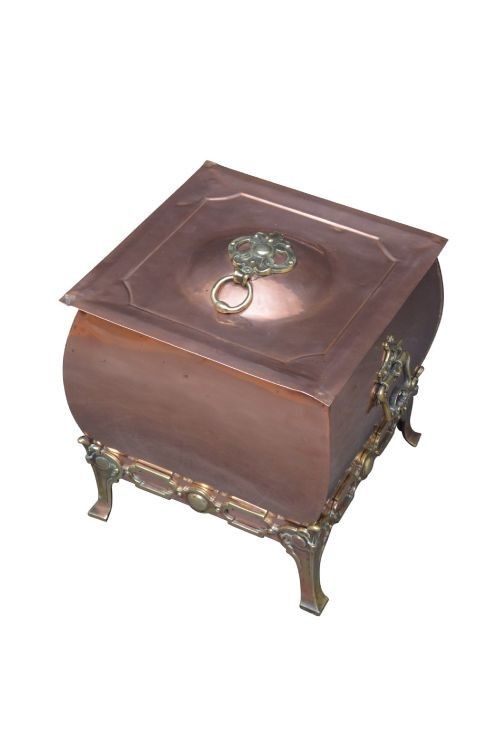
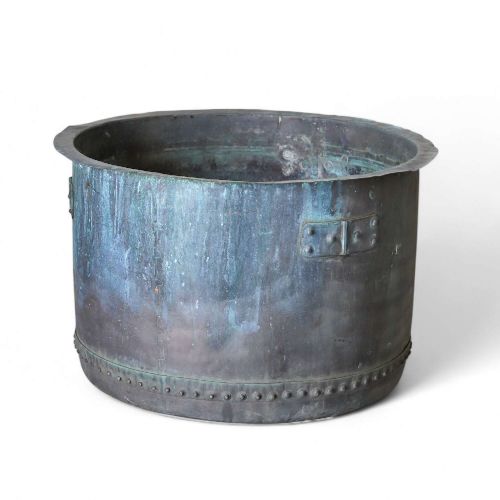


Edwardian Copper Hearth Planter
These edwardian copper hearth planter items are metal vessels crafted for fireside utility and display, offering rich metallic warmth to a room.
Edwardian Copper Hearth Planter
When you search for an edwardian copper hearth planter, you encounter robust metal containers designed for holding coal, logs, or plants near a fireplace. These items bridge utilitarian purpose and domestic decoration, appearing in forms such as coal scuttles, buckets, troughs, and bowls on stands.
The pieces listed on this page span the Victorian, Edwardian, and late nineteenth-century periods, alongside the Arts and Crafts and Art Nouveau movements. You are most likely to meet copper coal buckets and planters shaped by hand or machine during these eras.
How they were made
Makers utilised sheet copper, often combined with brass for handles, rims, and fixings, alongside iron and wrought iron for structural support. Tin also appears as an internal lining material in specific water-holding vessels.
Construction techniques rely on hand-riveting panels together to form durable seams, creating visible joints that contribute to the industrial aesthetic of the Arts and Crafts style.
Edwardian Copper Hearth Planter Retail Price Guide 2026
Typical asking prices for edwardian copper hearth planter among the pieces listed under this phrase on Sellingantiques today, from the lower quarter to the upper quarter. They describe what is for sale here now, not the wider market.
Materials utilised across the current selection include copper, brass, iron, wrought iron, and tin.
What varies in quality
Quality rests upon the weight of the metal and the integrity of the riveted construction, separating sturdier vessels from lighter utilitarian items. Thicker copper sheet maintains its form better under heavy loads of coal or logs.
The presence of hand-beaten detailing and the depth of the natural patina distinguish simpler factory-produced wares from more considered Arts and Crafts or Art Nouveau examples.
Orme Evans & Co
The Edwardian Copper Hearth Planter Glossary
- Patina
- The surface oxidation and ageing accumulated on copper over decades of exposure to air and handling. This coloration signals genuine age and adds depth to the metal.
- Riveted
- Joined together using metal pins hammered flat to secure overlapping sheets of copper. This method provides both structural strength and a decorative finish.
- Arts and Crafts
- A design movement valuing handcraftsmanship, simple forms, and visible construction methods over mass production. Objects from this movement often display honest joinery.
- Coal Scuttle
- A specialised bucket or container designed for carrying and storing domestic coal near a fireplace. Many double as planters due to their deep proportions.
Edwardian Copper Hearth Planter: Frequently Asked Questions
What is an edwardian copper hearth planter used for?
These vessels originally served practical hearth functions such as holding coal or logs for the fireplace, alongside carrying water. Today, collectors frequently repurpose them as indoor planters for large house plants.
Their robust metal construction and waterproof nature make them well-suited for holding potted greenery while protecting interior surfaces.
How do I date an antique copper planter?
Dating relies on observing construction methods, such as hand-riveting versus modern welding, alongside stylistic clues from periods like Arts and Crafts or Art Nouveau. Material combinations, such as wrought iron handles on copper bodies, also point to specific manufacturing eras.
Examining the uniformity of the metal and the style of any brass fittings helps narrow down the decade of production.
Are these planters waterproof?
Many of these metal vessels were originally made to hold coal, logs, or water, meaning they generally hold liquids well. However, older riveted seams can develop small gaps over long periods of use.
It is wise to test a vessel for leaks or use an internal saucer before placing live plants directly inside without protection.
How do I clean a copper hearth planter?
Maintenance typically involves dusting the surface gently to preserve the natural patina built up over generations. Avoid harsh chemical polishes that strip away the aged coloration prized by collectors.
Applying a light microcrystalline wax can protect the metal surface from further oxidation without altering its historic appearance.