

Edwardian Condiment Pot
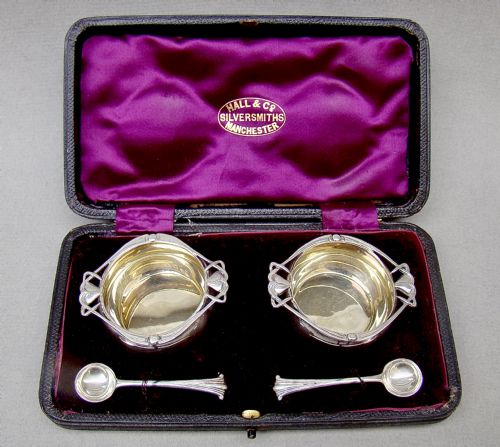
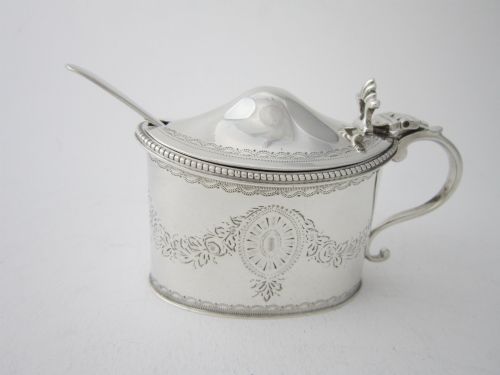
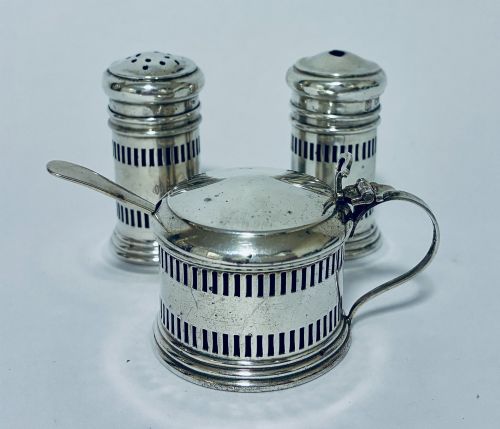
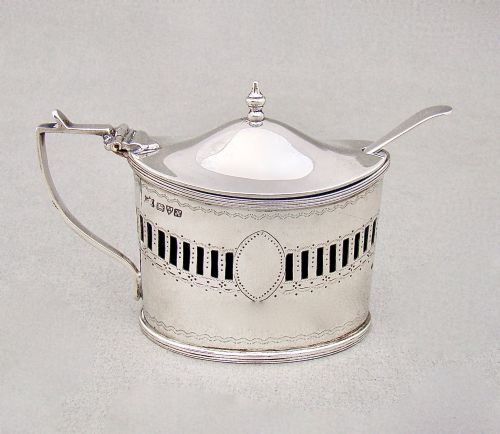
An Edwardian condiment pot brings practical charm to the table, taking the form of silver salt cellars, mustard pots, and novelty peppers.
Edwardian Condiment Pot
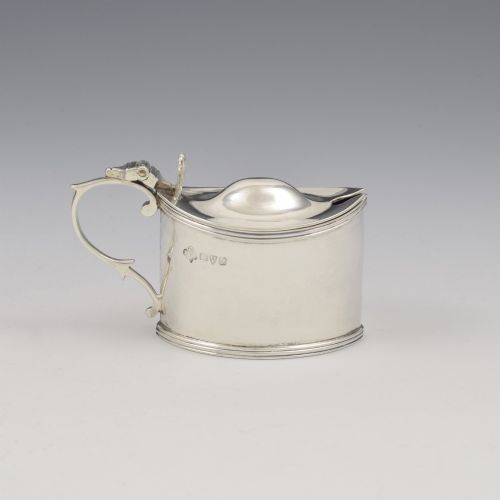
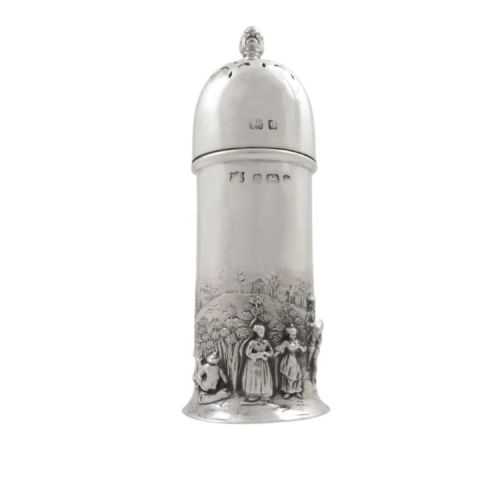
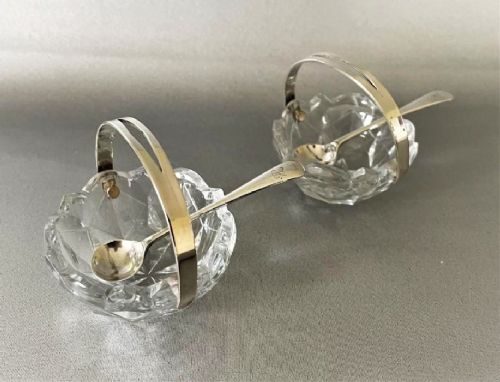
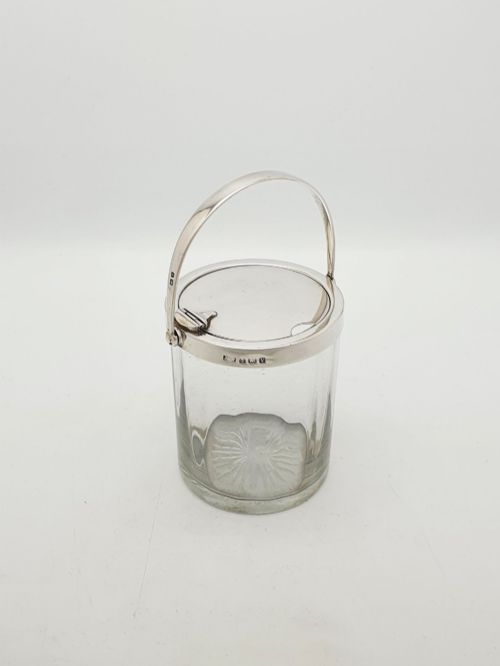
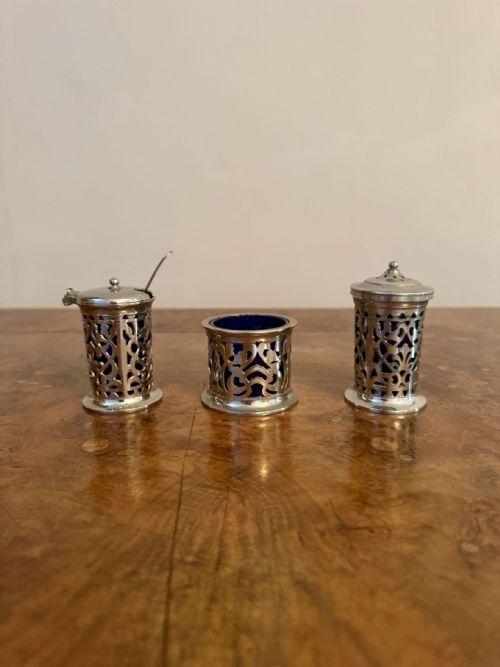
The search for an edwardian condiment pot leads you to tablewares designed to hold salt, mustard, and pepper during meals. You will frequently encounter cruet sets, individual salt cellars, mustard pots with hinged lids, and pepperettes originating from the Edwardian period alongside adjacent Victorian and George V years.
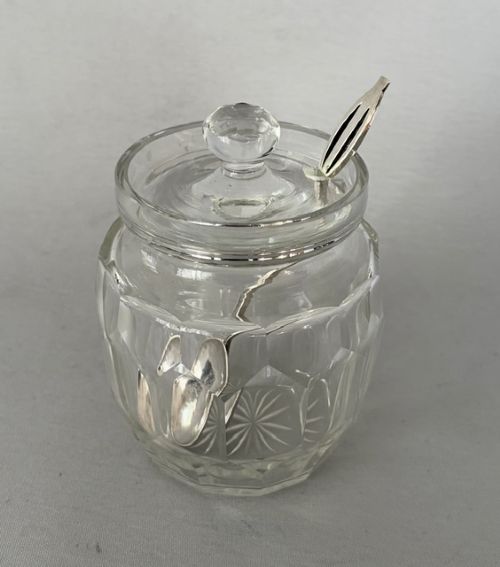
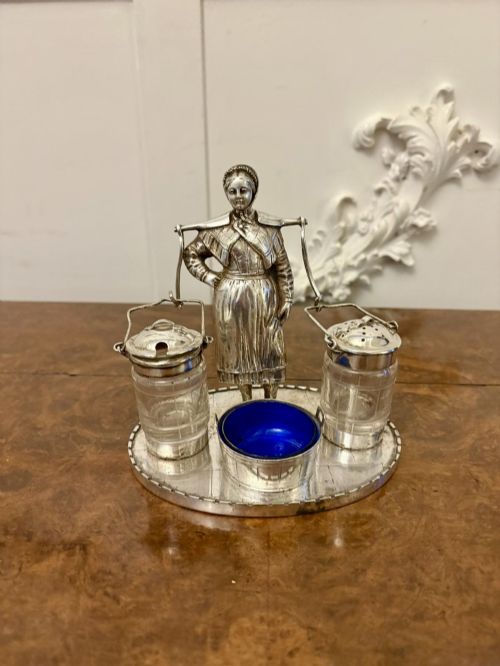
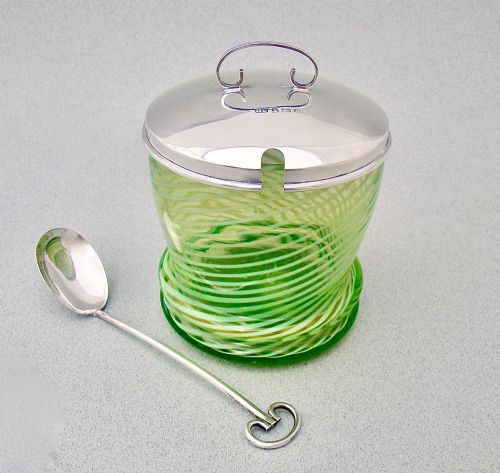
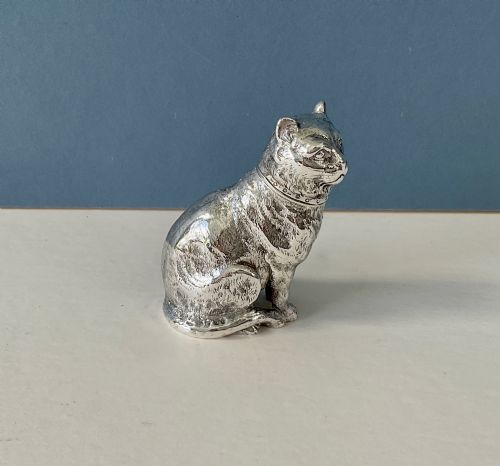
Makers produced these functional items in varying configurations, from single preserve jars to multi-bottle cruet frames. Novelty pieces modelled as animals or figures sit alongside straightforward glass and silver designs on the table.
Materials and Construction
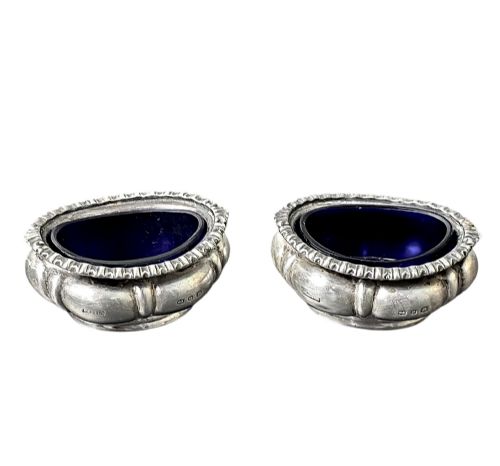
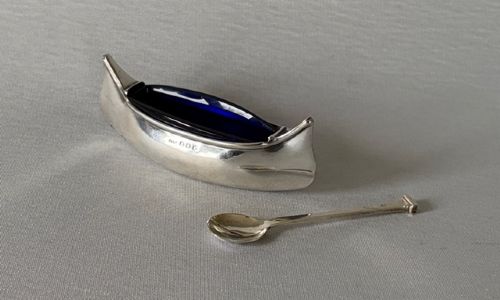
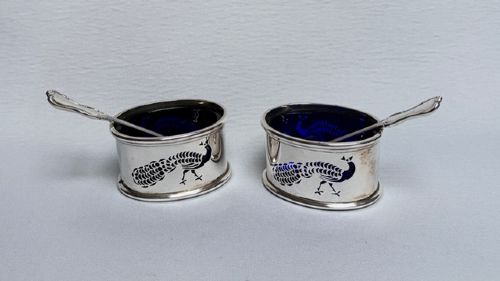
Silversmiths worked in sterling silver and silver plate, shaping metal through piercing, casting, and wirework techniques. Many containers incorporate liners made from cobalt glass, ruby glass, or cranberry glass.
Cut glass and cranberry flashed glass appear frequently as bodies for jam pots and cruet bottles, fitted with silver collars, pierced mounts, or plated stands.
Edwardian Condiment Pot Retail Price Guide 2026
Typical asking prices for edwardian condiment pot among the pieces listed under this phrase on Sellingantiques today, from the lower quarter to the upper quarter. They describe what is for sale here now, not the wider market.
Makers turned everyday seasonings into a menagerie, shaping tiny silver pots as wide-eyed owls, attentive dogs, and Mr Punch's dog Toby.
Standards of Production
Quality separates through the weight of the silver, the precision of pierced decoration, and the crispness of casting in novelty items. Heavier gauge metal and fully articulated hinges distinguish superior pieces.
The integrity of glass liners and the depth of cut glass facets further differentiate standard production from finer workshop outputs.
Josiah Williams & Co·Alfred Marston·Hukin and Heath·Bricks & Sons·Sampson Mordan
The Edwardian Condiment Pot Glossary
- Cruet set
- A fitted stand holding multiple condiment bottles or pots for the dining table. These frames often organise mustard, pepper, and salt containers together.
- Pepperette
- A small shaker designed specifically for dispensing ground pepper. They appear both as standard cylindrical pots and as figurative novelties.
- Salt cellar
- An open bowl used to hold salt before the invention of the mechanical shaker. Diners used tiny spoons or fingers to take salt from these vessels.
- Cobalt glass
- A deep blue glass frequently blown or moulded to form liners for silver salt cellars. The rich colour provides a strong contrast against pierced silver work.
Edwardian Condiment Pot: Frequently Asked Questions
What is an edwardian condiment pot used for?
These vessels held dry seasonings and sauces like mustard, salt, and pepper for formal dining tables. They were placed on the dining table for guests to serve themselves during meals.
Today, they function well for serving small condiments or simply as decorative cabinet pieces reflecting early twentieth-century dining habits.
How do I clean silver condiment pots?
Silver components require gentle cleaning with a specialised silver cloth to maintain the metal surface without removing hallmarks or plating. Glass liners should be washed separately in warm soapy water.
Avoid submerging cemented parts or wooden bases in water to protect the structural integrity of the piece.
Are glass liners original to the pots?
Original glass liners fit snugly into the silver frame and match the specific contours of the pierced or solid metal body. Cobalt and cranberry glass inserts are period-typical pairings.
Replacements do occur, so check that the glass sits level and does not wobble within the silver mount.
How do I identify an Edwardian piece?
Hallmarks stamped on the silver provide the exact year of assay and the maker's mark through stamped duty marks and date letters. Stylistic cues like Art Nouveau curves also point to the era.
Silver plated items often rely on registration numbers or maker stamps rather than official assay hallmarks to indicate their period.