



Edwardian Commercial Sign
These pieces of edwardian commercial sign advertising carry the bold lettering and historic trade names of a bygone high street.
Edwardian Commercial Sign
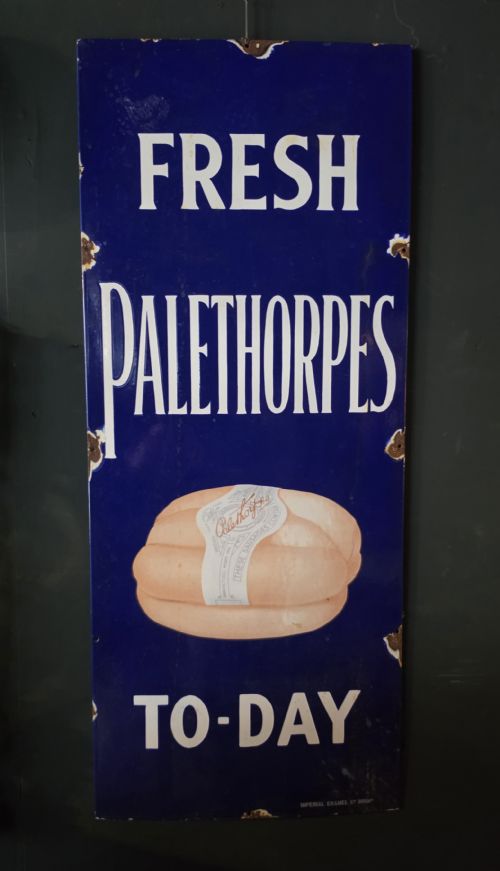
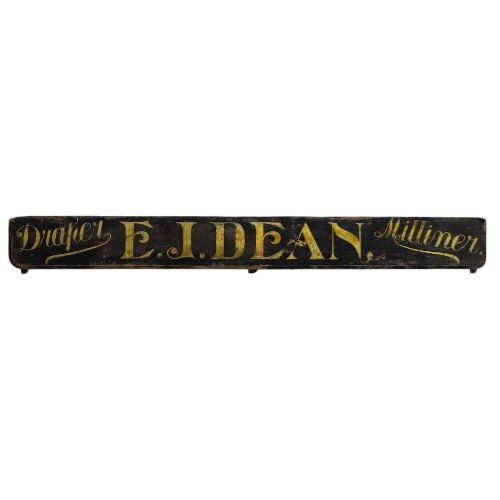
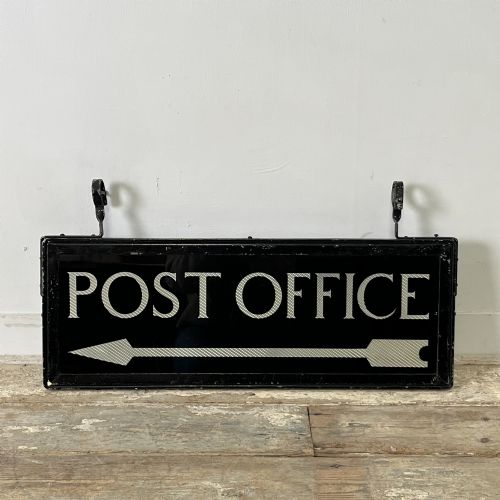
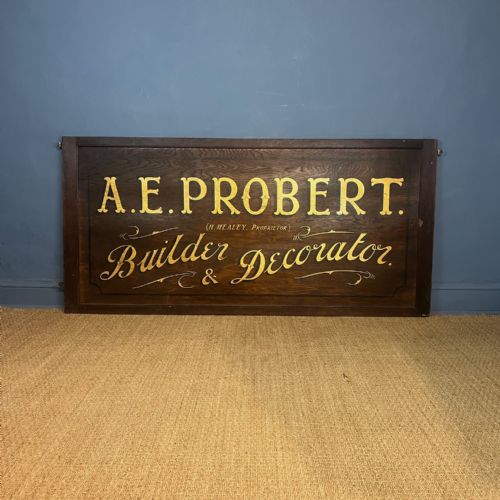
An edwardian commercial sign encompasses the trade boards, window panels, and advertising pieces that hung outside shops or directed customers within during the early decades of the twentieth century. These items served practical purposes for chemists, milliners, drapers, and grocers, bearing the names of commodities like tobacco, sausages, and chocolate.
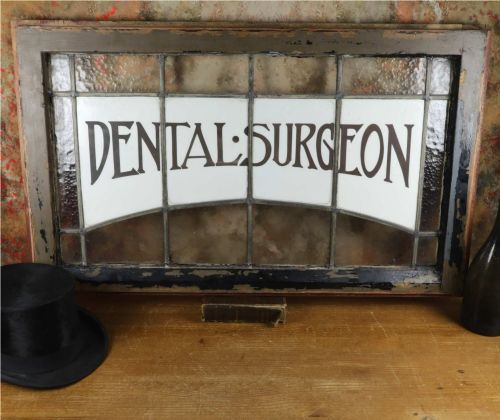
The version most commonly met on this page is the vitreous enamel wall sign or painted glass panel, alongside timber boards and metal advertising pieces. They originate primarily from the Edwardian era and the early twentieth century, reflecting the bustling commercial trade of the period.
How they were made
Makers utilised vitreous enamel fused onto iron or metal plates to create durable outdoor signs that could withstand the weather without fading. Painted glass panels often involved reverse cutting or hand-lettering behind the glass to protect the pigment and maintain a glossy finish.
Listings feature materials spanning glass, vitreous enamel, oak, pine, mahogany, copper, iron, and lead across the Edwardian and early twentieth century periods.
What varies in quality
The quality of an edwardian commercial sign rests primarily on the crispness of the original hand-lettering and the integrity of the surface graphics, whether painted, reverse-cut in glass, or fired in enamel. Pieces with complete, legible trade names and original frames command greater interest than heavily worn examples with lost details.
Materials also dictate the tier of the piece, with substantial cast bronze, framed reverse-cut glass, and heavy copper work representing more specialist manufacturing than standard painted timber boards.
The Edwardian Commercial Sign Glossary
- Vitreous enamel
- A durable material made by fusing powdered glass to a substrate by firing, commonly used on outdoor advertising signs to prevent rust and fading.
- Reverse cut glass
- A technique where lettering and designs are etched or painted on the back of a glass panel so the polished front protects the artwork.
- Architectural salvage
- Building elements and fixtures rescued from demolition or renovation, often including trade signs, door plates, and window panels.
- Trade sign
- A board, figure, or device hung outside or inside a shop to indicate the trade carried on within.
Edwardian Commercial Sign: Frequently Asked Questions
How were edwardian commercial signs displayed?
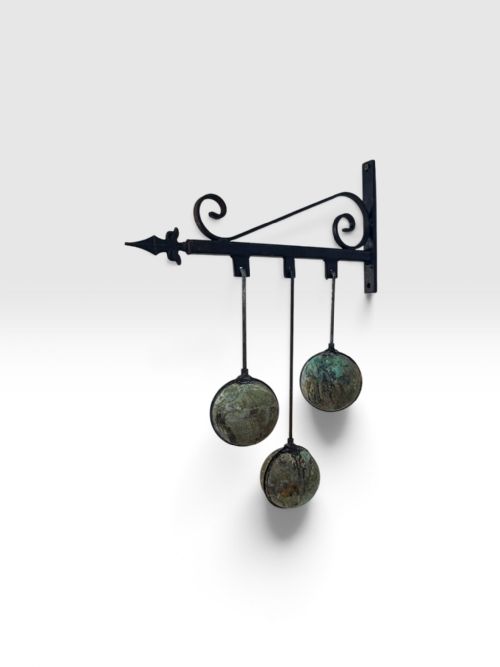
Shopkeepers mounted these pieces on exterior brickwork, hung them perpendicular to the street as projecting signs, or placed them inside windows to attract passing trade. Many were designed as double-sided boards to catch foot traffic moving in both directions along the pavement.
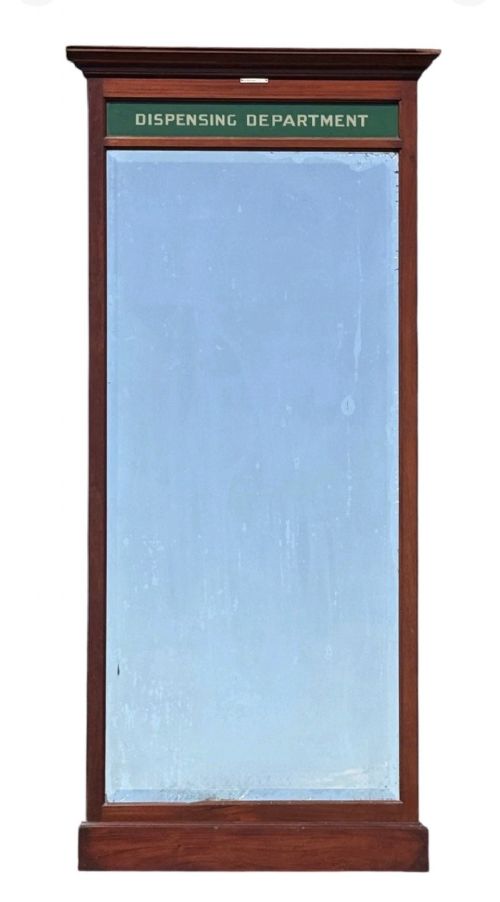
Inside the premises, smaller mirrors and glass panels were hung behind counters or mounted on partition walls to advertise specific goods like tobacco, confectionery, or chemist supplies.
Can I hang an enamel sign outdoors?
Vitreous enamel pieces were originally manufactured to withstand outdoor exposure, utilising fused glass on metal to resist rain and sunlight. However, surviving examples often carry historic edges and mounting holes that warrant careful consideration before exposing them to modern weather.
Many collectors prefer to mount these items on interior walls where humidity and temperature fluctuations remain stable, preserving the remaining paint and enamel surface.
What trades are represented on these signs?
The listings feature signs commissioned by a wide variety of high street merchants, including chemists, milliners, drapers, confectioners, and pawnbrokers. Major brands and specific products such as mustard, soap, tobacco, and chocolate also appear on specialised advertising pieces.
These commodities reflect the everyday commerce of the Edwardian era and the developing corporate branding of early twentieth-century manufacturers.
How do I identify an Edwardian trade sign?
Dating relies on the typography, manufacturing techniques, and specific trade names recorded on the piece, with Edwardian examples showing characteristic lettering styles distinct from later mid-century advertising. Materials like heavy iron brackets, vitreous enamel, and pine boards prepared with traditional hand-painting methods point towards this early twentieth-century window.
Comparing the font style and known operational dates of the referenced shops or products helps confirm the period of manufacture.