
Edwardian Cocktail Ring
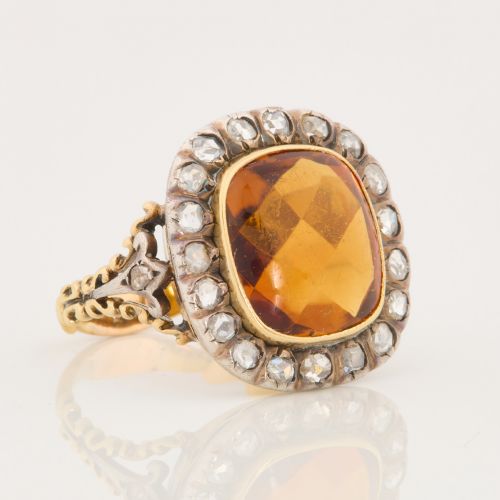
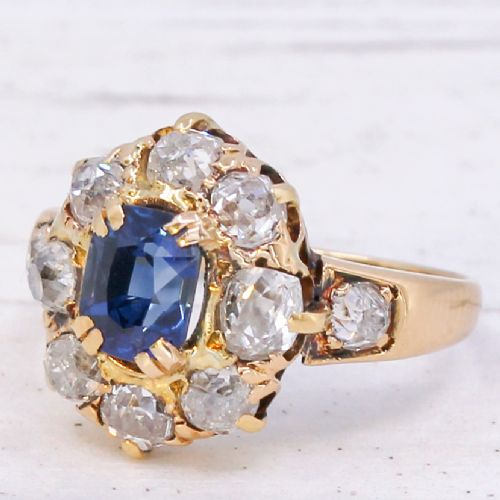
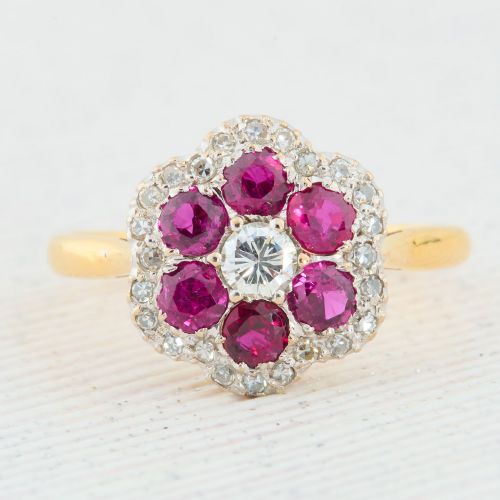
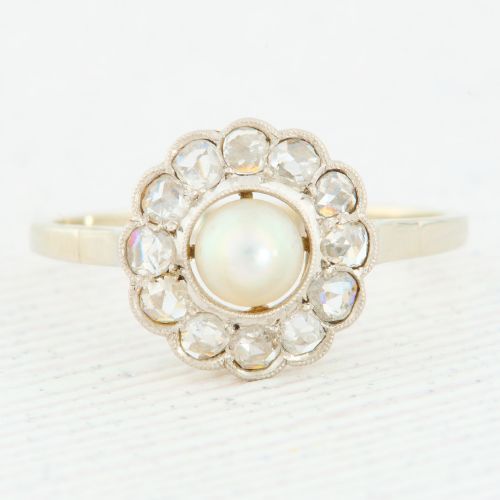
These pieces combine old-cut diamonds and rich gemstones in platinum and gold settings.
Edwardian Cocktail Ring
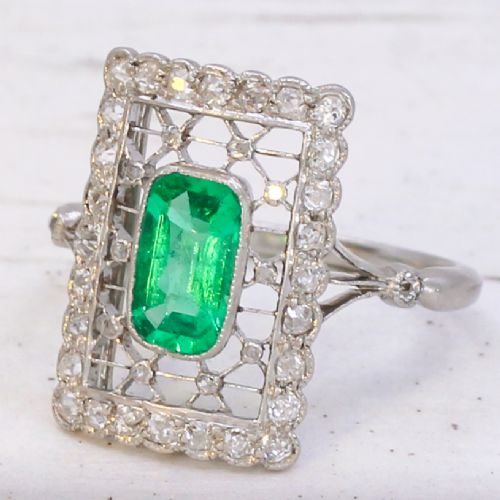
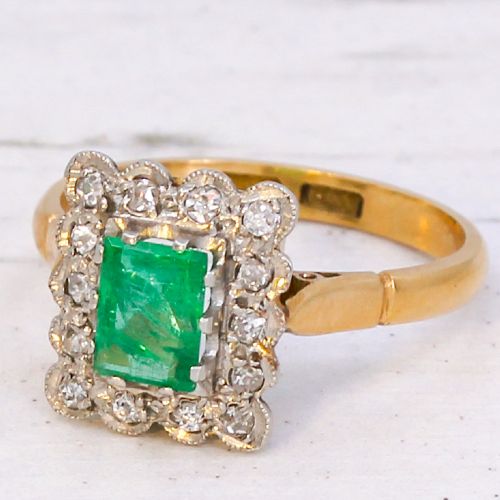
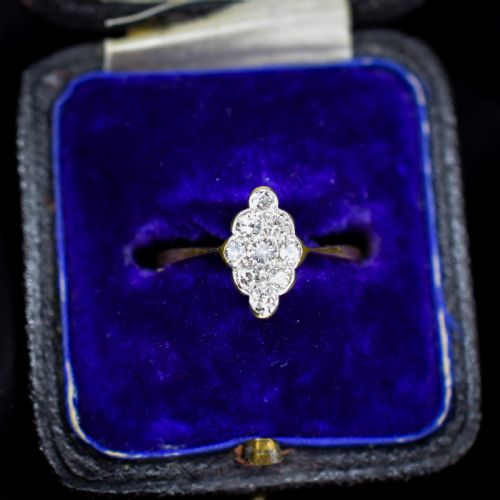
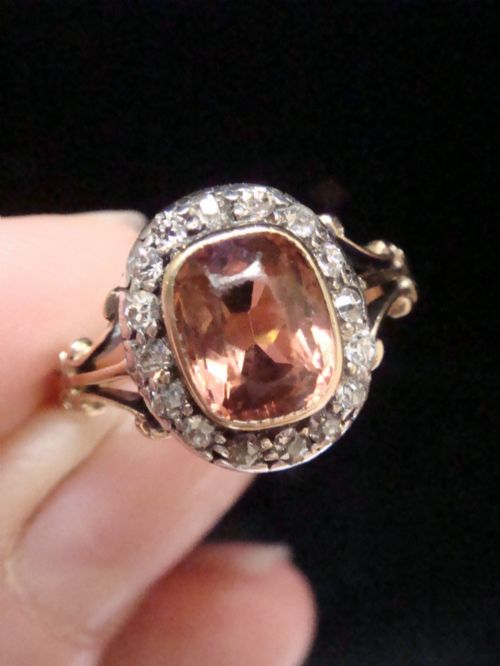
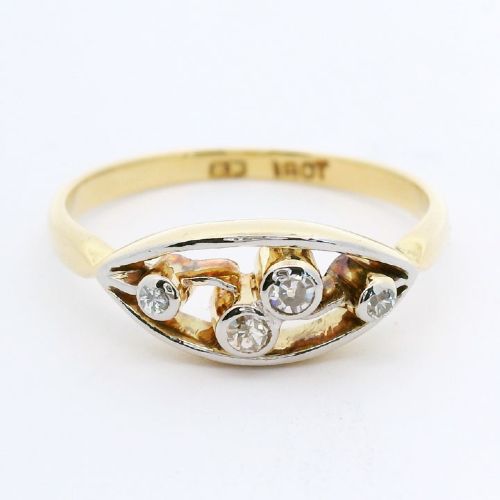
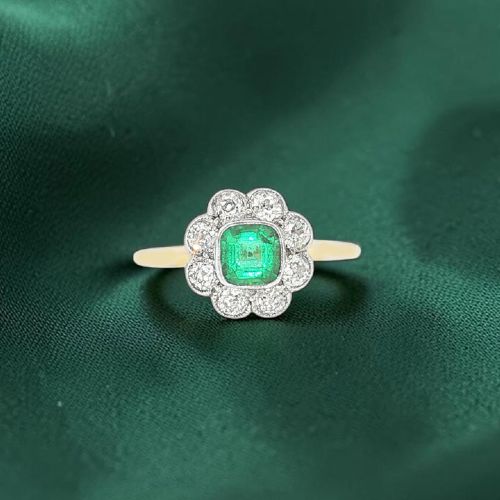
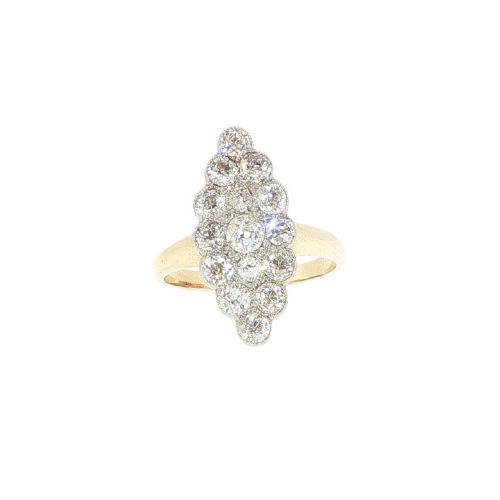
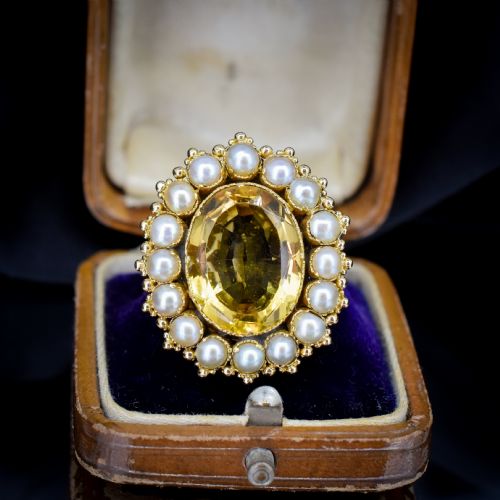
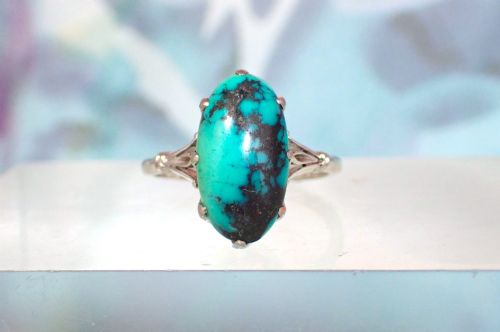
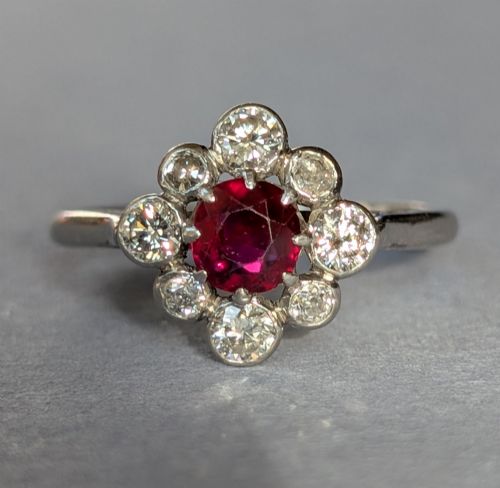
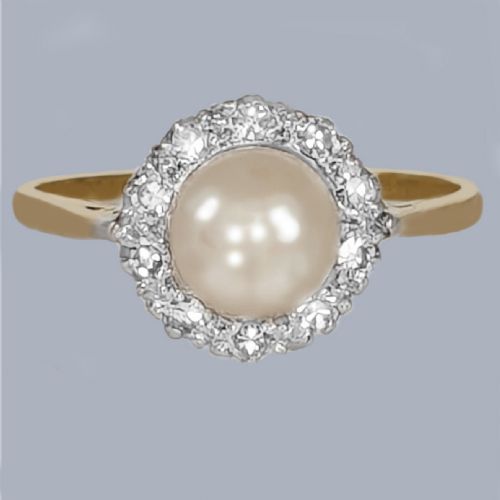
An edwardian cocktail ring serves as a bold finger ornament, originating from early twentieth-century social gatherings where expressive jewellery gained favour. When buyers search for an edwardian cocktail ring, they encounter pieces defined by cluster or navette forms set with central diamonds, emeralds, sapphires or rubies. The items meeting this description span the Edwardian era through to later Art Deco and mid-century revivals, reflecting a continuity of cluster designs.
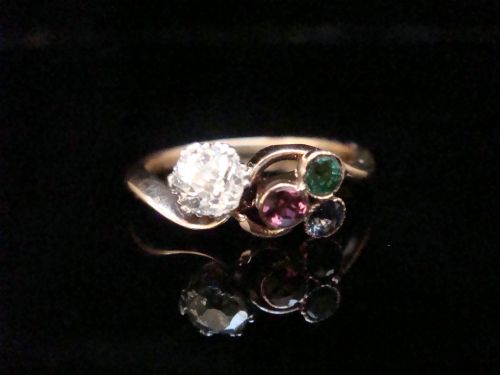
The silhouettes vary from elongated navette shapes that stretch across the finger to dense round clusters and floral arrangements. Settings often combine contrasting gemstones, pairing blue sapphires or green emeralds with sparkling old-cut diamonds. While true Edwardian pieces date from the early nineteen-hundreds, related designs from the nineteen-twenties and nineteen-thirties appear frequently under this heading.
How they were made
Master jewellers constructed these rings using heavy platinum or eighteen-carat gold, frequently employing white gold in later decades to achieve a bright, uniform metal ground. Platinum enabled delicate pierced work and secure prong settings that held complex arrangements of gemstones without adding excessive weight. Goldsmiths combined yellow or white gold shanks with platinum topped cluster heads to maximise the brilliance of the stones.
Stones were hand-cut, featuring old mine cuts, old European cuts and calibre cut sapphires tailored to fit geometric channels. Gemstones such as emeralds, rubies, tourmalines and aquamarines were secured alongside pearls and synthetic stones using traditional claw and bezel techniques.
Dating spans from Victorian and Edwardian origins through Art Deco movements into mid-century cluster variations.
What varies in quality
Quality rests upon the proportion and matching of the central stones relative to the surrounding melee diamonds. Superior examples display high clarity emeralds or unheated sapphires paired with finely matched old-cut diamonds that sit harmoniously within the metal framework. Lower tiers often feature stones with visible inclusions or uneven colour distribution that disrupt the visual balance.
The intricacy of the metalwork distinguishes finer items, particularly where hand-piercing and millegrain edging demonstrate superior bench skill. Stronger structural integrity in the gallery and shank ensures the cluster withstands daily wear without looseness in the settings.
The Edwardian Cocktail Ring Glossary
- Navette
- A boat-shaped ring design that tapers to points at either end. This elongated silhouette flatters the hand by stretching across multiple fingers.
- Old cut
- A diamond facet style cut by hand before modern machinery standardised proportions. These stones feature smaller tables and larger culets that create a softer candlelit sparkle.
- Cluster ring
- A jewellery arrangement where a central stone is surrounded by a border of smaller gems. This configuration maximises visual impact and perceived size.
- Calibre cut
- Gemstones specifically shaped and faceted to fit tightly together in geometric channels. This technique defines crisp architectural lines in period pieces.
- Millegrain
- A decorative border of tiny raised metal beads running along the edges of a setting. It provides a soft textural finish characteristic of early twentieth-century work.
- Culet
- The small flat facet at the bottom of a gemstone where the pavilion facets meet. Older cut diamonds often display a visible culet when viewed from the front.
Edwardian Cocktail Ring: Frequently Asked Questions
How do I care for my ring?
Clean your jewellery gently using warm soapy water and a soft brush, avoiding harsh ultrasonic cleaners that might dislodge older stones.
Store pieces separately in lined boxes to prevent softer gems like opals, pearls or emeralds from scratching against harder diamonds.
Can these rings be resized?
Most gold and platinum bands permit adjustment by a skilled jeweller who understands antique construction methods. Intricate gallery work or continuous channel settings may limit how much the band can change.
Consult a specialist to ensure the structural integrity of the shoulders and side stones remains intact during alteration.
Are the gemstones certified?
Certain pieces include professional gemmological reports detailing origin, treatment status and carat weight. Uncertified items rely on dealer assessment for stone grades and metal purity.
Independent laboratory testing can be arranged for high-value purchases to verify natural origins and enhancement details.
What defines the style?
The aesthetic combines delicate pierced platinum work with prominent central gemstones framed by concentric borders of smaller diamonds. Proportions are designed to catch the eye across a crowded room.
Transition periods blend Edwardian grace with early geometric Art Deco rigour, creating varied visual rhythms.