

Edwardian Coat Tree
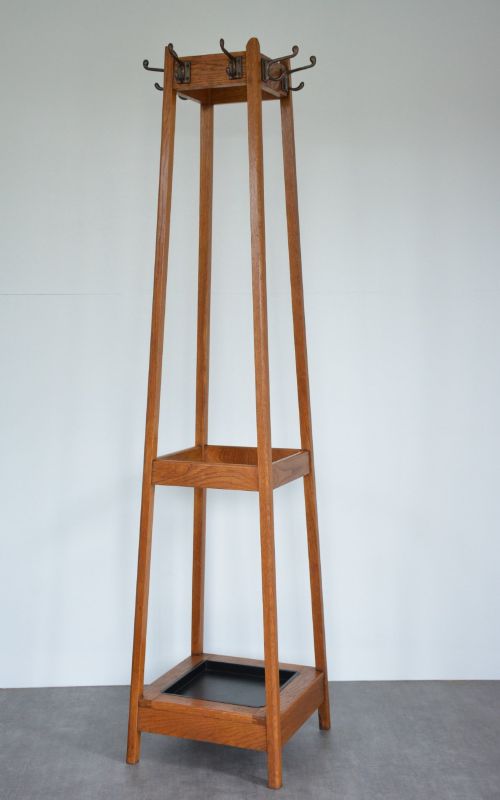
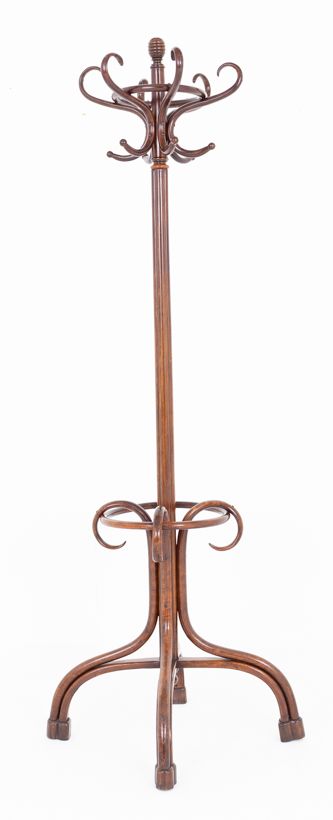
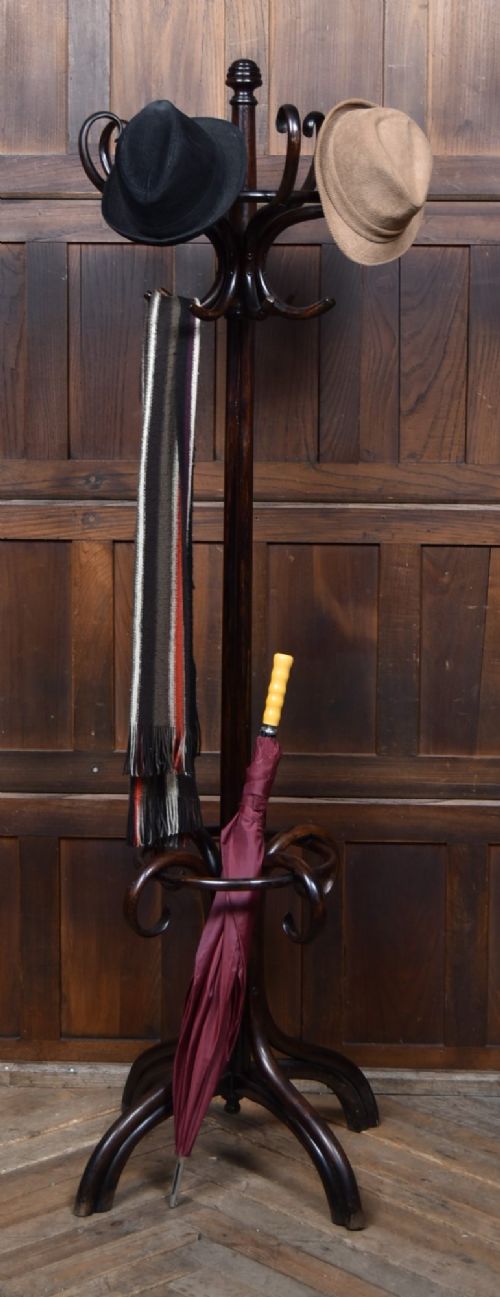
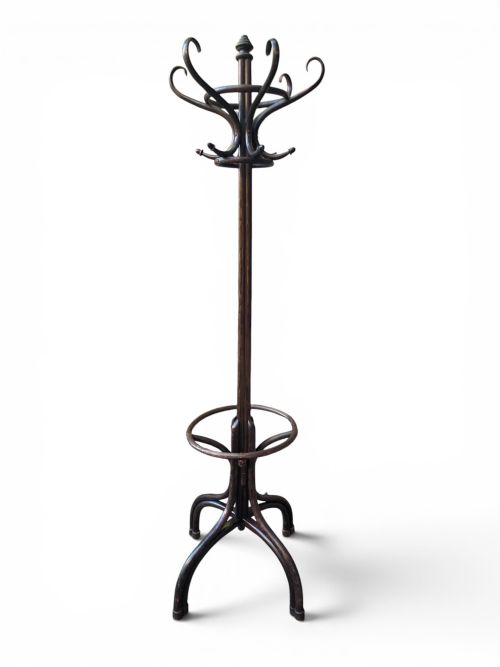
An edwardian coat tree provides an upright timber frame for hats and coats, keeping hallways tidy with carved hooks and umbrella wells.
Edwardian Coat Tree
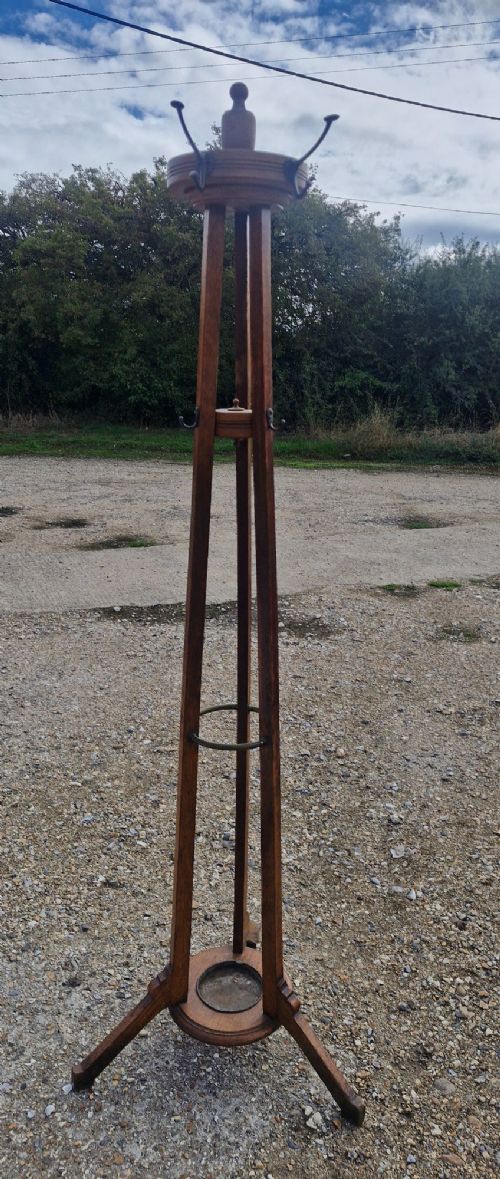
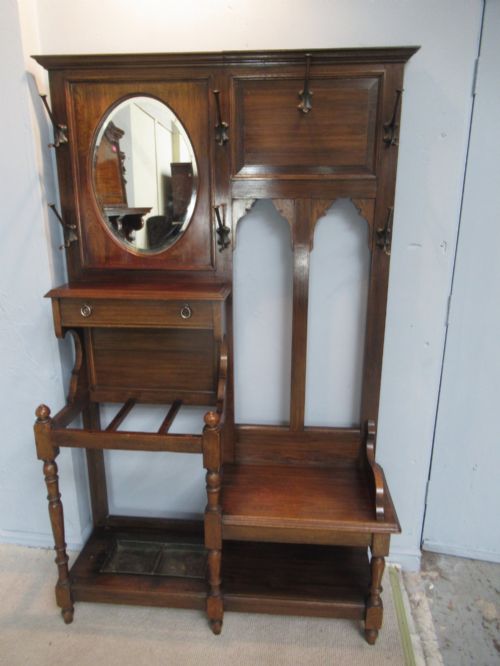
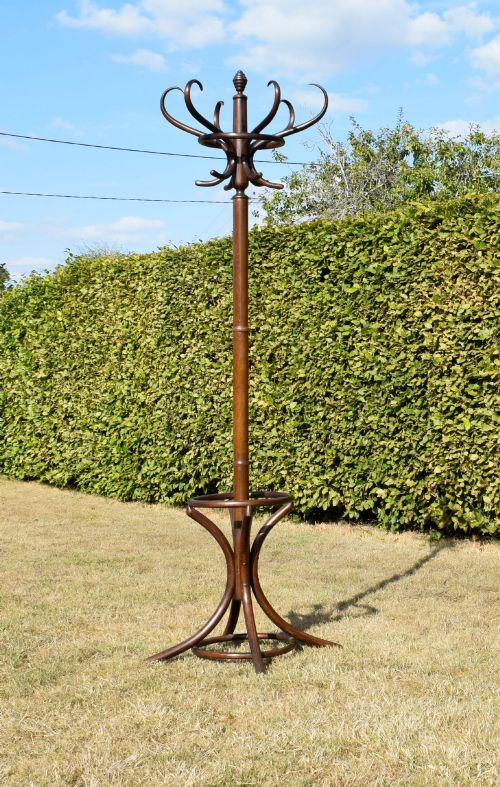
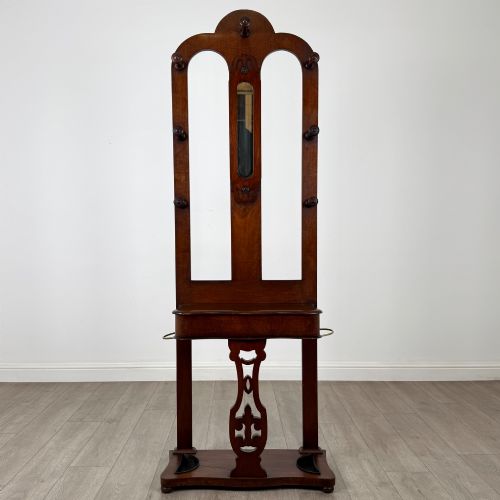
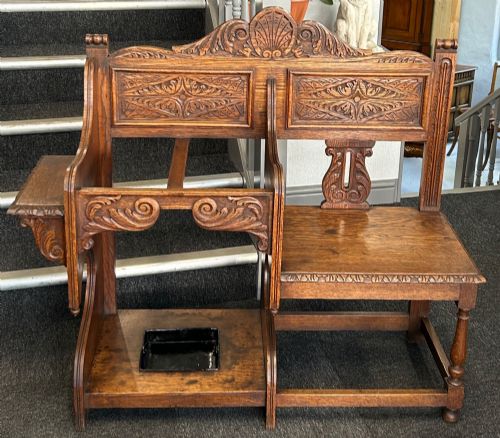
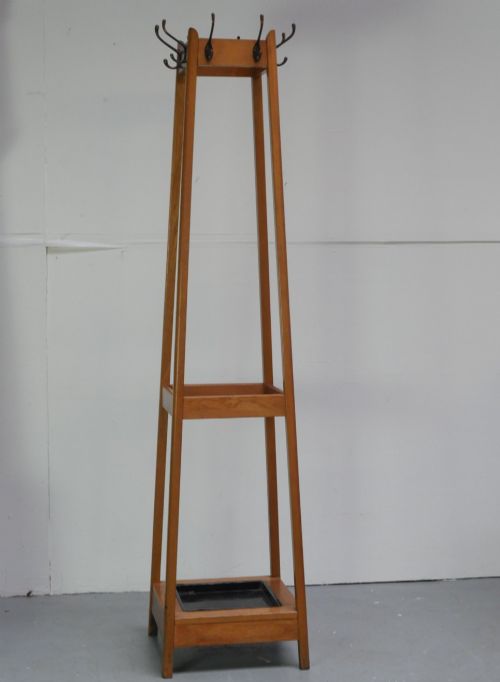
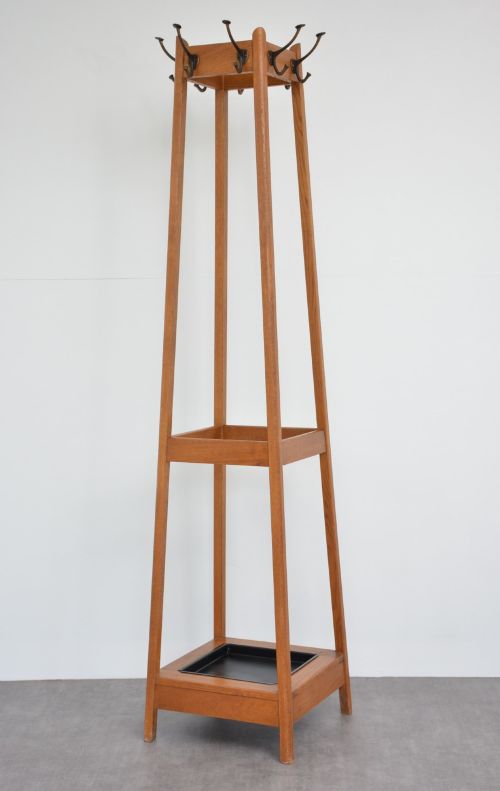
When searching for an edwardian coat tree, buyers encounter upright timber structures designed for entrance halls to hold outerwear, sticks, and hats. The selections available encompass freestanding hall stands, heavy bentwood hat stands, and carved oak furniture pieces from the early twentieth century.
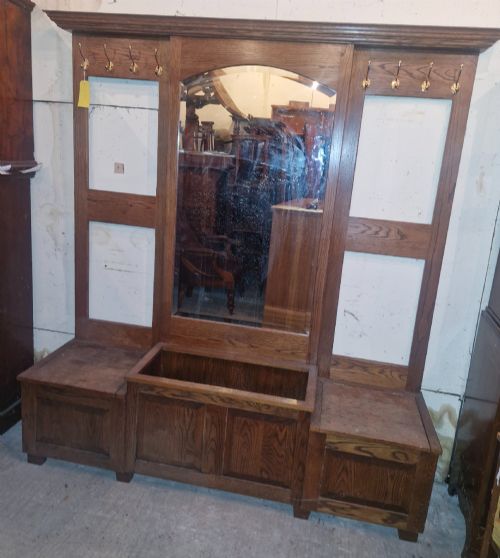
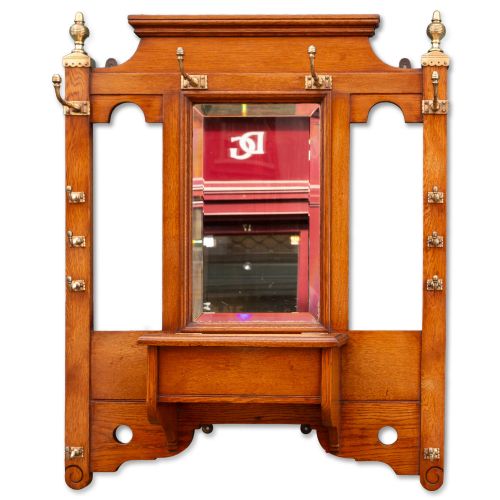
Most examples originate from the Edwardian period or closely adjacent decades such as the Victorian era and the 1920s. These pieces frequently integrate umbrella holders, drip trays, and mirrors alongside multiple rows of metal or wooden coat hooks.
The dominant forms span compact revolving stands, half-round hall stands, and large multi-functional hall seats. Oak and mahogany serve as the primary woods for solid timber designs, while steam-bent beech defines the lighter bentwood variants.
How they were made
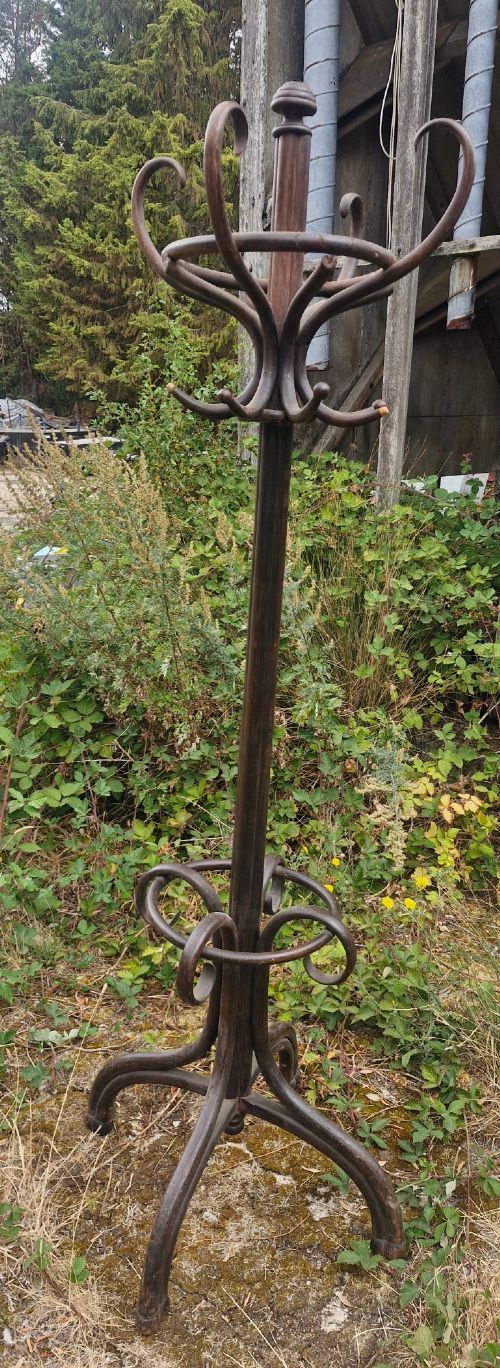
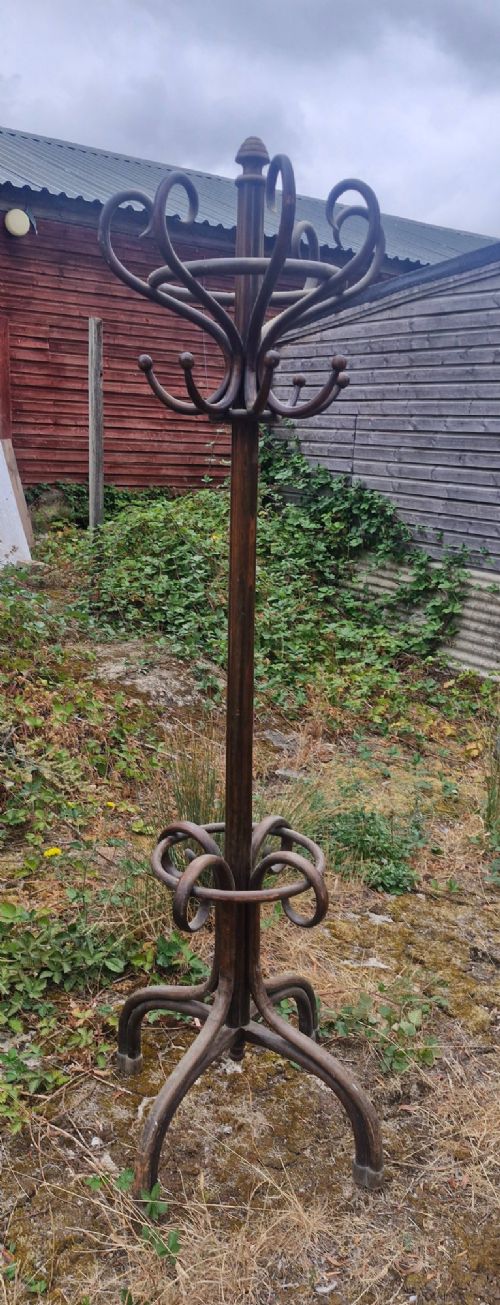
Makers utilised solid hardwoods like oak, walnut, and mahogany, often shaping them with hand-carved details, panels, and applied mouldings. Bentwood examples rely on steam-heated beech forced into curved loops and circular hat rings.
Metal components such as brass hooks, iron brackets, and zinc or metal drip trays were integrated into wooden frames to handle wet umbrellas and heavy garments. Assembly often involved pegged joinery, turning on lathes, and carved decorative motifs like the Green Man or Art Nouveau organic lines.
Listings feature pieces spanning the late nineteenth century through the 1960s, constructed primarily from oak, mahogany, and bent beech.
What varies in quality
The distinction between standard utility items and finer examples rests on the choice of timber and the ambition of the joinery. Solid quarter-sawn oak and figured mahogany with intricate hand-carving represent the higher tier of production.
Stability and structural weight separate robust items from lighter frames. Heavier construction, retained original drip trays, intact brass hooks, and revolving mechanisms that operate smoothly indicate superior initial manufacture and careful preservation.
J. Parker of Woodstock·Thonet·Jas. Shoolbred
The Edwardian Coat Tree Glossary
- Bentwood
- Wood softened by steam and bent into curved shapes. This technique produced light, durable frames popular for hat and coat stands.
- Hall Stand
- A piece of hallway furniture combining coat hooks, umbrella storage, and frequently a mirror or small seat. It served as a central drop-off point for outdoor apparel.
- Drip Tray
- A metal tray placed at the base of a stand to catch water from wet umbrellas. These trays protected wooden floors from moisture damage.
- Revolving
- Designed to rotate on a central pivot or spindle. This allowed easy access to hats and coats hung on multiple sides of the stand.
- Arts and Crafts
- A design movement valuing handcraftsmanship, simple forms, and visible construction methods over mass-produced ornamentation. Pieces from this style often feature solid oak and hammered metal hardware.
Edwardian Coat Tree: Frequently Asked Questions
What is an edwardian coat tree?
An edwardian coat tree is a tall freestanding piece of hall furniture designed to hold hats, coats, and walking sticks in domestic entryways.
These pieces typically feature an upright central shaft mounted with numerous wooden or brass hooks and integrated lower rings for umbrellas.
How do bentwood stands differ from oak ones?
Bentwood stands are constructed from steam-bent beech wood, resulting in a lighter, curved profile with looped hat rings.
Oak stands are heavier, solid timber structures often ornamented with carved panels, mirrors, and built-in seats or umbrella compartments.
How were umbrella trays used?
Umbrella trays were positioned at the base of the stand to catch water draining from wet umbrellas and walking sticks.
These removable metal trays prevented moisture from soaking into the wooden floorboards beneath the furniture.
Where should I place a hall stand?
Hall stands are traditionally situated in entrance hallways or lobbies where family members and guests remove outerwear.
Due to their height and the weight of hanging garments, placing them on level flooring ensures stability during daily use.