


Edwardian Coastal Landscape
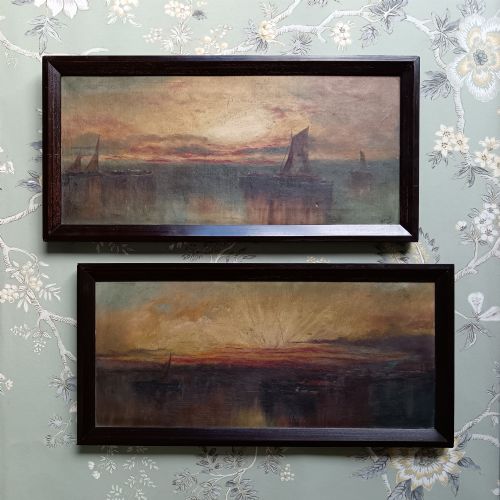
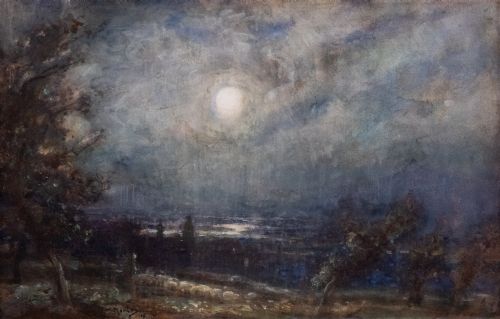
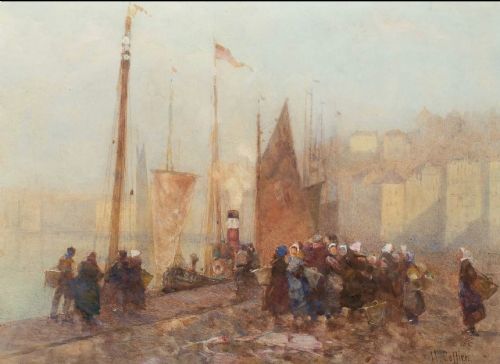
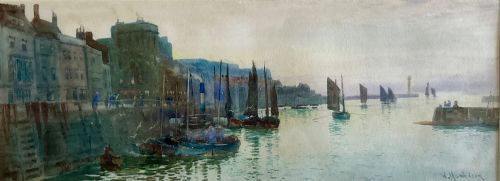
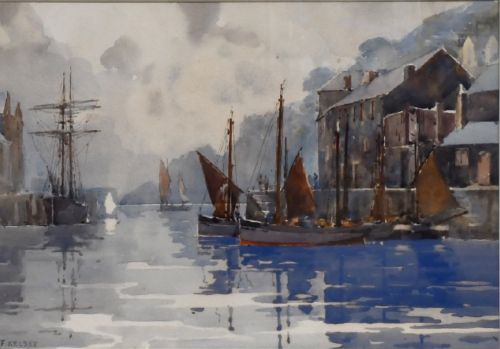
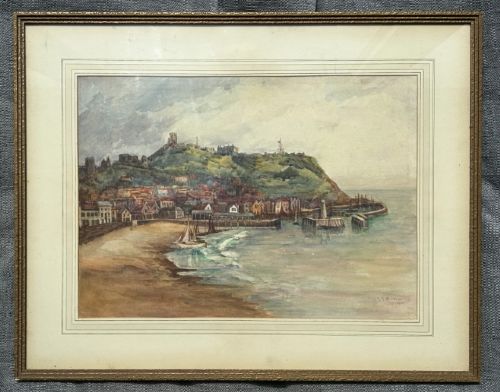
These edwardian coastal landscape works capture shorelines, harbours, and fishing vessels through turn-of-the-century watercolours and oils.
Edwardian Coastal Landscape
When you search for an edwardian coastal landscape, you encounter depictions of British shores, busy Yorkshire harbours, and quiet estuaries painted around the turn of the twentieth century. These works capture maritime scenes from places like Whitby, St Ives, and Scarborough during a period of intense artistic interest in coastal life.
You are most likely to meet watercolour paintings on paper and oil paintings on canvas or board created in the Edwardian era and the surrounding decades. Painters of this time recorded bustling fishing docks, moored boats, and breaking waves with varied levels of finish and local detail.
The selection ranges from intimate topographical watercolours intended for domestic interiors to larger oil paintings recording choppy seas and atmospheric coastal light. Artists frequently signed their works and often noted specific locations in pencil or paint on the front or reverse.
How they were made
Artists utilised watercolour pigment on paper, often combining it with gouache to build opaque highlights on foam, sails, and stonework. Washes of blue and grey established the tones of sea and sky, while finer brushwork defined rigging and architectural details.
Oil painters worked with oil paint on stretched canvas or wooden board, applying both fluid glazes and thick impasto to render movement in water and changing weather. Substantial wooden frames frequently house these canvases, protecting the edges and complementing the palette.
Materials recorded across the selection include paper, canvas, wood, oil paint, and watercolour pigment.
What varies in quality
Quality separates through the artist's command of atmospheric light, aerial perspective, and the handling of water and sky. Superior examples demonstrate confident brushwork that captures transient meteorological effects rather than relying on stiff topographical recording.
The strength of composition and the fidelity of local detail distinguish the finest works from routine production. Skilled painters used subtle colour harmonies to convey sea mists, sunrise, and evening shadows across harbour walls.
Thomas William Morley·Hector Caffieri·William Matthison·Frank Kelsey·Alfred George Morgan·Pieter Cornelis Dommersen·Arthur Tucker·Herbert Royle·Stanley Leader·Fred Waugh·James Watson·George Hamilton Constantine·James Webb·Frank Wood·James Thomas Watts·Leslie Rackham·Sir Herbert Hughes-Stanton·H.E. Tidmarsh·Ernest F. Hill·Frederick Stuart Richardson·Edith E Caswall·E Tucker·Percy Brooke·Alfred Robert Quinton·William Lambert Bell
The Edwardian Coastal Landscape Glossary
- Watercolour
- A paint consisting of a colour pigment suspended in a water-soluble binder, traditionally applied to paper.
- Gouache
- An opaque method of watercolour painting where white pigment is added to create solid, light-reflecting highlights.
- Impasto
- The process of laying paint on canvas in thick layers so that the texture of the brush or palette knife remains visible.
- Provenance
- The documented history of ownership and origin that traces a painting from its creation to the present day.
Edwardian Coastal Landscape: Frequently Asked Questions
Where were these coastal scenes painted?
Painters recorded locations around the British coastline, focusing heavily on Yorkshire fishing ports like Whitby and Staithes, alongside Cornish harbours such as St Ives and Looe. Many works identify the exact bay, estuary, or harbour in the title or signature block.
Foreign views also appear occasionally among the British subjects, recording coastal spots in continental Europe and the Mediterranean during the same period.
How should I care for a watercolour painting?
Watercolours require protection from direct sunlight to prevent the pigments from fading over time. Glazing with conservation glass helps filter ultraviolet light and shields the delicate paper surface from atmospheric moisture.
Hang these pieces on interior walls away from direct heat sources and damp environments to preserve both the paper support and the original framing.
How do I distinguish watercolours from oil paintings?
Watercolours are painted on paper, usually displayed under glass, and rely on the white of the paper showing through translucent washes of pigment. They present a flat surface texture where the grain of the paper remains visible beneath the colour.
Oil paintings utilise canvas or wooden boards as a base, featuring heavier layers of paint that can hold visible brush marks and physical depth. They do not require glass protection and possess a distinct oil sheen across the surface.
What subjects feature in these works?
Common subjects include returning fishing fleets, moored sailing boats, stormy seas, and quiet estuaries under morning or evening light. Figures hauling seaweed, working on docks, or walking along beaches frequently add scale to the shoreline.
Architectural elements such as ruined abbeys, castle walls, and harbour lighthouses often anchor the background of the composition.