

Edwardian Club Armchair
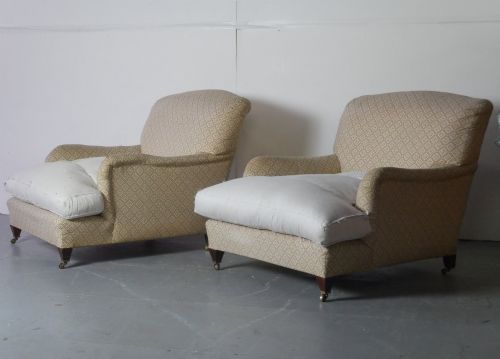
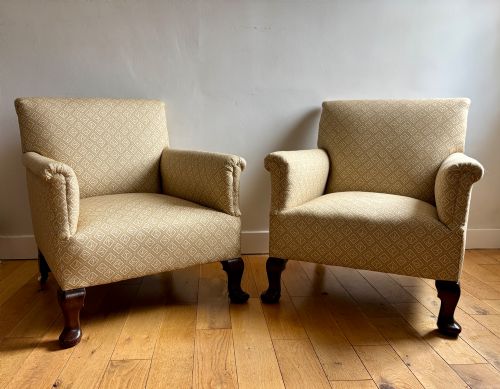
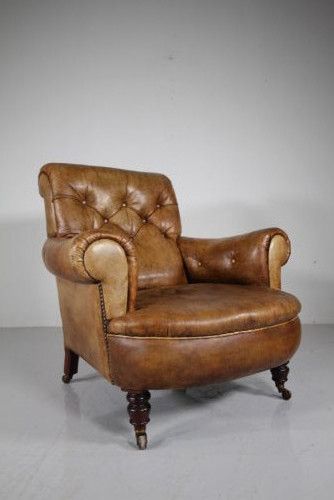
An edwardian club armchair is a substantial, deep-seated lounge seat built for comfort, and buyers seek them for their enduring English country house character.
Edwardian Club Armchair
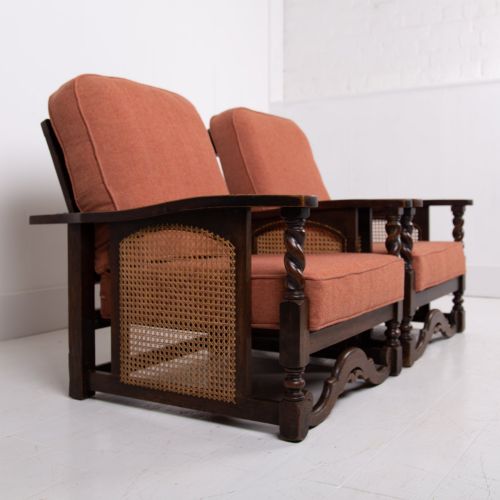
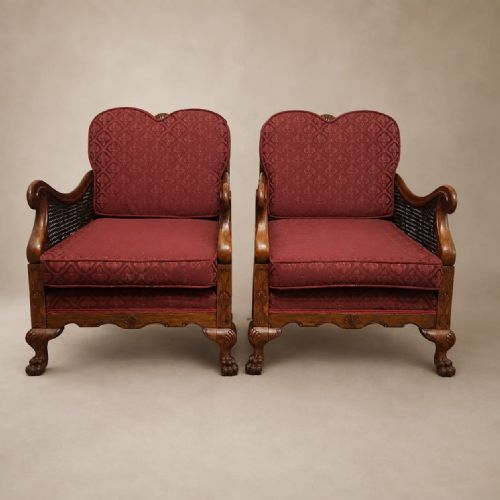
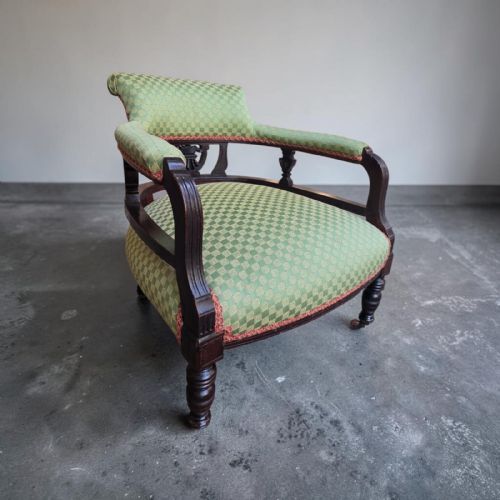
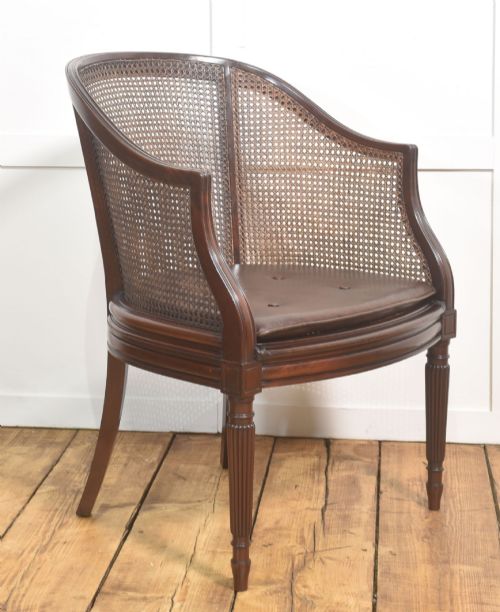
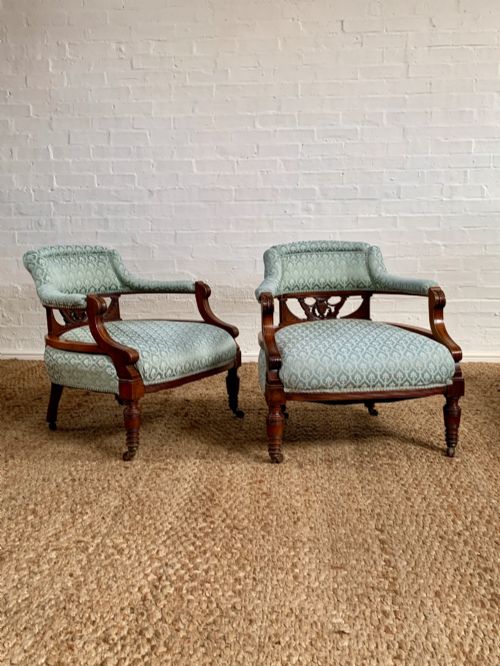
When searching for an edwardian club armchair, collectors encounter heavy timber frames upholstered in leather, fabric, or velvet, alongside lighter cane-panelled bergere forms. The most frequently met examples date from the late nineteenth century through to the nineteen-twenties, often reflecting the generous proportions typical of English country house seating.
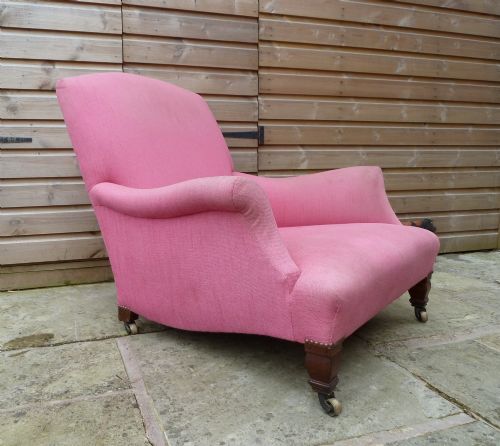
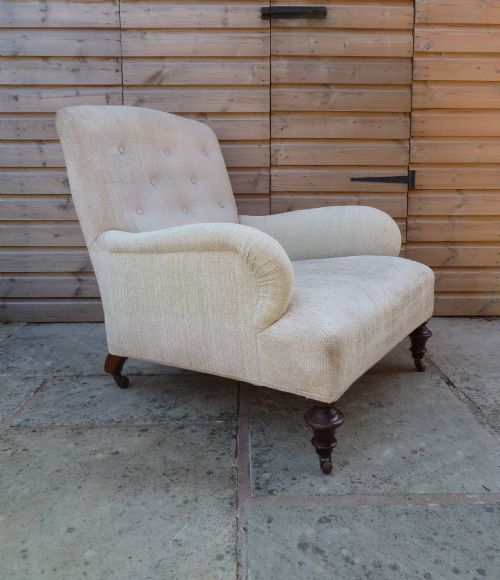
Many variants display maker influences such as the distinctive low-slung profiles associated with Howard and Sons, while others show simpler tub chair designs or library armchairs. These pieces vary from compact button-backed loungers to large-scale deep-seated chairs designed specifically for relaxed sitting.
How they were made
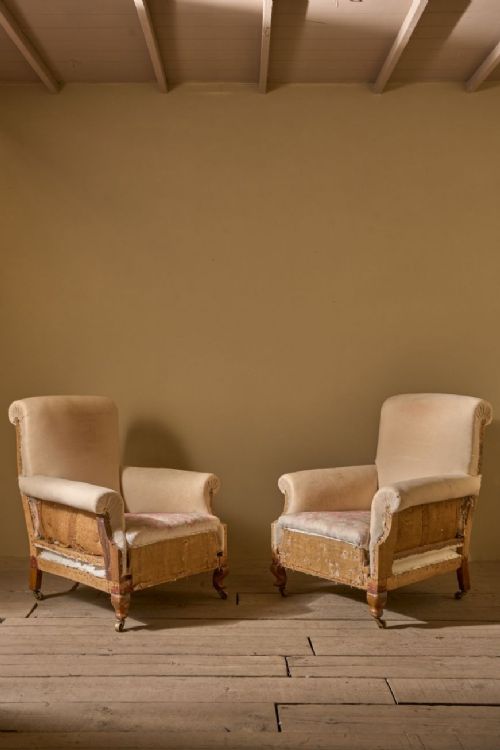
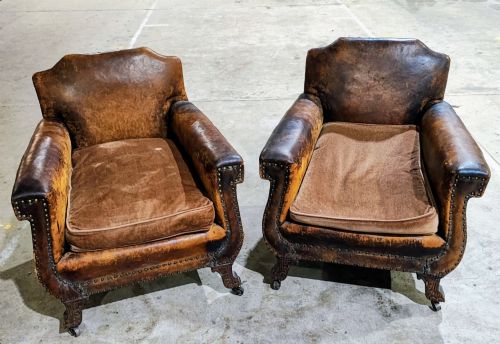
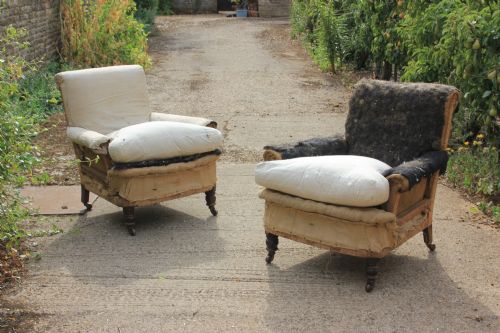
Makers constructed the structural frames of these armchairs using sturdy timbers such as mahogany, oak, and walnut, frequently incorporating bentwood components for curved tub backs. Brass castors and individual brass stud work often appeared as functional and decorative finishing details on upholstered models.
Upholstery techniques relied on deep-sprung interiors paired with durable coverings of leather, woven fabric, or split cane panels. Frames were sometimes left exposed to highlight the polished wood grain, particularly on walnut and mahogany framed versions.
Period styles represented across the selection include Jacobean Revival, Sheraton Revival, Scottish School, and Art Deco.
What varies in quality
The distinction between standard examples and top-tier pieces rests upon the integrity of the internal springing and the substance of the timber framework. Heavier, deeper frames with substantial timber construction typically indicate superior baseline manufacture.
Material selection further defines the range, from plain wooden frames to finely figured walnut or mahogany, paired with high-grade leather or intricate split cane work. Pieces bearing attribution to established cabinet makers or distinct design schools generally command greater appreciation.
Howard and Sons·Whytock and Reid·Holland and Sons·Hampton and Sons
The Edwardian Club Armchair Glossary
- Bergere
- An enclosed armchair with cane-work panels set into the wooden frame. This French-influenced style appeared frequently in Edwardian drawing rooms.
- Tub chair
- A seating form featuring a continuous curved back and arms that enclose the sitter. They often stand on slender mahogany or walnut legs.
- Fireside chair
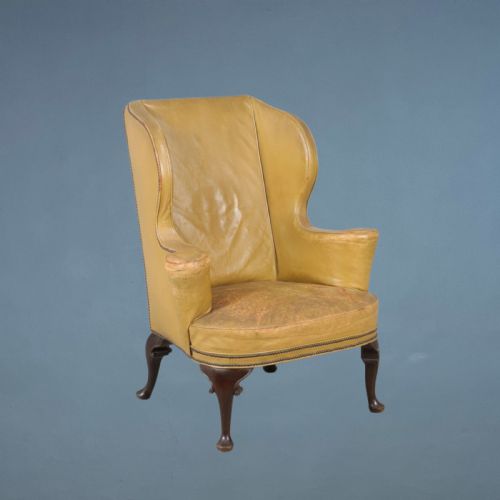
- A low-slung seating piece designed to sit comfortably near a hearth. These often feature supportive upholstered wings or deep padding.
- Library armchair
- A sturdy, leather-upholstered seat built for prolonged reading and study. They usually exhibit robust timber frames and conservative proportions.
Edwardian Club Armchair: Frequently Asked Questions
What defines an edwardian club armchair?
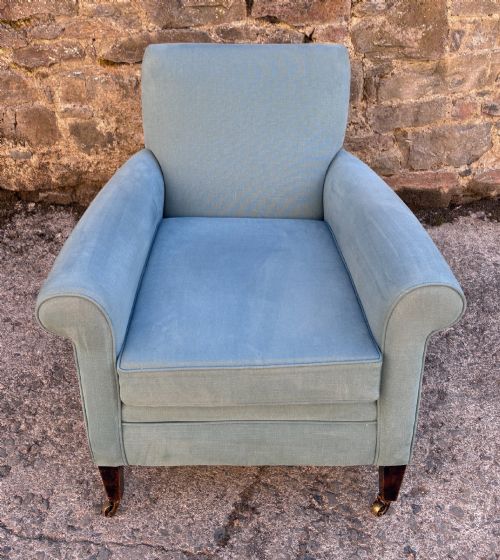
An edwardian club armchair is characterised by a deep, sprung seat and a low back designed for relaxed lounging. These chairs frequently use substantial leather upholstery over robust timber frames.
Many examples draw inspiration from nineteenth-century comfort-focused designs, featuring rolled arms and generous proportions suitable for domestic studies and country houses.
How do I spot a Howard style armchair?
Howard style armchairs are recognised by their exceptionally low-slung profile, coiled sprung seating, and distinctive tapered wooden legs fitted with brass castors. They prioritize ergonomic comfort above rigid formality.
Genuine pieces or period style equivalents often bear specific caster stampings or paper labels identifying the maker beneath the upholstery lining.
Where were these armchairs used historically?
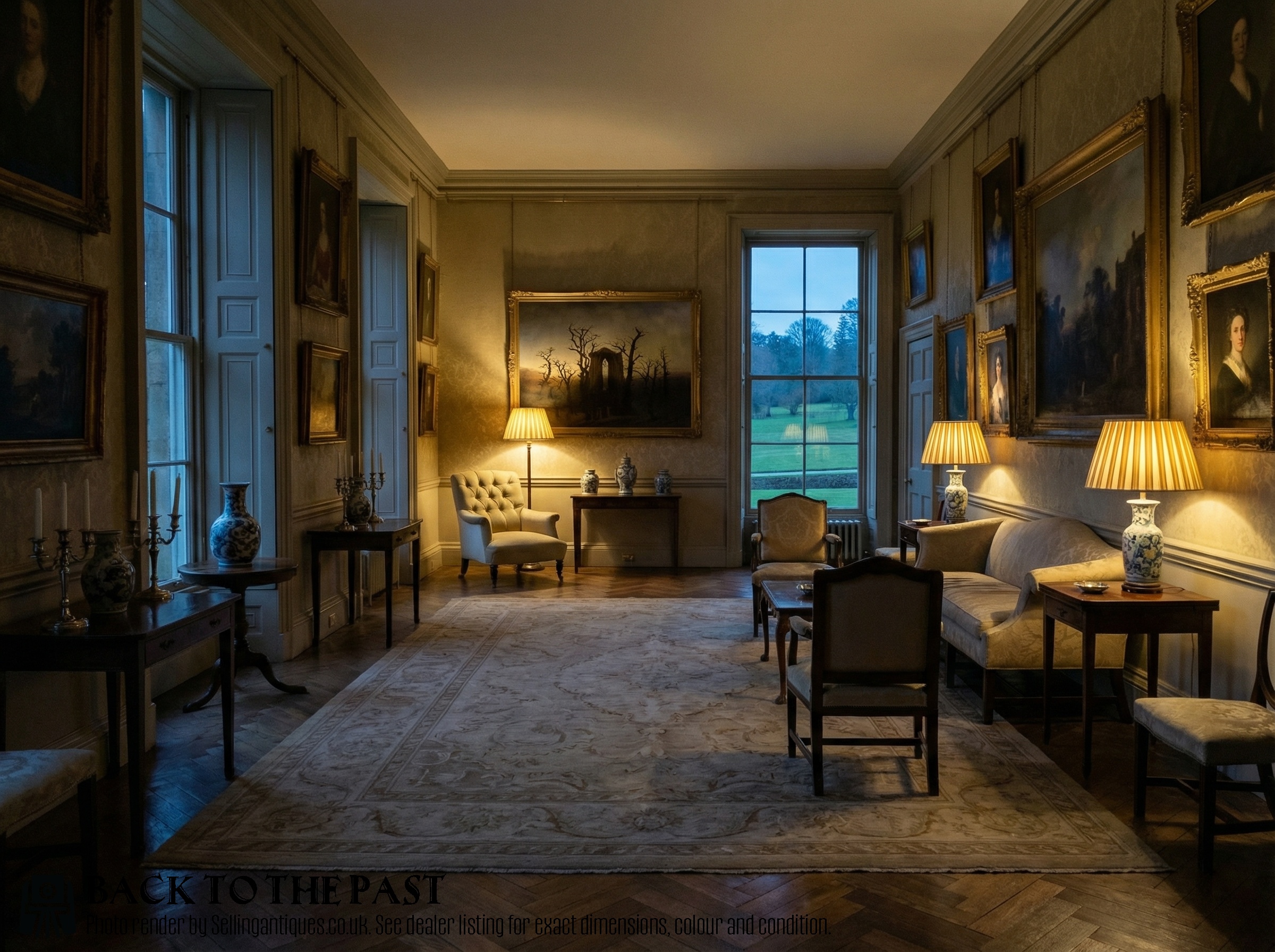
These seating pieces were principally placed in libraries, drawing rooms, and country house smoking rooms where relaxed seating was paramount. Their robust construction suited heavy daily use.
They also appeared in gentlemen's clubs and private studies, paired occasionally with matching footstools or companion occasional tables.
How do I care for leather club chairs?
Leather club chairs benefit from regular dusting and occasional treatment with appropriate leather balms to maintain suppleness. Keeping them away from direct heat sources prevents the hide from drying out.
Natural patination adds character to antique leather, so gentle maintenance preserves the historic surface rather than removing signs of age.