



Edwardian Circular Pendant
These edwardian circular pendant pieces combine gold, silver, and platinum with gemstones and glass, offering a distinct ornamental focus for collectors.
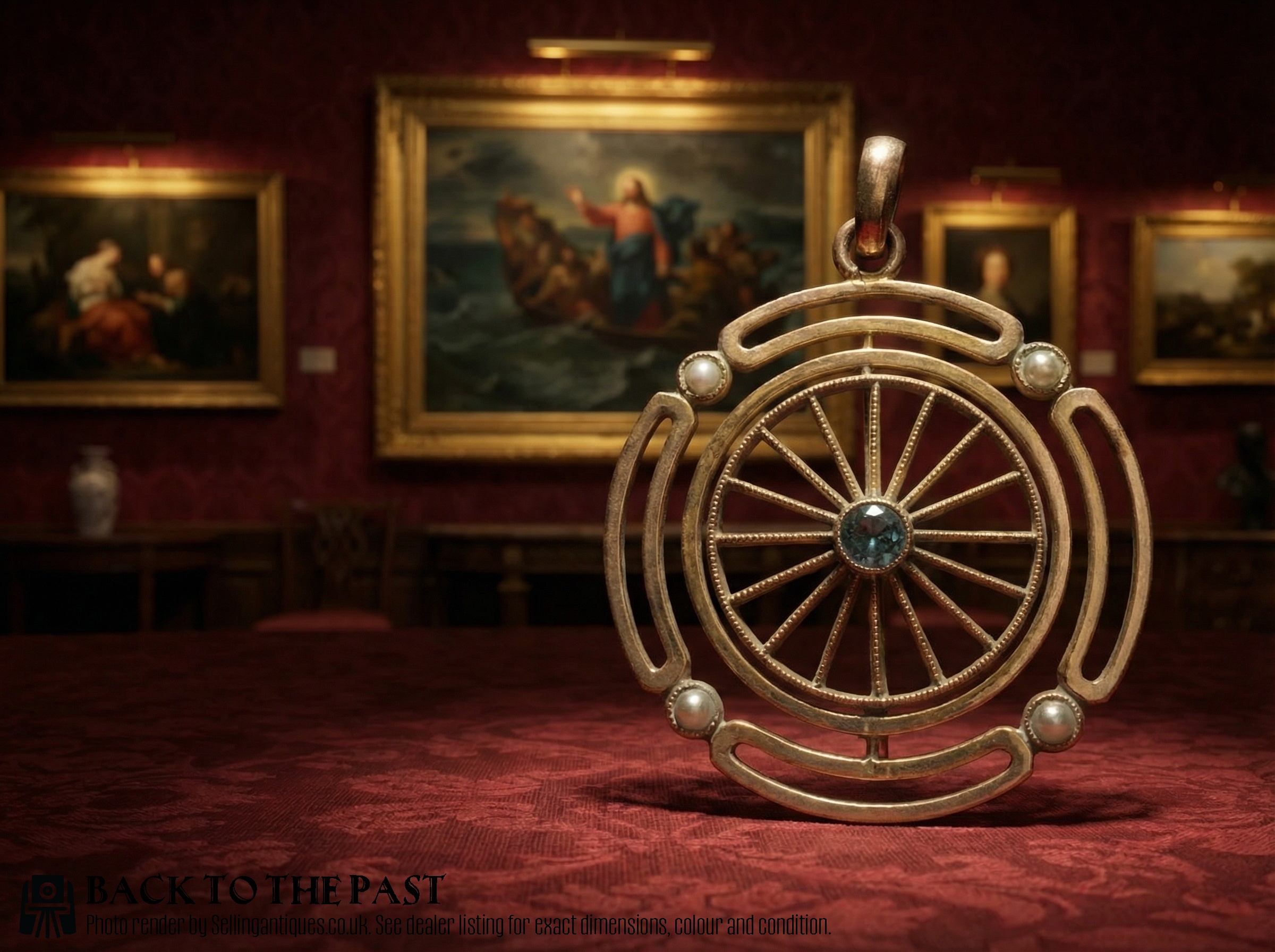
Edwardian Circular Pendant
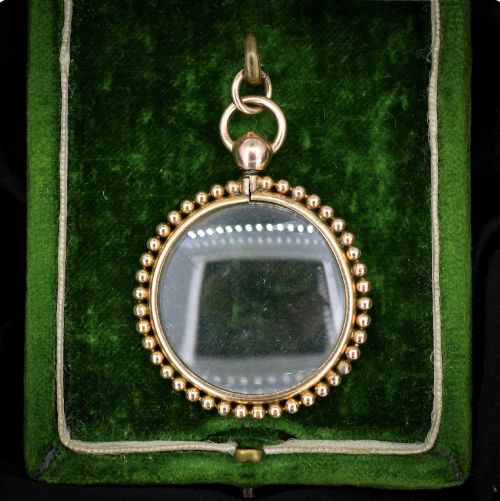
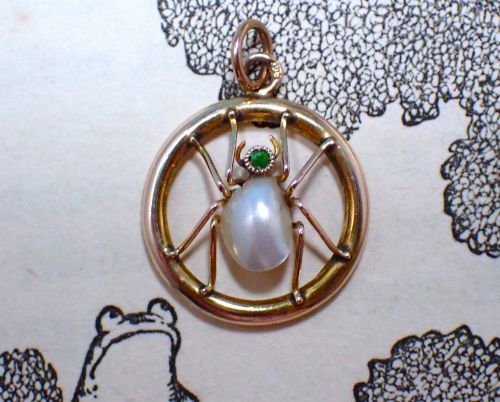
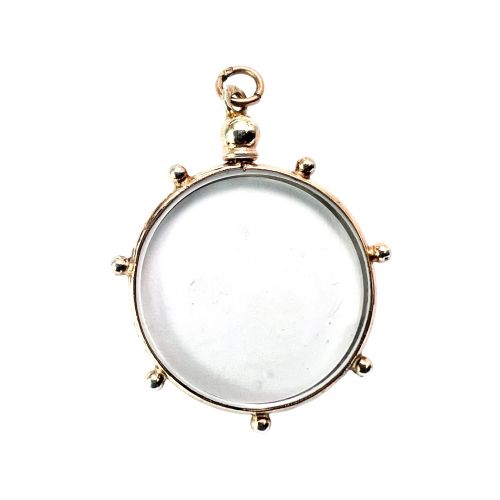
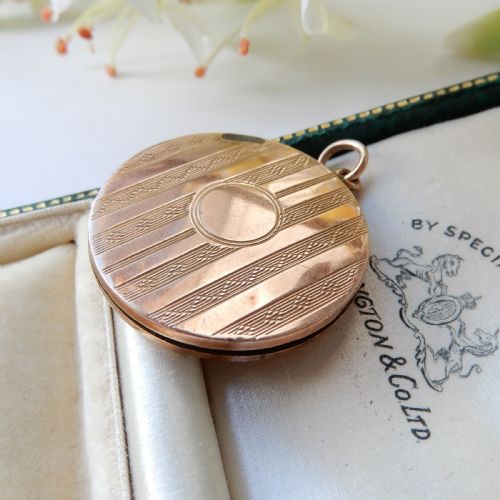
An edwardian circular pendant brings together round forms in gold, silver, and platinum, often incorporating glass or gems. Pieces matching an edwardian circular pendant appear across periods such as the Edwardian era, Victorian times, and the 1940s.
Materials and construction
Makers utilise 9ct gold, 18kt yellow gold, silver, and platinum as structural metals for these round pieces. Surfaces often receive ornate engravings, flower and bird motifs, or beaded borders.
Gemstones including emeralds, pearls, diamonds, and pink tourmalines are set alongside glass tops and screw locket mechanisms. These techniques combine precious metals with secure stone settings and hinged compartments.
Edwardian Circular Pendant Retail Price Guide 2026
Typical asking prices for edwardian circular pendant among the pieces listed under this phrase on Sellingantiques today, from the lower quarter to the upper quarter. They describe what is for sale here now, not the wider market.
Listings span periods from Victorian and Edwardian to Art Deco, Arts and Crafts, and Art Nouveau.
Judging quality
The distinction between tiers rests upon the complexity of the metalwork and the integration of stones like emeralds, diamonds, and pearls. Finer examples display detailed hand engraving, such as swallow bird and flower basket motifs, rather than plain surfaces.
Material selection separates standard pieces from exceptional ones, with heavier use of platinum, 18kt yellow gold, or multi-gem settings elevating a piece. The precision of the locket closure and the clarity of glass top components also mark the grade of manufacture.
The Edwardian Circular Pendant Glossary
- Edwardian
- Pertaining to the reign of King Edward VII, spanning the early twentieth century. This era is known for delicate platinum and gold jewellery.
- Locket
- A hinged pendant designed to hold a small portrait or memento inside. These often feature glass tops or engraved outer cases.
- Platinum
- A dense, durable white metal utilised in fine jewellery manufacture. It provides secure settings for diamonds and intricate metalwork.
- Tourmaline
- A crystalline boron silicate mineral occurring in various shades, including pink. It appears alongside pearls in period pendants.
Edwardian Circular Pendant: Frequently Asked Questions
What is an edwardian circular pendant?
It is a round decorative ornament made from precious metals, often designed to be worn on a necklace or chain.
Many examples function as lockets with internal compartments or incorporate gemstones like pearls and emeralds.
How were these pendants worn?
They were suspended from chains or necklaces around the neck as personal adornments.
Some designs served a dual purpose as lockets to keep photographs or small keepsakes close to the wearer.
How do I care for gold and platinum pendants?
Store them individually in soft pouches to prevent scratching between metal and stone surfaces.
Clean them gently with a soft cloth, avoiding harsh chemical dips that might damage pearls or glass elements.
How can I tell Edwardian pieces apart from Victorian ones?
Edwardian items frequently utilise lightweight platinum and intricate garland styles influenced by the Belle Epoque.
Victorian pieces often display heavier gold construction, deeper hand engraving, and distinct sentimental motifs.