

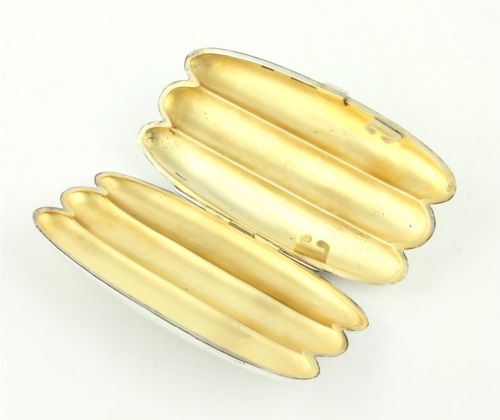


Edwardian Cigar Humidor
An Edwardian cigar humidor keeps fine leaf in condition while bringing period craftsmanship to the desk or club lounge.
Edwardian Cigar Humidor
When you search for an edwardian cigar humidor, you encounter dedicated storage vessels designed to preserve tobacco moisture. These pieces emerge predominantly from the Edwardian period, alongside Victorian and 1920s British eras, reflecting the formal smoking habits of the early twentieth century.
The selections on this page appear primarily as oak or burr walnut boxes, cigar cases, and wall cabinets. Makers often fitted these wooden containers with interior cedar linings and metal mounts to maintain the ideal environment for cigars.
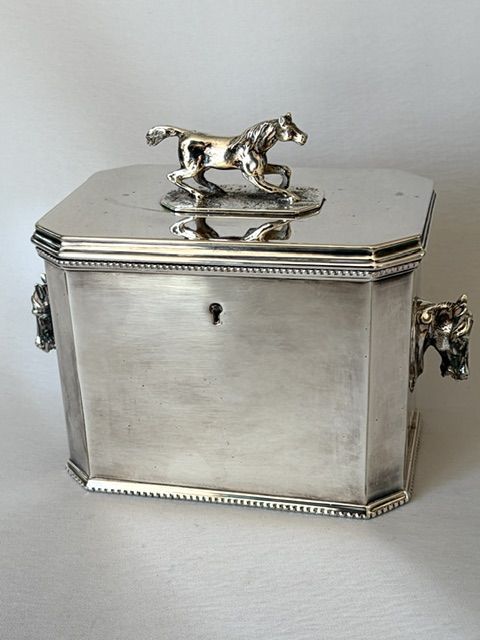
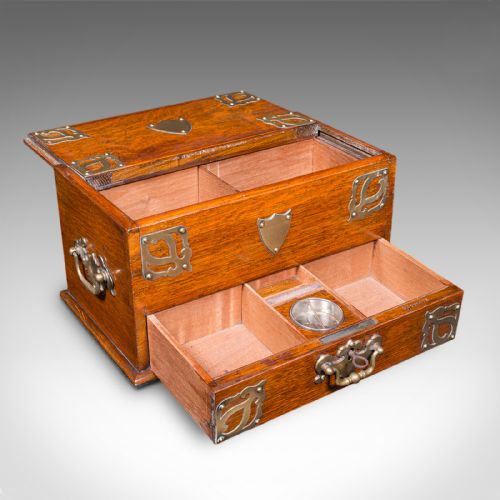
Formats range from compact pocket tubes and table boxes to large gentleman's cabinets and multi-compartment smoking compendiums. Certain examples incorporate decorative equestrian themes or unusual novelty shapes such as railway coal wagons.
Materials and construction
Cabinet makers utilised dense hardwoods like oak, golden oak, pollard oak, and burr walnut for the primary body. These timbers provided the structural stability required to house interior cedar linings that regulate humidity for the tobacco.
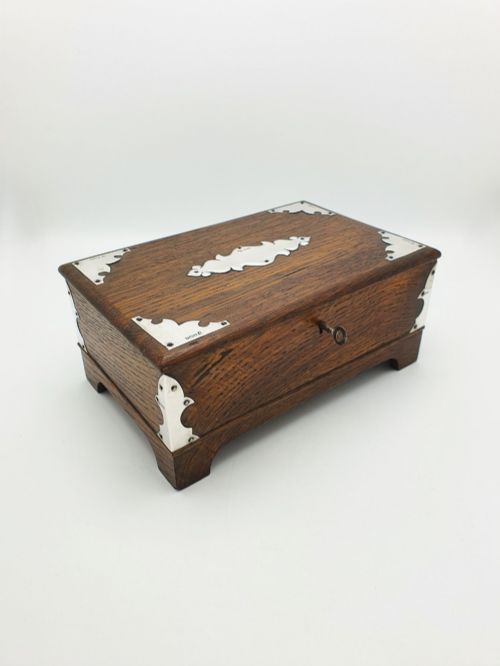
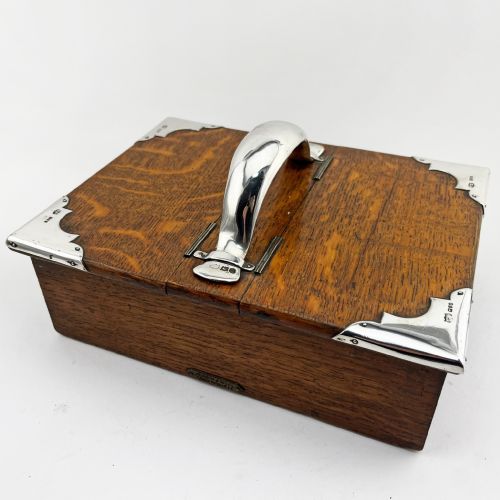
Artisans applied sterling silver, silver plate, brass, and copper for mounts, hinges, locking mechanisms, and exterior shields. Metalwork frequently bore hallmarks or decorative chasing, while internal fittings occasionally featured crystal glassware and gold gilt accents.
Listings for the edwardian cigar humidor category frequently feature solid oak and burr walnut combined with hallmarked sterling silver mounts.
Assessing craftsmanship and execution
The distinction between standard containers and finer work lies in the precision of the joinery and the integrity of the internal cedar lining. Superior pieces demonstrate tight wood-to-wood fitting that preserves the internal atmosphere necessary for proper cigar storage.
Quality also rests on the weight and finish of the metal mounts, whether cast brass or hallmarked sterling silver by notable makers. Refined hardware and intact locking mechanisms indicate a higher grade of original manufacture.
Mappin and Webb·Zimmerman·H Upmann
The Edwardian Cigar Humidor Glossary
- Humidor
- A moisture-controlled box or cabinet designed specifically to store cigars and tobacco at a stable humidity.
- Sterling silver
- A silver alloy containing 92.5 percent pure silver by mass, frequently utilised for Edwardian box mounts and shields.
- Burr walnut
- A highly figured timber veneer prized for its swirling grain patterns on luxury gentleman's cabinets.
- Tantalus
- A locking wooden frame holding decanters securely, occasionally integrated into larger dry bar humidors.
- Vesta
- A small pocket box or case designed to hold matches, often associated with smoking accessories of this era.
Edwardian Cigar Humidor: Frequently Asked Questions
How do I use an edwardian cigar humidor today?
These historical boxes function well for storing cigars provided the interior cedar lining remains intact and clean. Many collectors prefer to place modern humidification elements inside the antique wooden cavity to maintain proper moisture levels.
Opening and closing the lid allows you to assess the seal and the aroma retained within the cedar wood. Care should be taken to keep the exterior timber away from direct heat sources and extreme humidity fluctuations.
What is the difference between a humidor and a smoker's box?
A traditional humidor focuses specifically on moisture control to keep leaf tobacco pliable and fresh. Smoker's boxes often functioned as broader receptacles for pipes, matches, loose tobacco, and cigars without specialised interior sealing.
Many pieces listed under the edwardian cigar humidor description combine both roles by housing cedar compartments alongside slots for vestas and accessories. Examining the interior cedar panels reveals whether the maker prioritized moisture retention.
How can I tell an Edwardian humidor from a Victorian one?
Edwardian pieces date from the reign of King Edward VII between 1901 and 1910, showing lighter oak tones and cleaner arts and crafts influences. Victorian examples tend to display heavier, darker timber framing and more ornate carved ornamentation.
Examining silver hallmarks, hinges, and interior paper labels often helps narrow the production date to a specific decade. Both periods utilised durable cedar linings and robust brass or silver hardware.
Can I store cigarettes in these boxes?
Cigarettes fit comfortably into smaller Edwardian compartments, silver cases, and compendiums originally made for multiple smoking formats. However, storing cigarettes alongside loose cigars can alter the flavour profile due to the aromatic oils in the tobacco.
Using separate sections within a smoker's cabinet prevents cross-contamination of scents. The original cedar and metal compartments protect dry goods from dust regardless of the specific tobacco type.