




Edwardian Chinoiserie Table
An edwardian chinoiserie table brings hand-painted oriental scenes and dark lacquer into a room, offering both surface utility and period decorative charm.
What the pieces are
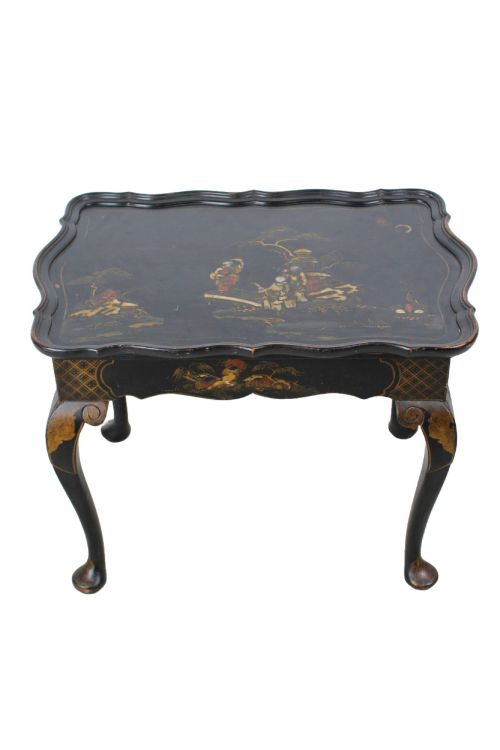
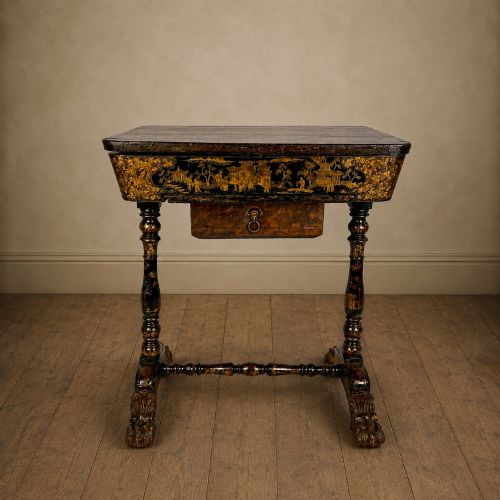
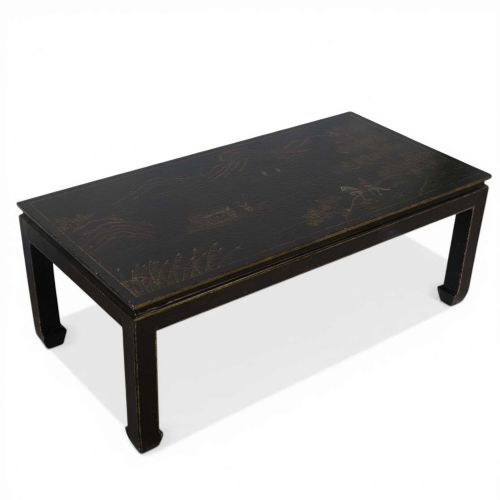
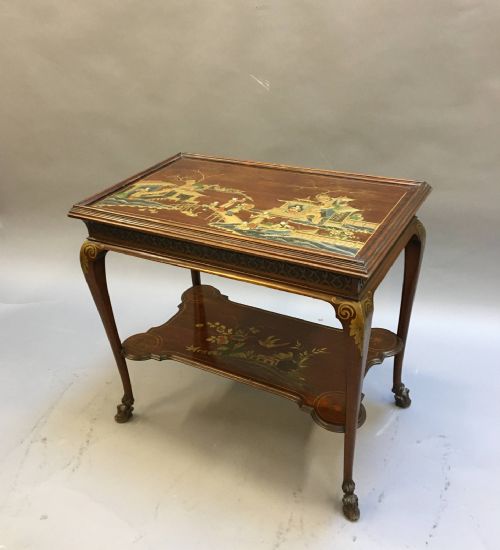
An edwardian chinoiserie table encompasses low coffee tables, nested sets, occasional pieces, and side tables produced around the early twentieth century. These items blend structural forms from the Edwardian era with decorative schemes inspired by Asian design motifs.
Buyers frequently encounter occasional tables and nests of three or four pieces featuring black, green, or blue lacquered finishes. The inventory also yields specialised items including drop-flap gateleg designs, tray tops, and games tables.
While the core of the selection stems from the Edwardian period and the early twentieth century, items stretch from late eighteenth-century Sheraton pieces through Regency examples to later 1930s productions. Occasional and coffee tables dominate the current selection.
How they were made
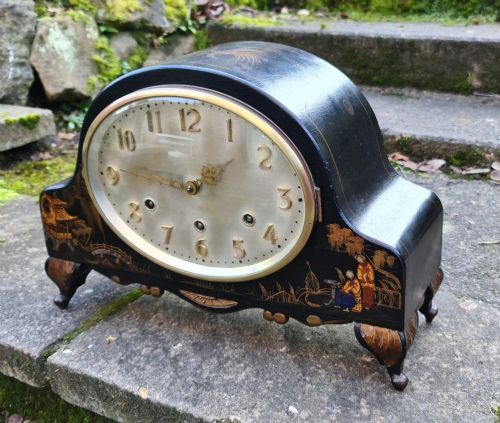
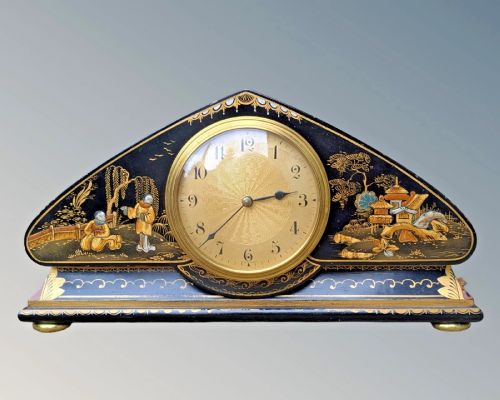
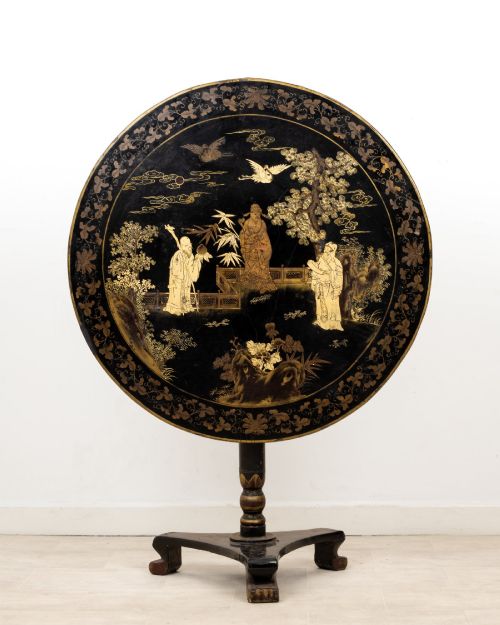
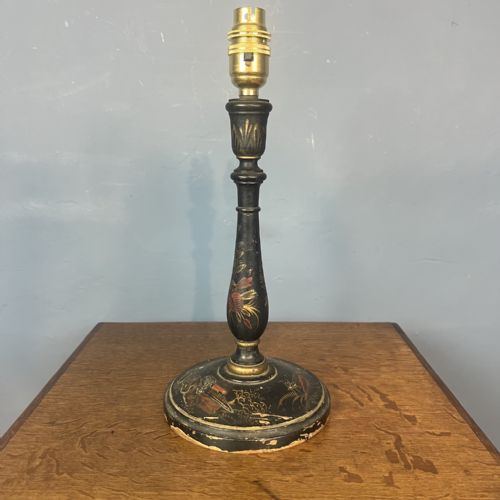
Construction relies upon a foundation of timber such as hardwood, oak, or mahogany, which receives layers of lacquer to build a smooth base. Artisans then apply surface decoration using gold leaf and polychrome paints to depict traditional figures, landscapes, and architectural scenes.
Metal elements like brass hardware appear on specific forms such as drop-leaf mechanisms or tray handles. Many surfaces utilise traditional japanning techniques, building up resinous varnishes that undergo polishing to achieve a lustrous sheen.
Retail Price Guide 2026
Typical UK retail prices for edwardian chinoiserie table, calculated from the Sellingantiques database of over a million retail prices indexed since 2003. This retail price guide relies exclusively on Sellingantiques data; no external sources or auction records are used, so the figures do not describe the wider market.
Listings feature woods including oak, mahogany, and hardwood, finished with lacquer, gilt, brass, and satinwood.
What varies in quality
The refinement of the hand-painted decoration determines the visual appeal of an edwardian chinoiserie table. Superior pieces display intricate detail and depth in the gilt and coloured motifs, whereas simpler examples rely on more repetitive, sparse ornamentation.
The choice of underlying wood and the execution of the lacquering process create significant distinctions across items. Tables retaining their original undisturbed lacquer and multi-tiered structural integrity command greater attention from collectors.
The Edwardian Chinoiserie Table Glossary
- Chinoiserie
- European decorative style reflecting Chinese artistic influences, typically featuring figures, pagodas, and landscapes in raised or flat paint. This aesthetic defines the primary visual character of these furnishings.
- Japanning
- European imitation of East Asian lacquerwork involving layered varnishes baked and polished to a hard finish. Craftsmen applied this method extensively to produce dark glossy surfaces.
- Occasional table
- Small movable table designed for light, specific uses rather than permanent placement in a room layout. These versatile items appear frequently in nests or as single stands.
- Tilt top
- Table mechanism allowing the surface to hinge vertically for storage against a wall when not in use. This clever engineering saves space in domestic interiors.
- Satinwood
- Hardwood native to Ceylon and India valued for its yellowish lustre and fine grain. Cabinetmakers utilised it for banding and contrasting inlays on sophisticated tables.
Frequently Asked Questions
Where do I put an edwardian chinoiserie table?
These pieces function well as accent furniture in living rooms, hallways, or studies. Their compact dimensions suit spaces needing a decorative surface for lamps or small items.
Nests of tables offer flexibility because they stack away until needed for guests. Placing them out of direct sunlight preserves the delicate lacquer and gilt decoration.
How do I clean a lacquered table?
Dust surfaces gently with a soft, dry microfibre cloth to remove daily particles. Avoid chemical polishes, abrasive cloths, or excessive water.
Maintaining a stable indoor humidity prevents the wooden substrate from expanding and cracking the lacquer finish. Professional wax application preserves the historic surface safely.
Are these tables sturdy enough for daily use?
Most occasional and coffee tables handle normal domestic placement of books, drinks, or lamps without difficulty. Lighter items like nesting tables require gentle handling.
Heavier tasks or placement in high-traffic zones risk scratching the painted decoration. Careful positioning extends the working life of the antique finish.
How can I tell the period of a table?
Construction methods, timber types, and wear patterns indicate the age of a piece. Edwardian items show early twentieth-century manufacturing signatures alongside traditional hand-finishing.
Earlier eighteenth-century or Regency examples display different proportions and cabinetmaking techniques. Comparing joinery details clarifies the manufacturing era.