
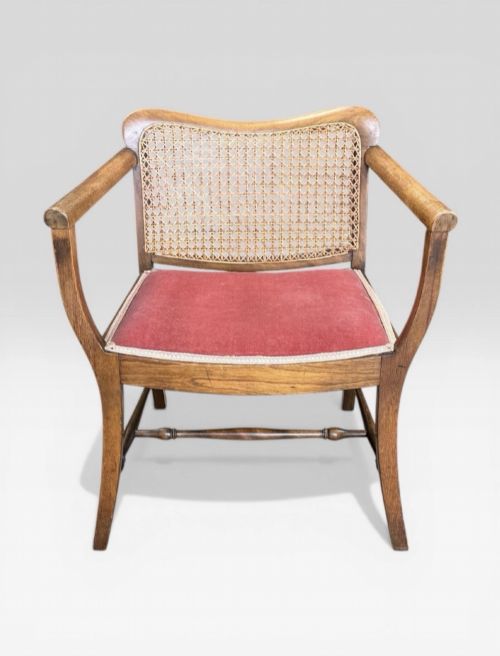


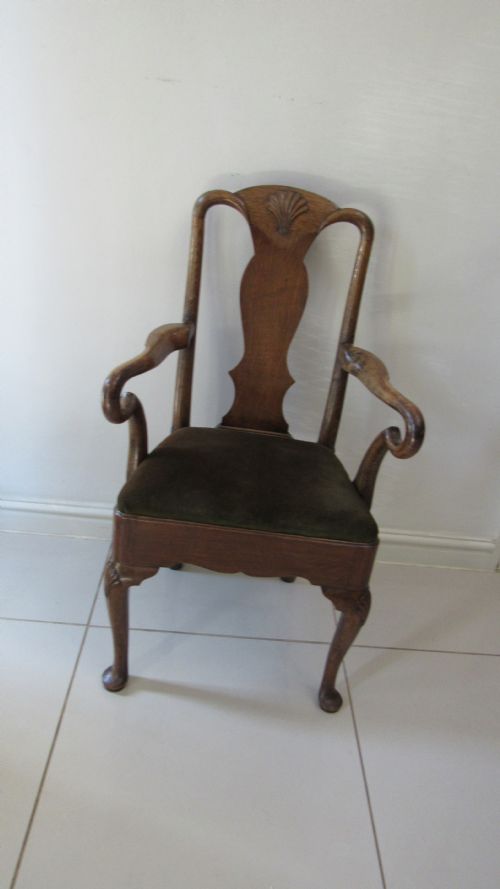


Edwardian Child Seat
An edwardian child seat brings small-scale craftsmanship into domestic life, offering sturdy timber framing and woven seating for young children.
Edwardian Child Seat
When you search for an edwardian child seat, you find small-scale domestic seating produced around the turn of the twentieth century alongside pieces spanning the nineteenth century and the early decades of the 1900s. These pieces include low armchairs, high chairs, rocking chairs, and caned tub highchairs designed specifically for children.
The versions you meet most frequently on this page range from plain elm and beech country designs to more formal inlaid mahogany armchairs and bentwood models with woven cane seats. Makers drew upon stylistic influences of the period, including Arts and Crafts principles, Art Nouveau motifs, and revival styles such as Queen Anne.
Many of these smaller chairs reflect the robust construction methods of adult furniture scaled down for domestic use in nurseries and parlours. From simple high chairs to refined bergere armchairs, the selection demonstrates the diverse output of period workshops and larger cabinet makers.
Assessing quality in children's seating
Quality reveals itself in the selection of timber and the precision of the joinery used to secure small frames against heavy domestic use. Superior examples display carefully matched grain, crisp inlay work, and tight joints that maintain structural integrity without excessive modern reinforcement.
The finish of the wood and the integrity of woven cane panels distinguish finer workshop production from simpler utility items. Well-executed turnings, harmonious proportions, and original upholstery materials or sound cane work indicate careful initial manufacture.
A tiny rocking chair built for a Victorian nursery brings miniature motion to the grandest mahogany traditions.
James Shoolbred·High Wycombe
The Edwardian Child Seat Glossary
- Bergere
- A closed armchair with a cane back and seat panels. This French-inspired form appears frequently in mahogany child seats of the period.
- Bentwood
- Wood heated and bent into curved structural shapes. This technique created lightweight, durable frames for chairs.
- High chair
- An elevated seat designed to keep a young child level with adults at a dining table. Examples often include footrests and safety barriers.
- Tub chair
- An armchair with a continuous curved back and arms forming a rounded enclosure. This shape offered secure seating for young children.
- Splats
- The vertical wooden strip down the centre of a chair back. These elements often feature decorative carving or inlay.
Edwardian Child Seat: Frequently Asked Questions
What is an edwardian child seat used for?
These small chairs provided secure, appropriately scaled seating for children during meals, nursery activities, and family gatherings in the home.
Today, buyers often place them in living rooms or nurseries as decorative display pieces or functional seating for young children.
How do I identify an edwardian child seat?
Look at the timber selection, construction style, and decorative details such as inlaid mahogany or turned beech framing. Comparing the proportions and materials against period examples helps confirm the date and origin.
Many pieces reflect broader design movements like Arts and Crafts or Art Nouveau, which assist in dating the furniture accurately.
Were these seats made for everyday use?
Yes, domestic workshops constructed these chairs to withstand the daily demands of children in nineteenth and early twentieth-century households. Sturdy hardwoods like elm, oak, and beech ensured durability.
Despite their small size, makers applied the same joinery standards used in adult furniture production.
What materials appear most often?
Mahogany, beech, elm, and oak form the primary wooden structures for these chairs. Caning and upholstered pads in leather, velvet, or fabric provide the seating surfaces.
Some pieces combine multiple woods or incorporate decorative inlays to enhance their visual appeal.