



Edwardian Chased Silver Bowl
An edwardian chased silver bowl brings intricate surface texture and traditional British craftsmanship directly to the table.
Edwardian Chased Silver Bowl
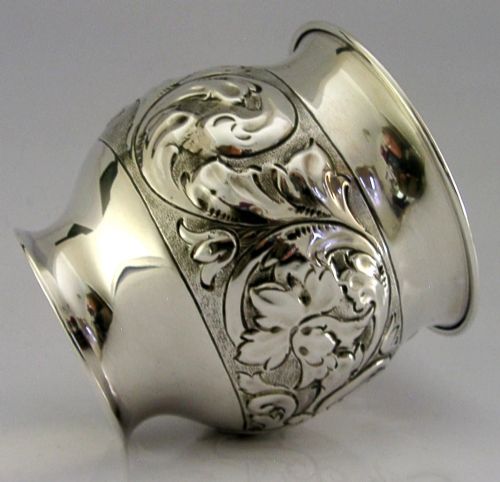
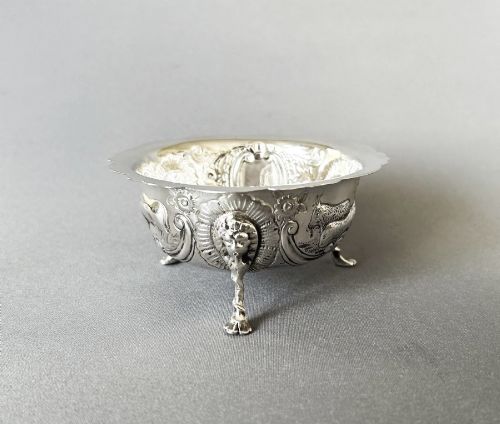
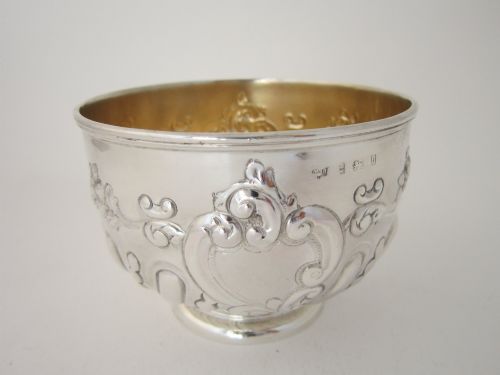
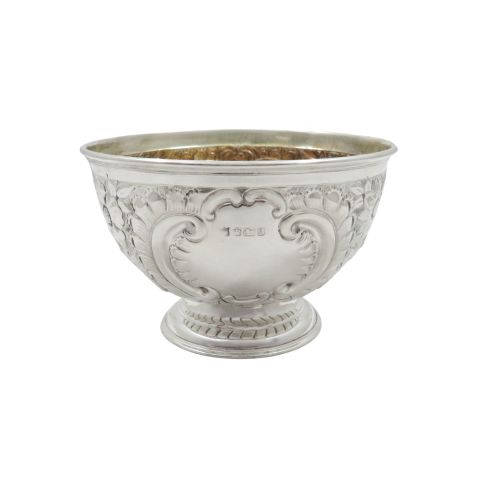
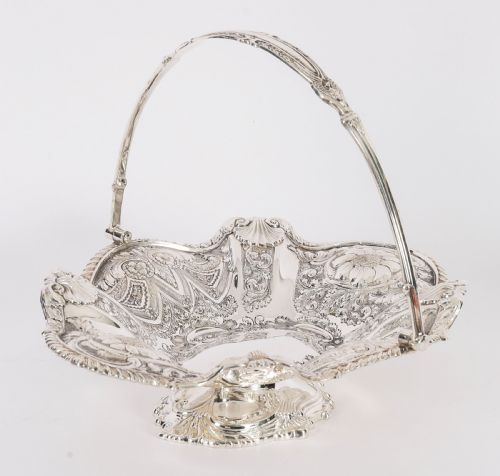
When searching for an edwardian chased silver bowl, buyers find a selection of decorative vessels dating primarily from the Edwardian and Victorian eras, along with related pieces from around 1880 to 1920. These objects take forms such as fern pots, footed presentation bowls, fruit baskets, and comports.
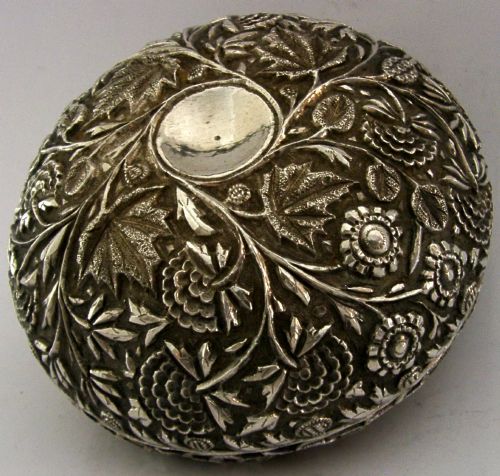
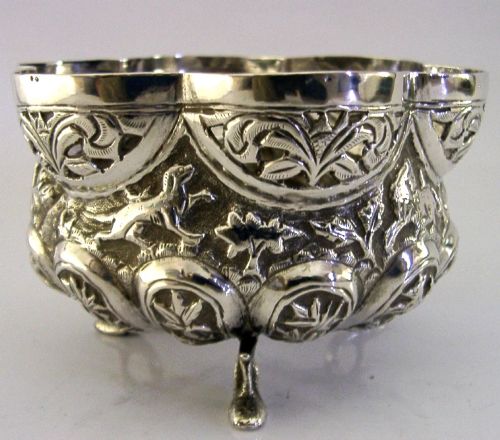
The most common examples on this page are solid sterling silver and silver-plated bowls featuring elaborate surface ornamentation. Alongside English pieces, the listings include Anglo-Indian solid silver bowls with distinct animal motifs and Persian pattern designs.
Beyond standard table bowls, the category extends to fruit baskets and fern pots that demonstrate the period preference for ornamental metalwork in domestic spaces. Each piece reflects the decorative priorities of its specific decade, from the late Victorian period through the nineteen-twenties.
How they were made
The construction relies heavily on sterling silver and silver plate over base metals like electroplated nickel silver. Workshops also incorporated organic materials such as wood and ebony for handles and insulating elements on larger tea sets.
Chasing and embossing techniques create the raised surface relief characteristic of these vessels, pushing the metal from behind and refining the details from the front. Ornate grapevine detailing and animal motifs are hammered and worked directly into the silver surface by hand.
Makers utilised traditional hallmarking to certify the purity of sterling silver pieces, stamping the metal with assay office marks and date letters. Silver-plated items received a durable layer of precious metal over a sturdy base, often produced by specialist firms using electroplating methods.
Edwardian Chased Silver Bowl Retail Price Guide 2026
Typical asking prices for edwardian chased silver bowl among the pieces listed under this phrase on Sellingantiques today, from the lower quarter to the upper quarter. They describe what is for sale here now, not the wider market.
Listings feature items spanning the Victorian era through the nineteen-twenties, incorporating wood and ebony alongside silver and silver plate.
What varies in quality
The depth and clarity of the chased ornamentation distinguish finer examples from simpler production. Crisp, well-defined motifs in the metalwork show greater artisan skill than shallow or smoothed surface decoration.
Substantial weight indicates a higher grade of silver and sturdier construction, particularly in footed bowls and presentation pieces. Pieces featuring solid sterling silver hold greater intrinsic merit than silver-plated alternatives.
The reputation of the maker influences the standing of a piece, with established manufacturing firms and silversmiths commanding higher regard. Condition and the integrity of any applied ornamentation also affect the overall standard of the object.
George W. Scott And Sons Ltd·Elkington And Co
The Edwardian Chased Silver Bowl Glossary
- Chasing
- A metalsmithing technique where the artisan hammers the front of the metal to depress the background and raise the design. This creates intricate surface patterns and detailed pictorial reliefs.
- Sterling silver
- An alloy consisting of ninety-two point five percent silver and seven point five percent other metals, usually copper. It provides the standard composition for British hallmarked tableware.
- Comport
- A decorative dish or bowl elevated on a stem and foot, used historically for serving fruit or sweets. These pieces often feature pierced rims and chased decoration.
- Electroplated nickel silver
- A base metal alloy of copper, nickel, and zinc coated with a thin layer of pure silver using an electrolytic process. It offered an affordable alternative to solid silver during the nineteenth and twentieth centuries.
- Fern pot
- A small ornamental container designed to hold potted plants for interior display. They frequently appear in matching sets or paired with decorative underplates.
Edwardian Chased Silver Bowl: Frequently Asked Questions
How do I clean an edwardian chased silver bowl?
Use a soft microfiber cloth and a mild silver polish specifically formulated for antiques to preserve the chased details. Avoid harsh chemical dips that can strip the natural patination from the recesses of the design.
Take care around raised motifs and engraved areas where polish residue might accumulate. Regular, gentle dusting is often sufficient for pieces kept on display rather than used for food.
What is the difference between solid silver and silver plate?
Solid silver contains a high purity of precious metal throughout the entire object, usually hallmarked with assay stamps. Silver plate consists of a thin layer of silver bonded to a base metal core such as nickel silver.
Over decades of use, heavy polishing can wear down plated surfaces to reveal the base metal underneath. Solid silver maintains its material composition regardless of wear.
Were these bowls used for food?
Many examples served practical functions on the dining table for fruit, bread, or presentation purposes. Others, such as fern pots and decorative comports, were intended strictly for interior decoration and botanical displays.
The presence of gilt interiors in some bowls suggests they held acidic foods or liquids without tarnishing the silver directly.
How can I tell the date of a silver bowl?
British hallmarked items carry specific date letters and assay office marks that pinpoint the exact year of manufacture. Stylistic indicators, such as the heavy ornamentation of Victorian pieces or the cleaner lines of the nineteen-twenties, also provide general chronological guidance.
Comparing the manufacturing techniques and motif styles helps narrow down pieces lacking standard hallmarks.