



Edwardian Ceramic Pot
These pieces unite utility and ornament, bringing an edwardian ceramic pot into spaces that value period character and tactile finish.
Edwardian Ceramic Pot
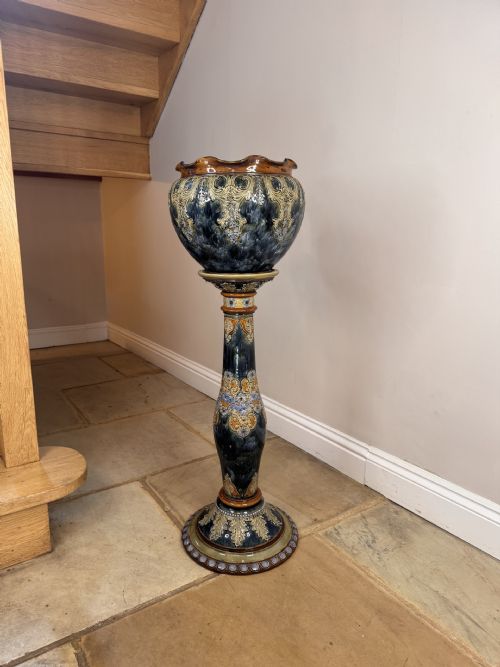
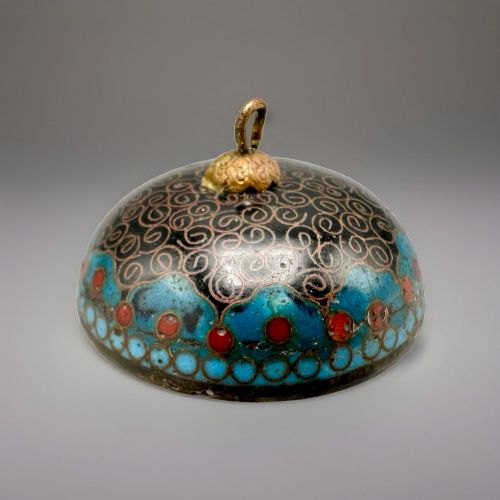
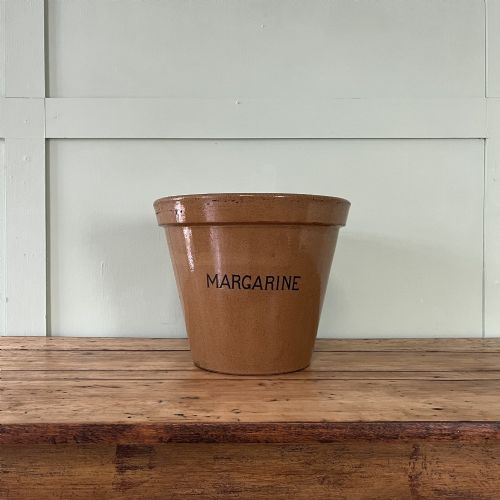
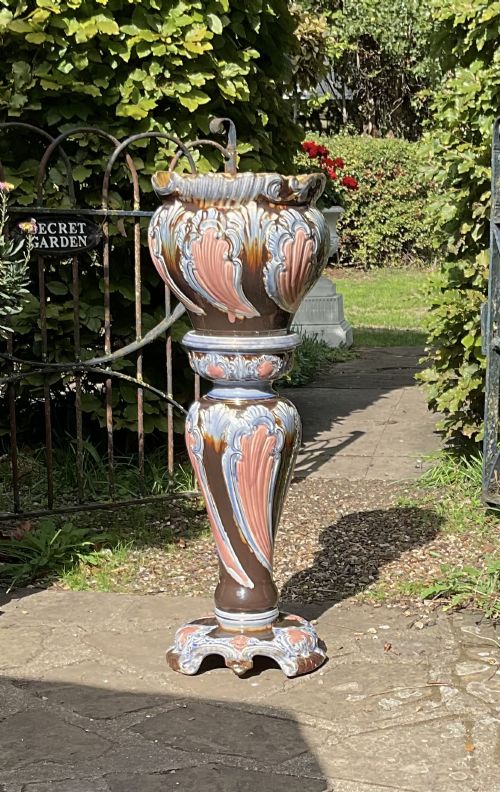
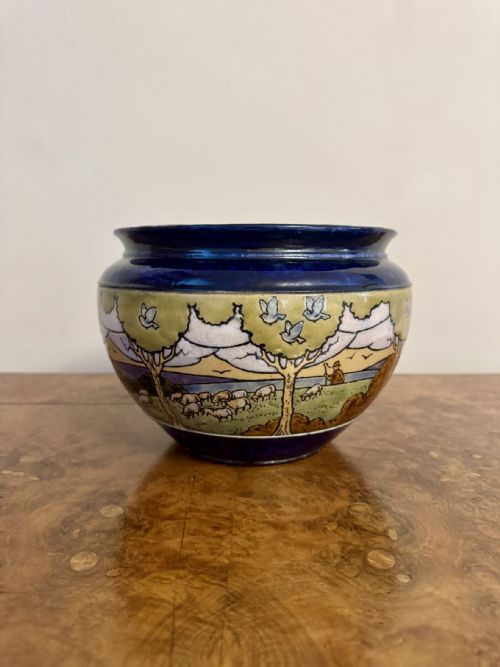
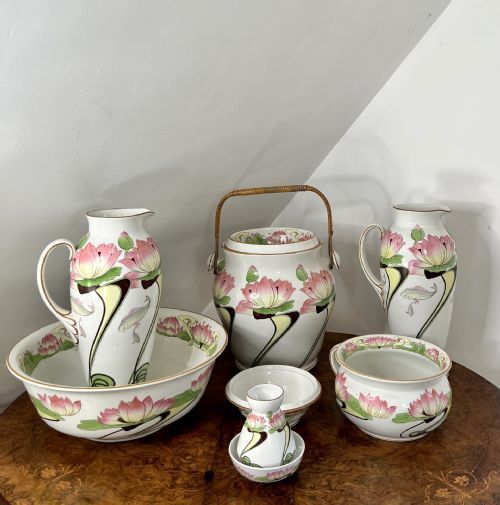
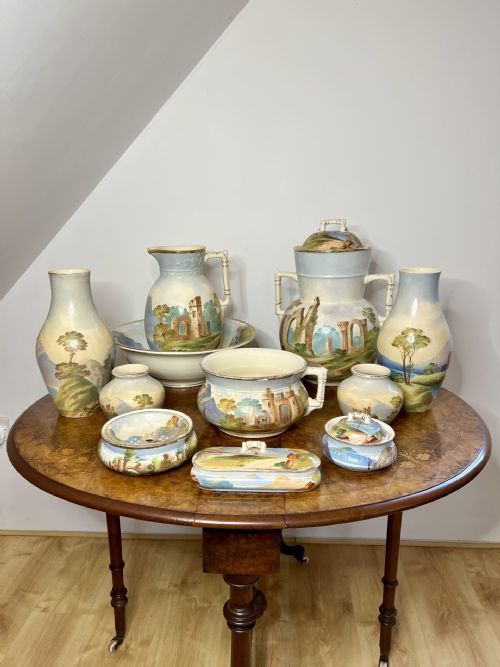
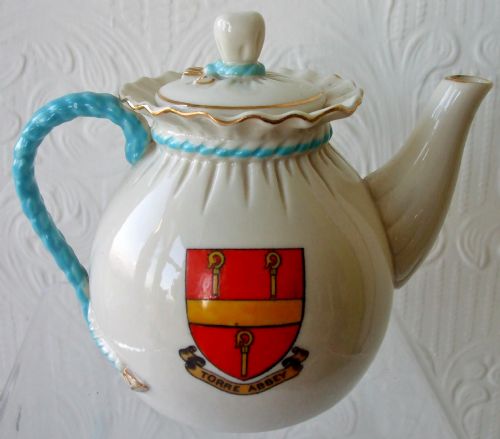
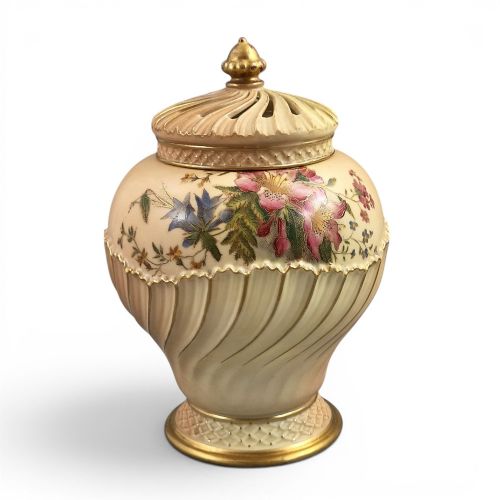
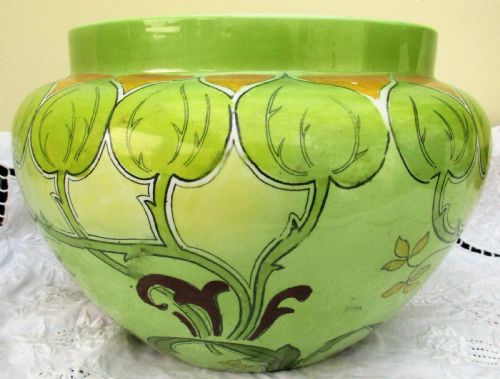
An edwardian ceramic pot encompasses a diverse group of functional and decorative vessels produced around the turn of the twentieth century, alongside related Victorian and early twentieth-century examples. The selection spans utilitarian chamber pots and margarine bowls to elaborate jardiniere stands, wash sets, and hand-painted pot-pourri jars.
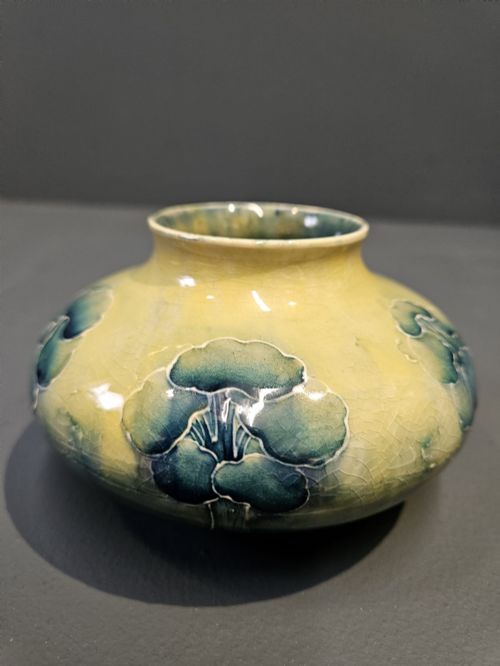
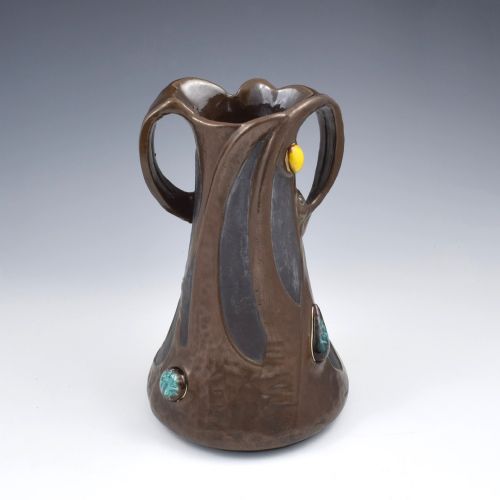
Makers ranged from major factories like Royal Worcester and Doulton to specialised potteries producing distinct Arts and Crafts or Art Nouveau wares. These items served domestic routines or displayed floral decoration in drawing rooms, utilising earthenware, porcelain, and glazed stoneware.
Materials and Technique
The objects utilise ceramic bodies such as porcelain, earthenware, and stoneware, often finished with glossy glazes, enamel, or metallic effects like copper. Decoration frequently involves detailed hand-painting, transfer printing, or applied elements such as jewelled cabochons and gold leaf highlights.
Techniques varied from industrial pottery production at large factories to studio-style output involving terracotta and slip-trailing. Glazing methods determined whether a piece took on a soft blush ivory sheen, a high-gloss finish, or a textured matte appearance.
Edwardian Ceramic Pot Retail Price Guide 2026
Typical asking prices for edwardian ceramic pot among the pieces listed under this phrase on Sellingantiques today, from the lower quarter to the upper quarter. They describe what is for sale here now, not the wider market.
Listings feature works in porcelain, earthenware, and glazed stoneware across Victorian, Edwardian, and early twentieth-century periods.
Distinctions in Execution
Quality rests upon the crispness of the moulding and the skill evident in hand-painted surface decoration, particularly on pieces featuring natural subjects or figurative scenes. Standard factory wares differ substantially from artist-signed works or limited output from notable potteries.
The integrity of the glaze and the preservation of delicate additions, such as gold leaf or enamel details, dictate the overall standard of survival. Heavier utilitarian items rely on sturdy potting and consistent stoneware bodies, while decorative jars depend on the refinement of their ceramic paste.
Royal Worcester·Royal Doulton·Moorcroft·Coalport·Bretby Pottery
The Edwardian Ceramic Pot Glossary
- Jardiniere
- A large ceramic flower pot designed to hold a potted plant, often standing on a matching pedestal or floor base. These vessels frequently feature bold Art Nouveau or classical motifs.
- Pot-pourri jar
- A lidded vessel perforated to release the scent of dried flowers and spices held within. These often display fine painted scenes such as birds or landscapes.
- Blush ivory
- A matte cream-coloured ceramic ground developed by Royal Worcester, typically decorated with soft floral sprays and gilt accents. It creates a warm, understated surface appearance.
- Earthenware
- A porous pottery body fired at lower temperatures, requiring a vitreous glaze to render it waterproof. It forms the base for many decorative domestic vessels.
- Stoneware
- A dense, impermeable ceramic fired at high temperatures until vitrified. This material is resilient and commonly used for heavy-duty household bowls and jars.
Edwardian Ceramic Pot: Frequently Asked Questions
What is an edwardian ceramic pot used for?
These vessels served various domestic functions, ranging from holding houseplants in large jardinieres to containing pot-pourri for room fragrance or storing dry goods.
Many pieces were also made as part of larger bathroom and washstand sets for daily personal hygiene.
How do I identify an edwardian ceramic pot?
Identification relies on stylistic markers such as Arts and Crafts influences, Art Nouveau floral motifs, and specific factory backstamps from the period.
Materials typically include earthenware, porcelain, and glazed stoneware characteristic of late nineteenth and early twentieth-century production.
Are these pots waterproof?
Glazed ceramic and stoneware pieces are generally suited for holding water when used as flower vases or indoor plant holders.
Unglazed or porous earthenware and terracotta items require inner liners to contain moisture safely.
How should I clean my ceramic pot?
Gentle dusting with a soft cloth preserves delicate surface decoration, enamel work, and gold leaf highlights.
Avoid harsh chemical cleaners or submersion if the piece has painted overglaze details that could wear away.