






Edwardian Ceramic Figure
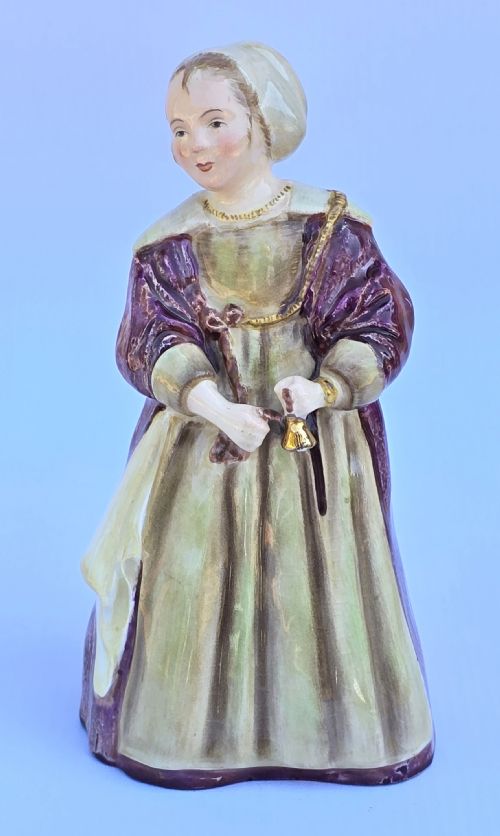
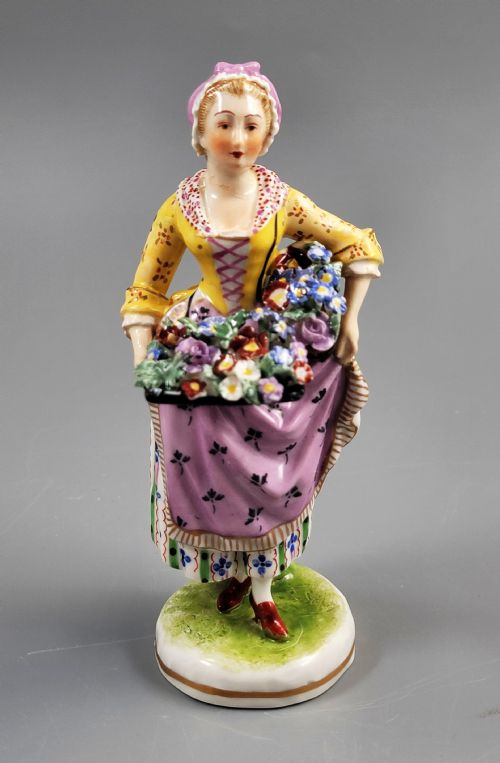
An edwardian ceramic figure brings character to a room, combining porcelain, earthenware and bisque modelling with the delicate tints of the early twentieth century.
Edwardian Ceramic Figure
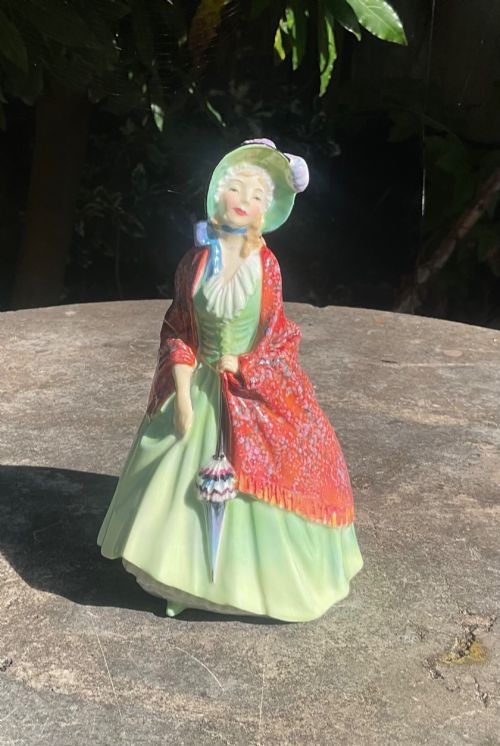
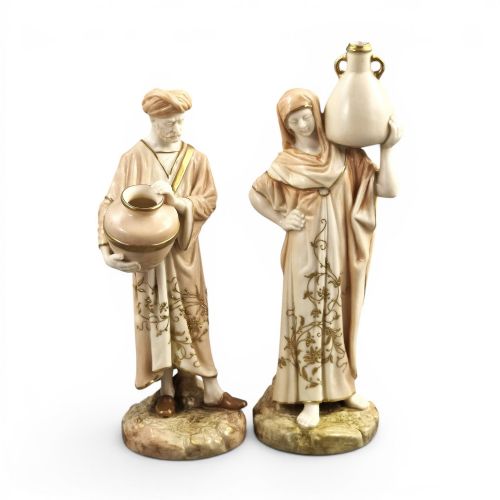
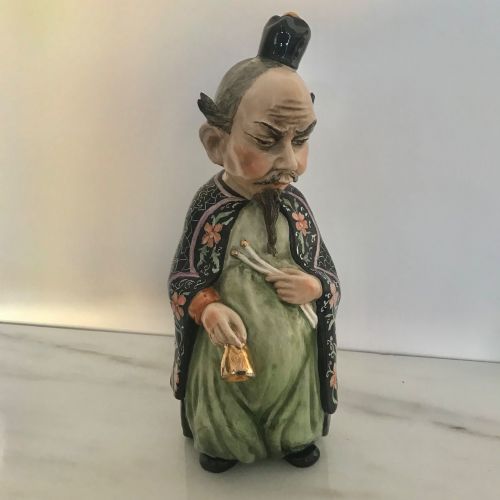
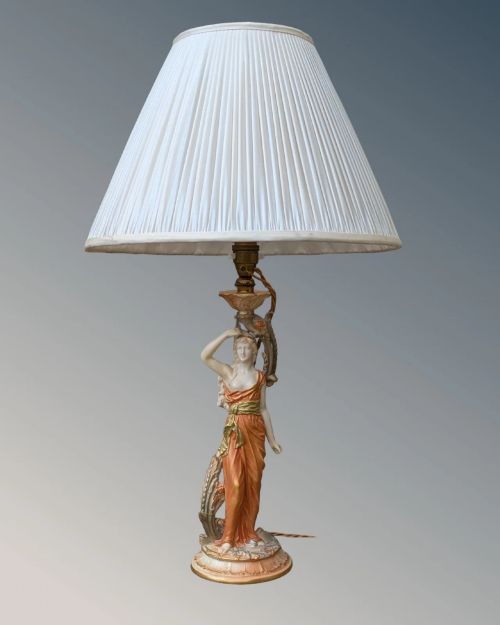
When you search for an edwardian ceramic figure, you are looking at moulded and glazed sculptures that capture human and animal subjects from the early decades of the twentieth century. The selection ranges from factory-made decorative figurines to water carriers, flower sellers and figural lamp bases created in European workshops.
You are most likely to meet pieces originating from Continental potteries such as Royal Dux in Bohemia, alongside British works from Royal Worcester and Wedgwood and Co. Ltd. These examples span the transition from late Victorian tastes into Art Nouveau and early Art Deco design, often cast as pairs or single ornamental subjects.
The forms extend beyond traditional ornaments into functional items, including spill vases and figures integrated with lighting or vessels. They reflect a period of confident moulding where domestic display pieces were produced in varied scales for the Edwardian interior.
Materials and production methods
Makers utilised porcelain, earthenware, terracotta and unglazed bisque, shaping the clay through moulds before applying detailed hand painting, enamel decoration and gold leaf highlights. Glazes varied from high-gloss surfaces to blush ivory finishes and shot enamels that produced iridescent sheen across the fabric.
Bohemian and European factories employed skilled modellers to create figures with applied details such as baskets, puppies, kittens and drapery, which were fired at high temperatures to set the ceramic body. Many pieces combined fine slip casting with precise brushwork for facial expressions and garments.
Listings feature 19th Century, Victorian, Edwardian, 1900, 1910, 1920 and 1930 periods alongside materials like gold leaf and terracotta.
Assessing quality in the range
The integrity of the ceramic body and the subtlety of the glaze separation mark the difference between mass-produced items and high-status works by prominent modellers and named factories. Original paired groups and larger, uncompromised figures demonstrate superior artistic ambition.
Royal Dux Bohemia·Royal Worcester·Wedgwood and Co Ltd·Volkstedt·Dressel Kister und Cie·Ernst Wahliss·James Hadley
The Edwardian Ceramic Figure Glossary
- Bisque
- Unglazed white porcelain that has been fired once, giving a matte texture resembling marble and popular for figural groups.
- Blush Ivory
- A cream-coloured porcelain finish pioneered by Royal Worcester, featuring a soft matte ground decorated with floral or figural enamel tints.
- Earthenware
- A porous pottery body fired at lower temperatures than porcelain, typically glazed and used for decorative figures, spill vases and jugs.
- Slip
- Liquid clay mixture poured into moulds to form hollow ceramic figures and complex sculptural shapes before firing.
Edwardian Ceramic Figure: Frequently Asked Questions
Are these figures marked with factory stamps?
Many pieces carry impressed numbers, painted pattern codes or backstamps underneath the base that identify the maker and production era.
Some older examples rely on stylistic attribution and known modelling traits when factory marks are faint or absent.
What is the difference between bisque and porcelain?
Bisque is left unglazed after firing to achieve a tactile, matte finish that highlights sculptural form.
Porcelain is coated with a glassy glaze and refired to create a non-porous, glossy surface suitable for bright enamel colours.
Where were these figures displayed in Edwardian homes?
They were positioned on mantelpieces, occasional tables, sideboards and within glass-fronted cabinets as focal points of polite conversation.
Larger figures and figural lamps were also placed on pedestals or side tables to illuminate dark corners of the room.