

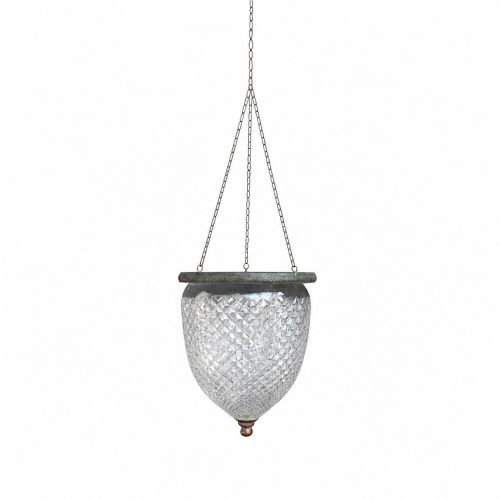
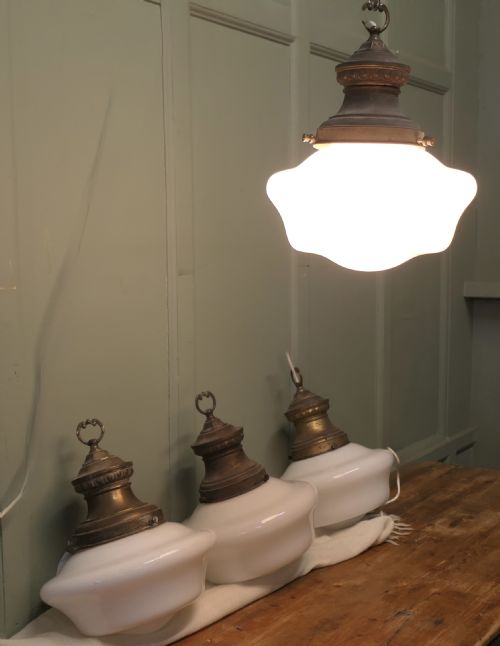
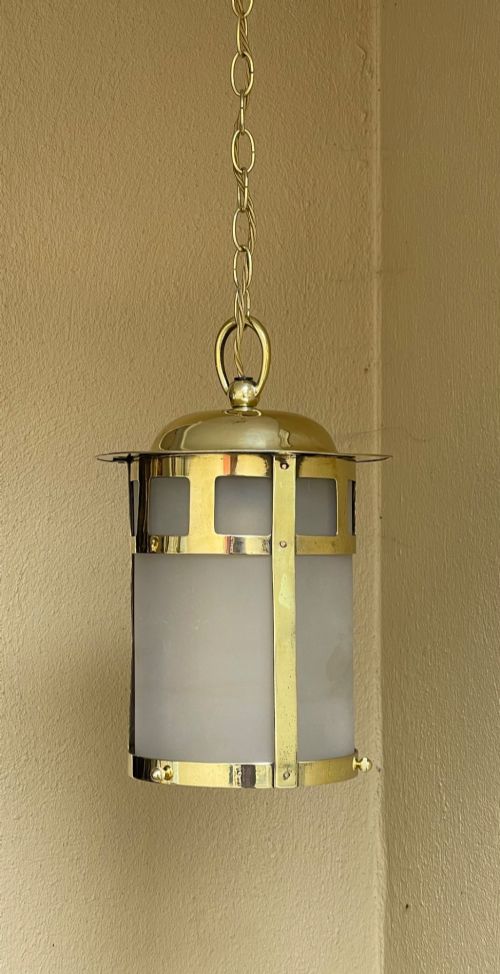
Edwardian Ceiling Light Fixture
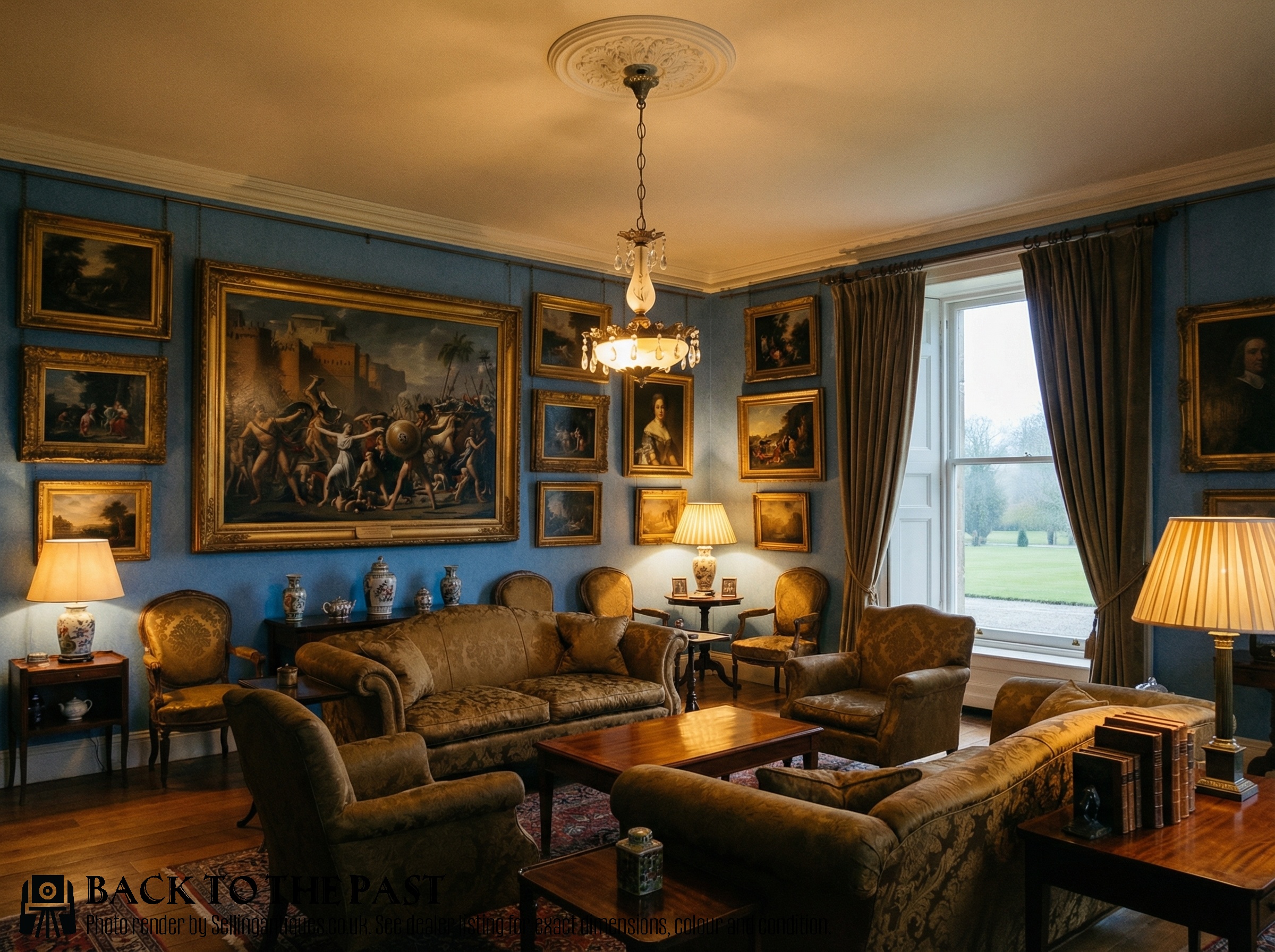
An edwardian ceiling light fixture brings period illumination to a hallway or principal room through brass and glass.
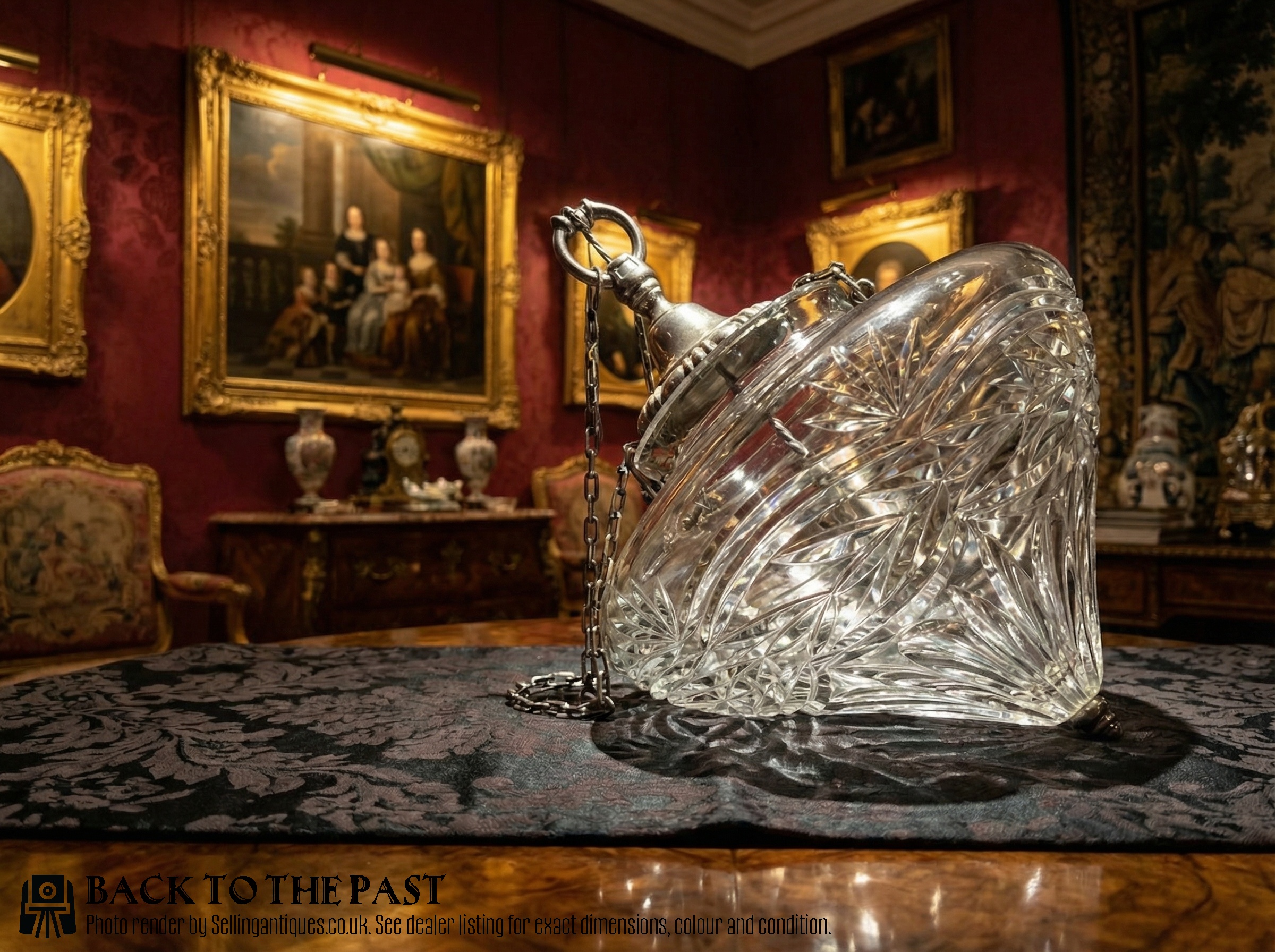
Edwardian Ceiling Light Fixture
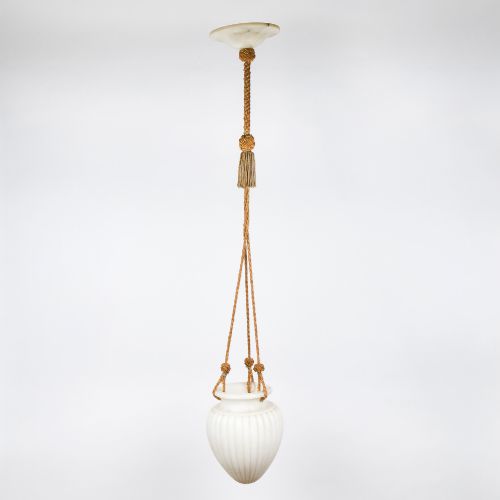
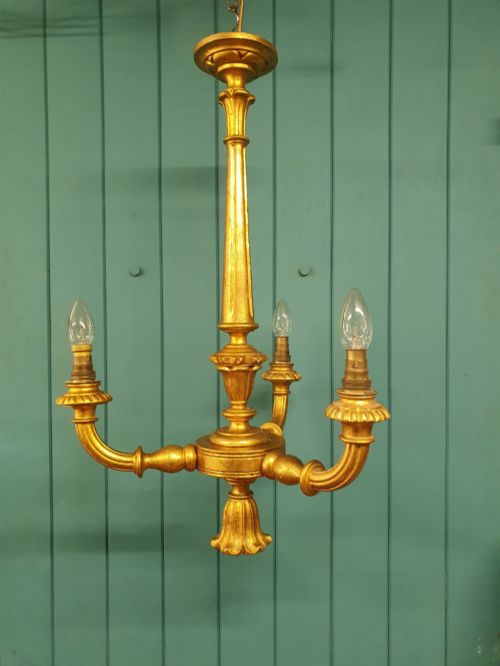
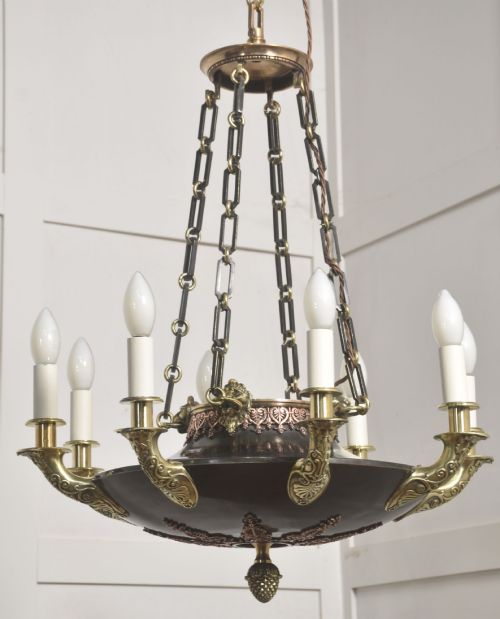
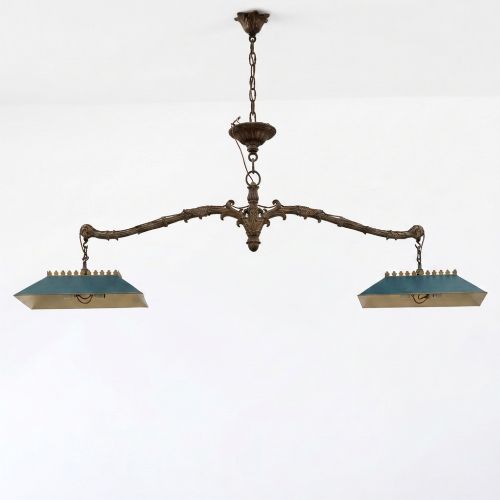
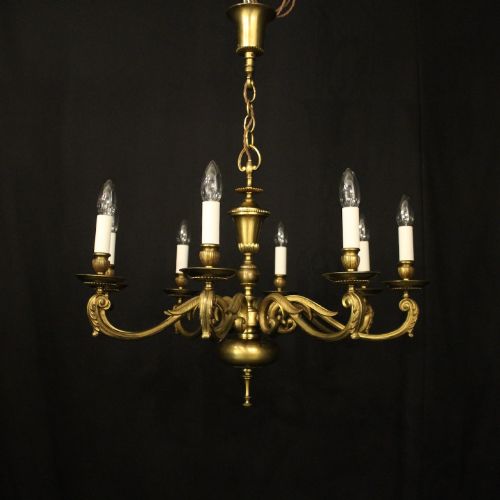
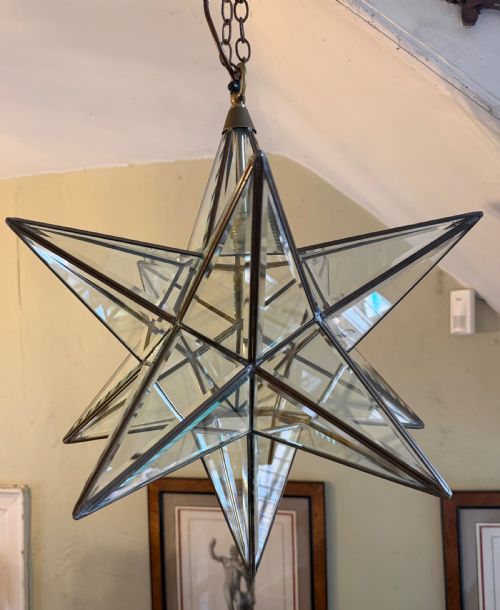
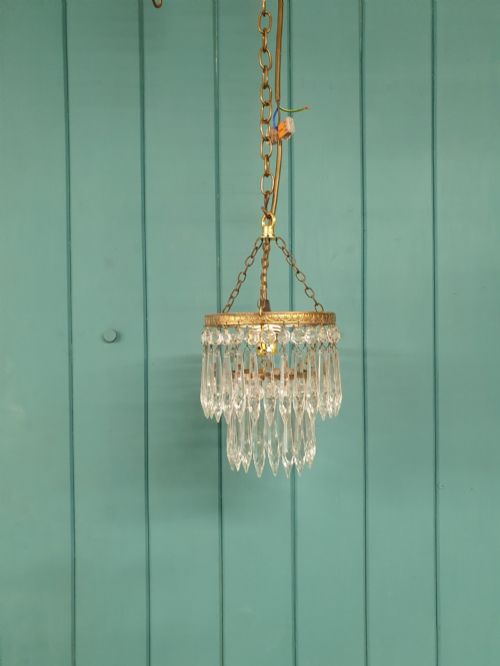
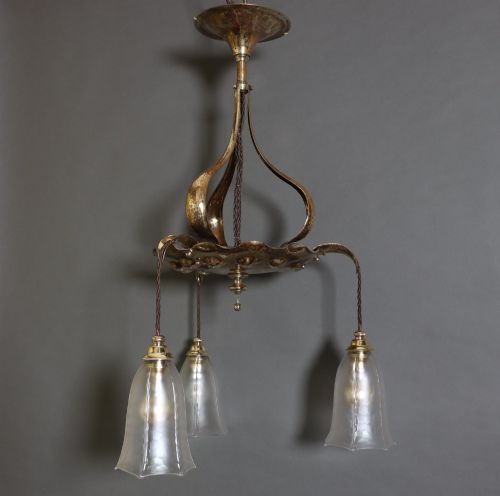
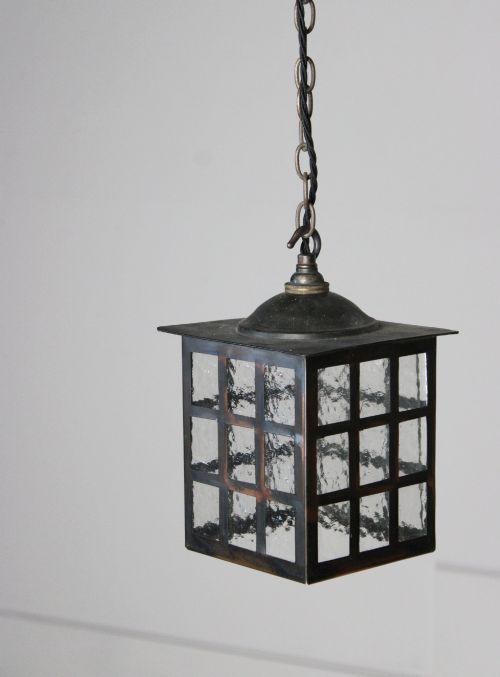
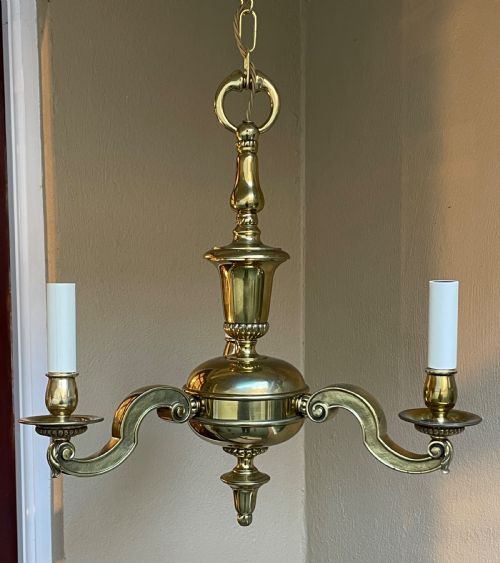
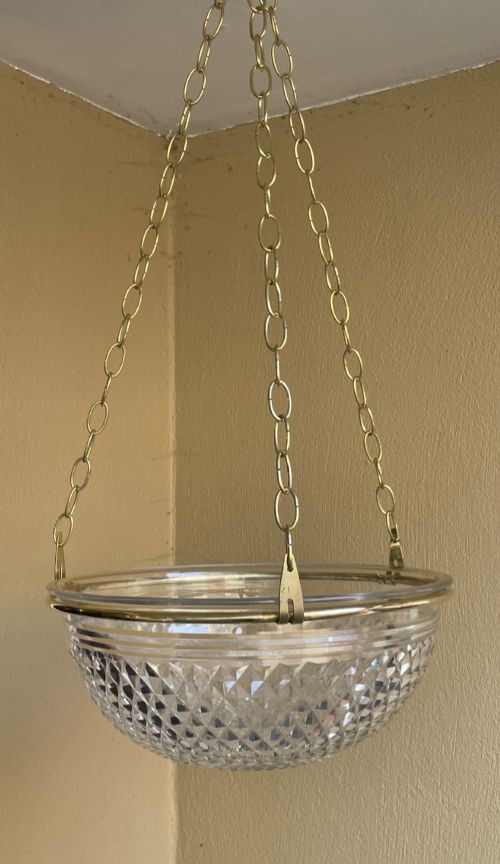
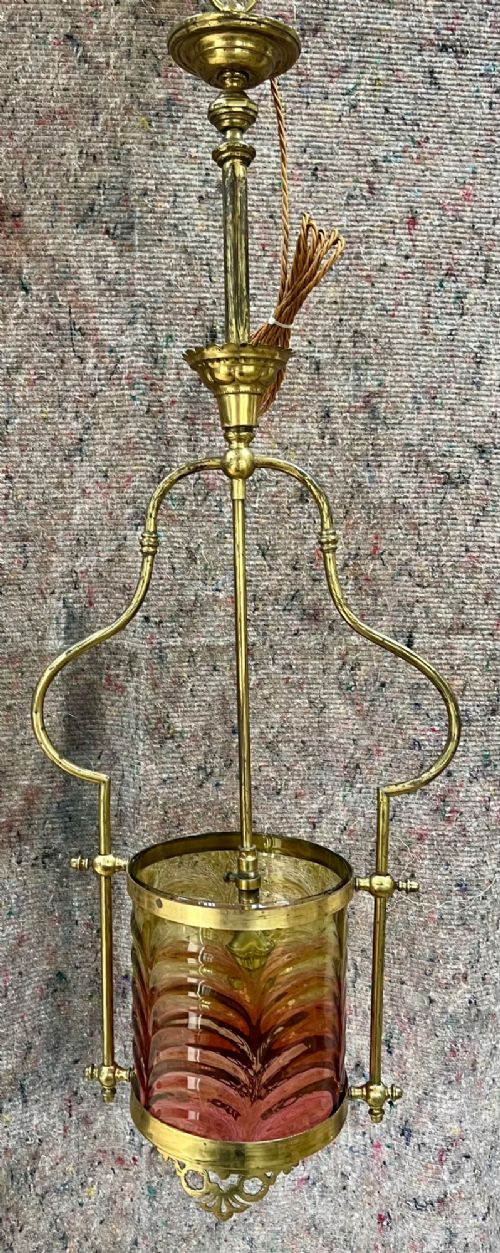
An edwardian ceiling light fixture encompasses chandeliers, hall lanterns, pendant lights and plafonniers designed around the turn of the twentieth century. These pieces illuminate interior spaces through suspended brass frames holding cut glass, crystal or moonstone shades.
The versions most commonly met here span the Edwardian period, 1900 and early twentieth-century eras. They range from small dome-top and spike chandeliers to substantial multi-arm brass fixtures and hexagonal hall lanterns.
Makers and designers drew upon Victorian, Arts and Crafts, and French styles to shape these metal and glass fittings. Buyers select them to anchor historic interiors with authentic period lighting.
Materials and construction
Workshops built an edwardian ceiling light fixture primarily from cast or framed brass, bronze and copper combined with cut glass and crystal prisms. Metal components provide the structural armature, while glass elements diffuse the illumination.
Construction techniques involve cast brass branches, bevelled glass panels, leaded stained glass and decorative elements such as giltwood or silver plating. Artisans assembled these components using traditional mechanical fastenings and soldered joints appropriate to the era.
Edwardian Ceiling Light Fixture Retail Price Guide 2026
Typical asking prices for edwardian ceiling light fixture among the pieces listed under this phrase on Sellingantiques today, from the lower quarter to the upper quarter. They describe what is for sale here now, not the wider market.
Listings feature brass, bronze, copper, cut glass, crystal and moonstone across Victorian, Edwardian and early twentieth-century periods.
Assessing quality in period lighting
Quality in an edwardian ceiling light fixture rests upon the weight of the metal casting and the clarity of the glass or crystal elements. Heavier brass frames and deeply cut glass prisms demonstrate superior manufacture compared to lighter, pressed alternatives.
Design complexity and decorative detailing further distinguish finer examples. Pieces featuring cast ornamentation, lion masks, leaded glass or specialised shades like moonstone indicate higher workshop standards than plain utilitarian counterparts.
The Edwardian Ceiling Light Fixture Glossary
- Plafonnier
- A ceiling-mounted bowl light that sits flush or close to the surface. These fixtures often feature cut glass or acorn designs.
- Chandelier
- A branched hanging light fixture designed to hold multiple lamps or candles. They frequently incorporate crystal prisms and brass frames.
- Hall lantern
- An enclosed hanging light used primarily in entrance passages and stairwells. These often feature glazed panels held within metal frameworks.
- Moonstone
- An opalescent type of art glass used for lamp shades. It creates a soft, diffused quality of light.
- Coffin prisms
- Long, faceted crystal drops used on chandeliers to refract light. They derive their descriptive shape from historical cutting styles.
Edwardian Ceiling Light Fixture: Frequently Asked Questions
How do I hang a heavy brass fixture safely?
Suspension requires securing the fixture directly into ceiling joists or using a designated structural ceiling hook capable of holding the metal weight.
Heavier multi-arm chandeliers and bronze lanterns demand professional electrical installation to ensure the supporting hardware bears the load securely.
What rooms suit an edwardian ceiling light fixture?
Compact plafonniers and small pendant lights suit hallways, porches and smaller bedrooms with lower ceilings. Larger multi-arm chandeliers and hall lanterns fit principal reception rooms and high-ceilinged entrance halls.
Matching the scale of the room to the drop and diameter of the fixture keeps the proportions balanced.
How do I clean cut glass and brass?
Glass and crystal prisms benefit from gentle washing in warm soapy water after being removed from the metal frame. Wiping them dry prevents water spots and restores their refractive clarity.
Polishing brass requires avoiding abrasive cleaners that strip historic patinas, utilising soft cloths to maintain the surface finish.
Are these lights wired for modern electricity?
Many period fixtures retain older internal wiring or require rewiring to meet modern safety standards. Buyers should plan to have a qualified electrician inspect and adapt the internal lamp holders.
Retaining the original aesthetic while updating the electrical components ensures both safety and historic authenticity in daily use.