
Edwardian Carved Wooden Chair
An edwardian carved wooden chair brings enduring craftsmanship to daily seating, shaped in rich mahogany and oak for lasting presence.
Edwardian Carved Wooden Chair
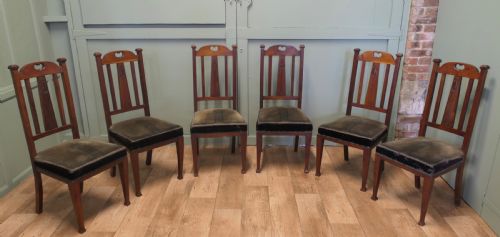
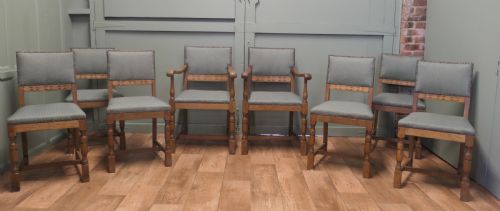
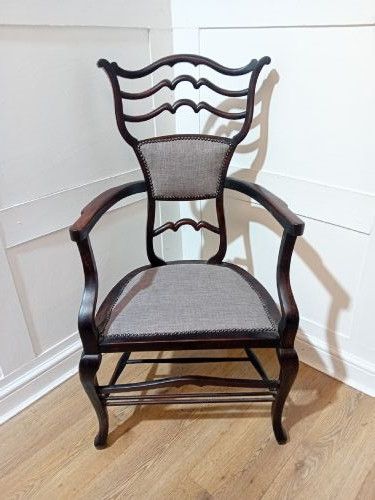
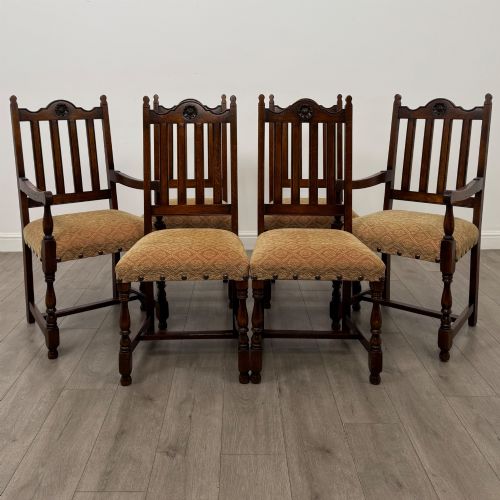
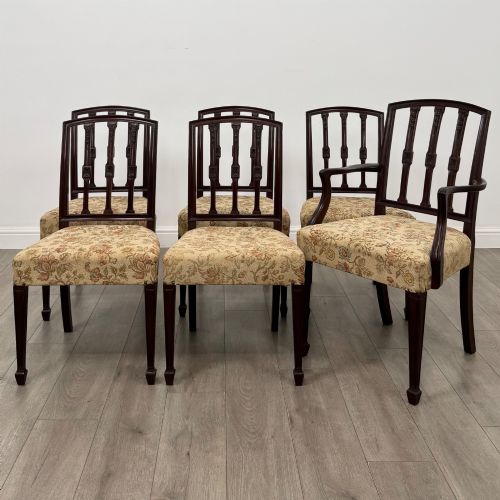
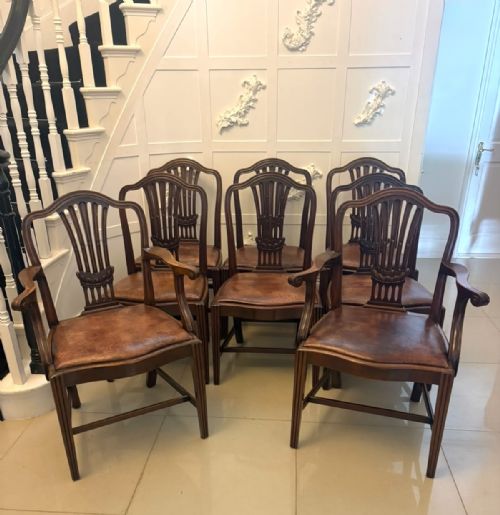
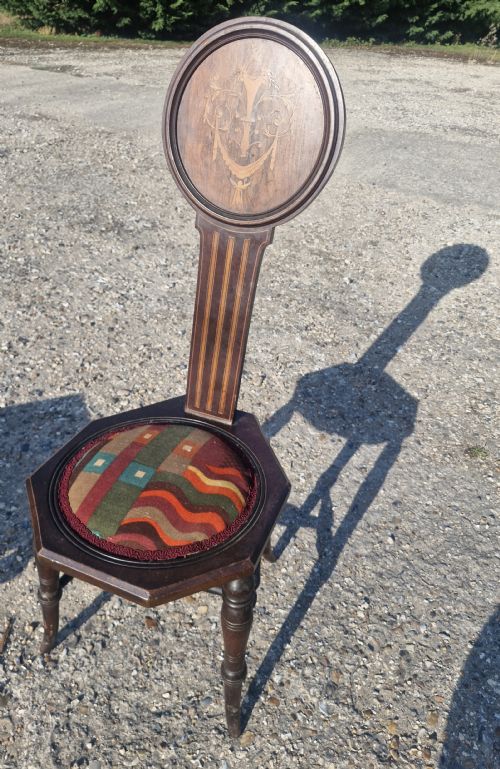
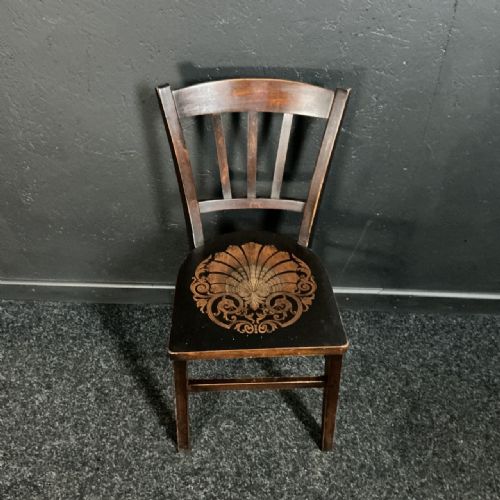
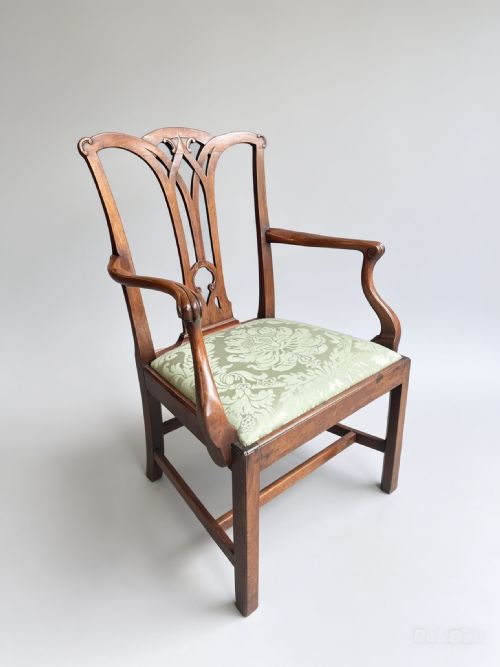
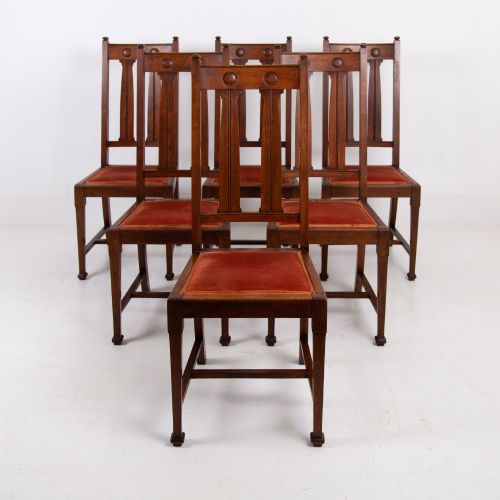
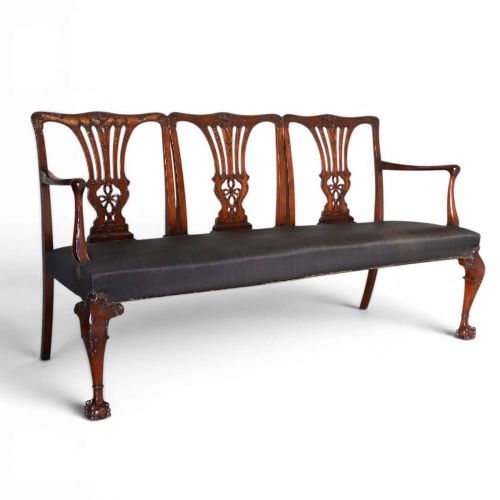
An edwardian carved wooden chair spans forms from single desk chairs and side seats to large dining sets and armchairs. The pieces on this page originate predominantly from the Edwardian era, alongside Victorian, Georgian, and early twentieth-century periods.
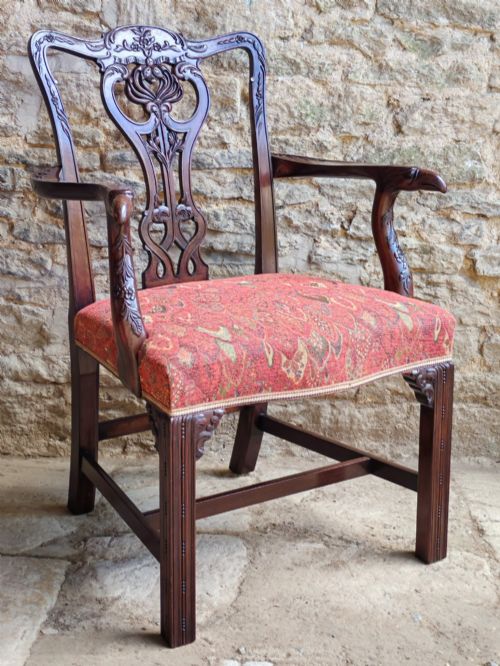
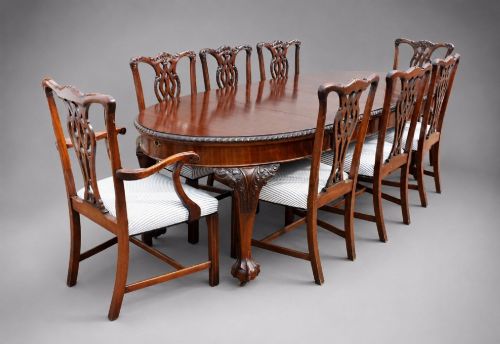
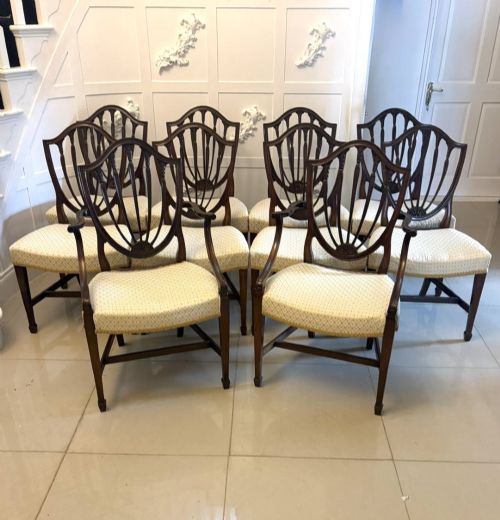
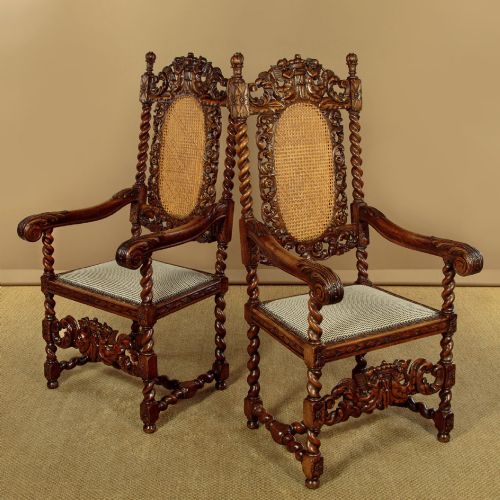
Makers and designers drew on historical revivals, producing items in Chippendale, Hepplewhite, and Jacobean styles. Alongside formal dining chairs, the selection includes Windsor variants, captain chairs, spinning chairs, and office seating.
Buyers encounter single seating alongside matched sets of varying sizes, reflecting the diverse domestic needs of the early twentieth century. Walnut, maple, and beech also appear frequently across the varied regional workshops of the period.
Materials and construction
Carpenters utilised solid timber frames primarily built from mahogany and golden or brown oak. Walnut, rosewood, and maple also provide structural integrity and detailed visual grain.
Carving defines the ornamentation, appearing on shield backs, rails, and splats. Upholstery materials include leather, velvet, fabric, and brass detailing to secure cushions and webbing.
Distinctions in quality
The depth and crispness of the carved woodwork separate standard utility seating from high-end revival pieces. Heavy timber selection and robust joinery ensure structural survival over generations.
Original upholstery methods and period-correct leather or fabric retention elevate the historical integrity of each seating piece.
Howard and Sons·Maple and Co·Hindley and Sons
The Edwardian Carved Wooden Chair Glossary
- Carver
- An armchair designed to match a set of dining chairs, usually placed at the head of a table. These feature supportive armrests integrated into the back design.
- Splat
- The vertical central strip of wood in the back of a chair, frequently carved or pierced in revival designs. It provides lumbar support and aesthetic character.
- Shield back
- A chair back shaped like a heraldic shield, popularized by eighteenth-century designers and revived during later periods. This form showcases symmetrical woodwork.
- Draw leaf
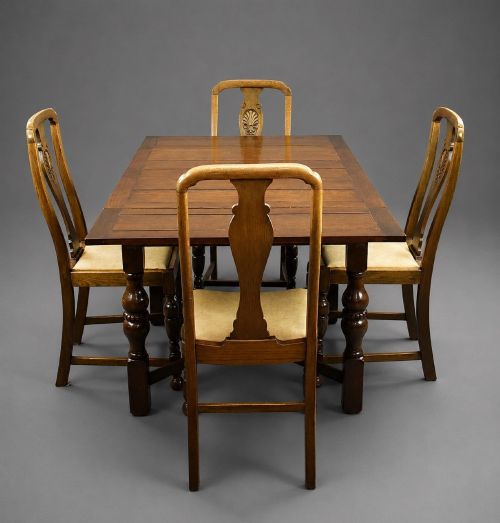
- A table mechanism associated with dining sets that extends the surface via sliding underleaves. It accommodates larger gatherings without removing the main top.
Edwardian Carved Wooden Chair: Frequently Asked Questions
How do I identify an Edwardian chair?
Examine the timber selection, typically mahogany or oak, combined with lighter revival carving styles. Look for construction traits consistent with the early twentieth century.
Compare the silhouette against Victorian heavier proportions or later twentieth-century minimalist production methods.
Are these chairs suitable for daily use?
Solid wood construction provides robust stability for regular seating. Check the frame joints and upholstery webbing to ensure safe daily support.
Many buyers utilise single armchairs at desks or pair dining sets for everyday meals.
What is a Chippendale style chair?
This design draws on mid-eighteenth-century aesthetics featuring interlaced splats and carved cabriole legs. Edwardian makers frequently reproduced these elegant proportions.
Recognisable elements include scrolled top rails and pierced wooden back splats.
How do I care for antique wood?
Maintain the finish by dusting with a dry cloth and avoiding direct sunlight. Apply appropriate furniture wax sparingly to nourish the timber surface.
Keep pieces away from sudden temperature shifts to prevent wood splitting.