



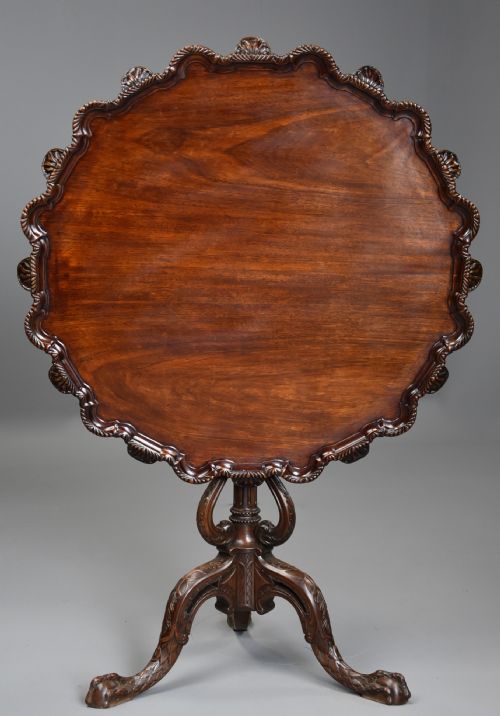
Edwardian Carved Tripod Table
These edwardian carved tripod table examples bring formal elegance and practical three-legged stability to any room.
Edwardian Carved Tripod Table
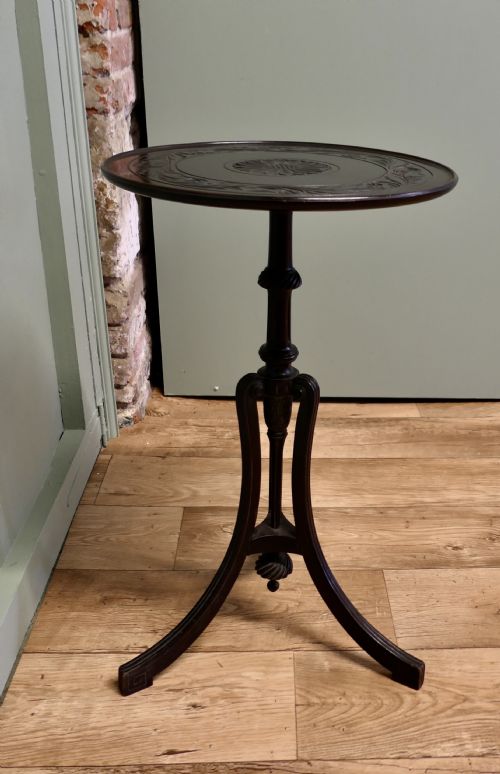
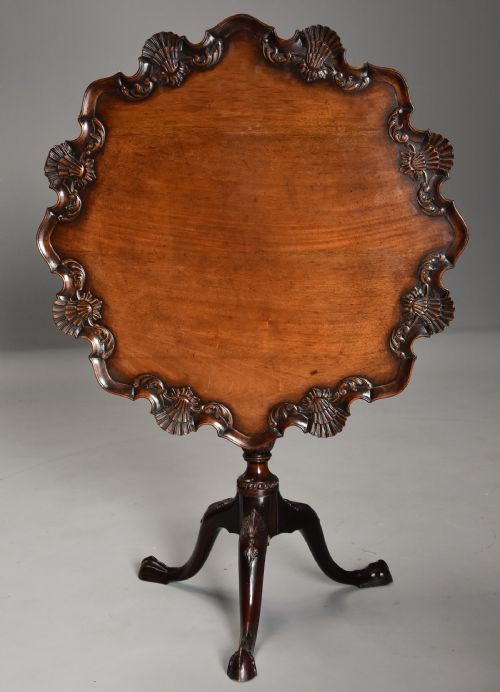
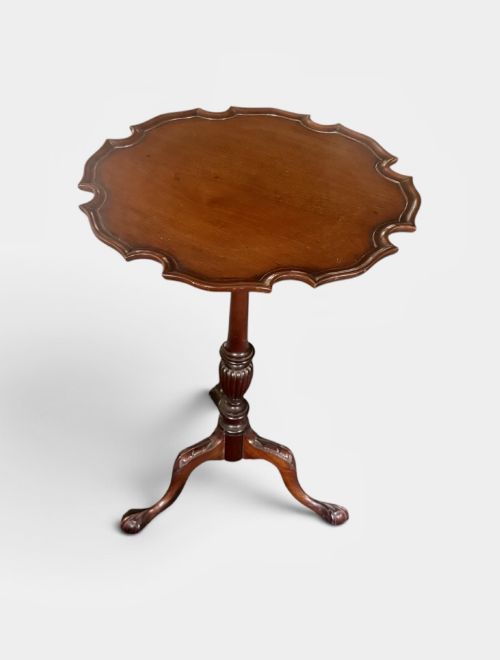
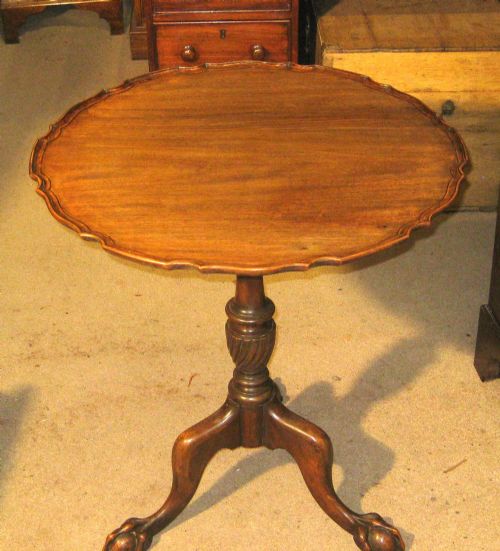
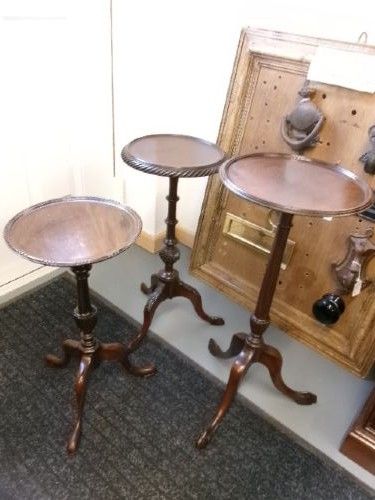
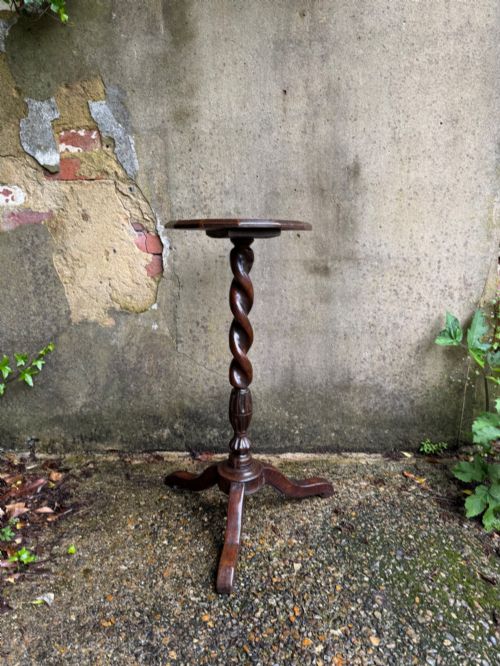
An edwardian carved tripod table is a compact occasional piece designed for serving wine, holding lamps, or displaying ornaments within a home. The pieces found here span the Edwardian period, Victorian era, and nineteenth century, appearing primarily as wine tables, tilt-top tables, and small occasional stands.
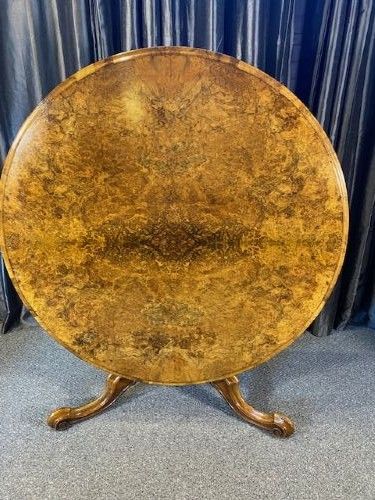
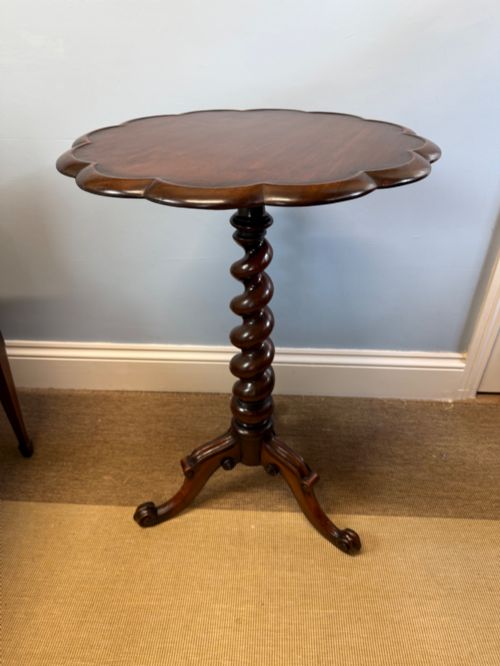
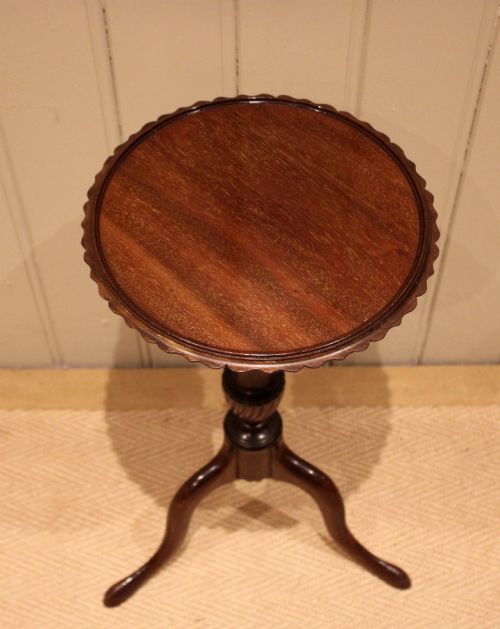
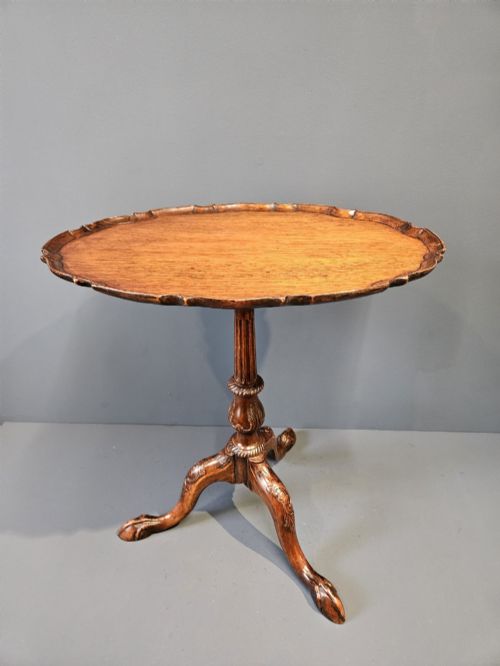
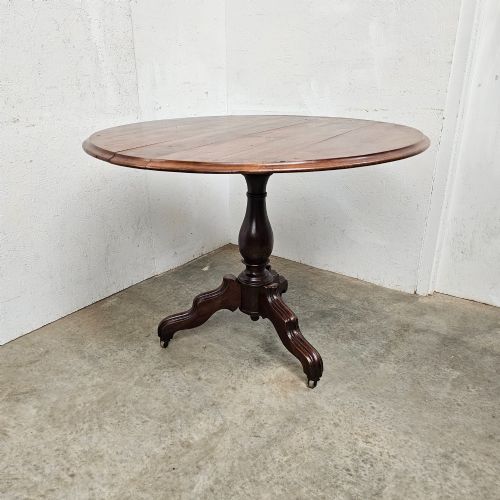
Most examples rely on a central turned or carved pillar supported by three legs, which allows the table to stand steady on uneven floors. Makers produced both plain circular tops and more elaborate shapes, including piecrust rims, oval surfaces, and tilt mechanisms that enabled the top to store flat against the pillar when not in use.
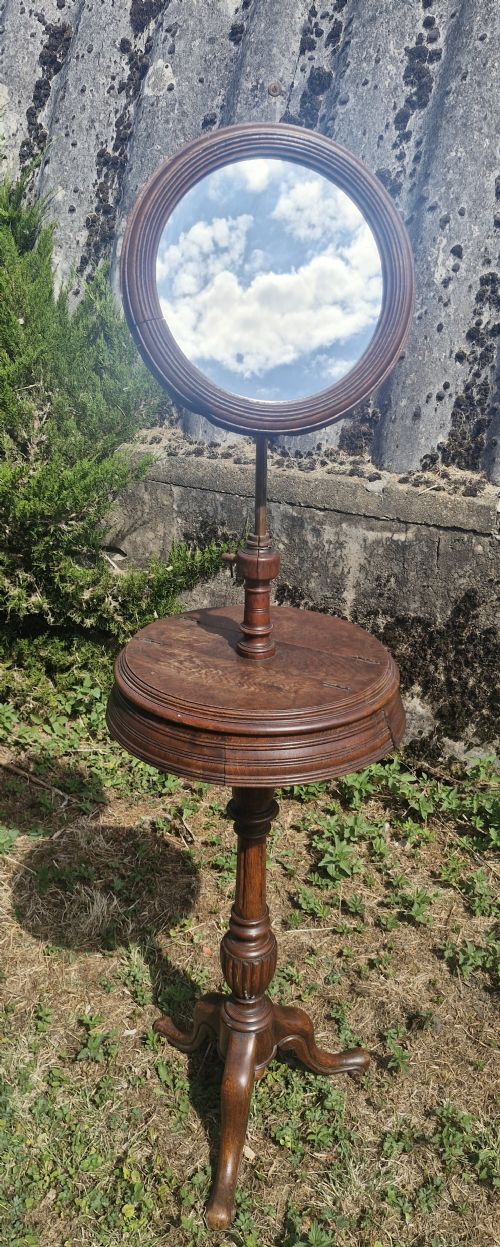
Beyond standard occasional tables, related forms in the evidence include plant stands, jardiniere supports, and specialised work tables. While the Edwardian examples dominate, the lineage draws upon earlier Georgian and Victorian revival styles that prioritized rich timbers and decorative carving.
How They Were Made
Cabinetmakers utilised solid timbers and selected veneers, with mahogany serving as the primary material alongside walnut, burr walnut, oak, teak, and rosewood. The structural integrity relies on traditional joinery, connecting the three-legged base to the central column with secure tenons or metal fittings.
Carving was executed by hand, creating subtle moulded edges, piecrust profiles, and relief patterns on the pillar or legs. Surfaces were finished with polishes that highlighted the natural grain of the wood, while specialised variants incorporated brass hardware, glass inserts, or marquetry inlay.
A dragon once guarded an Asian tripod table, proving furniture can possess a fierce personality.
What Varies in Quality
The distinction between standard utility items and finer pieces rests upon the quality of the timber selection and the crispness of the hand carving. Finer tables often display figured mahogany or burr walnut with balanced grain patterns across the top.
Structural execution also sets pieces apart, particularly the balance of the tripod base and the smooth operation of tilt-top mechanisms. Tables featuring detailed piecrust rims, marquetry, or specialised regional carving represent the upper tier of craftsmanship.
Edwards & Roberts
The Edwardian Carved Tripod Table Glossary
- Tripod Table
- A small table supported by a central pillar resting on three legs. This design provides natural stability on older, uneven floorboards.
- Wine Table
- A compact occasional table originally intended for holding glasses or bottles during social gatherings. They typically feature small circular or shaped tops.
- Tilt-Top
- A table mechanism allowing the surface to swivel and lock into a vertical position. This feature allowed easy storage against walls when the furniture was not in active use.
- Piecrust Edge
- A decorative raised rim carved with undulating curves resembling pastry crust. It prevented items from sliding off the surface.
- Jardiniere Stand
- A tall pedestal or small table designed specifically to hold potted plants or floral arrangements. They often feature carved shafts and raised platforms.
Edwardian Carved Tripod Table: Frequently Asked Questions
What is an edwardian carved tripod table used for?
These tables function as versatile occasional surfaces for holding lamps, books, or drinks in a sitting room. Their compact footprint allows them to fit easily beside armchairs or in small corners.
Historically, similar small stands served specific domestic purposes such as wine serving or plant display. Today, they remain practical accent pieces that add character to traditional and modern interiors alike.
How do I identify an Edwardian table?
Edwardian tables often display lighter timbers, refined proportions, and influences from earlier revival styles such as Chippendale or Sheraton. The construction methods reflect early twentieth-century workshop standards.
Examining the underside, timber grain, and joinery helps distinguish pieces made around this era from later reproductions or heavier Victorian predecessors.
Why do some tables tilt?
The tilt-top mechanism was an ingenious space-saving device used by period cabinetmakers. It allowed the tabletop to lock vertically so the furniture could be stored flat against a wall when not in use.
This functional feature requires a secure catch beneath the surface to hold the top steady in its horizontal position during daily use.
How do I care for polished wood?
Maintain polished mahogany or walnut surfaces by dusting them regularly with a soft, dry cloth. Avoid placing these tables in direct sunlight or near heat sources to prevent the timber from drying out.
Applying a quality natural wax occasionally helps nourish the wood and preserve the depth of the original finish without building up heavy residues.