

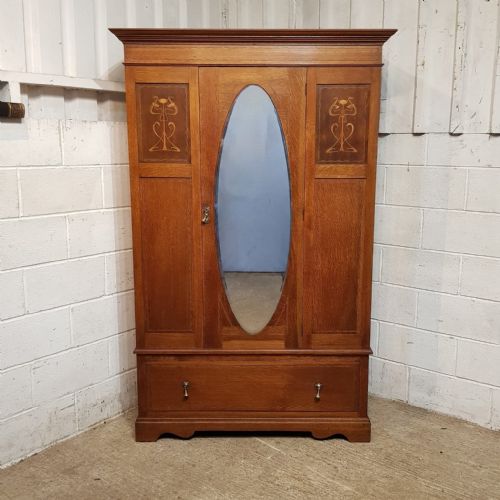
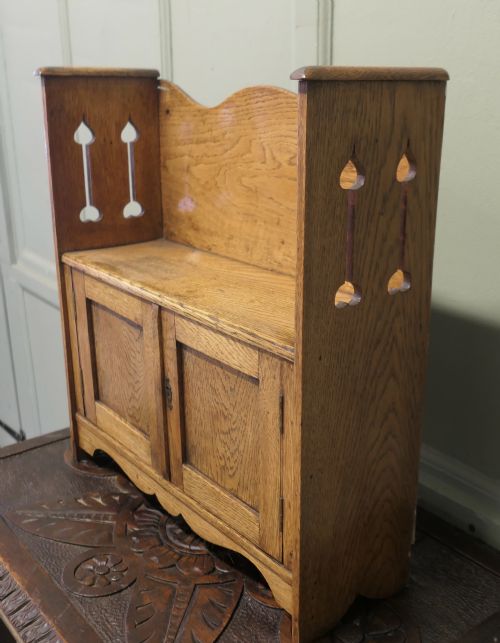
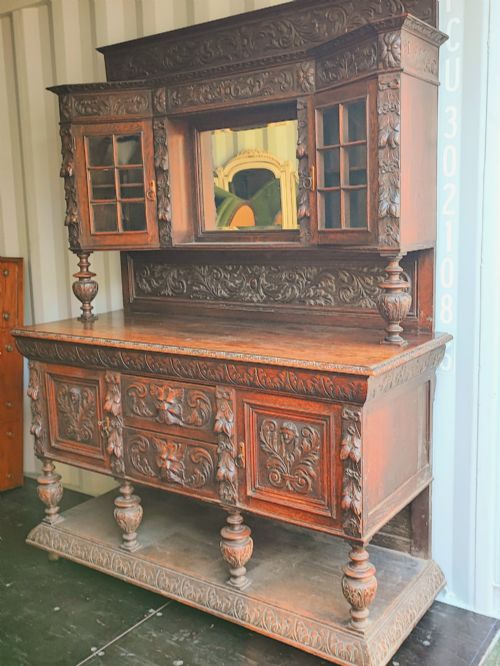
Edwardian Carved Oak Cupboard
An edwardian carved oak cupboard brings solid timber utility and rich historic character straight into a modern hallway or bedroom.
Edwardian Carved Oak Cupboard
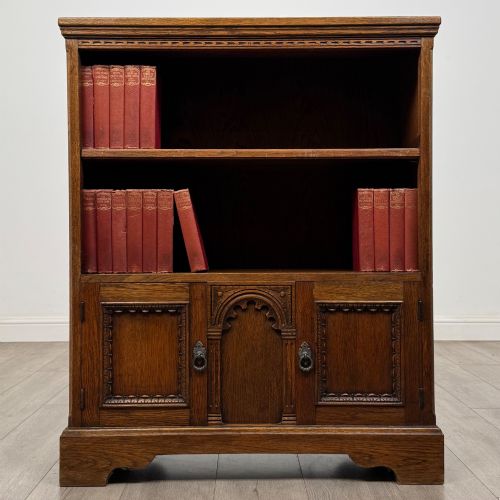
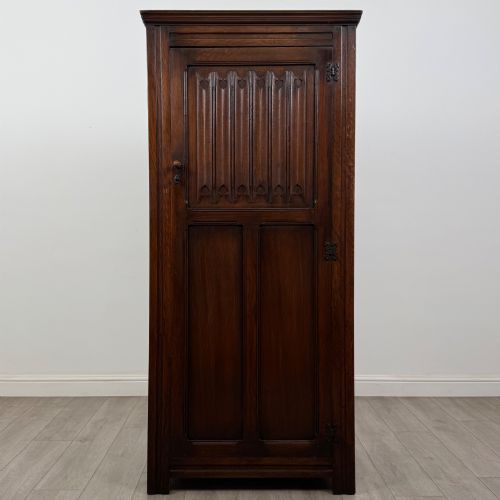
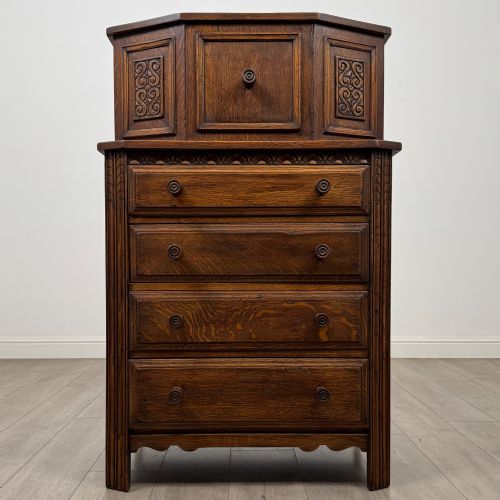
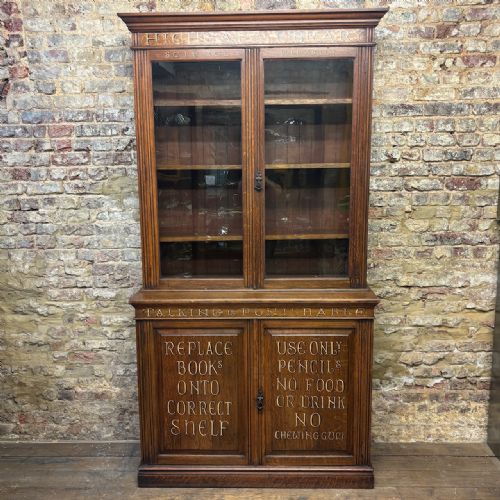
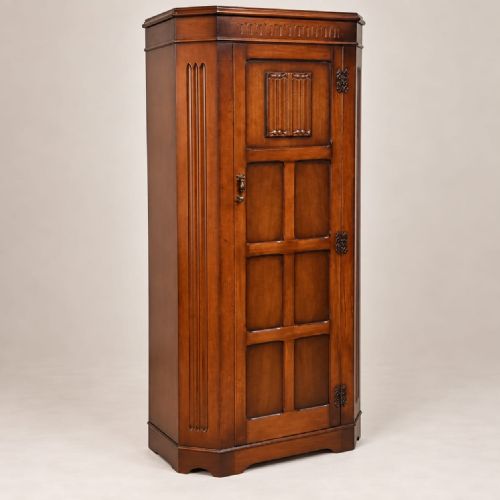
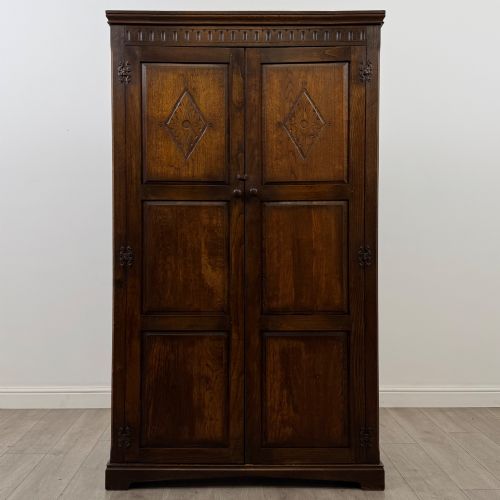
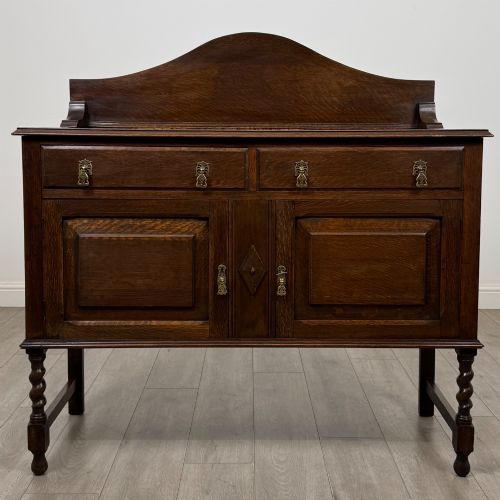
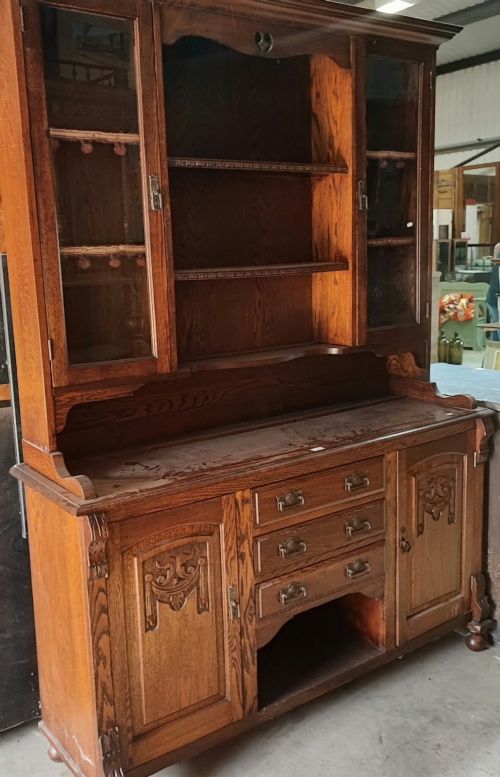
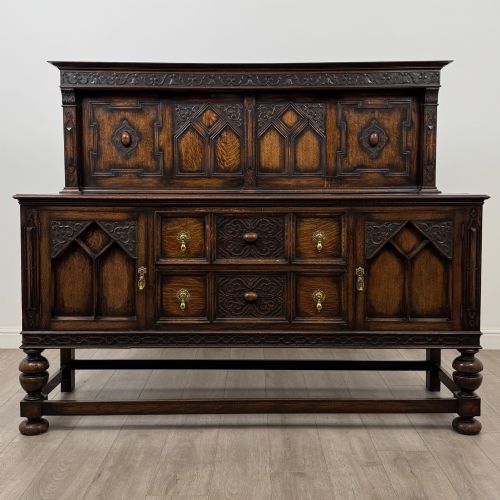
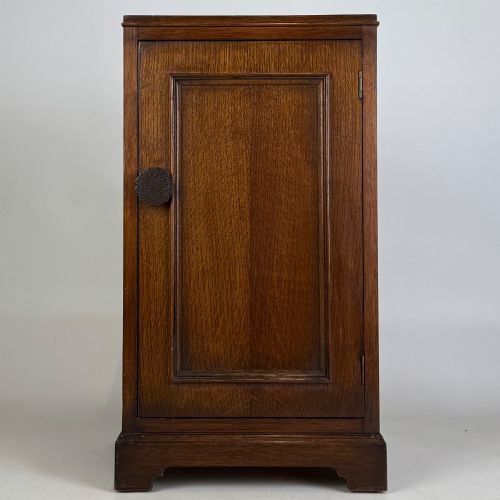
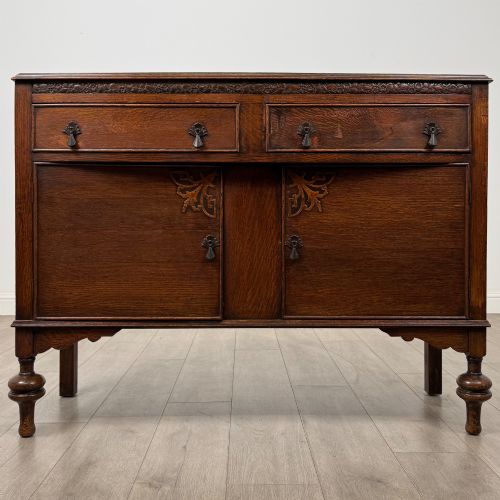
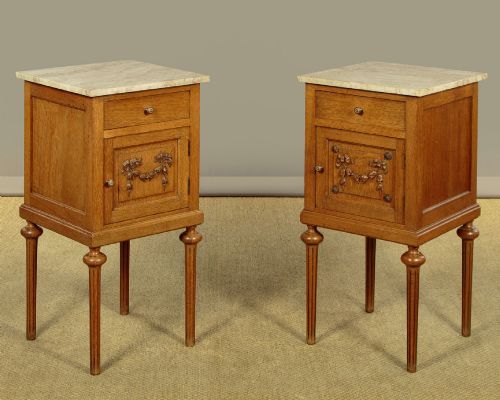
When you search for an edwardian carved oak cupboard, you encounter a robust variety of storage furniture originating from the late nineteenth and early twentieth centuries. These pieces encompass everything from compact bedside cabinets and wall-mounted units to large wardrobes, sideboards, and bookcases equipped with cupboard bases.
The selections on this page span several overlapping periods, notably the Edwardian era, the Victorian age, and the 1920s. Alongside traditional Edwardian items, you will find pieces bearing the distinct aesthetic influences of the Arts and Crafts movement, Gothic Revival, and Jacobean Revival styles.
The forms range widely in scale and purpose, reflecting the domestic needs of their original period. Smaller variants like pot cupboards and wall cabinets contrast with heavy hall wardrobes, court cupboards, and extensive dining room sideboards.
Materials and Technique
Solid oak serves as the primary structural material across these listings, occasionally appearing alongside specialised timber varieties like tiger oak or golden oak. Workshops employed traditional joinery techniques to construct these durable cabinets, ensuring the dense wood could support heavy carving and daily domestic use.
Carving forms the principal decorative technique, ranging from geometric strapwork and floral motifs to bold Jacobean panels and linear Arts and Crafts patterns. Makers integrated functional metal elements such as brass handles, iron hinges, and copper fittings to complete the construction.
Glass panels appear in glazed display cabinets and bookcase doors, while internal mirrors feature in larger wardrobes and dressing chests. Marble surfaces and specialised woodwork like pokerwork add decorative textural contrast to specific wall-mounted and cabinet designs.
Some Edwardian walls held unexpected artistic flair through pokerwork wall-mounted cupboards.
Standards of Execution
The distinction between ordinary and superior pieces rests on the depth and crispness of the hand-carving and the choice of timber figure. Cabinets featuring deeply articulated motifs and carefully selected quarter-sawn oak display a greater level of artisan skill.
Construction methods and hardware integration also dictate overall calibre. Pieces assembled with precise joinery, original brass or copper metalwork, and well-fitted doors demonstrate the enduring standards of their period workshops.
Maple and Co·John Moyr Smith·Heals of London
The Edwardian Carved Oak Cupboard Glossary
- Quarter-sawn oak
- Timber cut radially from the log to produce a distinct flecked grain pattern. This method yields exceptionally stable boards favoured in quality furniture production.
- Court cupboard
- A traditional enclosed storage piece featuring upper and lower sections, often heavily carved. These items provide substantial historic presence within a room.
- Pot cupboard
- A small bedside cabinet originally designed to house a chamber pot. They offer compact enclosed shelving suitable for modern living spaces.
- Pokerwork
- A decorative technique involving heated tools to burn designs into wood surfaces. This method creates textured, dark-lined patterns frequently seen on Arts and Crafts pieces.
Edwardian Carved Oak Cupboard: Frequently Asked Questions
Where did people place these cupboards?
These cabinets served various domestic functions throughout the home, functioning as bedside storage, hallway wardrobes, or dining room sideboards. Smaller wall-mounted versions freed up floor space in tight passages.
Larger variations anchored main rooms, storing linens, books, or tableware. Their sturdy construction made them suitable for high-traffic areas of the household.
How do I identify an Edwardian piece?
Edwardian furniture typically exhibits lighter proportions and less ornate heaviness than preceding Victorian designs. Many items incorporate revival styles like Jacobean or Arts and Crafts motifs.
Examine the construction details and secondary woods to help determine the era. The presence of standardised hardware often points toward early twentieth-century production.
What is tiger oak?
Tiger oak refers to timber with pronounced medullary rays that create a striped pattern resembling tiger stripes. This visual effect occurs naturally when the log is quarter-sawn.
Cabinetmakers prized this figure for prominent display surfaces on sideboards and wardrobes. It catches the light differently depending on the viewing angle.
How do I care for antique oak?
Maintain oak surfaces by dusting regularly with a soft, dry cloth to prevent dirt accumulation. Avoid placing pieces in direct sunlight or near heat sources to protect the timber.
Applying a quality wax periodically helps nourish the wood and preserve its historic finish. Keep indoor humidity levels stable to prevent the solid panels from shifting.