
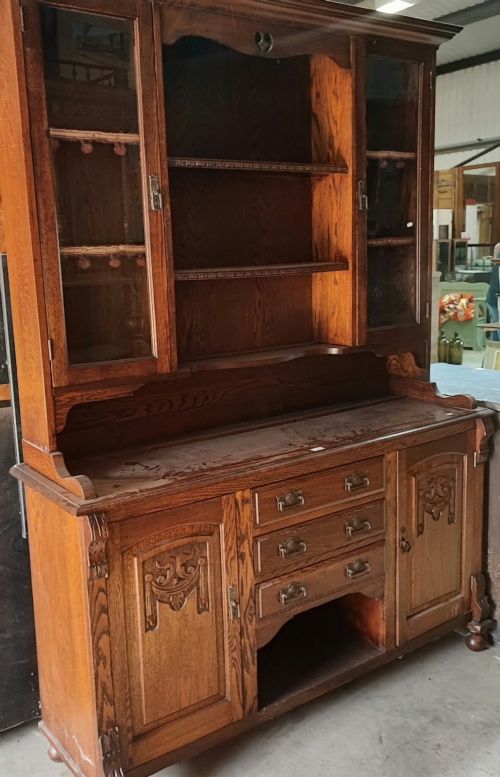
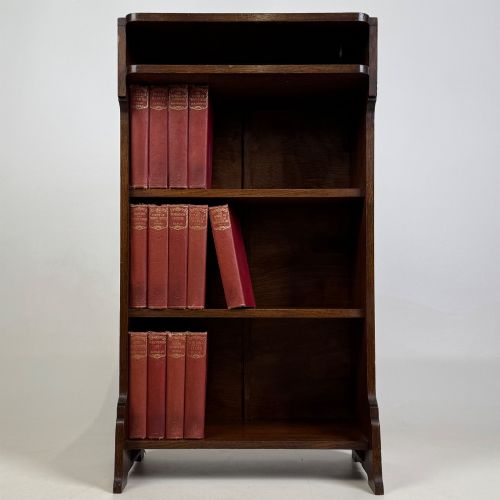
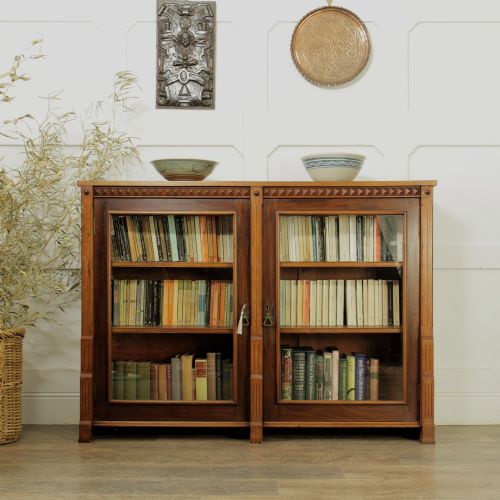
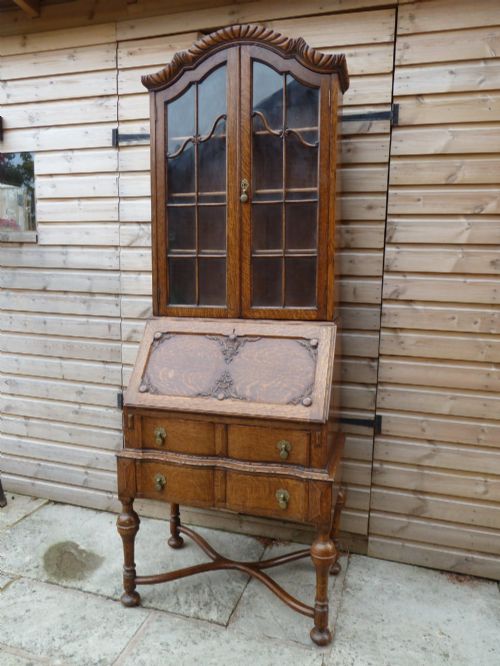
Edwardian Carved Display Cabinet
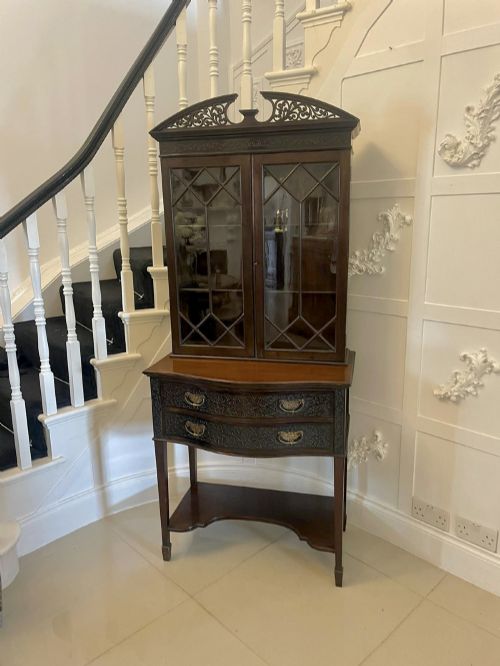
An Edwardian carved display cabinet brings polished mahogany and fine glazing together to showcase china and glass.
Edwardian Carved Display Cabinet
When you search for an edwardian carved display cabinet, you encounter timber furniture designed to house precious objects behind glass doors. These pieces frequently appear alongside related forms like bookcases, sideboards, and occasional bijouterie tables.
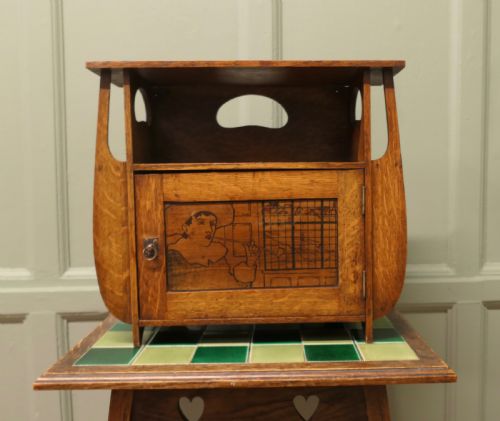
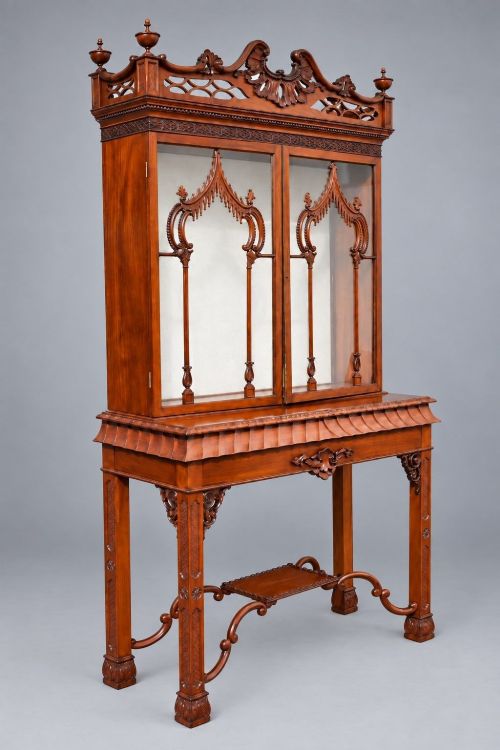
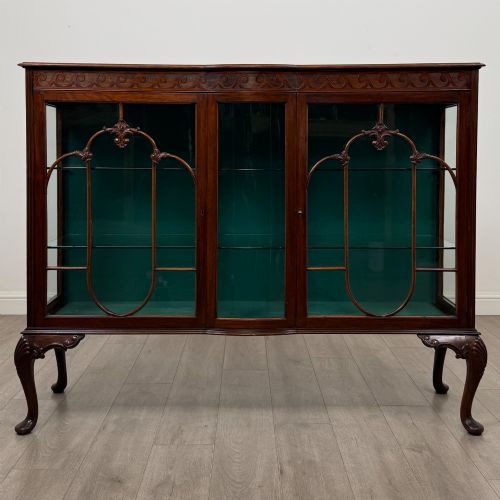
Mahogany and oak dominate the construction, often shaped by revival styles such as Chippendale and Queen Anne alongside Arts and Crafts influences. Pieces range from small corner cabinets to large breakfront designs standing on carved legs.
The Edwardian period favours lighter proportions than preceding Victorian furniture, though carved detail remains prominent on cornices and door frames. Upholstered interiors sometimes line the shelves to provide a soft backdrop for displayed ceramics.
Materials and Construction Techniques
Cabinetmakers select solid and veneered timbers, predominantly mahogany and oak, building carcasses designed to support heavy glass doors. Brass hardware secures the doors and interior fittings.
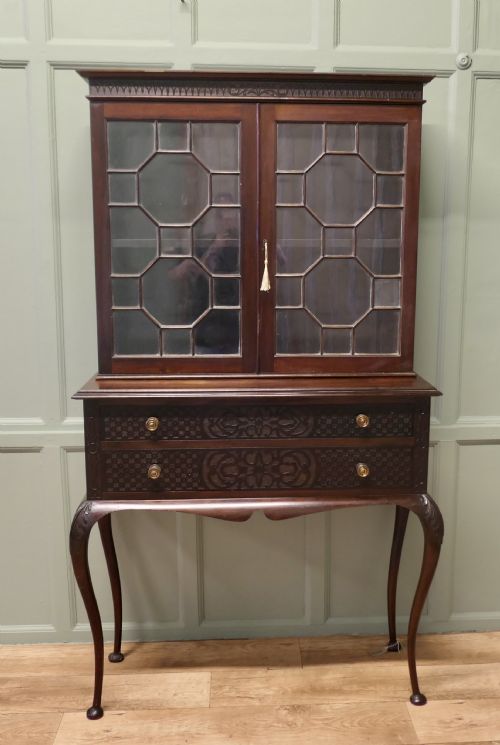
Glazing techniques utilise timber astragals to divide glass panels into geometric or gothic patterns. Carved decoration is applied directly to the solid wood framework around the display area.
Cabinet styles span Chippendale Revival, Arts and Crafts, Queen Anne Revival, and Aesthetic Movement designs.
Distinctions in Quality
Quality rests upon the depth of the carving and the precision of the timber joinery. Finer examples display crisp detail in the woodwork and well-figured grain across the mahogany or walnut surfaces.
Maker attribution elevates a piece, with workshops such as Maple & Co. or Edwards & Roberts demonstrating superior cabinet work. The choice of glass, mirror backs, and interior upholstery further separates standard production from exceptional work.
Maple & Co.·Edwards & Roberts·John Moyr Smith
The Edwardian Carved Display Cabinet Glossary
- Astragal
- A small moulding used to hold glass panes within a door frame. These wooden strips form the geometric grid seen on cabinet fronts.
- Bijouterie
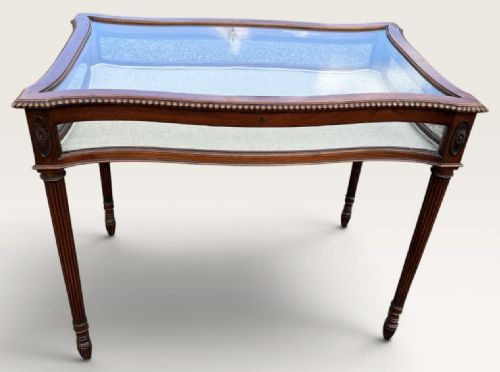
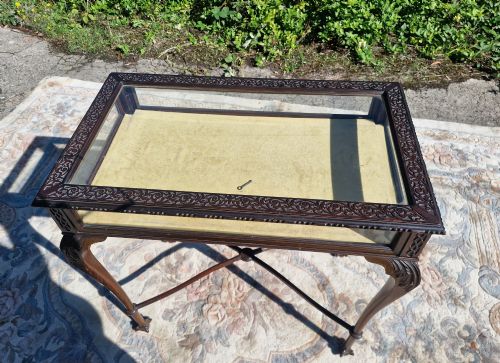
- A low display table with a glass top designed for small ornaments and jewellery. They often feature hinged lids for easy access.
- Breakfront
- A piece of furniture where the central section projects forward from the outer sections. This architectural arrangement adds depth to large cabinets.
- Chippendale Revival
- A decorative style reinterpreting 18th-century designs with characteristic carved motifs. It appears frequently on Edwardian mahogany furniture.
- Figured walnut
- Timber exhibiting highly decorative grain patterns caused by branch junctions or growth variations. Cabinetmakers use it on prominent door surfaces.
Edwardian Carved Display Cabinet: Frequently Asked Questions
How do I identify an Edwardian cabinet?
Edwardian cabinets generally present lighter frames and brighter timber finishes compared to heavier Victorian furniture. They frequently incorporate revival styles like Chippendale or Sheraton within their design.
Look for refined mahogany or oak construction paired with crisp, restrained carving around the cornices and feet. The overall aesthetic prioritises domestic elegance over monumental scale.
What is the difference between a display cabinet and a bookcase?
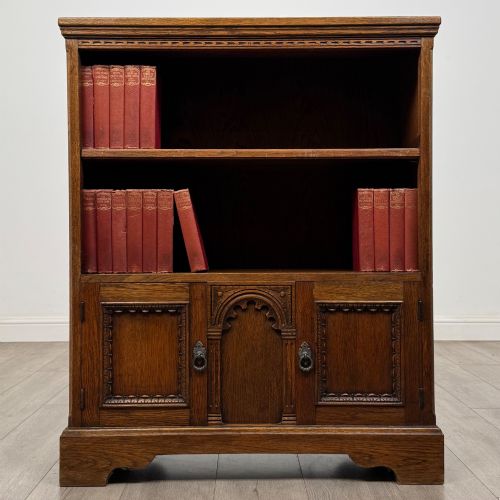
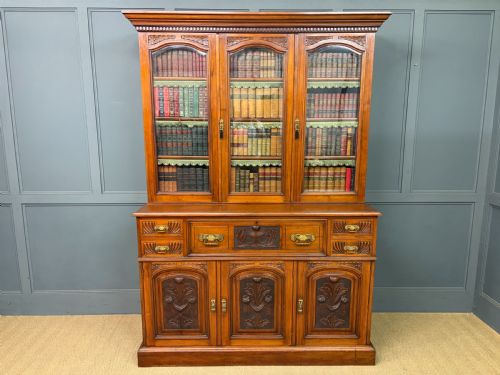
Display cabinets feature glass doors designed to showcase decorative objects, china, and glass. Bookcases typically use open shelving or timber doors intended for book storage.
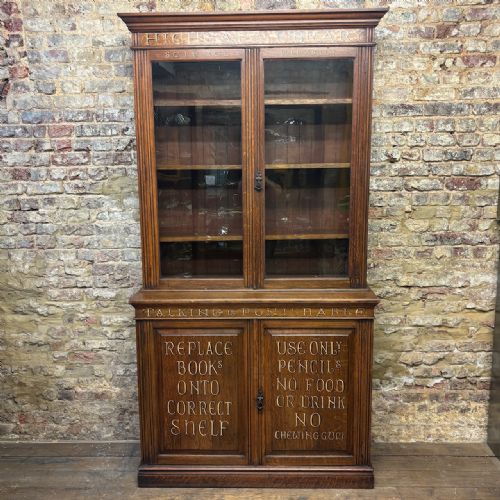
Many surviving pieces combine both functions, offering glazed upper sections for display alongside enclosed cupboards below.
Where were these cabinets placed in a home?
Edwardian households positioned these cabinets in drawing rooms and reception spaces to display porcelain and curiosities. Corner models made efficient use of smaller rooms and alcoves.
Table versions, known as bijouterie tables, sat near seating areas for the closer inspection of smaller items.
Did these cabinets always have glass doors?
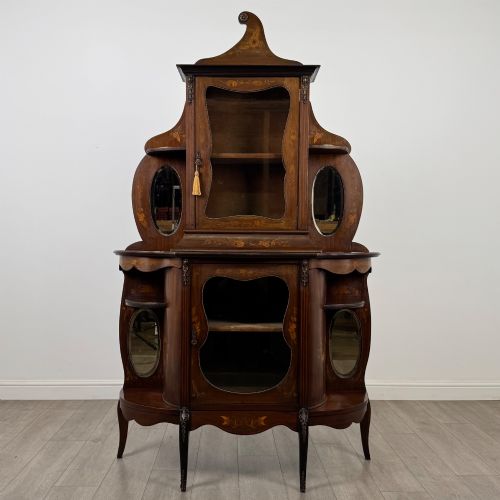
While most Edwardian display pieces utilise glazed doors to protect contents from dust, some variations rely on open shelves. Cabinets with mirror backs use reflected light to brighten the interior display.
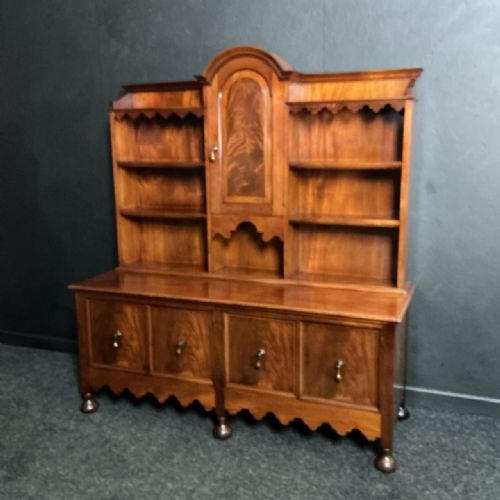
Sideboards and chiffoniers from the period combine glass elements with solid timber cupboards and drawers.