
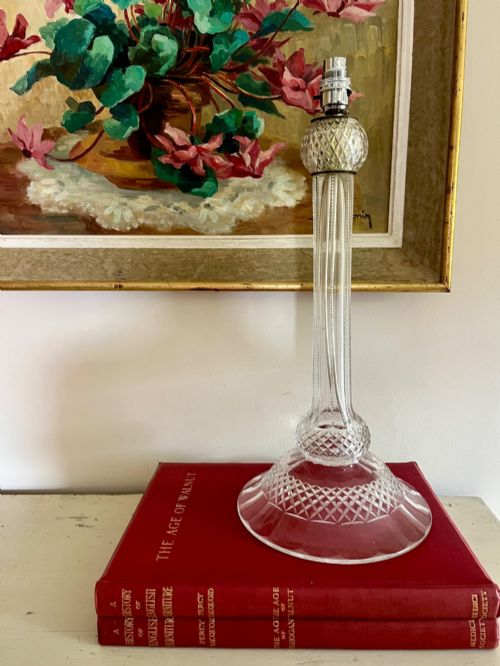


Edwardian Candlestick Lamp
An edwardian candlestick lamp brings period character to a room, offering adaptable lighting through converted candleholders and tailored metalwork.
Edwardian Candlestick Lamp
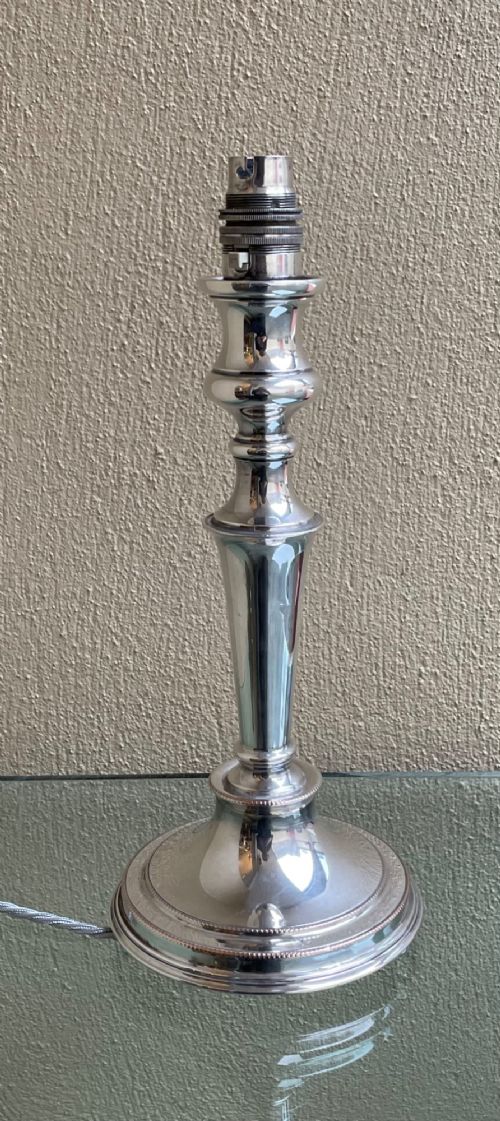
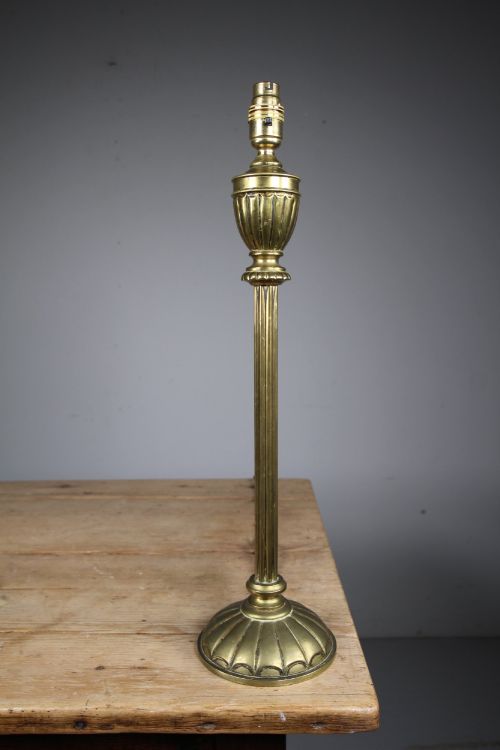
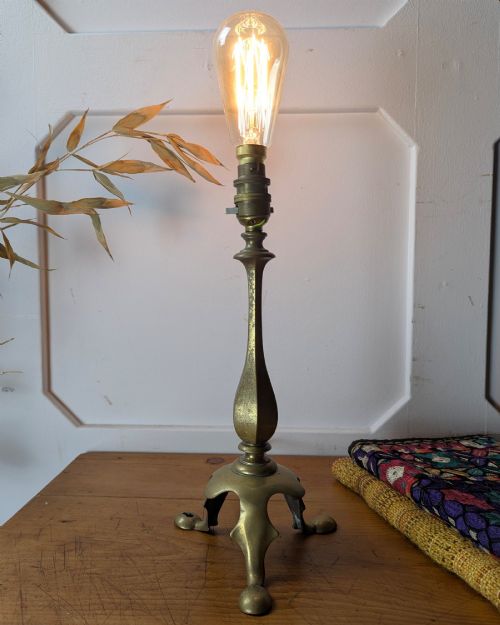
An edwardian candlestick lamp transforms traditional lighting by adapting period forms for electrical use. Buyers looking at this selection will find standard table lamps, converted candlesticks, and desk lights originating from the Edwardian era alongside adjacent late-Victorian and early twentieth-century periods.
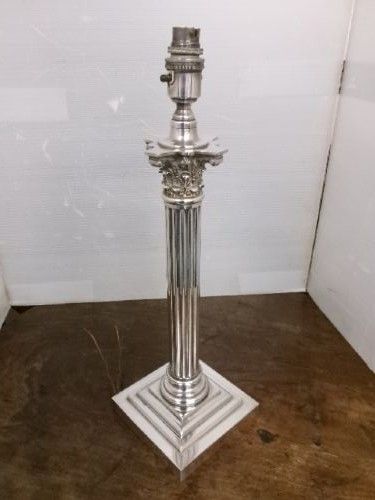
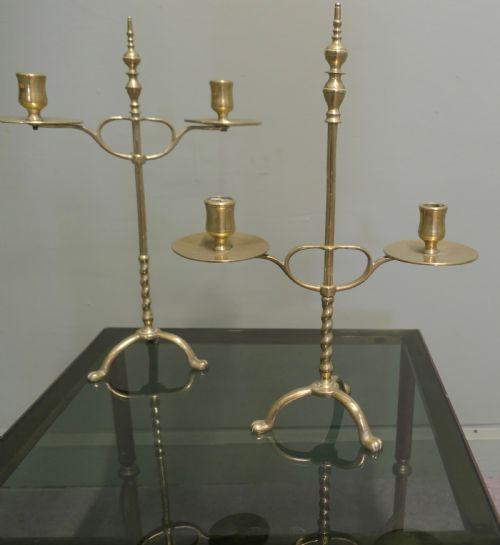
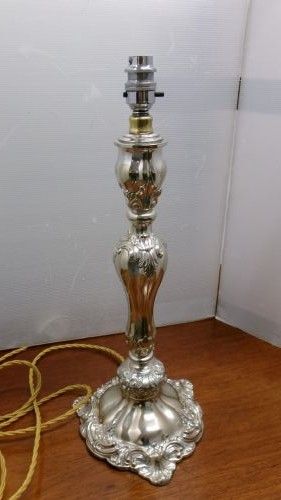
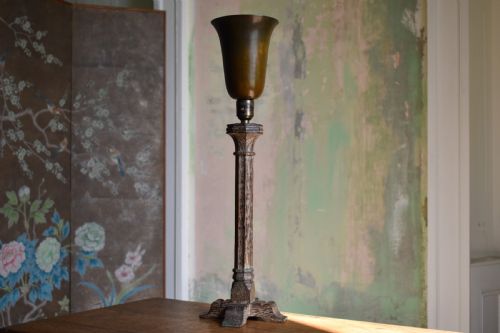
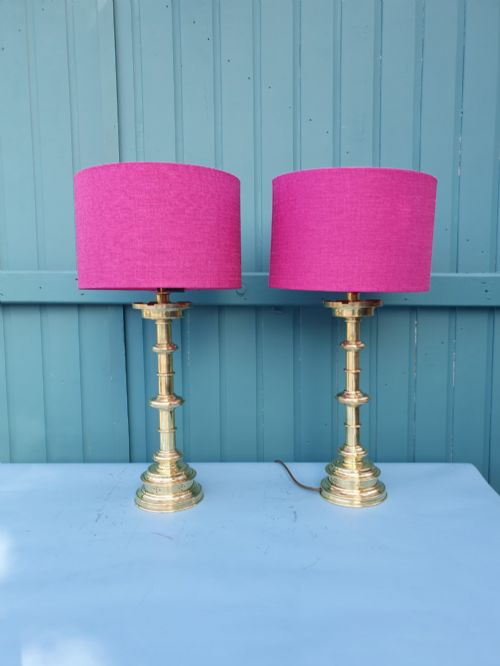
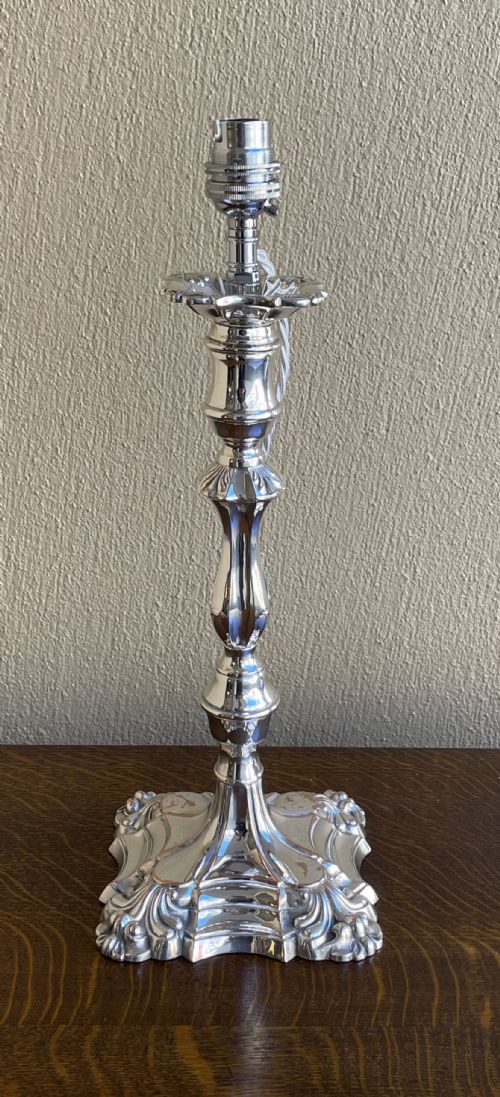
The most common examples on this page are constructed from brass or silver plate, frequently taking the form of classical columns or barley twists. These pieces combine utilitarian origins with decorative domestic appeal, often appearing in matched pairs or substantial single formats.
How they were made
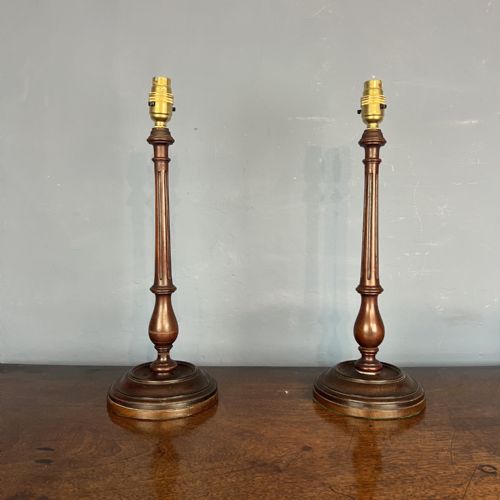
Makers utilised cast and turned brass, silver plate over base metals, and occasionally hardwoods such as mahogany and oak to build the vertical shafts of these lamps. Metal components were frequently weighted at the base to provide stability for supporting fabric shades.
Wiring and electrical fittings were added during period conversions or later updates, while surface finishes varied from polished brass and lacquer to silver-plated sheathing over copper.
Some travelling reading lamps packed neatly into fitted cases so Victorian gentlemen could study parliamentary papers in the dark.
What varies in quality
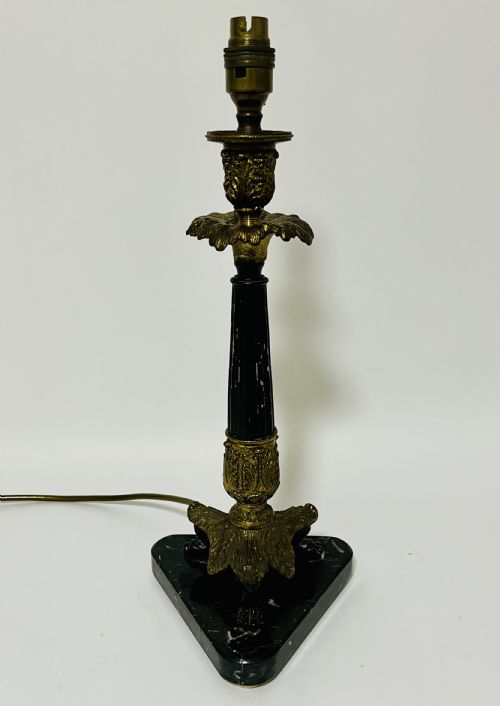
Substantial weight and gauge of metal separate ordinary production from finer examples, as heavier brass and thick silver plating endure decades of handling without buckling. The crispness of casting detail on Corinthian capitals or lion paw feet indicates the skill involved in the original foundry work.
Proportion and structural integrity also define better specimens, where columns remain strictly vertical and turned wooden elements retain their original grain and finish without excessive shrinkage or replacement parts.
Veritas Lamp Works·Walter Latham And Son
The Edwardian Candlestick Lamp Glossary
- Corinthian column
- A classical architectural column style featuring elaborate acanthus leaf decoration at the top capital. This design was frequently adapted for tall metal table lamps.
- Barley twist
- A spiral carving or metal turning resembling a twisted barley sugar stick. It creates movement and catches light along the shaft of the lamp.
- EPNS
- Electroplated nickel silver, a common base metal process used to apply a silver coating. It provides the appearance of solid silver at a different cost.
- Pricket candlestick
- A candleholder style featuring a central spike to secure a wax candle rather than a socket. Converted examples adapt this spike to hold electrical fittings.
- Reflector
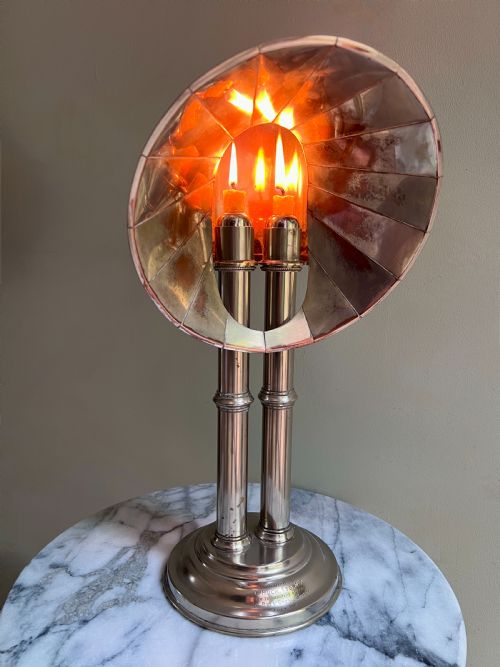
- A polished metal plate positioned behind the light source to direct and multiply illumination. These were common on reading lamps and specialised desk pieces.
Edwardian Candlestick Lamp: Frequently Asked Questions
How do I rewire an antique lamp?
Rewiring requires threading modern heat-resistant flex through the central channel of the candlestick shaft. A qualified electrician should complete the work to ensure safety and compliance with current standards.
Older brass tubes often have narrow channels, so professional rewiring protects the internal structure while updating the plug and lampholder.
Were these lamps originally electric?
Many examples began as oil lamps, gas fixtures, or actual candlesticks before conversion to electricity. The adaptation usually occurred during the twentieth century as homes gained reliable power.
Evidence of conversion appears in modified burners, drilled bases, or added internal wiring tubes fitted neatly into the original structure.
How do I choose the right shade?
Selecting a shade depends on the height and weight of the candlestick base, ensuring the proportions do not overwhelm the metal stem. Traditional fabric or silk shades complement the period aesthetic.
Consider the drop of the fitting and the transparency of the fabric to balance ambient room light with reading illumination.
How do I date an Edwardian lamp?
Dating relies on hallmarks, registration marks, patents, and stylistic cues typical of the early twentieth century. Makers often stamped their details directly onto the metal base or collar.
Comparing the manufacturing techniques, switch types, and weight against known period examples helps narrow down the decade of production.