


Edwardian Call Bell
An edwardian call bell brings a crisp, immediate summons to a desk, hall or dining table.
Edwardian Call Bell
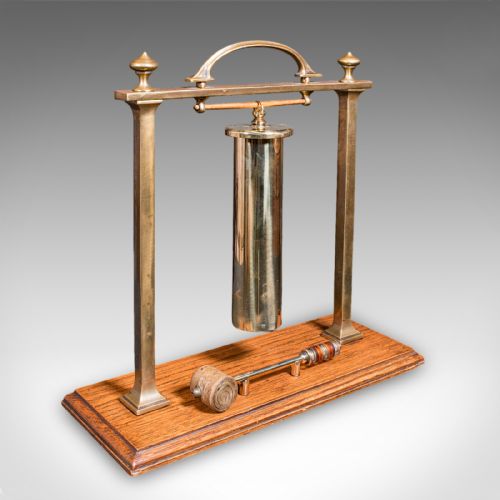
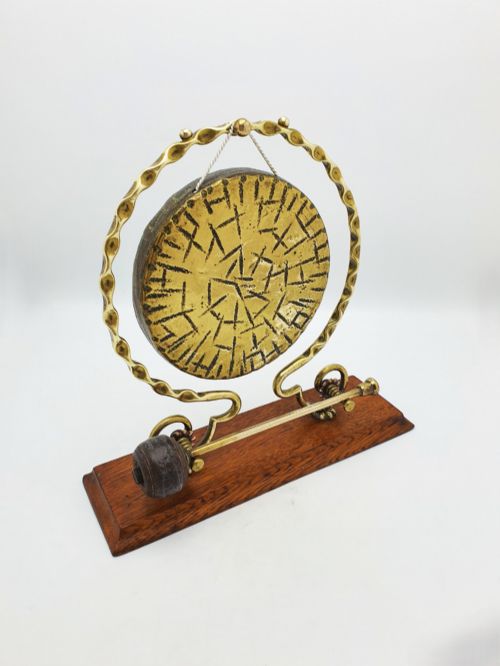
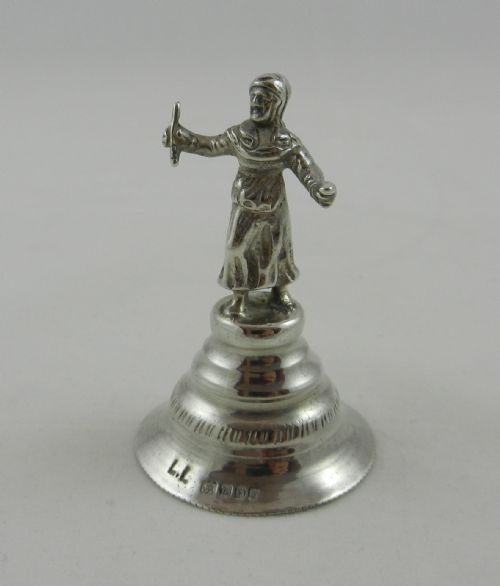
An edwardian call bell encompasses tabletop gongs, hand-held ringers and counter chimes designed to summon service in a home or establishment. You encounter sturdy brass mechanisms mounted on oak bases, handheld bronze pieces and occasional sterling silver desk variations.
The objects span domestic and institutional uses, moving from formal dinner gongs to schoolmaster hand bells and reception counter bells. Most pieces cluster around the early decades of the twentieth century, bridging Victorian weight and Edwardian utility.
Materials and construction
Cast brass and bronze form the ringing components, producing the sharp, sustained tone required for a dependable summons. These metals are frequently paired with turned oak bases or mounted on wooden frames to anchor the weight.
Makers utilised mechanical strikes, external handheld strikers and plunger buttons to activate the sound. Secondary elements such as bone or cord appear on specific strikers and hanging gongs.
Listings feature items spanning the Victorian era through the 1960s, constructed predominantly from brass, oak and bronze.
Assessing quality and finish
Quality rests in the resonance of the metal and the integrity of the mount, distinguishing a resonant tone from a dull thud. Heavier cast brass and thick bronze castings retain their finish and clarity through decades of regular use.
The refinement of the woodwork on oak bases and the complexity of the casting, from plain utility pieces to ornate Art Nouveau motifs, separate standard functional items from finer examples.
The Edwardian Call Bell Glossary
- Dinner gong
- A larger hanging bell or metal plate struck with a mallet to announce meals. They are typically mounted within an oak frame.
- Counter bell
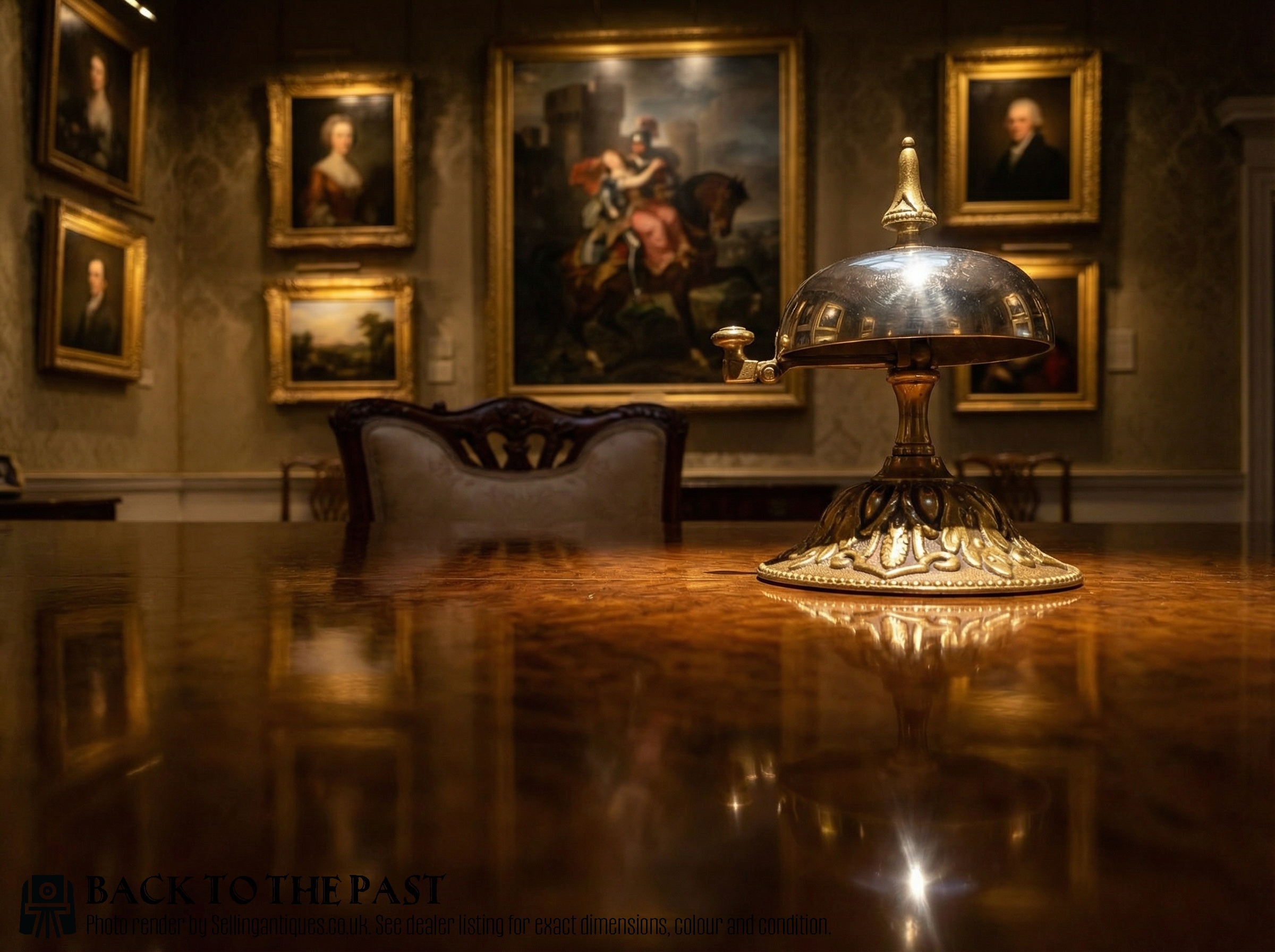
- A spring-loaded desk bell designed to be pressed from the top for service in shops and hotels. These feature internal mechanisms enclosed in brass housings.
- Hand bell
- A portable bell featuring a handle, used by schoolmasters or staff to signal groups. Bronze and brass are the standard metals for this form.
- Sterling silver
- A precious metal alloy comprising significant silver content, utilised for luxury desk bells and novelty pieces. It provides a distinct, bright chime.
Edwardian Call Bell: Frequently Asked Questions
How do I clean a brass bell?
Use a soft cloth to remove dust and light dirt from the metal surface without stripping the aged patina. Avoid harsh chemical dips that flatten the natural tone of the casting.
For wooden bases like oak, apply a gentle beeswax polish to nourish the grain and protect the finish from moisture.
Were these bells used at home?
These pieces served primarily in dining rooms, entrance halls and kitchens to summon household staff or family members. Larger gongs announced the evening meal, while small desk models sat in studies.
Commercial spaces such as hotel reception desks and schoolrooms also relied on them for daily communication.
How do I date a brass bell?
Examine the casting marks, fastener types and base materials to gauge the period of manufacture. Edwardian pieces often balance Victorian heaviness with simpler decorative lines.
Silver examples frequently bear hallmark stamps that pinpoint the exact assay office and year of production.
Why do some gongs have mallets?
Hanging gongs require a separate handheld striker or mallet to hit the metal plate effectively. These strikers are often paired with the piece on an oak stand.
Table and desk models use built-in plungers or internal clappers instead of a separate mallet.