




Table Top Bell
When you handle a table top bell, you hold a piece of history designed to summon service or mark time with a clear, resonant chime.
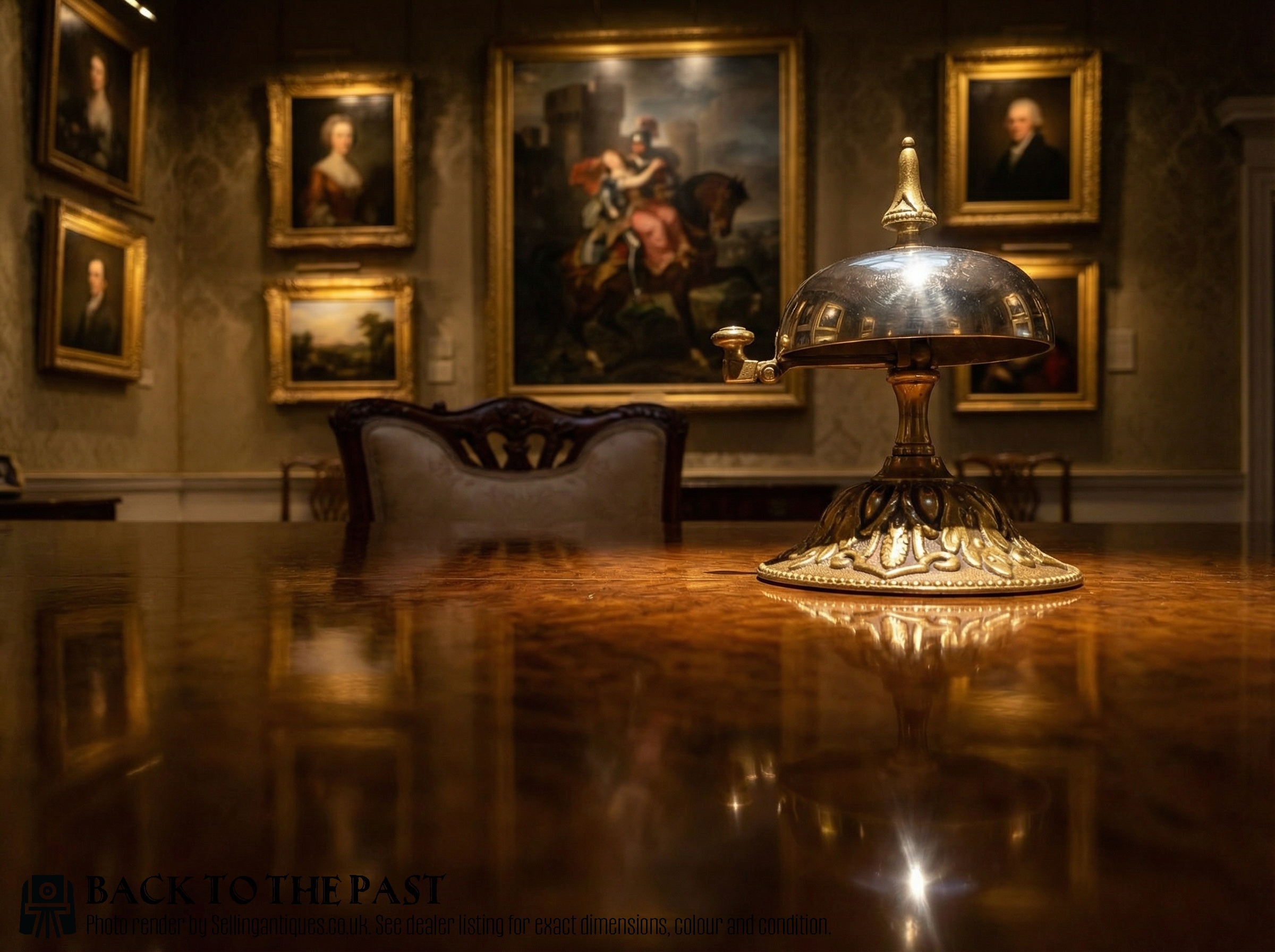
Table Top Bell
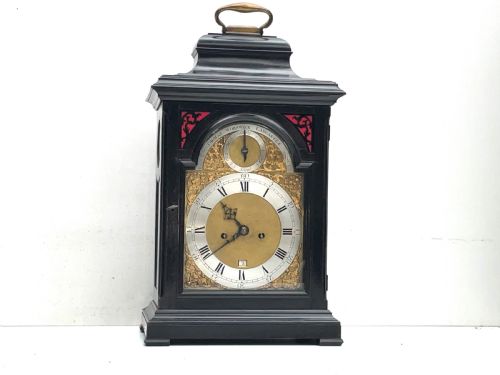
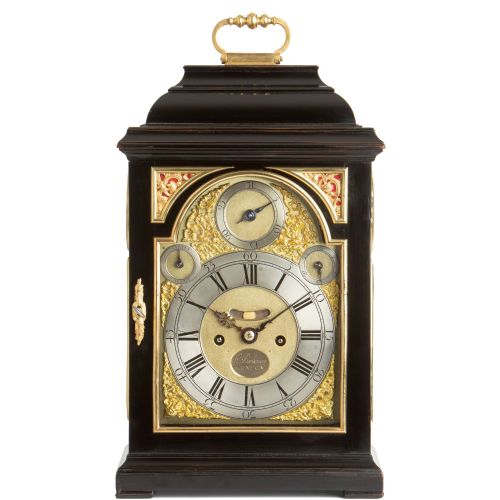
A table top bell encompasses a range of domestic objects designed for placement on desks and surfaces, primarily appearing here as bracket clocks with bell-top cases, gongs, and desk bells.
The pieces span from the eighteenth century into the twentieth century, with eighteenth-century examples frequently taking the form of ebonised or mahogany bracket clocks featuring bell-top cases.
Later pieces introduce materials such as silver plate and brass, reflecting shifting domestic habits from the formal clockwork of the Georgian era towards ornamental desk accessories and gongs.
Materials and construction
Cases are constructed from timber such as mahogany and ebonised wood, housing complex mechanical movements involving verge or anchor escapements.
Metalwork utilises brass, steel, and silver plating, particularly for bases, dials, and the striking mechanisms that produce the distinct acoustic tone.
Listings feature brass, mahogany, and ebonised wood across pieces spanning from the eighteenth century to the 1920s.
Assessing craftsmanship
Quality rests in the crispness of the timber carving, the legibility and execution of the silvered dial, and the precision of the interior clockwork movement.
Finer examples retain original components and makers' signatures, whereas later revival pieces rely on heavier ornamentation rather than complex mechanical achievement.
Somersall London·Andrew Marchant of London·William Withers·John Fletcher·John Taylor·Watson London·Benjamin Maud·Richard Peckover·James Evans·Isaac Hurley·Joseph Lum
The Table Top Bell Glossary
- Bell-top
- A distinctive convex wooden hood shape found on eighteenth-century bracket clock cases. This profile mirrors the silhouette of a domestic hand bell.
- Verge escapement
- An early type of mechanical regulator used in clocks to control the release of power. It pairs with a crown wheel to drive the beat.
- Fusee
- A conical pulley used in clockwork to equalise the driving force of the mainspring as it unwinds. This mechanism improves timekeeping consistency.
- Chinoiserie
- A decorative style employing imitation of Chinese artistic motifs, seen on lacquered clock cases. It gained popularity during the Georgian period.
- Quarter repeating
- A complication in a clock that sounds the hours and quarters on bells when a lever is pulled. This function allowed tellers to check the time in the dark.
Table Top Bell: Frequently Asked Questions
What is a bell-top clock?
A bell-top clock is an eighteenth-century timekeeper featuring a wooden case with a distinctive flared or domed upper section. The internal mechanism often strikes upon bells housed within this upper chamber.
These pieces were principally designed as bracket clocks for domestic interiors, combining functional timekeeping with formal cabinetry.
How do I date a desk bell?
Dating relies upon examining the materials, decorative style, and construction methods used in the base and the mechanism. Pieces from the eighteenth century typically feature ebonised wood or mahogany cases with hand-engraved brass dials.
Later Victorian and twentieth-century examples incorporate silver plating, cast brass, and different manufacturing tolerances that distinguish them from earlier workshop production.
What is a fusee movement?
A fusee movement uses a conical pulley connected to the mainspring via a chain or gut line to maintain steady force as the spring uncoils. This mechanical addition ensures more accurate timekeeping throughout the running period.
Most high-grade English bracket clocks from the Georgian era incorporate this system.
How were table gongs used?
Table gongs functioned primarily as domestic summoning devices for servants or to announce the arrival of meals in large households. They were struck with a small mallet against a suspended brass plate or bowl.
By the late nineteenth and early twentieth centuries, they also served as decorative ornaments on side tables.