

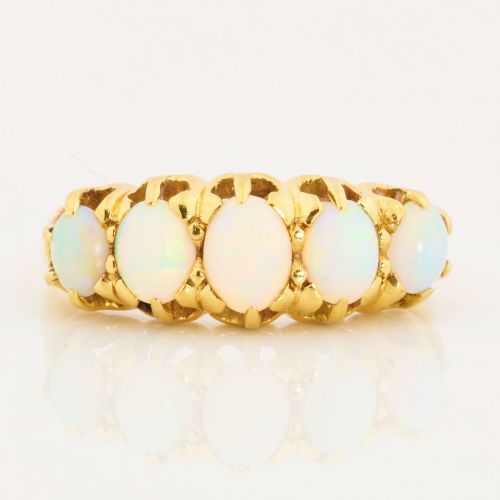
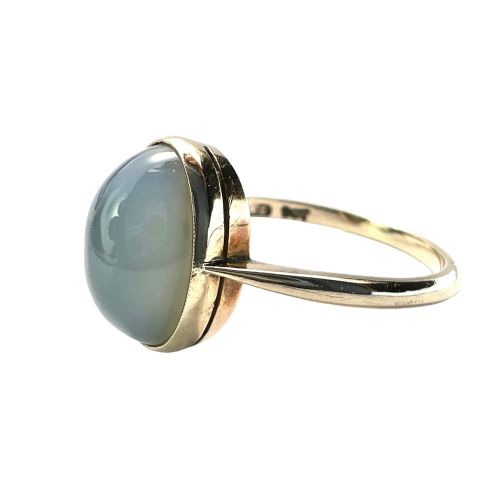
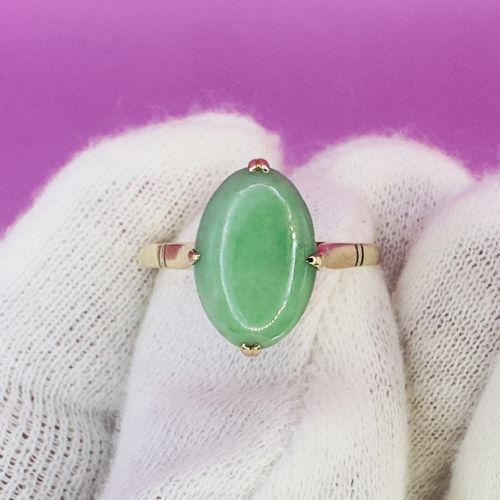
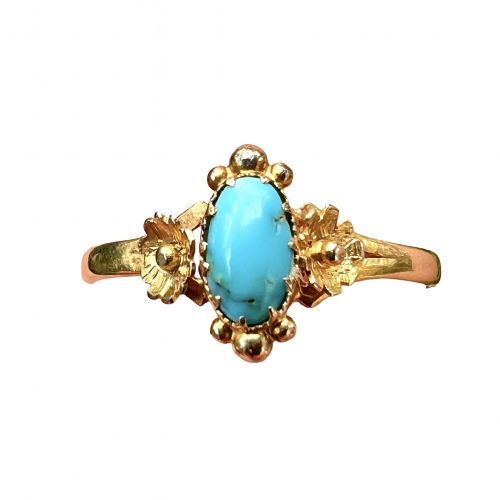


Edwardian Cabochon Ring
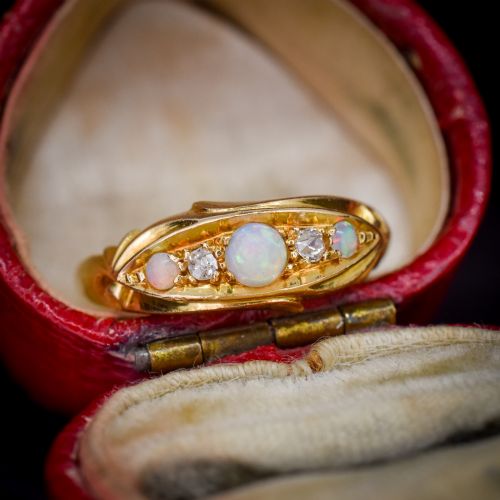
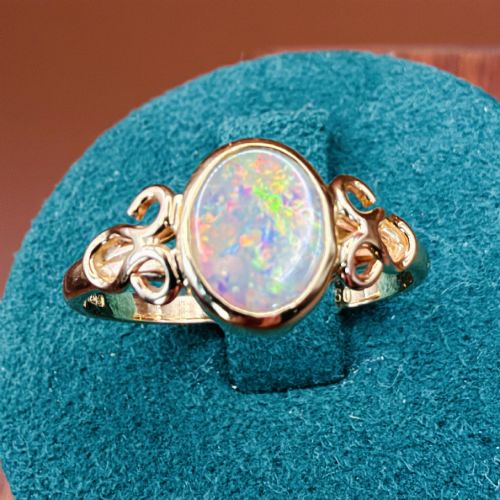
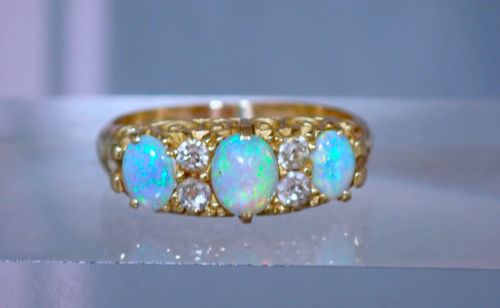
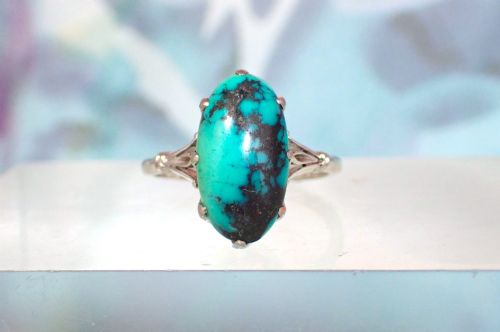
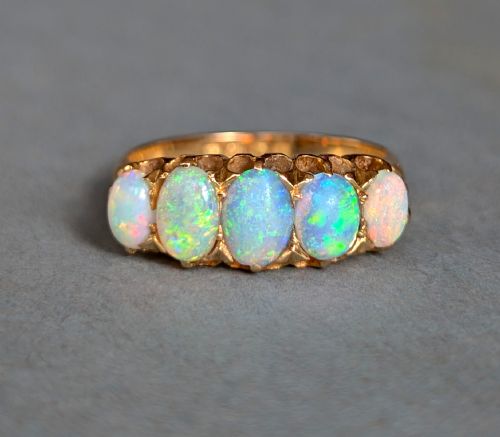
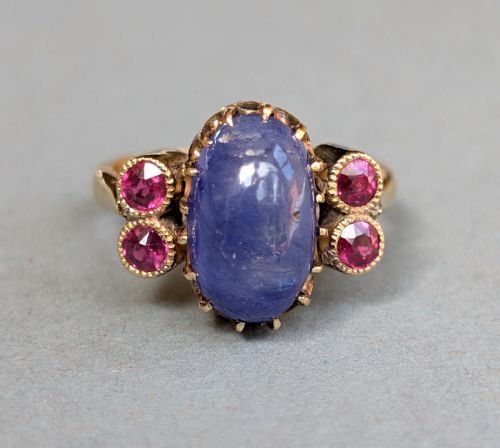
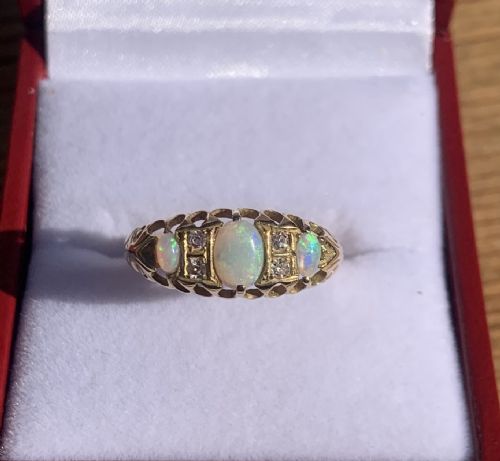
When you search for an edwardian cabochon ring, you uncover a charming array of antique jewellery centred on smooth, polished gemstones set in precious metals.
Edwardian Cabochon Ring
The pieces on this page span the early twentieth century alongside adjacent Victorian and Art Deco periods, bringing together rings, clustered settings, and occasional matching sets.
Stones like opal, turquoise, sapphire, and garnet dominate the selections, mounted in yellow gold, white gold, platinum, or silver frames.
Materials and Construction
Goldsmiths utilised eighteen-carat and nine-carat gold, platinum, and sterling silver to fabricate delicate settings that secure rounded cabochon stones.
Gemstones are shaped into smooth domes rather than faceted profiles, often accented by old-cut or rose-cut diamonds in cluster and multi-stone arrangements.
Listings feature yellow gold, white gold, rose gold, silver, and platinum paired with opals, turquoise, sapphires, garnets, and chalcedony.
Distinctions in Quality
Quality rests upon the natural character and optical depth of the central cabochon stone, whether it is an opal displaying a vibrant play of colour or a sapphire of substantial carat weight.
The finesse of the surrounding metalwork, the symmetry of the bezel or claw settings, and the matching proportion of accent diamonds elevate finer examples from standard workshop output.
The Edwardian Cabochon Ring Glossary
- Cabochon
- A gemstone shaped with a smooth, convex rounded surface rather than facets. This cut was favoured for highlighting the internal optical properties of opals, star stones, and soft-hued minerals.
- Cluster ring
- A jewellery design featuring a prominent central gemstone enclosed by a ring of smaller stones, typically diamonds. This arrangement maximised visual impact on the hand.
- Solitaire
- A ring set with a single gemstone, allowing the character and colour of the material to remain entirely unobstructed by surrounding stones.
- Old-cut diamond
- A hand-faceted diamond typical of earlier manufacturing periods, possessing a smaller table and a deeper pavilion that catches candlelight rather than electric illumination.
Edwardian Cabochon Ring: Frequently Asked Questions
What is an edwardian cabochon ring?
It is a piece of antique finger ornamentation featuring a smooth, rounded gemstone set into precious metal. These designs rely on the polished dome of the stone for visual appeal.
Such rings frequently incorporate complementary diamonds and date from the early twentieth century, though similar Victorian and later examples appear alongside them.
How do I care for antique opals?
Opals contain natural water content and possess a softer mineral structure than diamonds. They require gentle handling to prevent surface scratching and sudden temperature shocks.
Avoid exposing these rings to harsh chemical cleaners or ultrasonic baths, opting instead for a soft, damp cloth when cleaning.
Are these rings suitable for daily wear?
Many of these pieces were constructed for everyday use in past eras, utilising sturdy gold or platinum bands. However, softer stones like opal and turquoise demand greater mindfulness.
Owners often remove softer-stone rings during rigorous physical activities to preserve the integrity of the setting and the polished gemstone surface.
How can I distinguish Edwardian settings?
Edwardian jewellery is characterised by light, airy metalwork, often using platinum and white gold to create delicate filigree or garland motifs. The craftsmanship mimics lace.
By contrast, earlier Victorian pieces tend to be heavier in yellow or rose gold, while later Art Deco designs introduce geometric lines.