
Edwardian Cabinet Writing Desk
An edwardian cabinet writing desk combines practical compartments with a fitted writing surface, offering a compact workspace.
Edwardian Cabinet Writing Desk
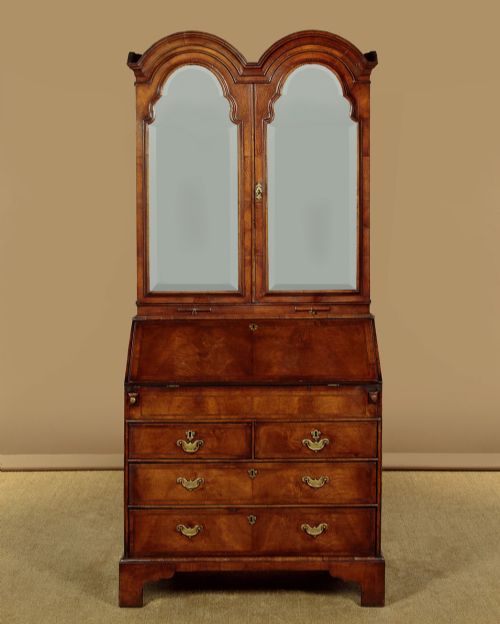
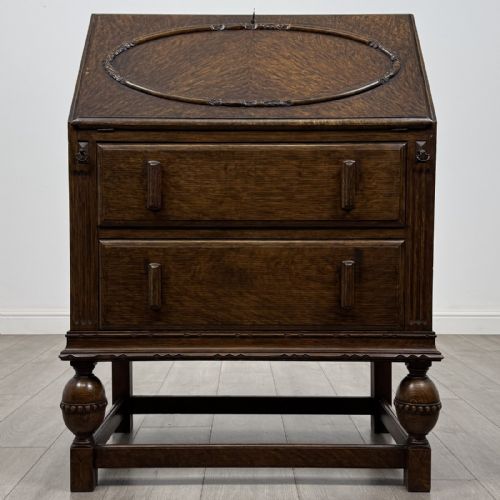
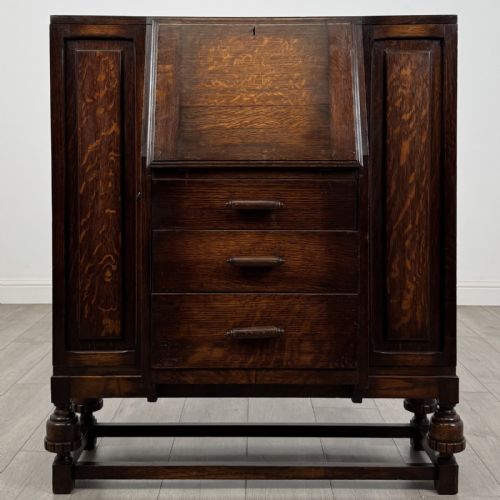
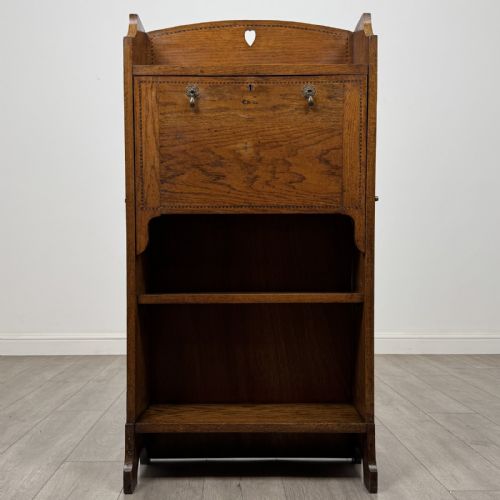
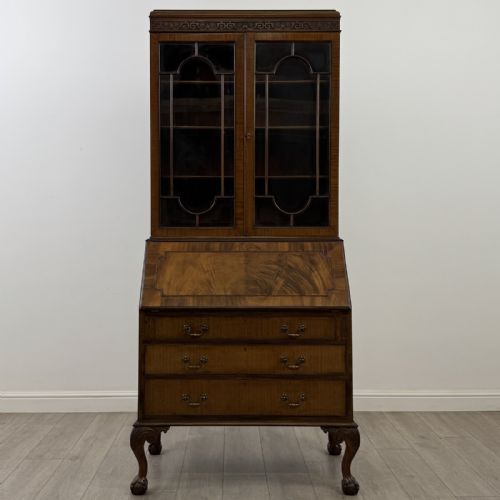
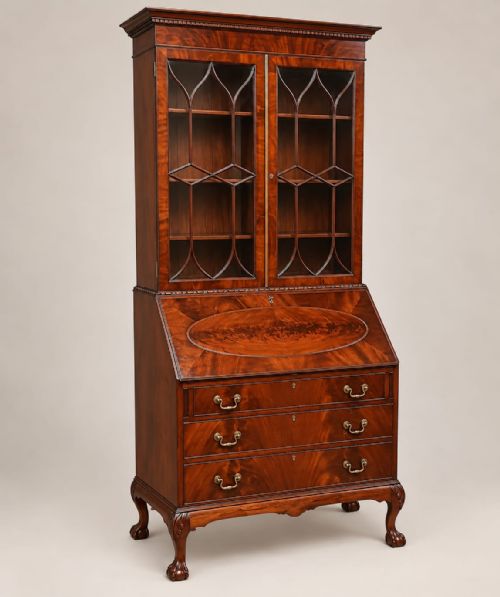
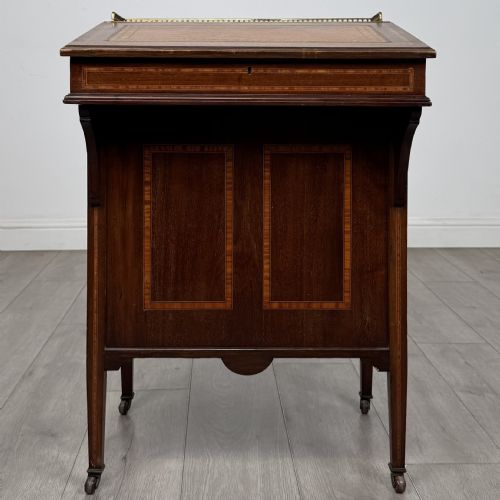
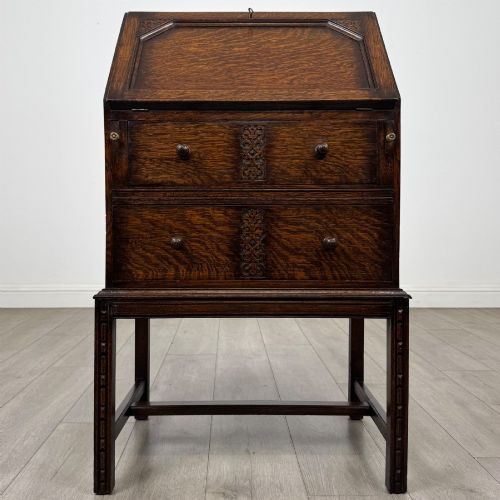
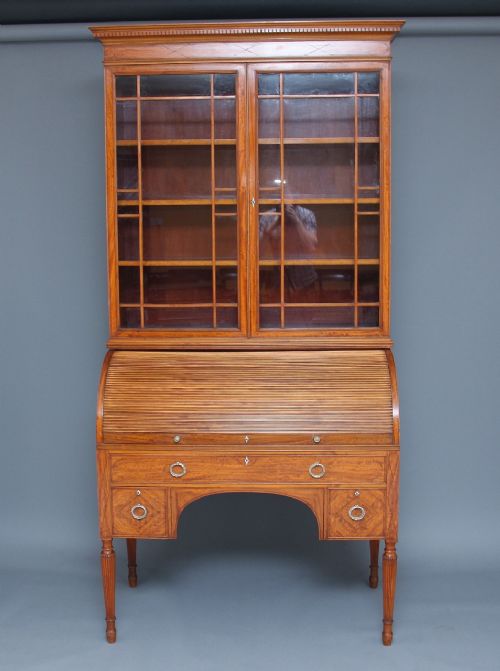
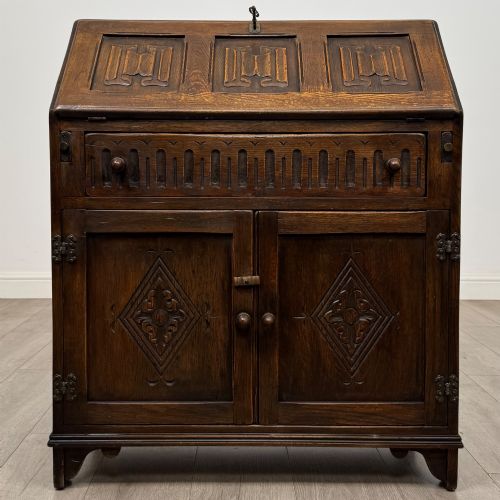
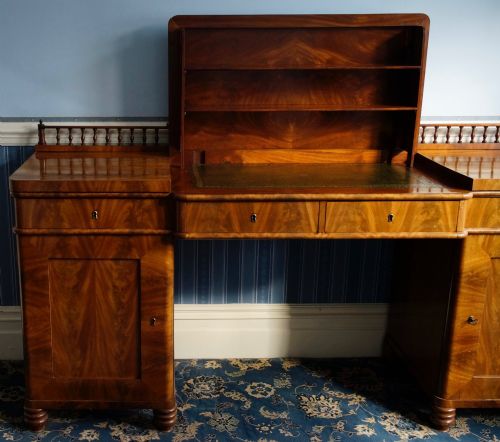
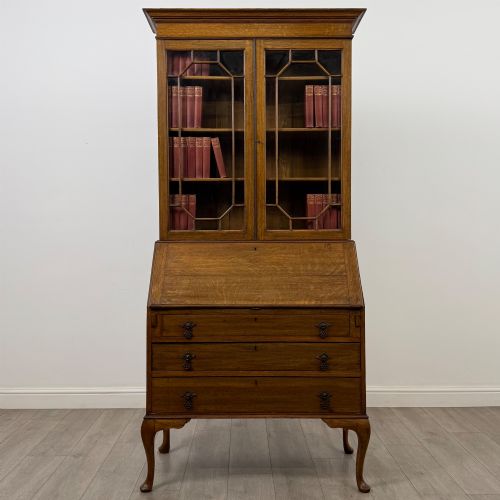
An edwardian cabinet writing desk brings together functional storage and a dedicated writing surface, often taking the form of a bureau, bureau bookcase, or specialised writing table. These pieces reflect the domestic priorities of the period, providing enclosed shelving or stationary compartments alongside drop-down flaps or pull-out desks.
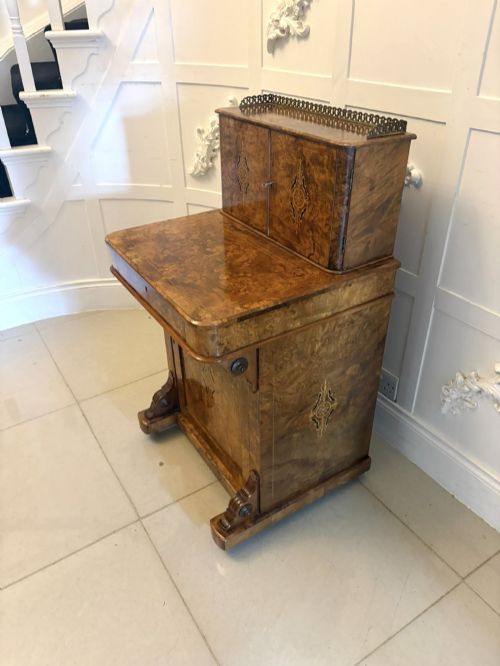
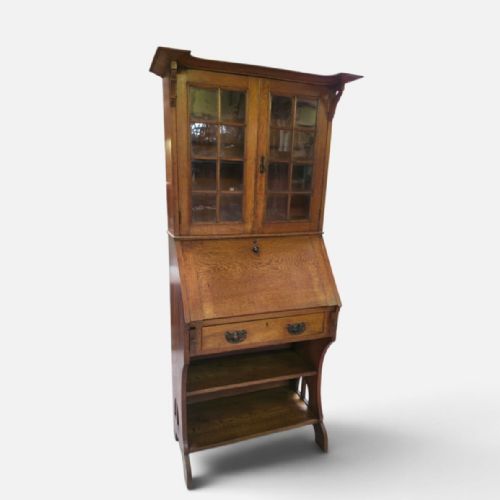
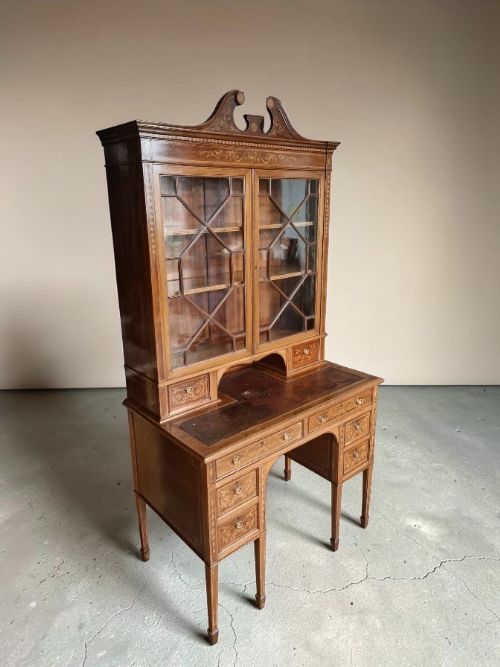
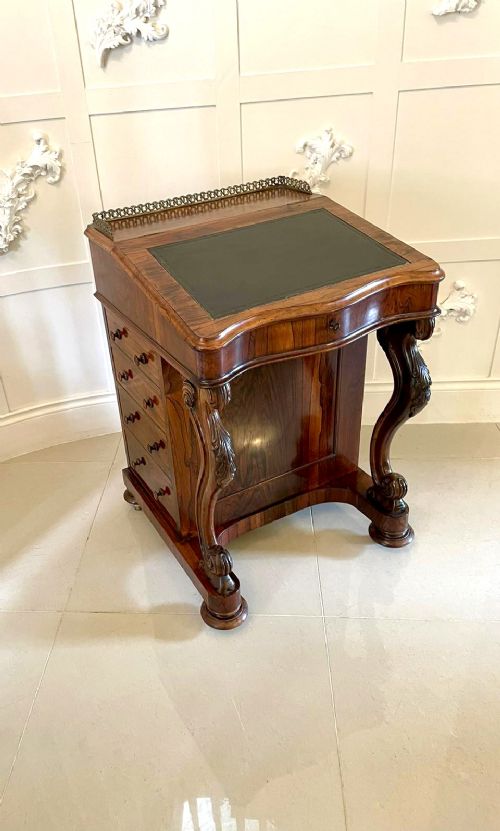
The versions most commonly met on this page belong to the Edwardian era, spanning the early decades of the twentieth century, alongside related examples from the nineteenth century and the Victorian period. They appear in varied forms, ranging from oak student bureaux to satinwood-inlaid mahogany secretaire bookcases and walnut davenports.
Materials and construction
Makers utilised a selection of robust and decorative timbers, frequently constructing carcasses in oak or mahogany while applying veneers of burr walnut, satinwood, or rosewood to prominent surfaces. Inlaid decoration often incorporates contrasting lighter woods or brass details.
Structural integrity relied on traditional joinery, with drawers featuring hand-cut dovetails and writing flaps supported by wooden brackets or metal hinges. Glazed cabinet doors utilised individual panes secured with glazing bars.
Some desks hide secret compartments behind dummy drawers for stashing private notes.
Distinguishing quality and execution
The distinction between standard utility items and finer examples rests on the selection of timber figures, such as highly grained burr walnut or figured mahogany, paired with precise marquetry and stringing inlay. Superior pieces often feature secondary timbers of higher grade and meticulous interior planning.
Execution of carved details and the integration of specialised mechanisms, such as metamorphic writing tables or fitted stationery cabinets, demonstrate the maker's skill. The retention of original hardware, glass, and leather writing inserts also influences the standing of a piece.
Maple & Co.·Tudor & Burrey·Gillows
The Edwardian Cabinet Writing Desk Glossary
- Bureau
- A desk featuring a sloping hinged lid that opens to form a writing surface above a series of drawers. This form provides both concealed compartment storage and a practical writing ledge.
- Secretaire
- A piece of furniture containing a disguised writing drawer or drop-front desk compartment. It mimics the appearance of a standard chest of drawers or bookcase while concealing a fitted writing interior.
- Bonheur du jour
- A light lady's writing desk featuring a small cabinet or set of pigeonholes built upon the top surface. Originating in France, this form gained popularity in refined nineteenth-century interiors.
- Marquetry
- Decorative veneer work formed by fitting together thin pieces of wood, shell, or ivory to create pictorial or geometric designs. It adorns the primary panels and falls of better cabinet furniture.
- Davenport
- A compact desk type comprising a small sloping writing surface above a pedestal of drawers. The side often incorporates a pen box or stationery compartment.
Edwardian Cabinet Writing Desk: Frequently Asked Questions
How were these desks used originally?
They served as household stations for writing letters, managing accounts, and storing personal stationery.
The enclosed compartments and pigeonholes kept writing materials organised out of sight when not in use.
How do I identify an Edwardian piece?
Edwardian items often display lighter timbers, subtle satinwood inlay, and refined proportions distinct from heavier Victorian styles.
Construction methods and stylistic details like Arts and Crafts influences help confirm the period of manufacture.
How should I care for a wooden desk?
Keep wooden surfaces away from direct heat sources and direct sunlight to prevent the timber and veneers from drying out or splitting.
Apply natural wax polish sparingly and buff with a soft cloth to maintain the finish without building up residue.