




Edwardian Cabin Trunk
An edwardian cabin trunk is a sturdy piece of travel luggage offering generous storage and enduring character for modern interiors.
Edwardian Cabin Trunk
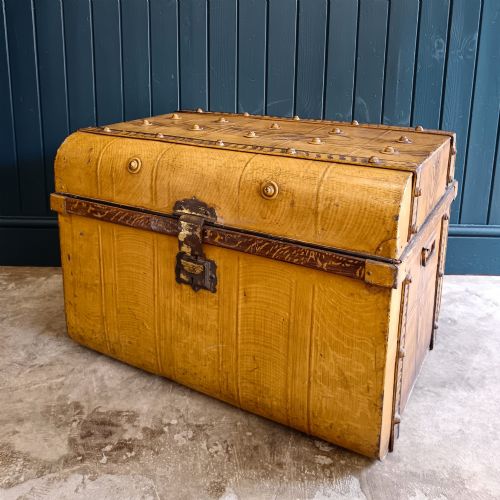
An edwardian cabin trunk serves as a practical storage chest and a distinct decorative item originating from the late nineteenth and early twentieth centuries. These pieces reflect the golden age of travel, built to accompany passengers on steamships and trains.
The selection here includes examples from the Edwardian period alongside items spanning the late Victorian era up to the 1920s. Buyers frequently encounter forms described as steamer trunks, travel chests, and fitted luggage.
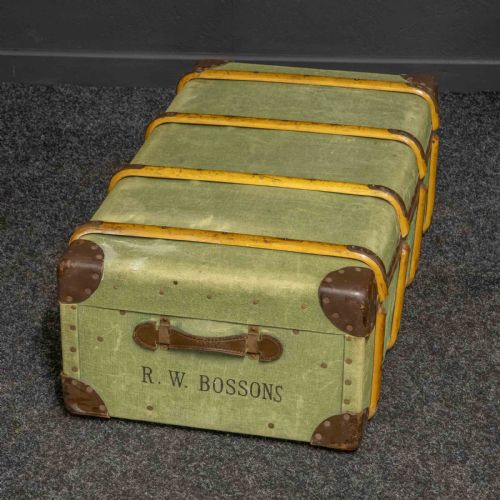
Construction types vary from traditional wood and canvas bodies to metal and leather variations. Continental and American pieces appear alongside English examples, reflecting global travel habits of the period.
Materials and construction
Makers utilised wood, canvas, leather, and sheet metal to build these robust trunks for rigorous journeys. Brass and iron hardware reinforced corners and edges to withstand heavy handling.
Paint finishes, including faux-wood effects, provided weather resistance and decorative appeal. Interior fittings often featured compartments tailored for clothing and travel accessories.
The listings span the late 19th century through the 1920s, featuring materials such as leather, canvas, aluminum, and painted wood.
Indicators of quality
Quality rests upon the integrity of the primary materials and the original hardware. Trunks retaining intact leather straps, functional brass locks, and sturdy iron handles demonstrate superior original manufacture.
Internal fittings and original linings elevate a piece above standard storage chests. The sophistication of painted finishes or specialised manufacturing marks further distinguishes finer examples.
Aux Etats Unis·A W Insall
The Edwardian Cabin Trunk Glossary
- Cabin trunk
- A low-profile chest designed to fit beneath a ship cabin berth during ocean voyages. These pieces needed to be robust yet accessible during transit.
- Steamer trunk
- A lightweight travel chest built with a flat or slightly rounded top to facilitate stacking in ship storage holds. They gained popularity alongside ocean liner travel.
- Campaign trunk
- A portable storage piece designed for military officers or travellers on extended expeditions. These often featured specialised compartments and rugged exterior protection.
- Dome top
- A trunk construction style featuring a curved lid designed to shed water and discourage excessive stacking. This traditional form offers increased internal capacity.
- Fitted trunk
- A luggage piece containing internal trays, compartments, or hangers designed to organise garments. Such interiors represent higher-tier manufacturing.
Edwardian Cabin Trunk: Frequently Asked Questions
How do I clean a leather trunk?
Gently dust the exterior surface with a soft dry cloth to remove accumulated particles. Apply a suitable leather conditioner sparingly to maintain suppleness without darkening the material.
Avoid excessive moisture and harsh chemical cleaners which can damage historical finishes. Test any treatment on a small hidden area first.
Can I use these trunks for coffee tables?
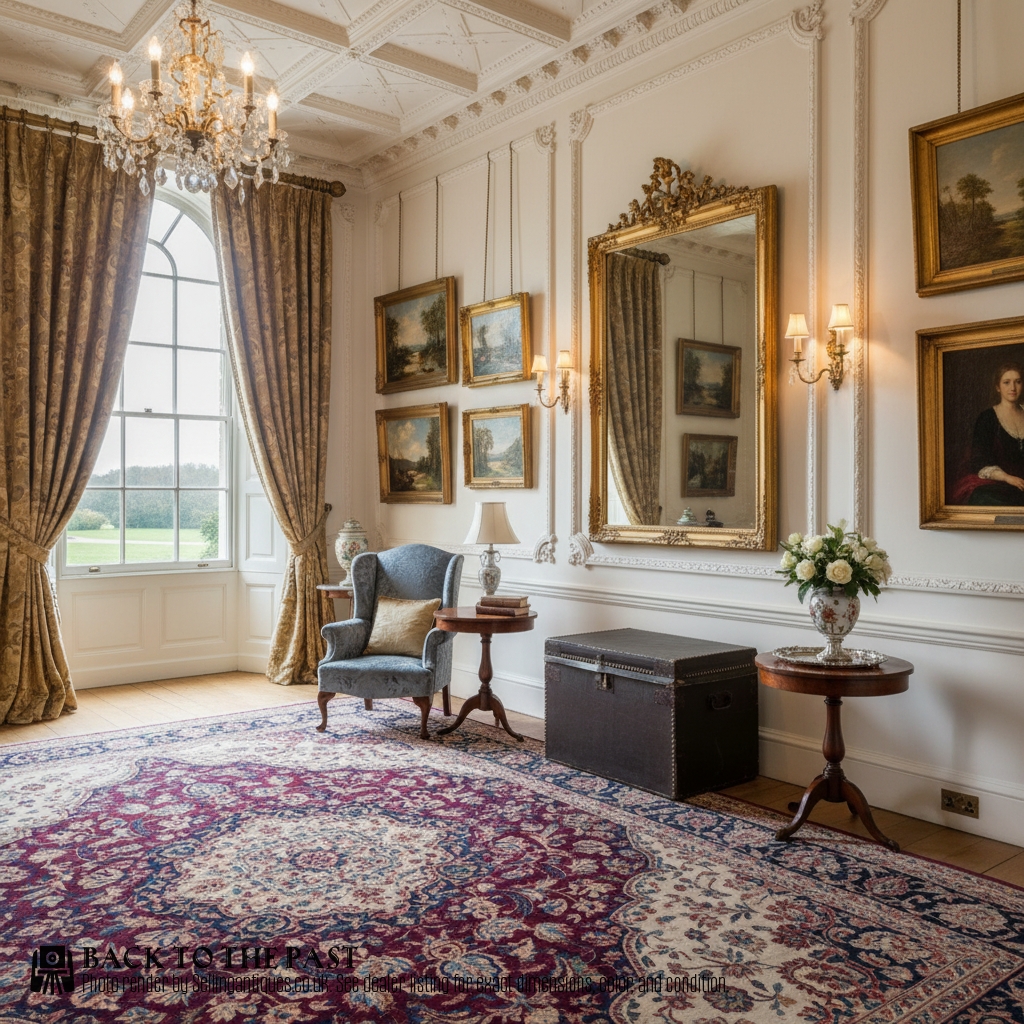
Flat-topped trunks provide a sturdy surface suitable for use as a living room coffee table. Their internal space simultaneously offers concealed storage for blankets or books.
Ensure the lid construction remains stable enough to support items placed on top. Protect the historic finish from liquid spills using coasters or glass tops.
How do I date an antique trunk?
Examine the materials, construction methods, and hardware to determine the period of origin. The introduction of aluminium and specific latch designs helps narrow down the timeframe.
Maker labels or stencils often provide direct evidence of manufacture dates. Stylistic cues such as canvas coverings and faux-wood paint point toward specific decades.
Are these trunks waterproof?
Original canvas and metal exteriors offered weather resistance during transit rather than complete waterproofing. Over time, seals and materials lose their original protective qualities.
Store these pieces in dry indoor environments to prevent moisture accumulation. Avoid exposing them to damp conditions or direct outdoor weather.