


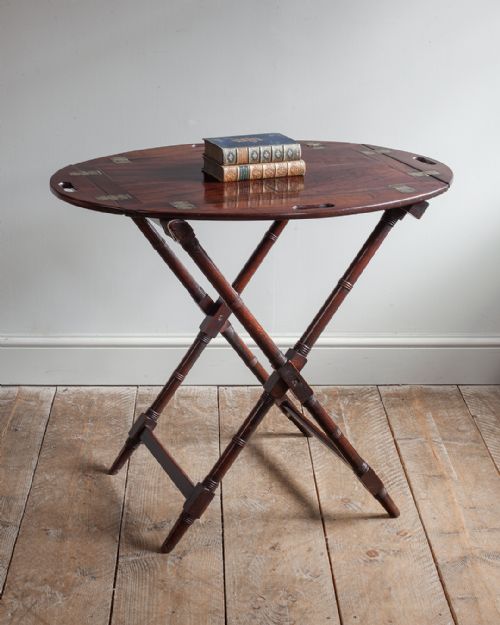


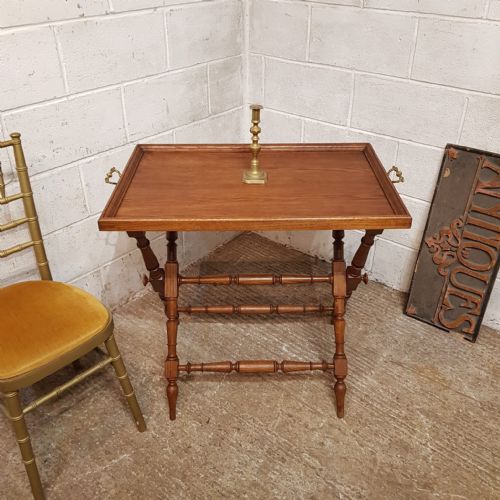


Edwardian Butler Tray Table
An edwardian butler tray table offers portable elegance for serving and display, combining a removable tray with a folding stand.
Edwardian Butler Tray Table
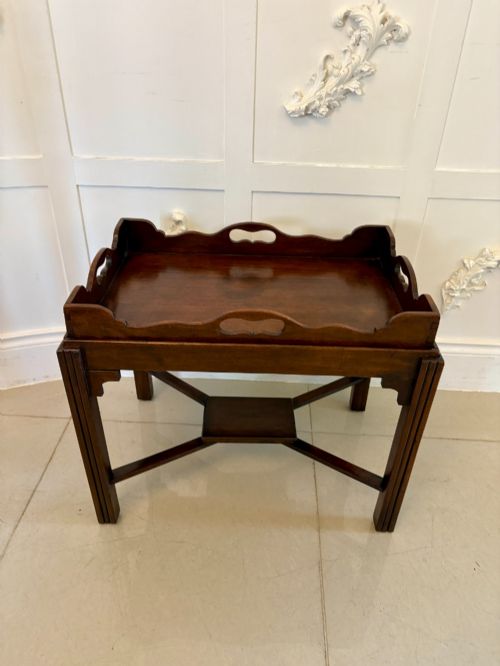
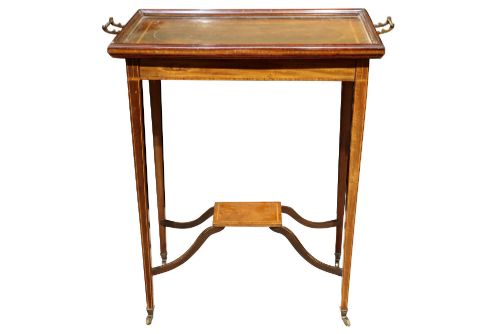
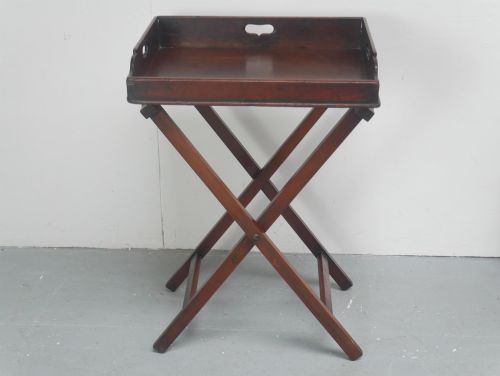
An edwardian butler tray table combines a removable serving tray with a folding or fixed stand, creating a versatile piece of furniture suited for both entertaining and daily use. These tables appear in several regional forms and variations on this page, reflecting the tastes of the early twentieth century alongside earlier Victorian and Georgian influences.
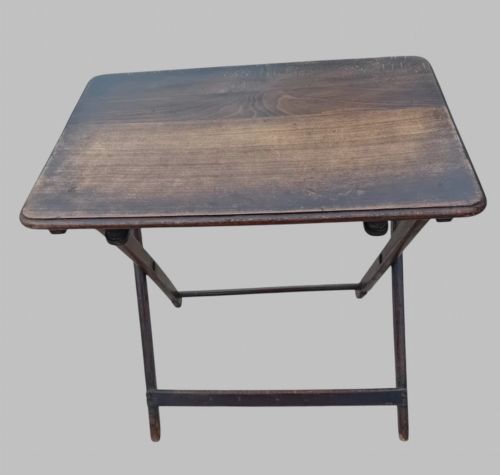
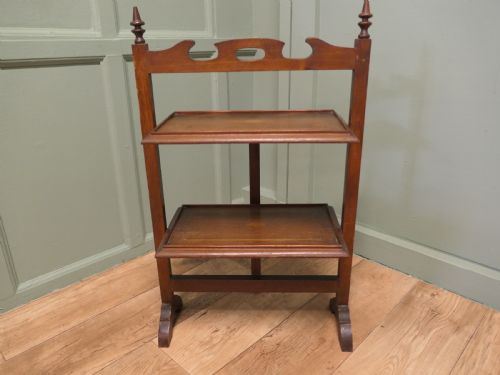
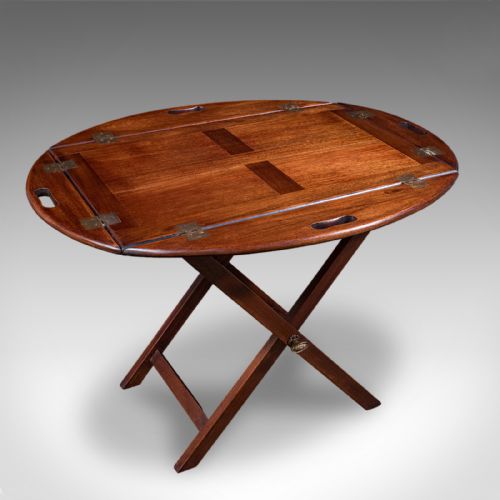
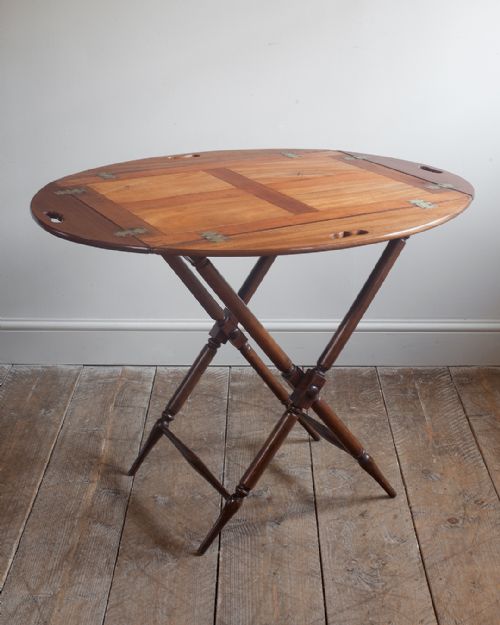
The primary forms on this page include drop-flap serving stands, occasional tables with tray tops, and coaching tables designed to be easily packed away. Woods such as mahogany, oak, and walnut predominate, often paired with brass handles or hinges.
Buyers seek these pieces for their practical design and adaptability as side tables or coffee tables in contemporary rooms. The combination of a portable tray and a sturdy support structure provides both functionality and period character.
How they were made
Cabinetmakers constructed these tables using timbers such as mahogany, oak, walnut, and satinwood, frequently selecting figured grain for the primary surfaces. Beech and other secondary woods appear in the framing and folding stands.
Inlay and marquetry decoration adorns finer examples, utilising contrasting woods to create geometric patterns or neoclassical motifs. Brass fittings, including hinges, drop handles, and corner brackets, secure the folding mechanisms and provide functional contrast to the polished timber.
Edwardian Butler Tray Table Retail Price Guide 2026
Typical asking prices for edwardian butler tray table among the pieces listed under this phrase on Sellingantiques today, from the lower quarter to the upper quarter. They describe what is for sale here now, not the wider market.
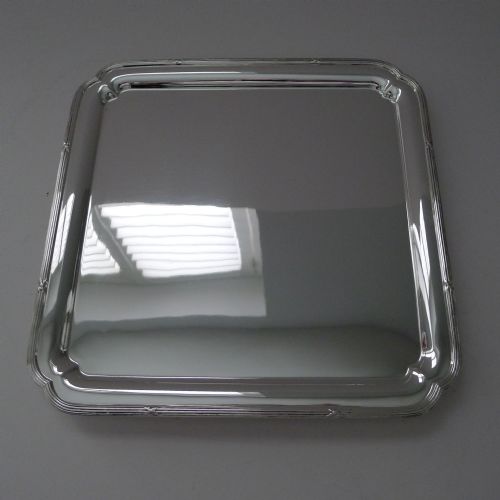
Cartographic serving trays appear among the selection, printed with European maps for the geographically minded host.
What varies in quality
The refinement of the timber selection and the precision of the cabinetwork set finer examples apart from utilitarian pieces. Finely figured mahogany or detailed marquetry inlay indicate superior craftsmanship compared to plain oak or beech structures.
The integration of the folding mechanism and the rigidity of the stand when assembled determine the structural integrity of the piece. Well-fitted brass hardware and crisp joinery distinguish workshop production from standard commercial output.
The Edwardian Butler Tray Table Glossary
- Butler tray
- A portable wooden tray featuring raised sides, often with hinged flaps that drop down to form a flat serving surface. These trays lift off their stands entirely.
- Campaign style
- Furniture designed to be easily dismantled and transported for travel, characterised by folding stands, recessed brass handles, and robust construction.
- Tray top table
- An occasional table or side table featuring a raised moulded gallery or rim around the perimeter of the top to prevent items from sliding off.
- Marquetry
- The decorative art of applying thin veneers of various woods to a structural surface to form pictorial or geometric patterns.
- Drop-flap
- A hinged section of a tray or table top that can be lowered or raised depending on whether the surface requires expansion.
Edwardian Butler Tray Table: Frequently Asked Questions
What is an edwardian butler tray table?
An edwardian butler tray table is a piece of furniture comprising a removable serving tray resting on a folding or rigid wooden stand. The design allows the tray to be lifted off for serving drinks or food.
These tables were used in large houses for moving items between rooms and now function as compact side tables or coffee tables in modern homes.
How were butler tray tables used?
Households used these tables to serve tea, drinks, or meals in various reception rooms before returning the tray to the pantry. The folding stands allowed servants to store the furniture away when not in use.
Today, they serve as decorative stands in living rooms, hallways, or studies, offering a surface that can be easily rearranged.
What woods are common on these tables?
Mahogany and oak are the most frequent timbers found across these listings, alongside walnut and satinwood on more decorative examples. Beech often appears in the construction of folding stands.
Cabinetmakers sometimes combined woods to create contrast through inlaid borders or marquetry panels on the tray surface.
Are the trays removable from the stands?
Most trays on these tables lift completely off their folding or fixed stands, functioning as independent serving trays. Some variations secure the tray to the base with simple supports or hinges.
This removable feature distinguishes the form from standard occasional tables and preserves its original practical purpose.