
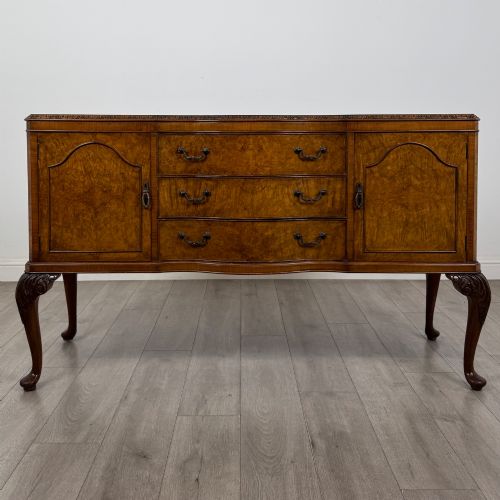
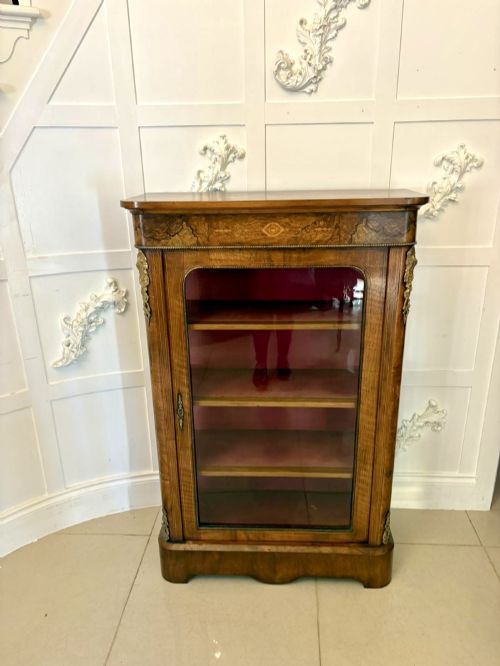
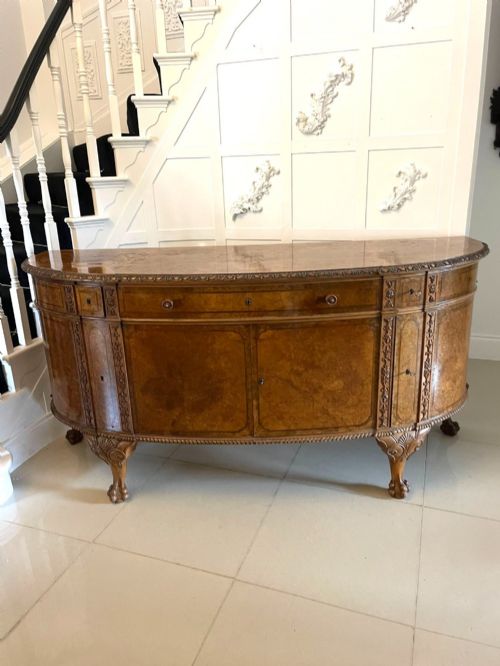
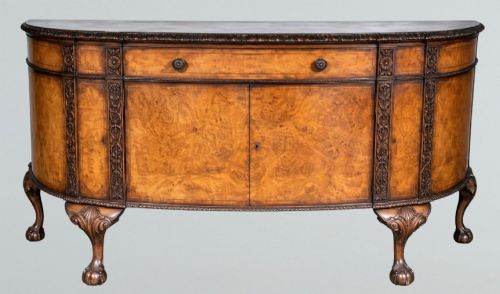
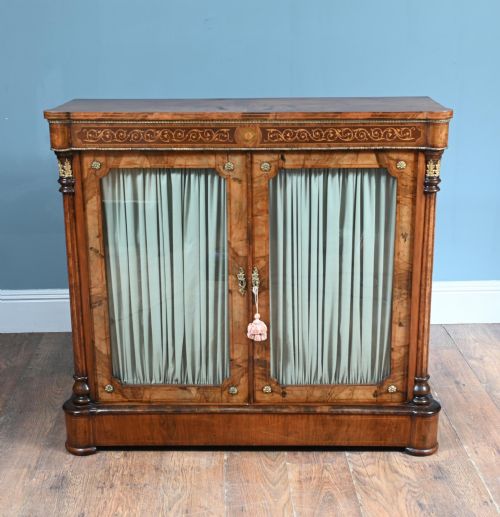
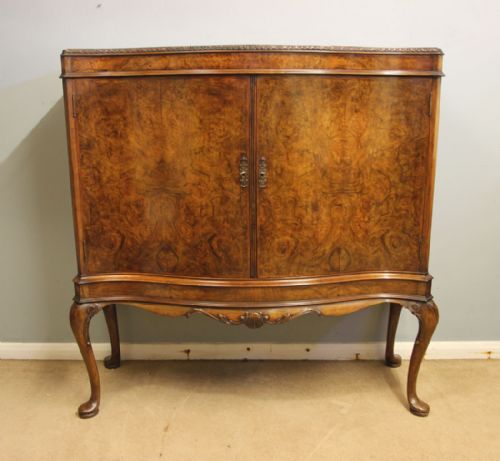

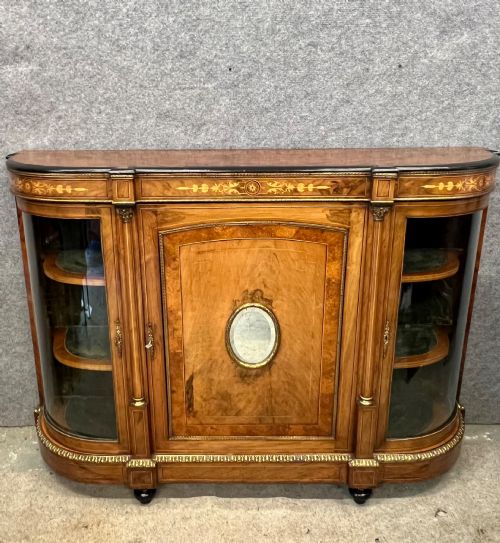
Edwardian Burr Walnut Credenza
An edwardian burr walnut credenza brings figured timber and refined proportions to a room, offering display space and enclosed storage.

Edwardian Burr Walnut Credenza
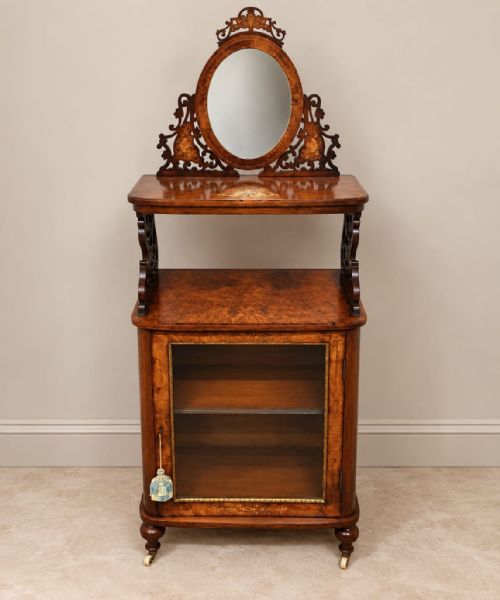
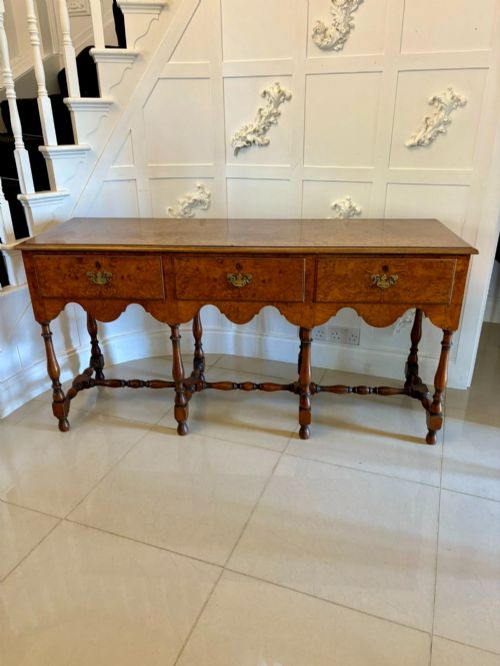
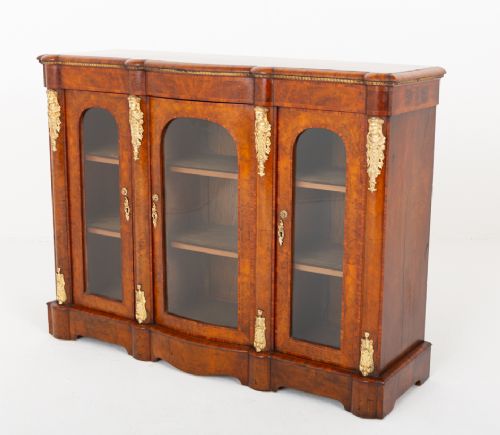
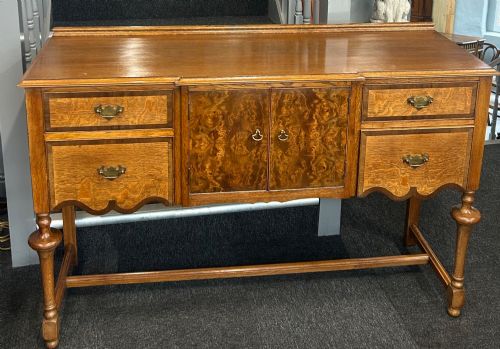
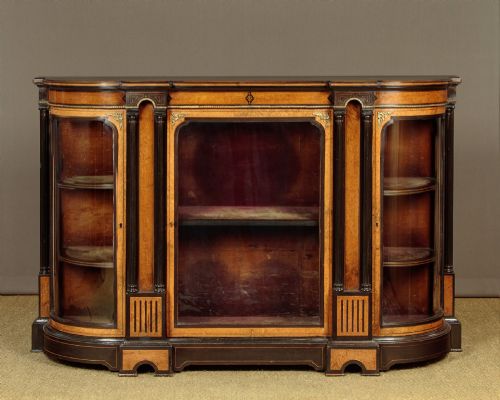
An edwardian burr walnut credenza sits within a broader family of low cabinets, sideboards, and pier cabinets seen across the nineteenth and twentieth centuries. These forms generally feature glazed or solid doors, sometimes combined with central shelving or open sections for display.
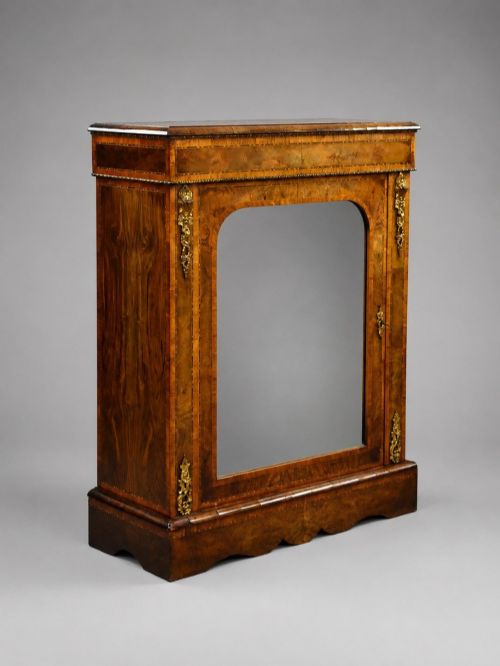
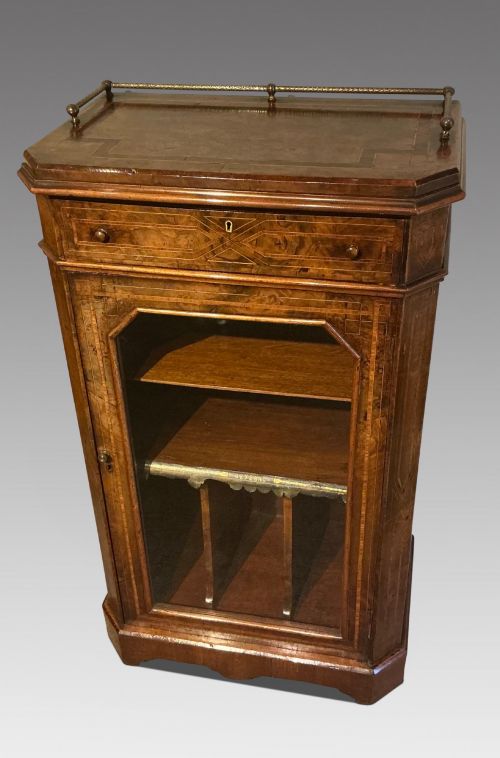
The materials span burr walnut, plain walnut, glass, ormolu, brass, boxwood inlay, velvet, and mirror, reflecting styles from Victorian and Edwardian periods through to Queen Anne and Regency revivals. Pieces range from compact pier cabinets to large breakfront library bookcases and mirror-back credenzas.
While specific examples date from the mid-nineteenth century up to the 1930s, the selection heavily incorporates Edwardian items alongside Victorian precursors. Buyers encounter various designations such as side cabinets and sideboards alongside the traditional credenza form.
How they were made
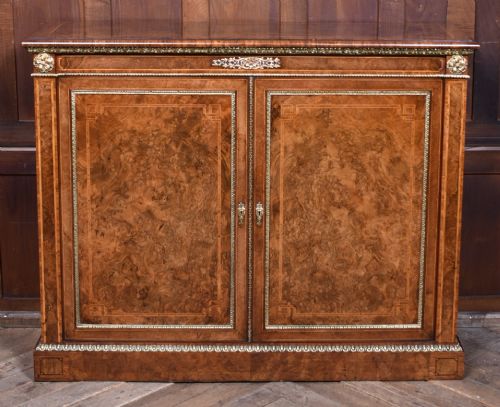
Cabinet makers utilised highly figured burr walnut veneers applied to carcases, creating dramatic swirling grain patterns across doors and panels. Crossbanding and boxwood inlay often framed these timber surfaces to provide geometric contrast.
Mounts in cast ormolu and brass added structural highlights around glass panels and door borders. Glass doors allowed for the display of collections, while internal velvet linings offered a soft surface for shelving and interior compartments.
Listings feature credenzas, side cabinets, pier cabinets, and bookcases spanning the Victorian, Edwardian, Regency revival, and Queen Anne styles.
What varies in quality
The ambition of the timber selection dictates much of the visual impact, with densely figured burr walnut veneers commanding greater presence than plain walnut surfaces. The crispness of marquetry details and boxwood stringing further separates standard production from finer examples.
Hardware and mounts contribute significantly to the overall distinction of a piece, particularly where chased ormolu or heavy brass fittings are employed. The integration of mirror glass, marble tops, and internal joinery reveals the level of craftsmanship invested by the maker.
The Edwardian Burr Walnut Credenza Glossary
- Credenza
- A low cabinet, historically fitted with doors, used for storage and display in principal rooms. These pieces often incorporate curved glass doors and mounting in ormolu.
- Burr Walnut
- A timber harvested from walnut tree growths, prized for its intricate, swirling grain patterns. It is typically sliced into veneers for decorative cabinet fronts.
- Pier Cabinet
- A narrow display cabinet designed to fit against the wall space between windows. They frequently feature single glazed doors and velvet-lined interiors.
- Marquetry
- The art of applying decorative veneer pieces to a structure to form ornamental designs. Boxwood inlay is often combined with this technique to outline panels.
- Ormolu
- Gilded bronze mounts applied to cabinet furniture for decorative accent. They appear frequently on nineteenth-century credenzas around glazed sections and borders.
Edwardian Burr Walnut Credenza: Frequently Asked Questions
What is the difference between a credenza and a sideboard?
A credenza typically denotes a low cabinet featuring glazed display sections and decorative mounts, whereas a sideboard often serves a dining function with heavier timber construction.
Historical usage placed credenzas in reception rooms for display, while sideboards accommodated dining ware and serving items.
How do I care for burr walnut veneer?
Burr walnut requires stable indoor humidity and protection from direct sunlight to prevent the thin veneer from drying or lifting over time.
Polishing should be done sparingly using appropriate wax finishes designed for antique timber surfaces.
Where were these cabinets placed in a home?
Original placement was generally in formal drawing rooms, dining spaces, or libraries where guests could view decorative objects displayed behind glass.
Pier cabinets specifically occupied narrow wall spaces between windows, making efficient use of constrained areas.
How can I tell an Edwardian piece from a Victorian one?
Edwardian examples often show lighter proportions and draw on various revival styles including Edwardian and Queen Anne revivals, sometimes featuring simplified marquetry.
Victorian pieces frequently display heavier ormolu mounts, darker finishes, and more elaborate high-Victorian decorative schemes.