

Edwardian Bureau Table
An Edwardian bureau table combines compact writing surfaces with domestic utility, offering a practical workspace shaped by early twentieth-century design.
Edwardian Bureau Table
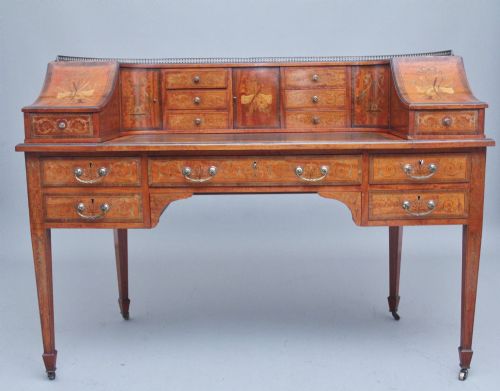
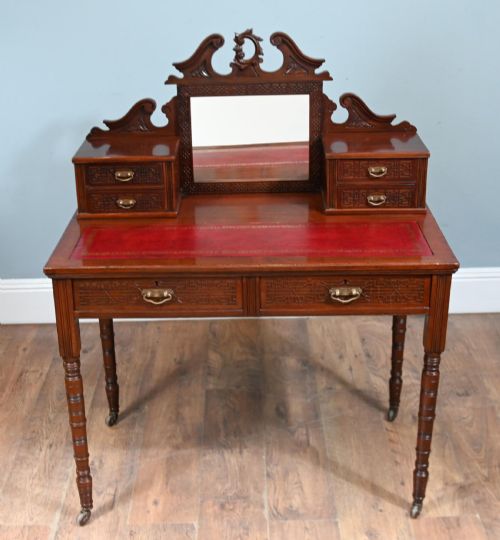
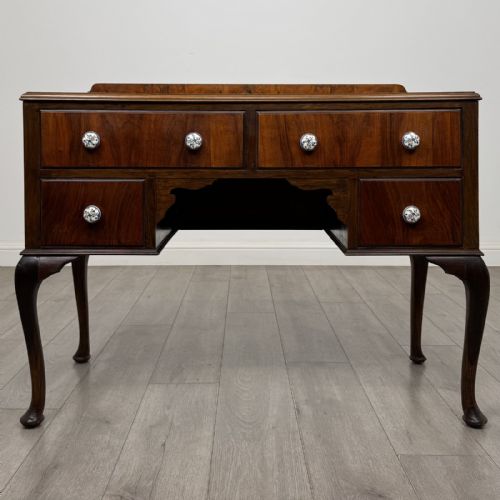
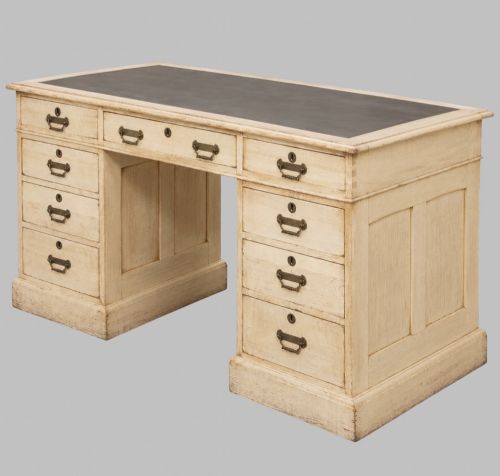
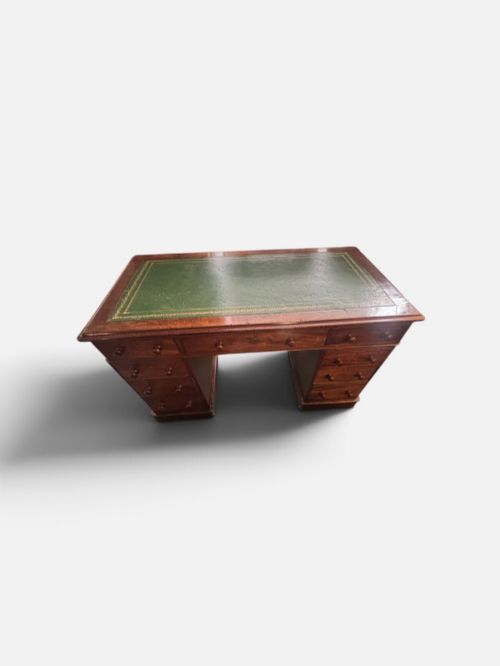
The edwardian bureau table selection spans pieces designed primarily for domestic correspondence and home administration during the early decades of the twentieth century. Buyers encounter writing furniture that draws heavily on Edwardian and Victorian aesthetic preferences, alongside revival styles that imitate earlier Georgian forms.
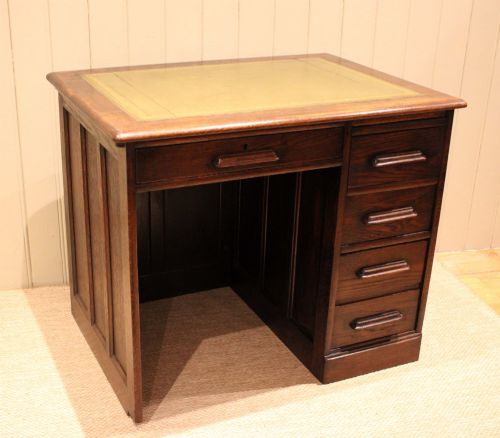
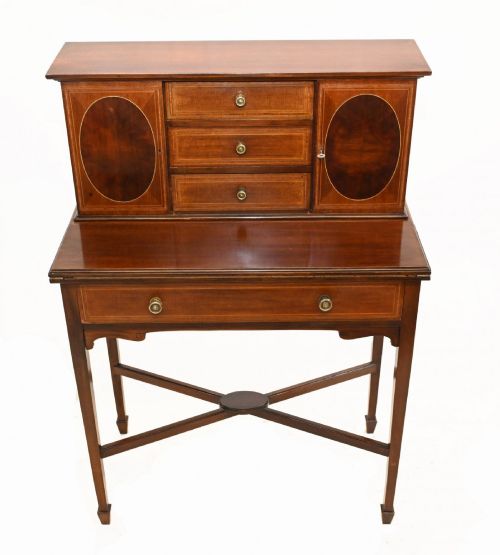
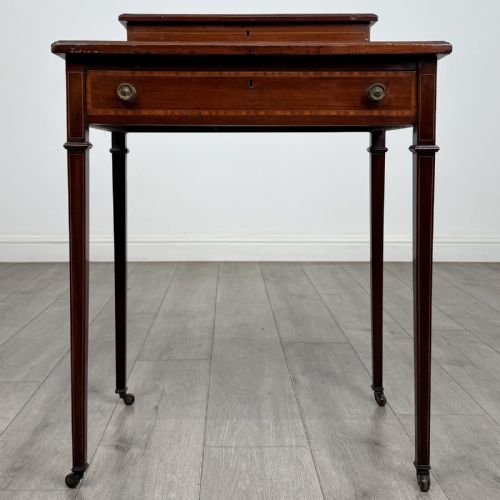
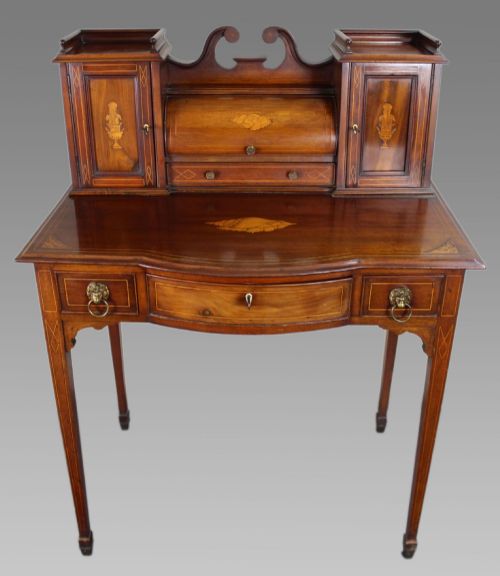
Most items on this page manifest as compact writing tables, kneehole desks, and fall-front or tabletop bureaux. Woods such as mahogany, satinwood, walnut, and oak dominate the offerings, frequently enhanced with inlaid decorative motifs or brass details.
Materials and Construction
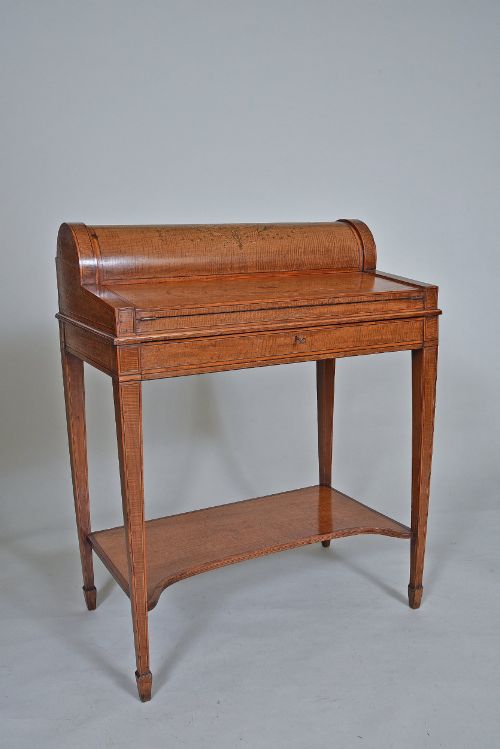
Cabinetmakers constructed these writing surfaces using solid timbers and decorative veneers applied to secondary woods, utilising mahogany, walnut, oak, and exotic rosewood or satinwood for contrast. Inlays of lighter contrasting woods and hand-painted decorations appear across Edwardian and Sheraton Revival examples.
Fitted interiors require precise joinery for small drawers, pigeonholes, and writing slides. Brass hardware, leather writing inserts, and occasional glass elements complete the structural assembly of these desks.
Edwardian Bureau Table Retail Price Guide 2026
Typical asking prices for edwardian bureau table among the pieces listed under this phrase on Sellingantiques today, from the lower quarter to the upper quarter. They describe what is for sale here now, not the wider market.
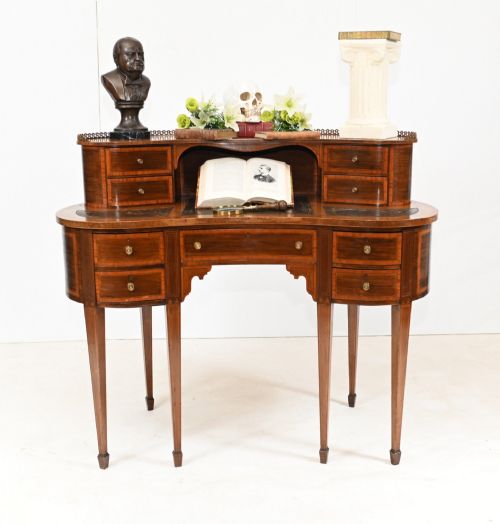
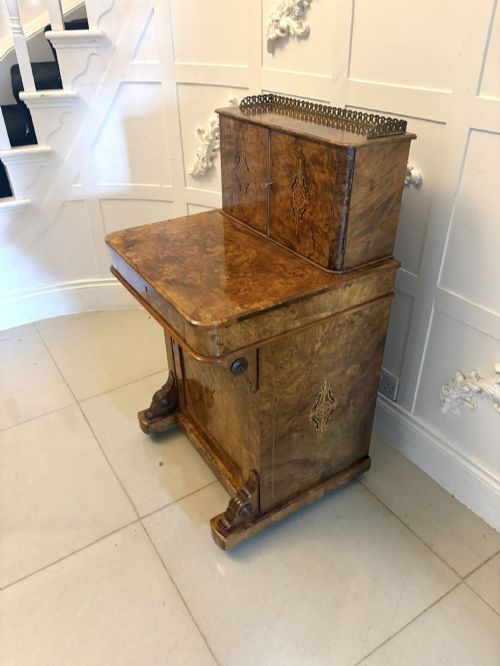
The selection includes specialised forms such as Carlton house desks, davenports, and kidney-shaped writing tables.
Quality and Execution
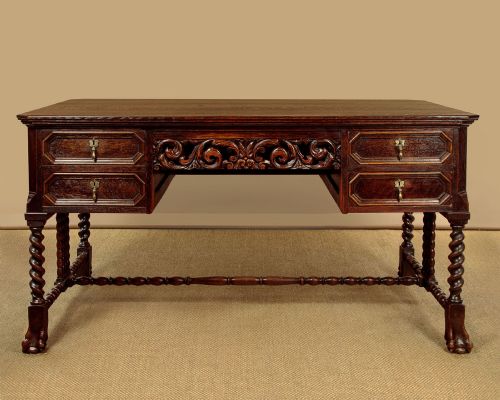
The distinction between standard commercial pieces and finer examples rests on the crispness of the inlay work, the selection of figured timber veneers such as flame mahogany or burr walnut, and the overall finish of internal compartment cabinetry.
Superior execution is visible in the stability of joint work, the depth of marquetry detail, and the retention of original brass fittings and leather inserts without modern replacement.
Edwards & Roberts·Maple & Co·Wylie & Lochhead Glasgow
The Edwardian Bureau Table Glossary
- Bureau table
- A hybrid piece of furniture functioning both as a writing desk and a small table, often featuring internal compartments for stationery.
- Marquetry
- Decorative veneer patterns composed of fitted pieces of wood, shell, or ivory arranged to create pictorial or geometric designs.
- Carlton house desk
- A fitted writing desk with a curved superstructure of small drawers and pigeonholes enclosing the writing surface.
- Kneehole desk
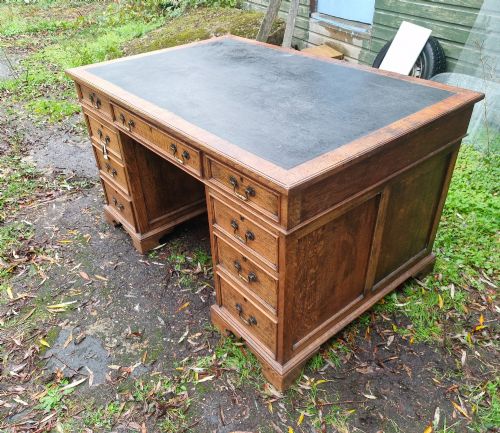
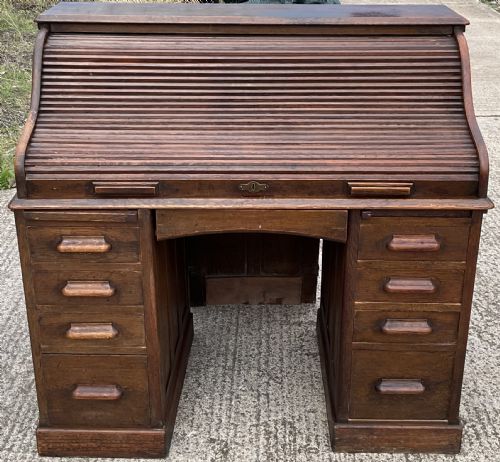
- A compact pedestal desk featuring a central recess for the user's legs flanked by banks of drawers.
- Sheraton Revival
- A late nineteenth and early twentieth century style emulating the neoclassical furniture designs associated with Thomas Sheraton.
Edwardian Bureau Table: Frequently Asked Questions
What is an edwardian bureau table?
An edwardian bureau table is a compact domestic writing desk produced during the early twentieth century, combining a surface for correspondence with internal storage for stationery.
These pieces reflect the lighter furniture styles of the period, frequently utilising inlaid satinwood, mahogany, or walnut veneers.
How do I identify an edwardian bureau table?
Identification relies on observing characteristic Edwardian construction traits, timber choices, and revival decorative motifs such as Sheraton-style stringing.
Dates generally centre around the early 1900s, though Victorian stylistic influences frequently persist in the heavier pedestal formats.
Where should I place a bureau table?
These compact desks suit studies, living rooms, and bedrooms where floor space is limited but a functional writing surface is required.
Freestanding models with finished backs also permit placement away from walls in the centre of a room.
What styles are common in these desks?
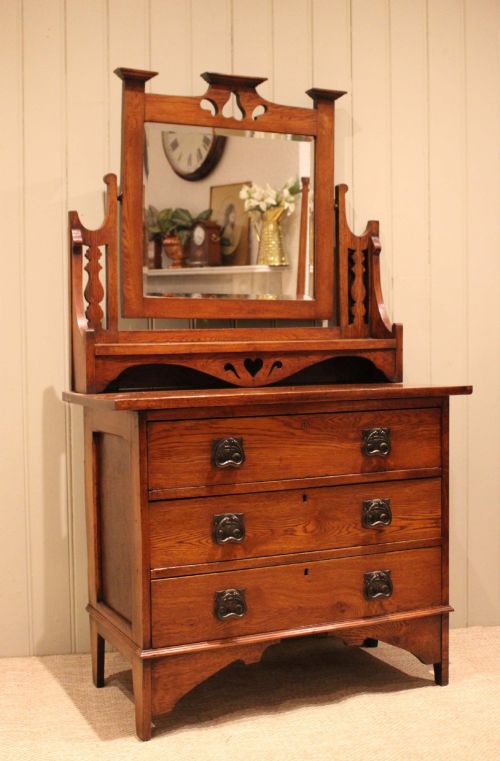
The inventory displays significant variation, ranging from plain oak utility desks to elaborately inlaid Sheraton Revival and Chippendale Revival writing tables.
Aesthetic Movement influences and kidney-shaped silhouettes also appear across the surviving pieces.